
As the 2026 winter season approaches, the Austria National Tourist Office (ANTO) has released a strategic roadmap for one of the fastest-growing sectors in the global snowsports industry: ski touring. While traditionally viewed as a niche activity for mountaineers, the practice of "skinning" up slopes to access untouched powder has transitioned into a mainstream pursuit. This shift is driven by a growing desire among winter sports enthusiasts to engage more deeply with alpine environments, fostering a greater connection to nature while seeking the physical rewards of human-powered ascent.
According to recent industry data, participation in ski touring has seen a compound annual growth rate (CAGR) of approximately 8% over the past five years. This trend is particularly pronounced among UK travellers, who are increasingly supplementing—or entirely replacing—their traditional lift-accessed downhill skiing with touring excursions. The ANTO initiative serves as both a safety manual and a curated directory, categorizing regions by difficulty, adventure style, and the emerging trend of night-time touring.
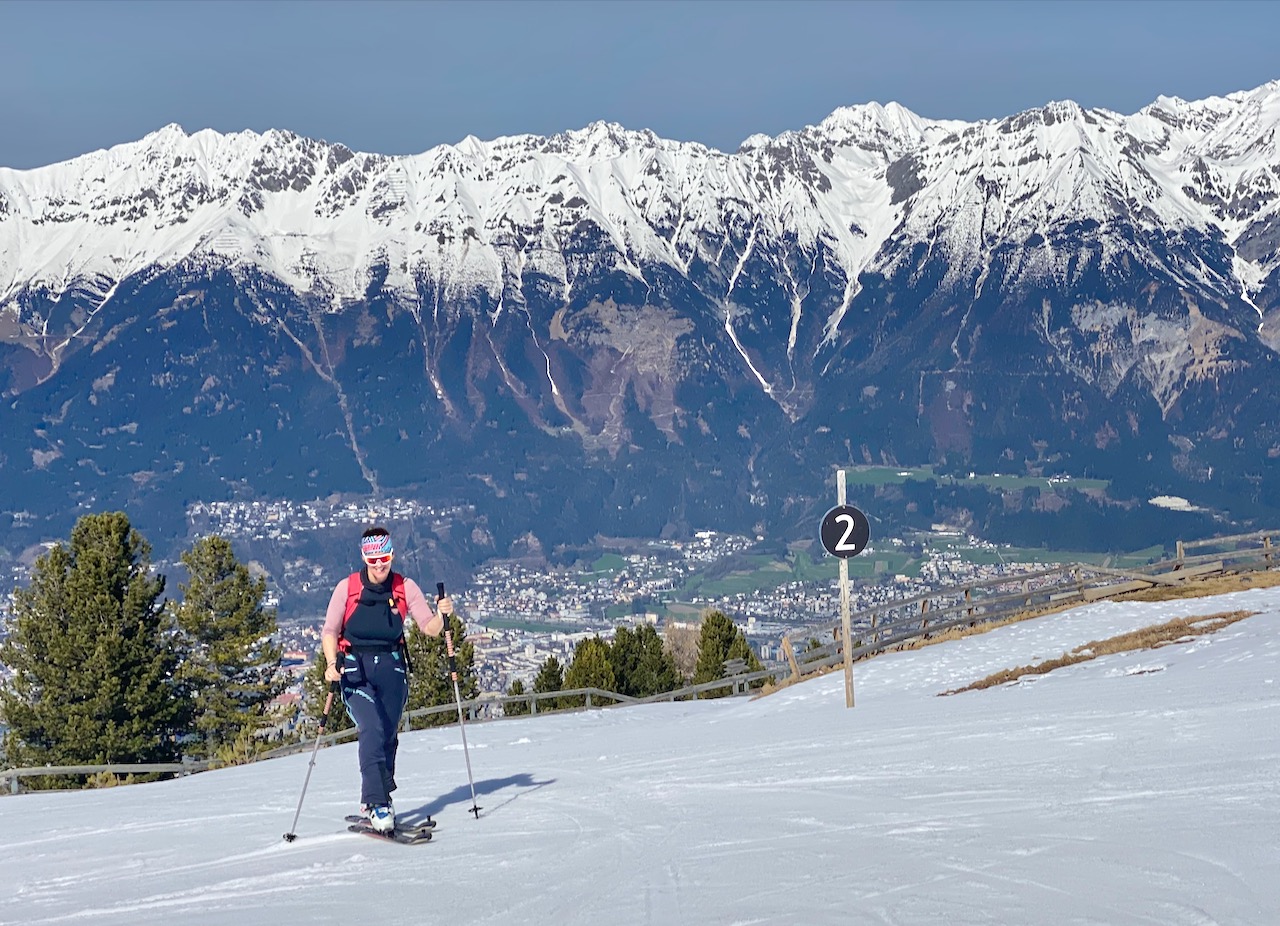
The fundamental departure from conventional alpine skiing lies in the mechanical requirements. Unlike the rigid setups used on groomers, touring equipment allows the heel to lift freely, facilitating a natural walking motion. Participants utilize "skins"—strips of mohair or synthetic fabric attached to the base of the skis—to provide traction against the snow, preventing backward sliding during the climb. Industry experts emphasize that attempting to adapt standard downhill gear for these conditions is both inefficient and dangerous.
The Evolution of the Sport and Safety Standards
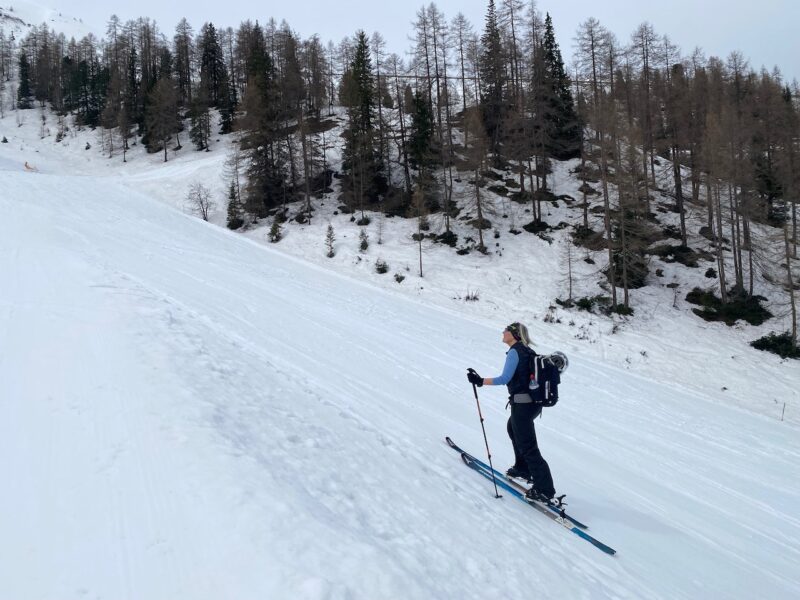
The ascent of ski touring in the mainstream market has brought a renewed focus on mountain safety. Education is now the cornerstone of the sport’s expansion. The most common error for novices, according to mountain guides, is the habit of lifting the skis off the snow during the climb, which leads to premature fatigue. Efficient technique requires keeping the skis in constant contact with the snow, using a rhythmic "gliding" stride.
Furthermore, the integration of safety protocols is no longer optional. Beginners are now strongly encouraged to complete formal training sessions before heading into uncontrolled terrain. These courses cover critical skills such as interpreting weather patterns, identifying avalanche risk, and the proficient use of avalanche transceivers, probes, and shovels. As the number of participants increases, local alpine associations have scaled up their provision of certified guides and rental infrastructure, ensuring that high-quality, specialized gear is readily available in most major Austrian resorts, thereby removing the burden of ownership for tourists.

Strategic Regional Categorization for Beginners
For those entering the sport, the selection of a resort is critical to building confidence. Ischgl has emerged as a premier hub, offering approximately 15 dedicated routes. Its infrastructure, notably the Piz Val Grondabahn lift, allows beginners to reach a high-altitude starting point on the border of Austria and Switzerland, bypassing the most grueling initial climbs. A typical 3.4-km introductory route here takes roughly 90 minutes, providing a manageable entry point to the sport.
Similarly, the Grossarl region in SalzburgerLand has pivoted its focus toward sustainable, low-impact tourism. The local association, Berg-Gesund, has developed a structured series of taster sessions that emphasize technique and physical conditioning. The "Kreuzeck" area in Hüttschlag is particularly noted for its gentle, sheltered terrain, ideal for those mastering their skinning technique.
In the Tirol, Serfaus-Fiss-Ladis provides a unique international experience through its "Smuggler’s Tour to Switzerland." This route balances the challenge of the ascent with the reward of descent through pristine, ungroomed powder, showcasing the logistical integration that makes Austrian touring particularly attractive to international visitors. Meanwhile, the Ski Juwel Alpbach Wildschönau area offers the Schatzberg mountain route, which remains accessible even during seasons with lower-than-average snowfall, making it a reliable choice for early-season planning.
High-Altitude Challenges for Advanced Practitioners
For the experienced segment of the market, the focus shifts to endurance and technical terrain. The Achensee region has garnered a reputation for its panoramic vistas, with the Rofanspitze mountain ascent—specifically the Wiesing route—widely regarded as one of the most spectacular in the Eastern Alps. To support this demographic, several regional operators have introduced two-day intensive camps, designed to refine navigation and high-alpine safety skills.
In the westernmost province of Vorarlberg, the Schesaplana summit (2,965m) represents the gold standard for experienced tourers. Located in the Rätikon massif, this climb requires roughly five hours of sustained effort. The payoff is a long, challenging descent that tests the technical proficiency of the skier, offering a level of seclusion that is increasingly difficult to find in more commercialized alpine areas.
The Rise of Multi-Day Expeditions
The demand for immersive, multi-day experiences has prompted the development of long-distance touring routes. The Kitzbühel Alps offer a rigorous four-day itinerary spanning approximately 60 km, connecting the valleys of Kelchsau and Aschau. This route demands a high level of physical fitness and self-sufficiency, with accommodation stops carefully integrated into the journey.

In the Silvretta Montafon region, the touring circuit can be customized for durations ranging from five to seven days. The route, which loops through the high mountains between Ischgl and Galtür, utilizes a network of established mountain huts, such as the Heidelberger Hütte and the Jamtalhütte. This infrastructure allows tourers to experience the wilderness without the need for extensive camping gear, balancing the rugged nature of the sport with the comfort of traditional Austrian hospitality.
Night Touring: A New Temporal Frontier
Perhaps the most innovative growth area is "night touring," which transforms floodlit piste networks into evening fitness trails. This practice has become a significant revenue driver for resorts looking to maximize the utility of their terrain after the traditional lifts have closed.
Innsbruck leads this movement, with the Mutteralm and Patscherkofel areas offering dedicated, safe routes. The Patscherkofel Olympic run, for instance, is opened specifically for tourers on Thursday evenings. This controlled environment allows participants to practice their technique under professional supervision, with the added incentive of restaurant access at the summit.

The Bergeralm also caters to this niche with a rigorous, steep route open on select evenings, catering to those who view touring as an intensive cardiovascular workout. In Seefeld, the Rauthhütte hut remains a focal point for evening excursions, maintaining extended opening hours to accommodate those climbing under the moonlight.
Economic and Environmental Implications
The rise of ski touring carries significant implications for the alpine economy. By diversifying the types of activities available, resorts are reducing their dependency on the traditional lift-pass model. This shift is also more environmentally sustainable; touring creates minimal impact on the mountain landscape compared to the construction and maintenance of expansive lift and snow-making systems.
However, the rapid growth of the sport is not without challenges. Local authorities are currently engaged in a balancing act between encouraging tourism and protecting sensitive wildlife habitats. Many regions have introduced strict "no-go" zones, specifically in forested areas where wintering animals are most vulnerable to disturbance. The success of the sector in the coming years will likely depend on the industry’s ability to promote responsible access and ensure that the surge in popularity does not degrade the very environment that attracts enthusiasts.

As the 2026 season gets underway, the data suggests that ski touring is no longer an outlier. It is a fundamental component of the modern winter sports experience, one that bridges the gap between traditional athletic pursuits and the growing cultural appetite for sustainable, self-reliant travel. For the Austrian authorities, the goal is clear: to provide the infrastructure and the education required to ensure that this expansion is safe, sustainable, and accessible to the next generation of mountain adventurers.

