
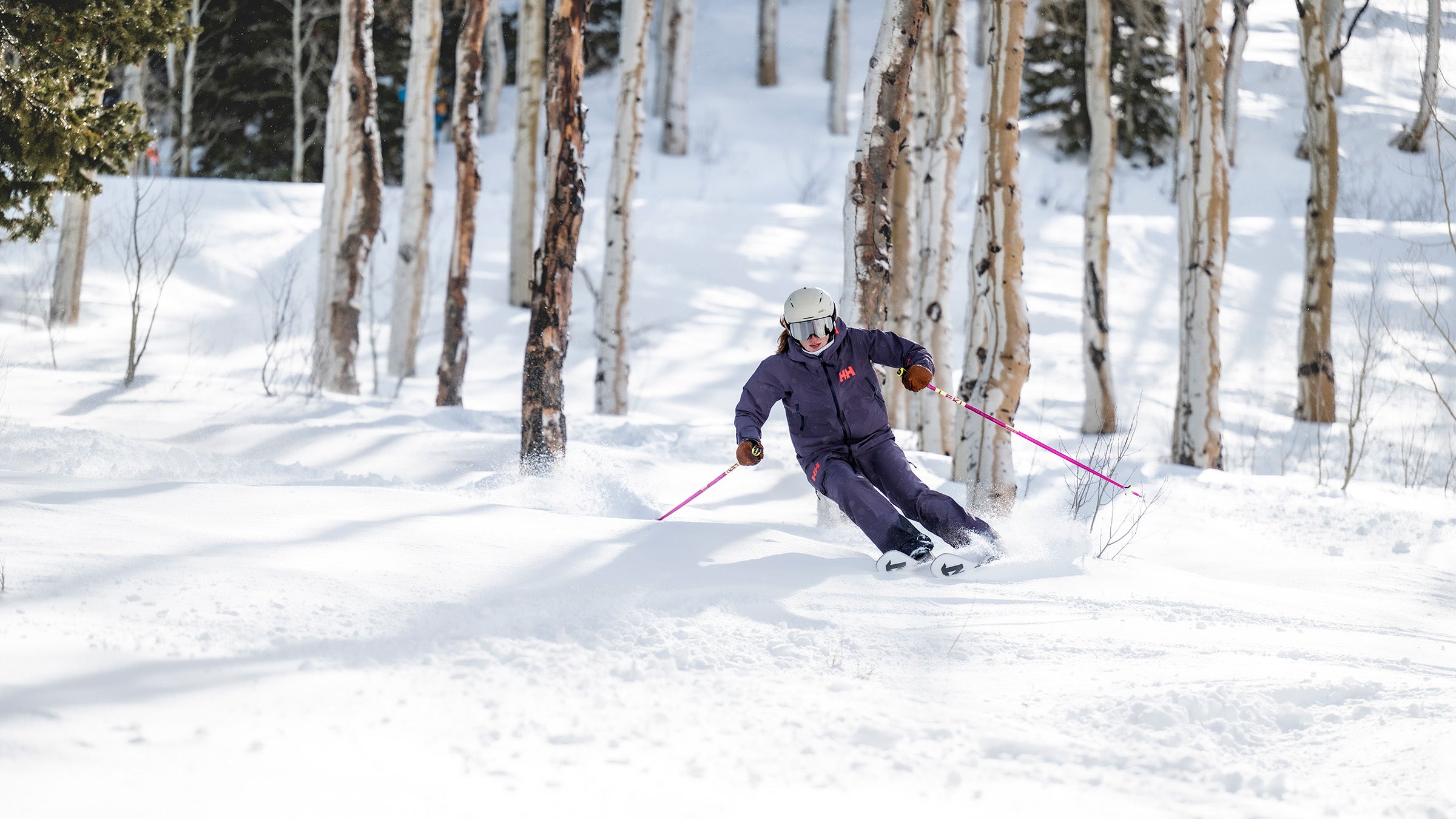
For skiers who chase powder days, women’s wide all-mountain skis featuring a 100 to 110 millimeter waist underfoot deliver exceptional float in fresh snow without sacrificing essential groomer control. Following an exhaustive evaluation process at the annual SKI Test held at Deer Valley, Utah, industry experts analyzed 15 distinct models to determine which gear truly excels in soft-snow environments, crud plowing, and high-speed carving.
Main Facts of the 2026 SKI Test
The testing protocol took place against the backdrop of Deer Valley’s challenging varied terrain, where a select panel of seasoned industry professionals—including elite boot fitters, former competitive racers, ski shop owners, and high-level freeride coaches—put the latest equipment through rigorous, real-world trials. To maintain strict editorial independence and objectivity, testers evaluated each ski on the exact same day under uniform snow conditions. Digital scorecards were submitted across nine distinct performance metrics, placing primary emphasis on soft-snow flotation, crud management, edge grip, and overall versatility.
The resulting lineup highlights the industry’s ongoing technological evolution, particularly the strategic integration of lightweight woods, advanced dampening materials, and tailored metal layups designed specifically to accommodate varying skier dynamics and physical inputs.
Chronology and Event Background
Preparation for the annual gear test begins months in advance, requiring manufacturers to supply their upcoming seasonal lineups for rigorous field evaluations. The 2026 testing window at Deer Valley served as the definitive proving ground for gear hitting retail shelves for the 2026 and 2027 seasons.
Over several intensive days on-snow, the testing cohort alternated between steep powder bowls, tracked-out crud, densely packed mogul fields, and freshly groomed corduroy. This systematic approach ensures that every ski is exposed to the rapid transition of mountain weather and changing snow consistency—from early morning frozen hardpack to afternoon heavy mank. The data gathered during these trials forms the bedrock of the final rankings published for consumers seeking a dependable daily driver.
Top-Performing Wide All-Mountain Models
The evaluation yielded several standout models that dominated scoring across multiple performance categories, earning top designations from the testing panel.
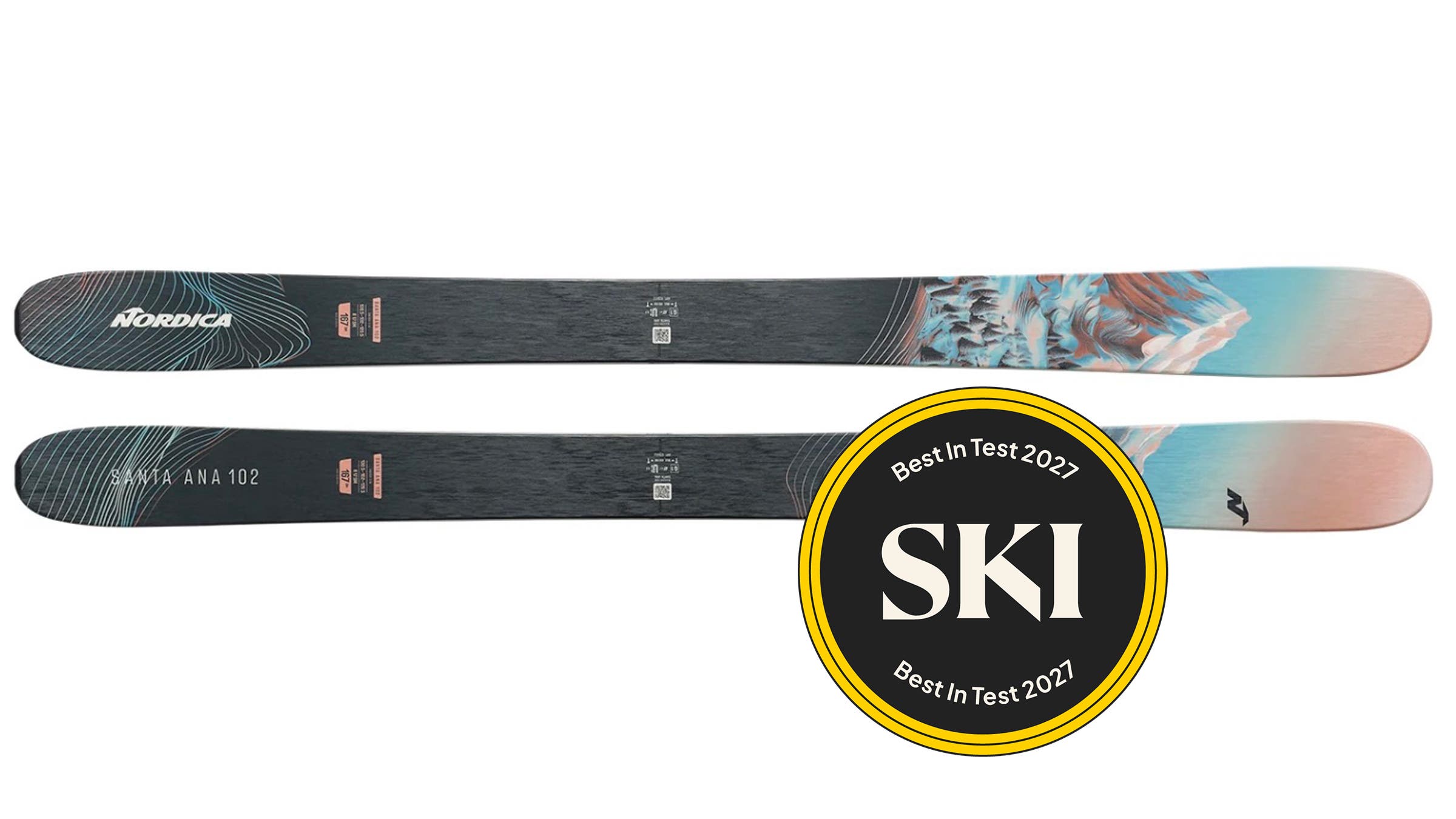
Nordica Santa Ana 102 (Best in Test)
Priced at approximately $900, the Nordica Santa Ana 102 emerged as the undisputed leader for aggressive, hard-charging skiers. Built with dual sheets of Titanal, this model provides an exceptionally stable and dependable platform that remains unflappable through chunder and variable chop. Testers noted that while it demands significant quad power and offers little forgiveness for backseat skiing, it rewards advanced skiers with relentless edge hold and high-speed confidence.
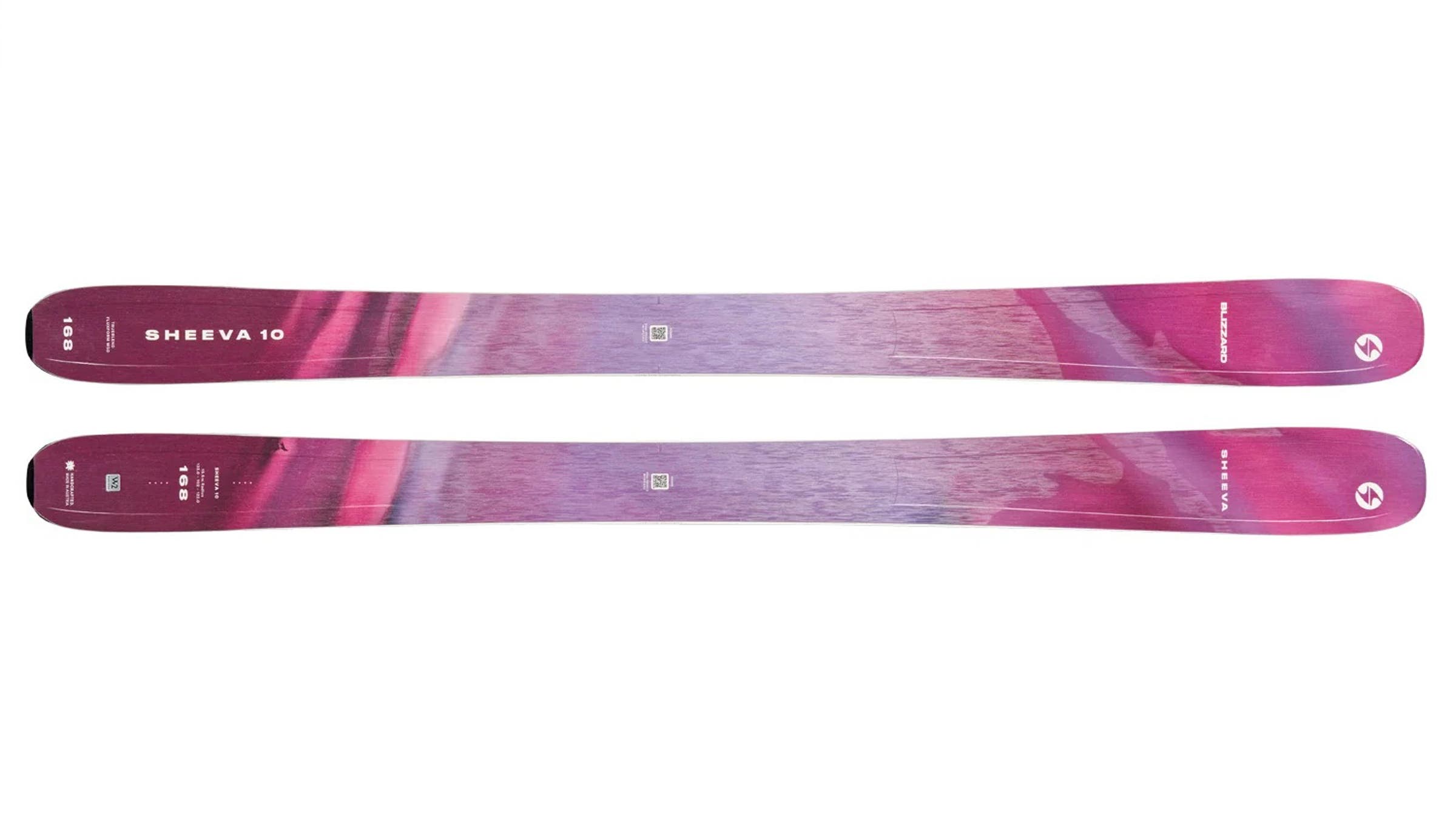
Blizzard Sheeva 10 (Most Fun)
Retailing at around $850, the Blizzard Sheeva 10 captured the "Most Fun" designation by blending a playful, energetic personality with precise edge grip on hardpack. Utilizing targeted metal reinforcement strictly along the edges, Blizzard maintained a lightweight, highly maneuverable chassis that helps intermediate skiers level up while satisfying ex-racers looking for a lively, approachable ride.
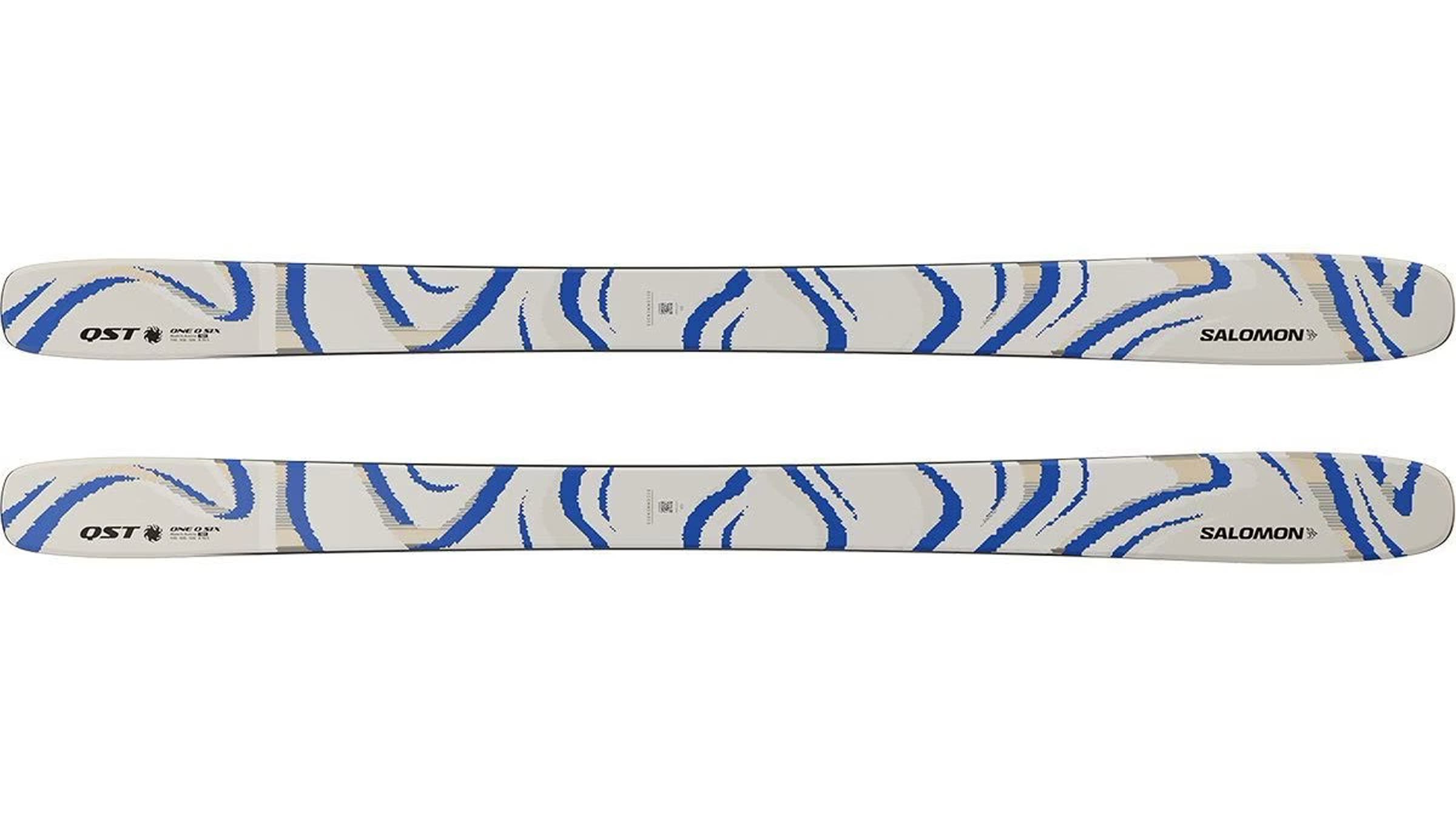
Salomon QST 106 (Best for Powder)
At an $850 price point, the Salomon QST 106 proved to be the ultimate weapon for deep snow and off-piste exploration. Featuring the widest waist in the primary test category at 106 millimeters, the ski relies on cork dampening in the tips and tails rather than heavy metal sheets. Testers praised its surfy, intuitive nature in powder and its ability to eat up crud, though its substantial heft makes quick arcs on hardpack more demanding.
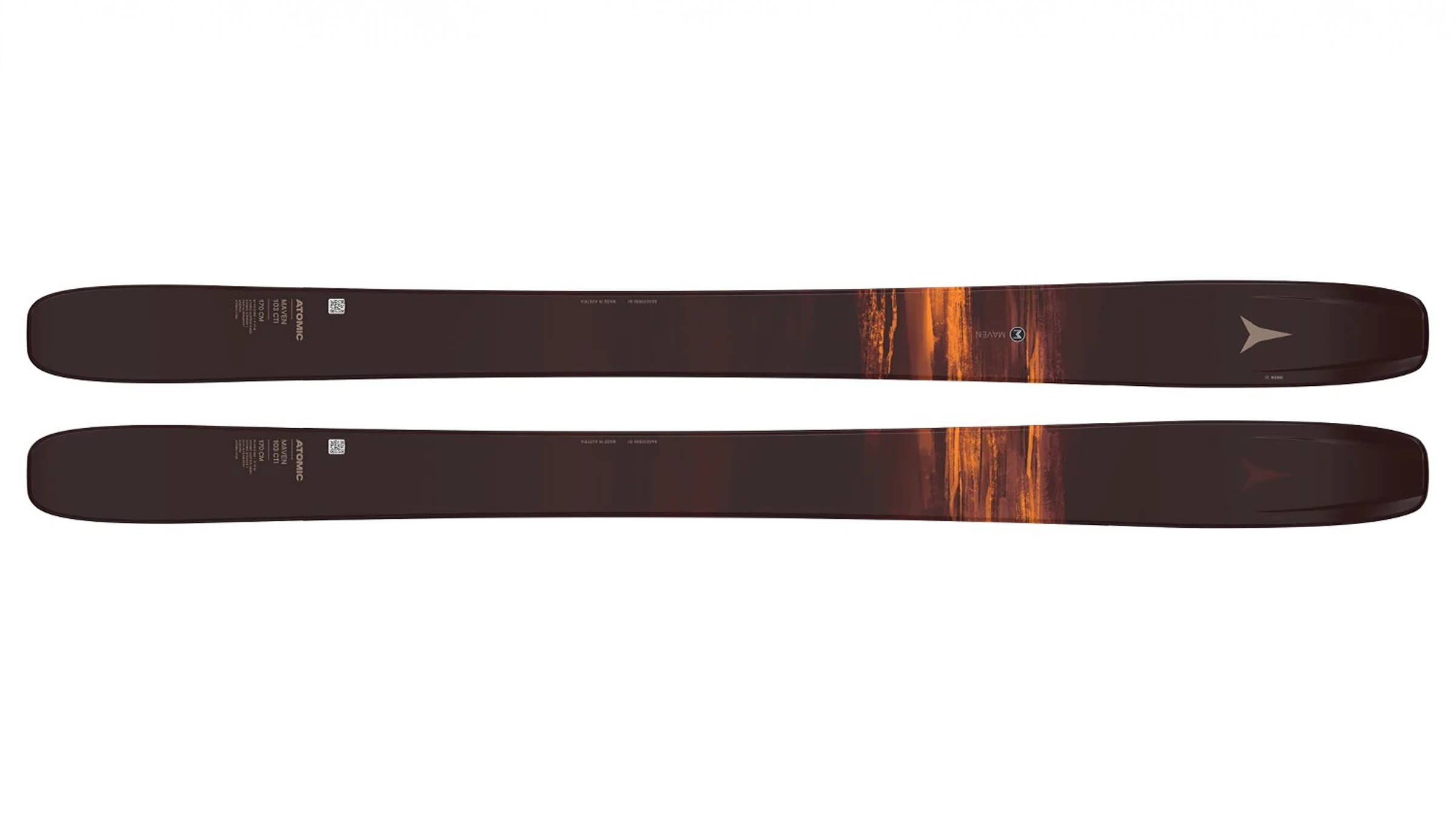
Atomic Maven 103 CTi (Quickest)
Also priced at $850, the Atomic Maven 103 CTi prioritizes agility and quick pivot points. Designed to reward finesse over brute strength, it excels in tight trees and soft moguls. While testing feedback noted some tip chatter at maximum velocities on hard ice, its light and nimble profile makes it an ideal companion for skiers seeking effortless maneuverability in soft snow.
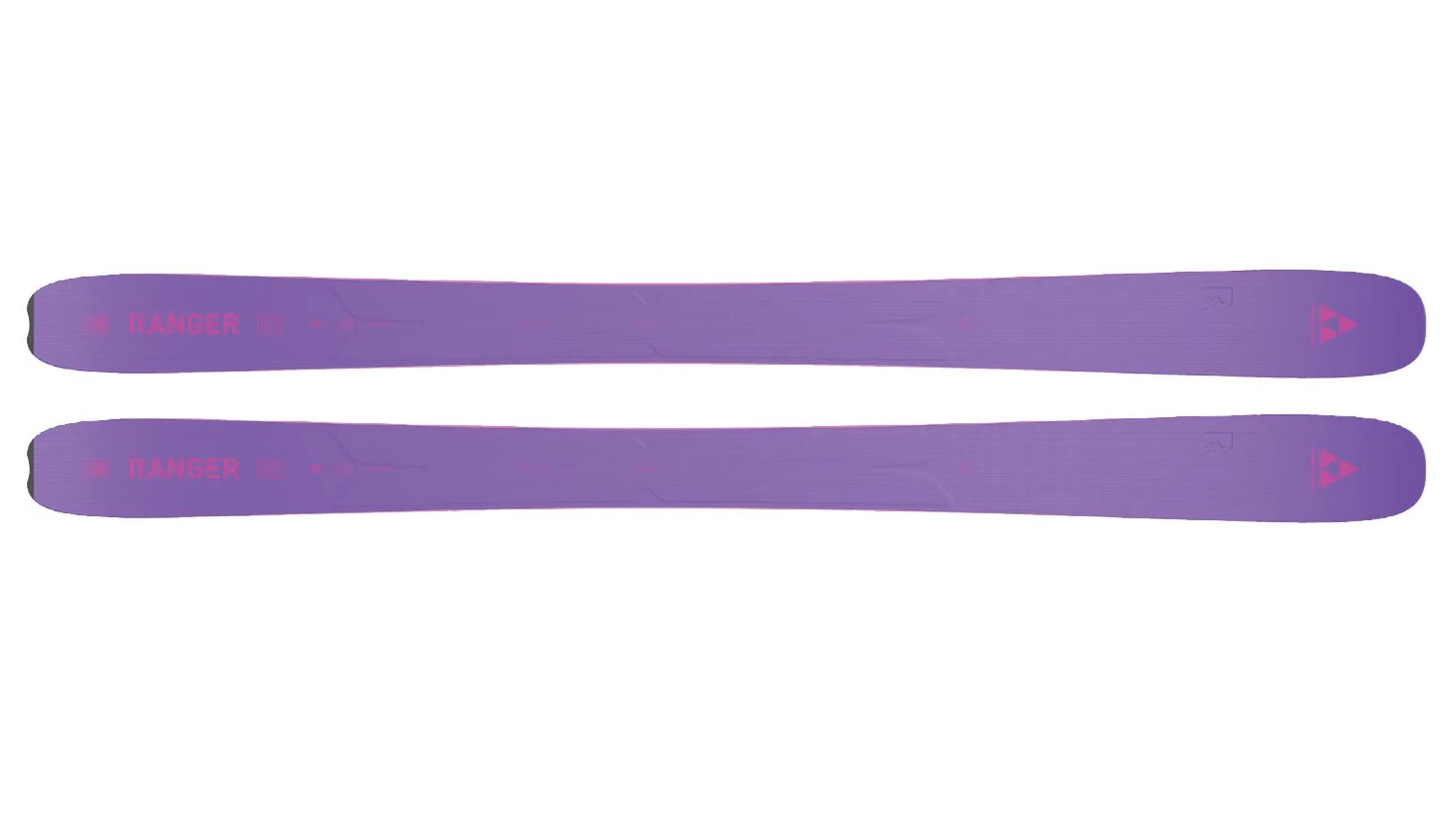
Fischer Ranger 102 (Most Forgiving)
Rounding out the primary winners at $850, the Fischer Ranger 102 serves as an accessible entry point to wide all-mountain performance. Its easygoing, lightweight nature makes powder-choked bowls approachable for intermediate and advancing skiers alike, though aggressive experts may occasionally overpower the tips in high-speed crud.
Supporting Data and Alternative Recommendations
Beyond the primary podium spots, additional models demonstrated exceptional performance in specialized niches, offering strong alternatives for skiers with specific mechanical preferences.
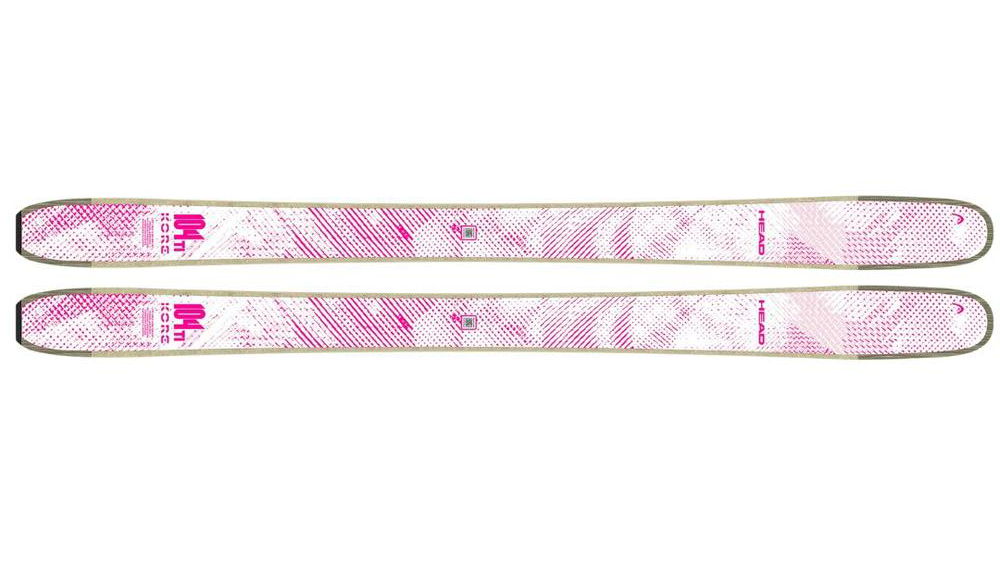
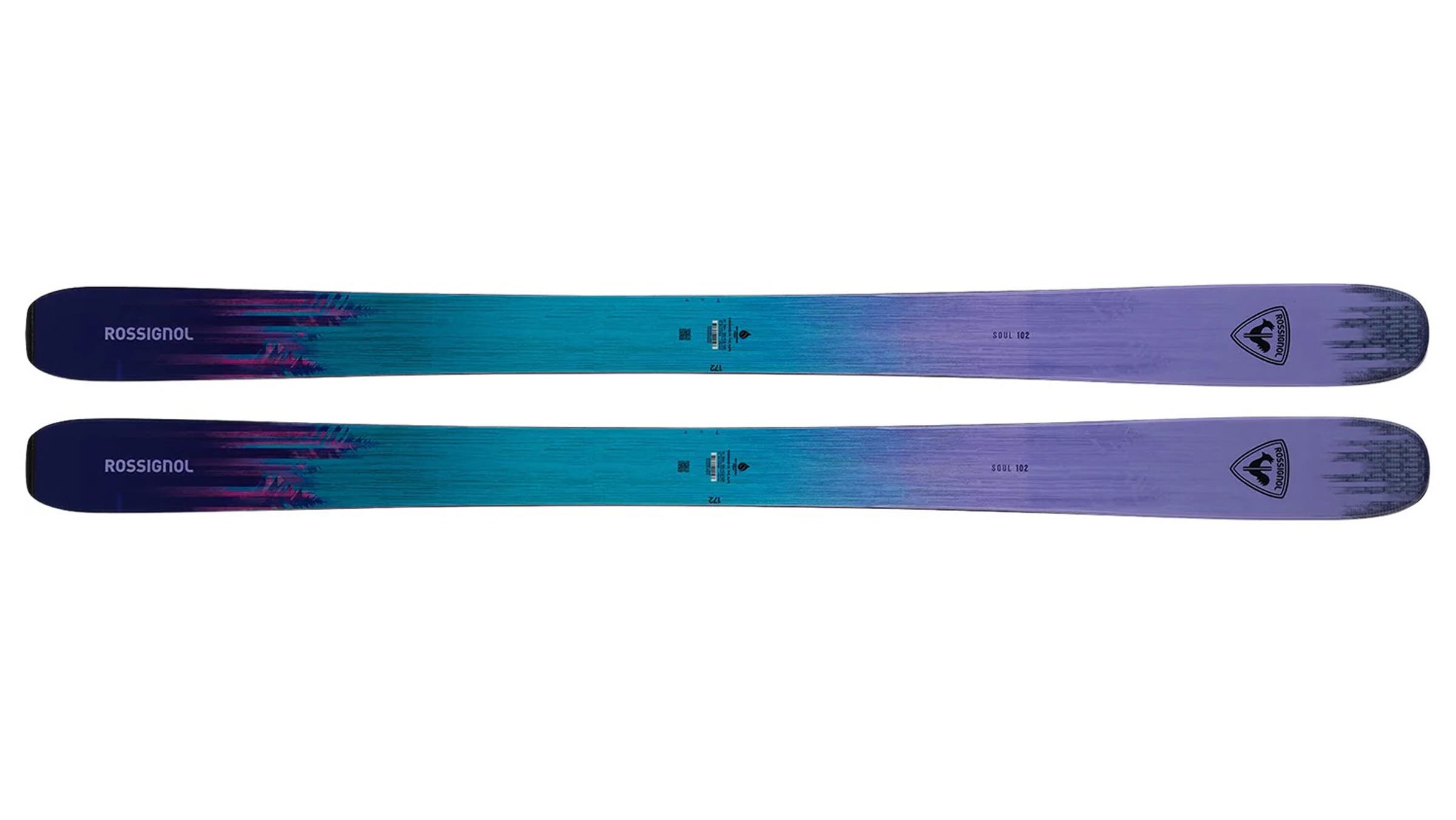
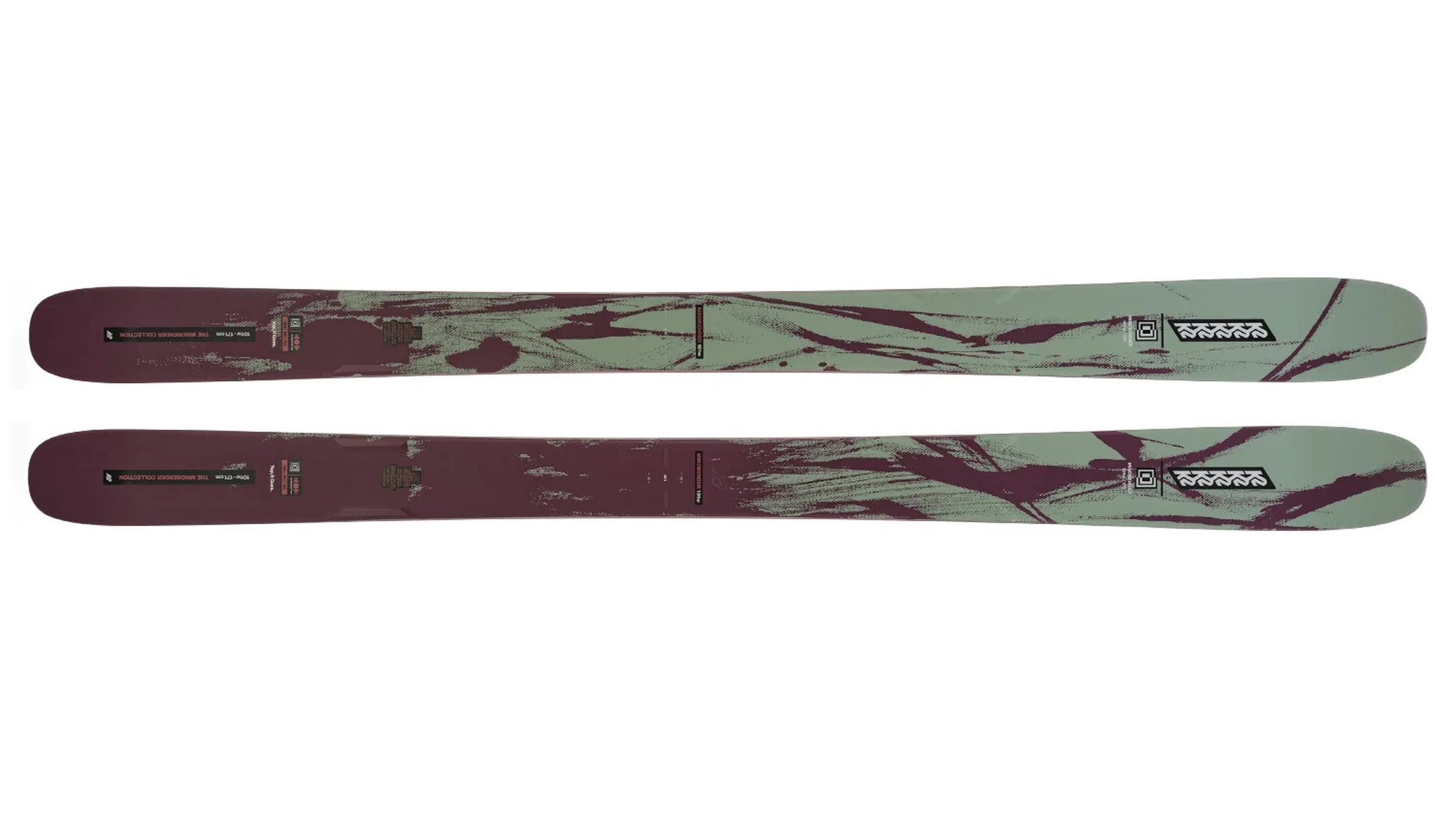
The Head Kore 104 Ti W integrates two full sheets of Titanal into a traditionally lightweight chassis, creating a balanced blend of user-friendliness and high-speed stability that calms the chatter found in previous iterations. Meanwhile, the Rossignol Soul W 102 targets skiers who favor long, wide-open turns at high speeds, offering a damp, stable ride that functions as a hero ski in deep powder. Finally, the K2 Mindbender 101 W introduces innovative metal-infused plastic pucks—dubbed Dark Matter technology—fore and aft of the binding zone to absorb high-frequency vibrations, resulting in a serious, hard-charging platform that plows effortlessly through variable snow.
Expert Statements and Industry Analysis
The composition of the testing panel brings decades of combined industry insight to the evaluation process, ensuring that the consumer feedback accurately reflects real-world skiing demands.
Lauren Engle, managing partner of Outdoor Divas and a veteran tester based in Vail, emphasized the importance of trust in high-performance equipment. "I trust this ski so much, I could practically ski it blindfolded," Engle noted regarding the Nordica Santa Ana 102.
Avery Pesce, vice president of merchandising for Boston Ski and Tennis and a Snowbasin-based tester, highlighted the nuanced balance required in modern ski design. Analyzing the Blizzard Sheeva 10, Pesce observed, "It’s lively and energetic on the side of the trail and smooth and stable while charging the open groomers. Easy to whip around trees and through the bumps. A total blast!"
Broader Impact and Market Implications
The ongoing refinement of women’s wide all-mountain skis—typically ranging from 100 to 110 millimeters underfoot—reflects a broader shift in the ski industry toward equipment that minimizes compromise. Historically, skiers seeking deep-snow flotation had to endure heavy, cumbersome skis that struggled immensely on groomed runs. Modern engineering, however, allows manufacturers to utilize carbon, localized metal laminates, and sophisticated rocker-camber profiles to build versatile daily drivers.
For resort guests residing in regions with high annual snowfall, these wider platforms represent a logical evolution away from narrow, carving-centric skis. As climate patterns and resort snowpacks continue to fluctuate, the demand for versatile one-ski quivers capable of handling everything from untracked morning powder to afternoon refrozen crud remains high. Ultimately, the data and insights generated by independent field tests provide consumers with the objective clarity necessary to invest in equipment tailored to their specific biomechanics, local terrain, and personal skiing style.

