
The landscape of winter sports apparel has long been defined by an industry-wide practice colloquially known as "shrink it and pink it"—the historical method of adapting men’s outerwear specifications into smaller sizing profiles and softer colorways while largely ignoring the biomechanical realities of female athletes. On October 8, 2026, Denver-based, woman-owned ski brand Halfdays officially challenged that paradigm by launching its debut Gore-Tex collection. This milestone partnership marks the first time in the history of the legendary waterproof fabric manufacturer that an exclusive collaboration has been formed with a women-only ski brand.
The launch introduces a comprehensive technical lineup, including the Betty Gore-Tex 3L Shell Jacket ($645) and matching Betty Bibs ($495), alongside pants, gloves, and mittens. To understand the engineering required to bridge high-fashion aesthetics with elite backcountry performance, industry analysts and gear testers have closely examined the multi-year development timeline, the rigorous laboratory testing protocols in Elkton, Maryland, and the broader commercial implications for the technical outerwear market.
Behind Closed Doors: The Engineering and Testing Protocols
Long before products reach retail shelves or snowy alpine slopes, technical outerwear must endure extreme validation processes. At the W. L. Gore & Associates research and manufacturing facility in Elkton, Maryland, prototype apparel undergoes simulated environmental abuse designed to force structural failure.
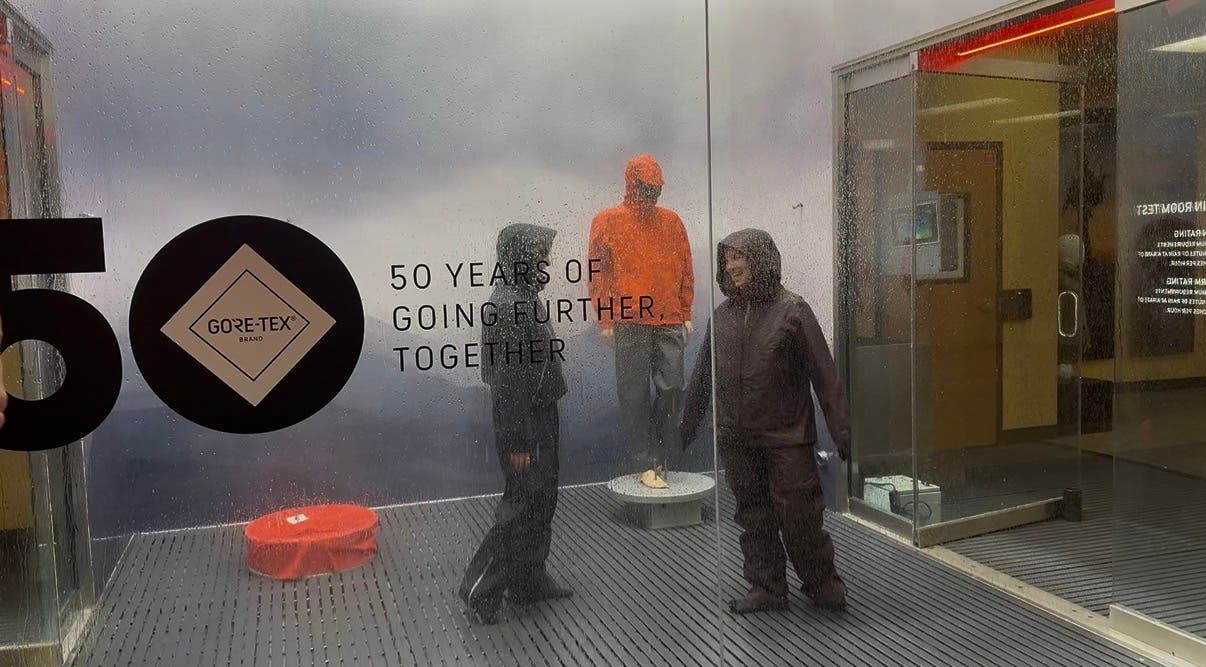
The facility houses specialized testing environments, including an all-glass rain room where garments are subjected to simulated hurricane-grade downpours. Water droplets fall from a 30-foot ceiling at velocities reaching approximately 20 miles per hour, relentlessly pounding test subjects for extended periods. Beyond precipitation simulation, Halfdays prototypes faced a barrage of mechanical stress tests over several years. Designers exposed the materials to prolonged ultraviolet radiation, high-velocity winds, and medieval-looking apparatuses equipped with heavy, metal-spiked balls to replicate the abrasive wear and tear encountered during aggressive skiing and accidental falls.
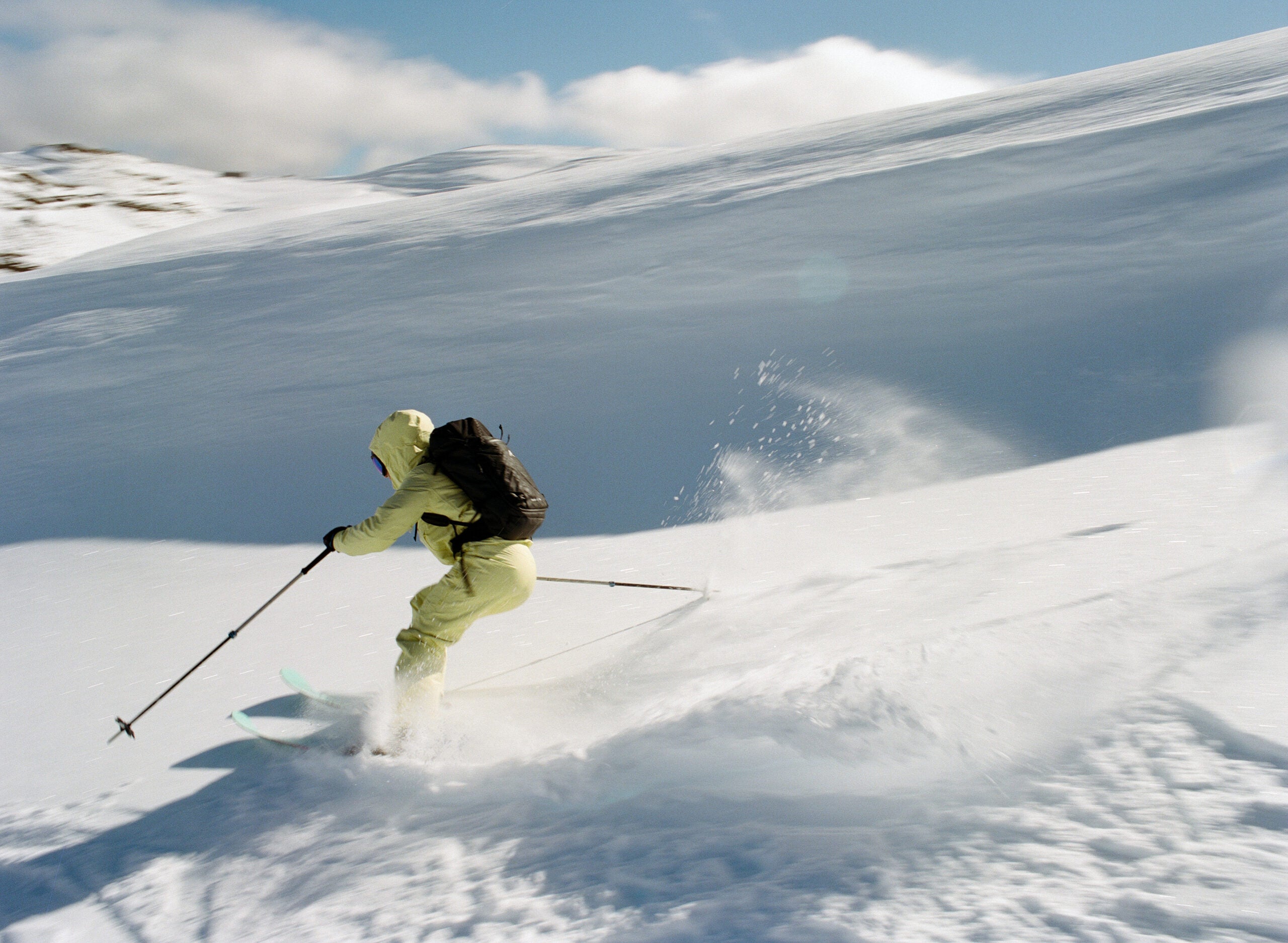
The Betty collection utilizes a three-layer (3L) construction boasting an impressive 28,000mm waterproof rating. By comparison, Halfdays’ legacy Lawrence jacket registers at a 20,000mm rating. Typically, an elevation in waterproof specifications correlates directly with an increase in fabric rigidity, resulting in a stiff, plasticky garment that restricts movement and traps interior moisture. However, the engineering team at Gore-Tex and Halfdays managed to balance these competing metrics, ensuring that the high-performance shell retains a mobile, breathable architecture that accommodates dynamic movements, such as bending to adjust ski boots, without inducing physical restriction.
A Four-Year Chronology: From Concept to Commercialization
The partnership between Halfdays and Gore-Tex did not happen overnight; it was the result of a deliberate, multi-year strategic campaign that began in earnest in 2020.
In the nascent stages of Halfdays’ corporate lifecycle, a product executive at The North Face initiated contact with Gore-Tex on behalf of the young Denver-based brand. At the time, Halfdays was rapidly building a cult following among female skiers who desired functional, aesthetically distinct apparel that did not sacrifice performance for style.
The timing aligned with a broader strategic pivot within Gore-Tex. Doug Graham, Gore-Tex Global Account Manager, candidly acknowledged that the multinational fabric giant had spent over a decade attempting to capture the women’s market segment with varying degrees of success, admitting that leadership "kinda knew we weren’t doing it right." Recognizing Halfdays’ authentic connection to female consumers, the two entities opened formal acquisition and integration dialogues.
By 2022, an official partnership was struck, committing both organizations to developing Halfdays’ inaugural Gore-Tex collection. This partnership required the young brand to pass the stringent quality assurance benchmarks mandated for any product bearing the coveted Gore-Tex marquee. The collaborative design process drew inspiration from the company’s historical roots. Genevieve "Vieve" Gore, co-founder of Gore-Tex, famously tested early prototypes by field-testing them during rigorous hiking and camping excursions. Honoring this legacy of practical, real-world validation, Halfdays named a separate kit in its new collection the "Genevieve" suite, cementing a philosophical dedication to outdoor utility.
On-Snow Performance Analysis: Field Testing in Valle Nevado
Laboratory simulations provide vital baseline data, but ultimate validation requires real-world application. Prior to the October commercial launch, evaluators packed the Betty kit and traveled more than 5,000 miles south to Valle Nevado, Chile, to test the garments under dynamic alpine conditions.
While atmospheric conditions failed to produce fresh snowfall during the evaluation window, natural terrain provided ample testing opportunities through high-velocity winds and intentional stress tests. During sustained gusts approaching 60 miles per hour, the Betty jacket demonstrated exceptional windproofing capabilities, successfully preventing air infiltration through fabric weaves, taped seams, and zippered closures. Furthermore, repeated falls on abrasive surface lifts tested the durability of the outer shell and its ability to repel moisture and ice crystals.
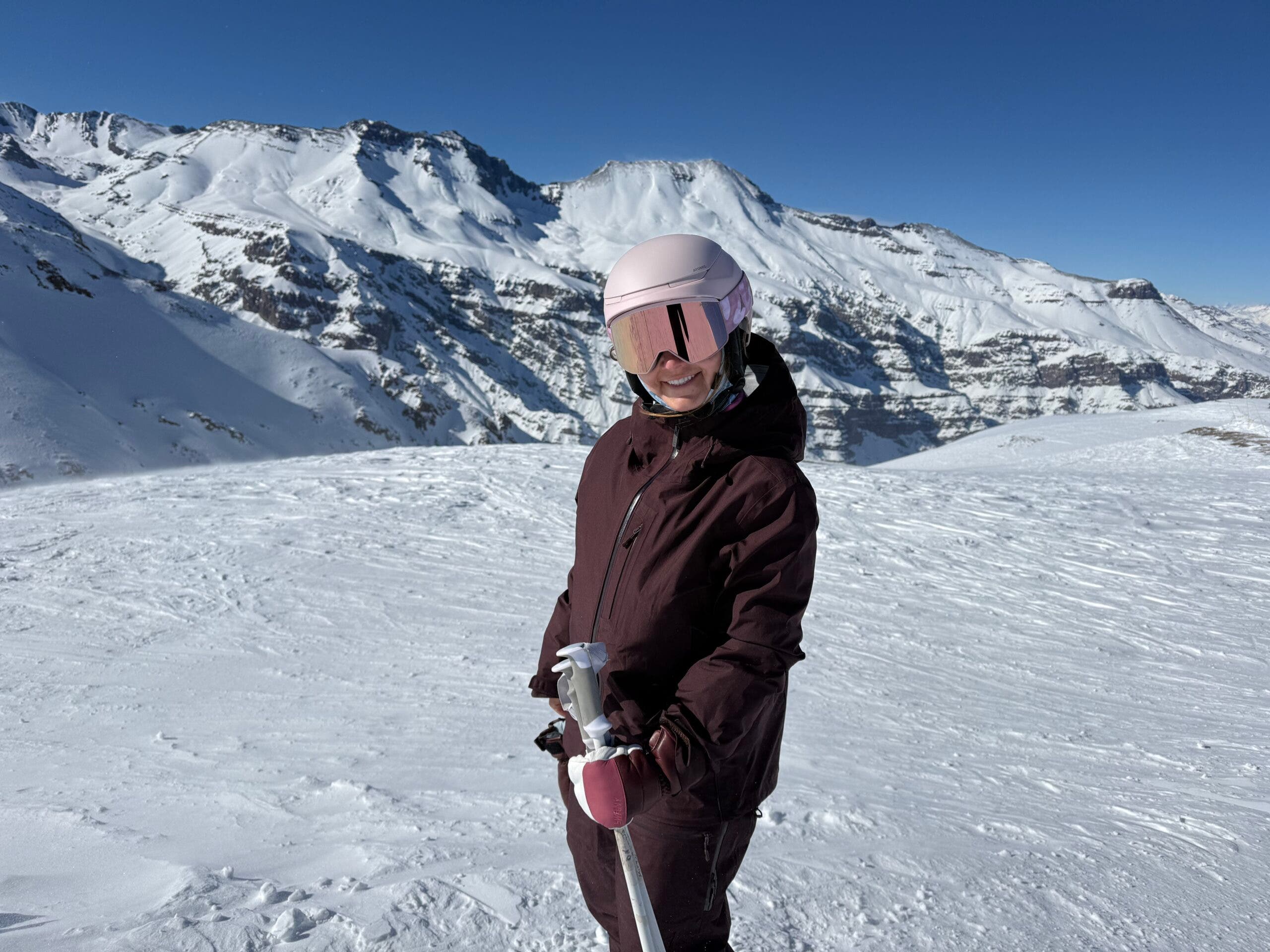
Despite these high-performance metrics, initial field analysis revealed specific areas for refinement. Fit metrics on the Betty pants and bibs presented minor challenges for shorter statures. Evaluators noted that at a height of 5’3", the default inseam required rolling the cuffs during active skiing. While this modification had no adverse impact on thermal or moisture-barrier performance, it highlighted a nuanced operational hurdle for the brand: reconciling a single-inseam launch strategy with a corporate ethos explicitly centered on accommodating diverse female anatomies. Halfdays co-founder Ariana Ferwerda addressed these consumer feedback points, confirming that the brand intends to introduce short and tall inseam options for future Gore-Tex iterations.
Ergonomic Design: Merging Technical Rigor with Female Anatomy
The core differentiator of the Halfdays Gore-Tex collection lies in its anatomical architecture. While the tactile sensation and technical rigidity of the Betty shell closely mirror established unisex and men’s-oriented shells from legacy brands like Arc’teryx or The North Face, the internal layout reflects a deeply considered approach to women’s ergonomics.
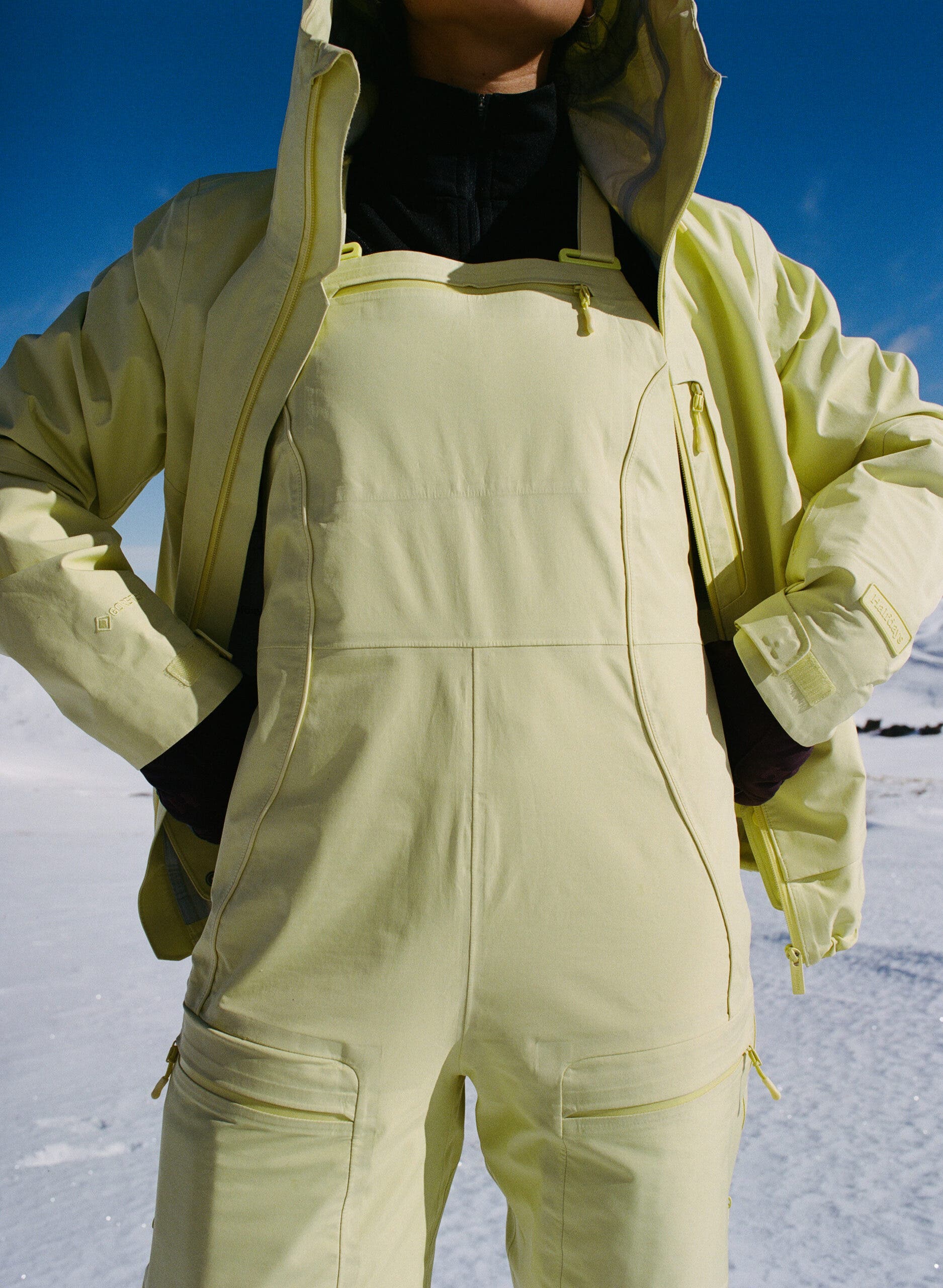
Historically, women purchasing technical outerwear have had to compromise on storage layouts, pocket depths, and harness compatibility optimized for male frames. The Betty kit addresses these deficiencies by thoughtfully positioning exterior and interior pockets to distribute weight evenly across a woman’s torso without creating excessive bulk. Wearers can securely stow smartphones, ski passes, lip balm, sunglasses, and beanies while maintaining full range of motion. Additional functional details—such as an integrated phone leash anchored inside the chest pocket and a dedicated goggle wipe—underscore a design philosophy that prioritizes practical utility on the mountain.
Furthermore, the aesthetic presentation of the Betty collection introduces vibrant color palettes that break the monotony of traditional alpine gear. According to company leadership, the Betty kit simultaneously serves as Halfdays’ calculated entry point into the freeride market, offering a more tailored, athletic silhouette compared to the looser, baggier fits traditionally dominating the backcountry sector.
Broader Market Implications and Industry Impact
The introduction of the Halfdays Gore-Tex line carries significant implications for the broader snowsports apparel industry. For decades, technical outerwear standards have been dictated by legacy houses whose product pipelines were overwhelmingly male-centric in both origin and execution.
By securing a partnership with Gore-Tex, Halfdays has validated the commercial viability and technical necessity of women-led design houses in the high-performance sector. The collaboration signals to multinational suppliers that consumer demand among female athletes has matured past aesthetic-only variations, shifting decisively toward uncompromised technical specifications paired with specialized ergonomic fits.
As the winter season progresses, independent gear analysts and consumer safety organizations will continue to monitor the Betty collection through deep winter storms, sub-zero temperatures, and extended seasonal wear. However, based on initial laboratory data from Elkton, Maryland, and rigorous alpine testing in South America, the collaboration has already cleared the baseline performance hurdles required of elite technical gear. Halfdays has successfully scaled into serious technical outerwear without abandoning the foundational identity that propelled the brand to cult status among female skiers.

