
Published on May 12, 2026, at 12:32 PM, the ski industry is abuzz with the impending release of Tecnica’s latest innovation, the Zero G Decoy ski boot, poised to redefine expectations for hybrid backcountry performance. Scheduled to hit retail shelves in Fall 2026, the Decoy emerges as a crucial contender in a rapidly evolving market, addressing a persistent dilemma faced by backcountry enthusiasts: the trade-off between efficient uphill travel and uncompromising downhill control. This groundbreaking boot, rigorously tested in the demanding terrain of Cooke City, Montana, promises to bridge the gap between lightweight touring models and burly freeride boots, offering a compelling solution for skiers who refuse to compromise on either ascent or descent.
The Evolving Landscape of Backcountry Skiing and the Quest for the Ideal Boot
Backcountry skiing has witnessed an unprecedented surge in popularity over the past decade, fueled by advancements in gear technology, a growing desire for solitude in nature, and the allure of untracked powder. However, this growth has also highlighted a fundamental tension in equipment design. Early backcountry gear often prioritized weight savings for the arduous climb, frequently at the expense of downhill performance. Skiers, accustomed to the precision and power of alpine setups, found themselves making cautious, less aggressive turns on lightweight, often flimsy touring boots and skis, particularly in challenging, variable snow conditions. This inherent compromise often led to a disconnect between the aspirational vision of backcountry skiing—arcing powerful turns down pristine bowls—and the reality of navigating inconsistent snowpacks with gear that felt less than confidence-inspiring.
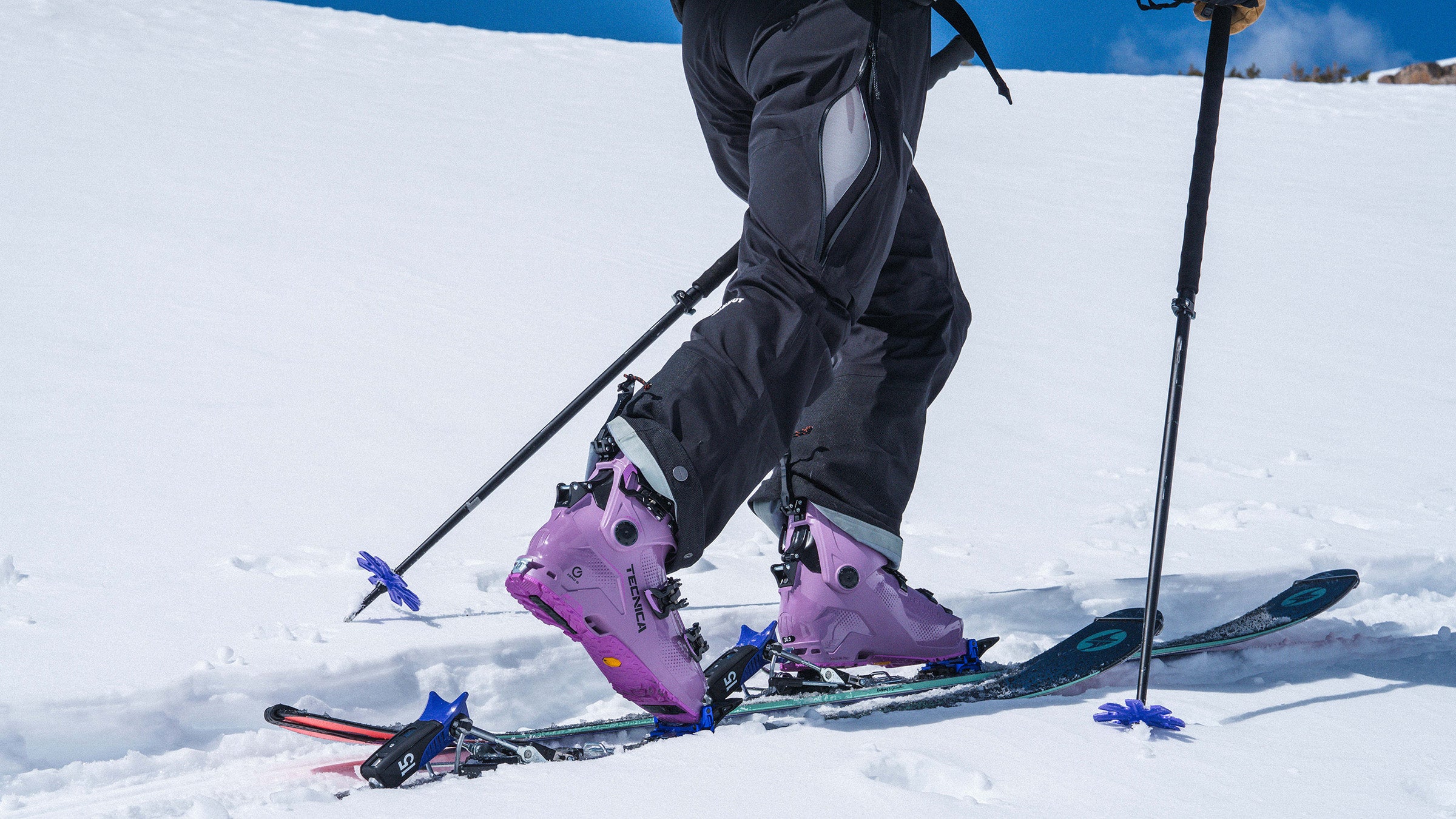
Many seasoned skiers, having invested in ultralight setups, often discovered that the pursuit of minimal weight led to a diminished skiing experience. The promise of "guaranteed powder" often gave way to the reality of harvesting creamy spring corn or navigating challenging refrozen crud, where lightweight boots with soft flex patterns and cable-style buckles struggled to provide the necessary leverage and stability. This dissatisfaction paved the way for a burgeoning demand for boots that could genuinely deliver on both fronts: efficient enough for substantial tours, yet robust enough to inspire aggressive, dynamic skiing akin to an inbounds experience. Tecnica, a brand long synonymous with performance and innovation in ski boots, recognized this critical market need, leading to the conception of the Zero G Decoy.
Tecnica’s Strategic Innovation: The Zero G Decoy Overview
The Tecnica Zero G Decoy represents a deliberate strategic move by the Italian boot manufacturer, designed to slot precisely between two of its highly successful existing models: the ultralight, touring-focused Zero G Tour and the freeride-oriented Cochise. The design brief for the Decoy was ambitious yet clear: to ski demonstrably better than the Zero G Tour while offering superior walkability compared to the Cochise. This "split the difference" philosophy aims to capture a significant segment of the backcountry market—skiers who are willing to accept a moderate weight penalty on the uphill for a vastly improved, confidence-inspiring downhill experience.
Set to launch for the 2027 season, the Zero G Decoy Pro GW (and its women’s counterpart, the Decoy 115 W GW) comes with a price tag of $1,200. With a weight of 1,650 grams per boot (for the Pro model), a formidable 130 flex rating, and a 99 mm medium volume last, it positions itself as a robust hybrid. Its construction features a polyurethane (PU) shell, four traditional buckles for precise fit and power transfer, integrated tech inserts for pin binding compatibility, and a Vibram GripWalk sole, ensuring universal compatibility with modern alpine and touring bindings. This combination of features is engineered to deliver exceptional downhill performance, maintain composure in variable snow, and provide a comfortable, anatomically sculpted fit right out of the box, addressing common pain points of existing hybrid designs.
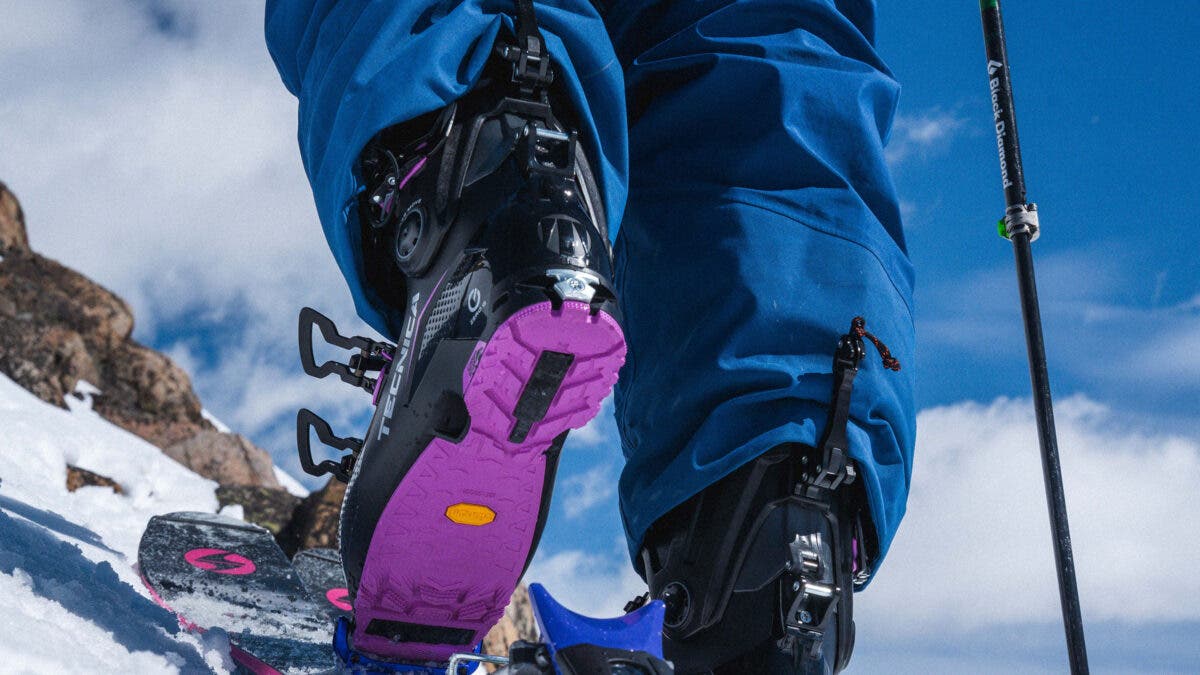
Technical Specifications at a Glance: 2027 Tecnica Zero G Decoy Pro GW
- Price: $1,200 (Available Fall 2026)
- Weight: 1,650 g (per boot)
- Flex: 130
- Volume: MV (Medium Volume, 99 mm last)
- Binding Compatibility: Tech, GripWalk
- Key Advantages: Unparalleled downhill performance, exceptional stability in challenging snow, comfortable anatomical fit, robust polyurethane shell with Power Frame construction.
- Considerations: Heavier than dedicated touring boots, higher price point.
Differentiating the Decoy: A Hybrid Beyond Compromise
To understand the significance of the Zero G Decoy, it’s crucial to contextualize it within Tecnica’s existing lineup. The Zero G Tour, weighing in at a mere 1,285 grams, excels in uphill efficiency, making it a favorite for long-distance tours and competitive skimo. However, its softer Grilamid shell and cable-style cuff buckles can limit its power transfer and stability, particularly when driving larger skis or encountering highly variable snow. The downhill experience, while adequate for its weight class, often feels like a compromise for aggressive skiers.
Conversely, the Cochise, at 1,885 grams, leans heavily towards freeride performance, offering a stiff polyurethane shell and traditional buckles that deliver a powerful, alpine-like descent. Its walk mode, while present, is more constrained, turning longer tours into a significant physical challenge. The Cochise prioritizes downhill prowess, making it less appealing for extensive backcountry ascents.
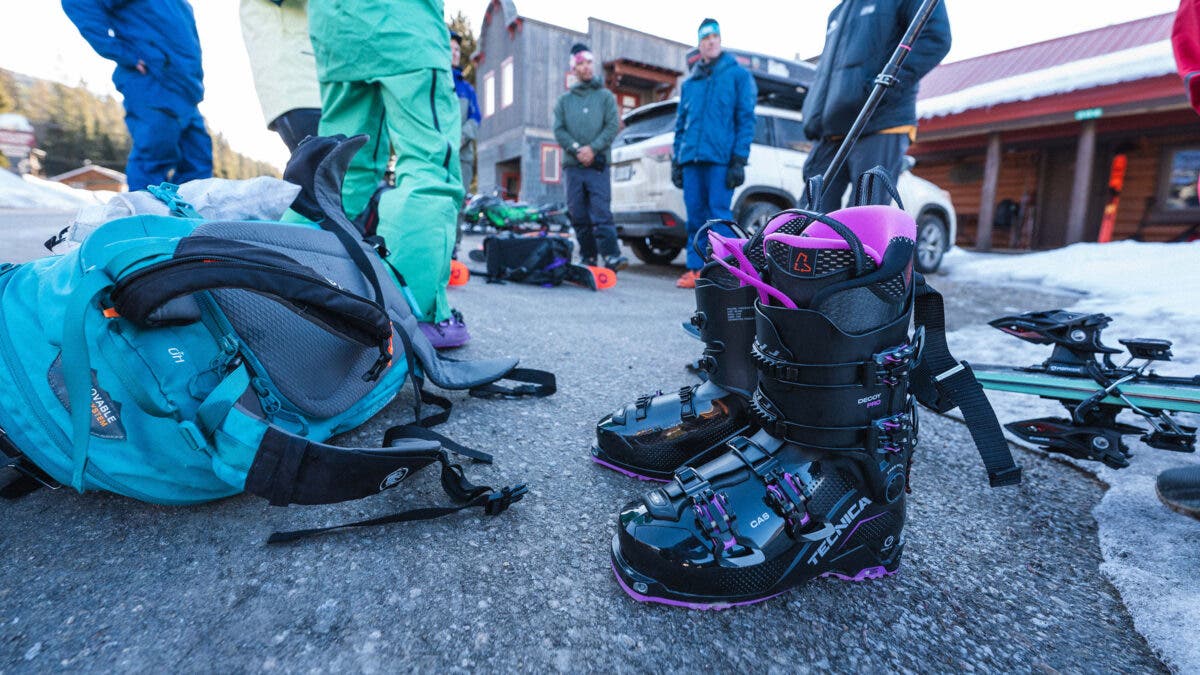
The Zero G Decoy aims to thread this needle with remarkable precision. At 1,650 grams, it strikes a balance, offering a substantial weight reduction from the Cochise while significantly stiffening up from the Zero G Tour. Its polyurethane shell, a denser and more responsive material than Grilamid, combined with Tecnica’s proprietary Power Frame construction, provides the progressive flex and torsional rigidity necessary for aggressive skiing. Unlike many "hybrid" boots that often feel like a diluted version of both touring and alpine designs, the Decoy appears to have genuinely engineered a cohesive experience that elevates both aspects beyond mere compromise. The four traditional buckles further ensure a secure, customizable fit and superior power transfer, distinguishing it from touring boots that rely on simpler, lighter closure systems.
Rigorous Testing in the Backcountry Meccas: Cooke City, Montana
To validate the Decoy’s ambitious claims, Tecnica orchestrated an intensive testing expedition in early April 2026, choosing Cooke City, Montana, as its proving ground. Nestled at an elevation of 8,127 feet against the formidable Beartooth Mountains—renowned as one of the snowiest ranges in the Lower 48—Cooke City offers an unparalleled variety of snowmobile-accessed backcountry terrain. This unique environment, characterized by expansive bowls, steep couloirs, and a dynamic snowpack, provided the ideal crucible for evaluating a boot designed for versatility.
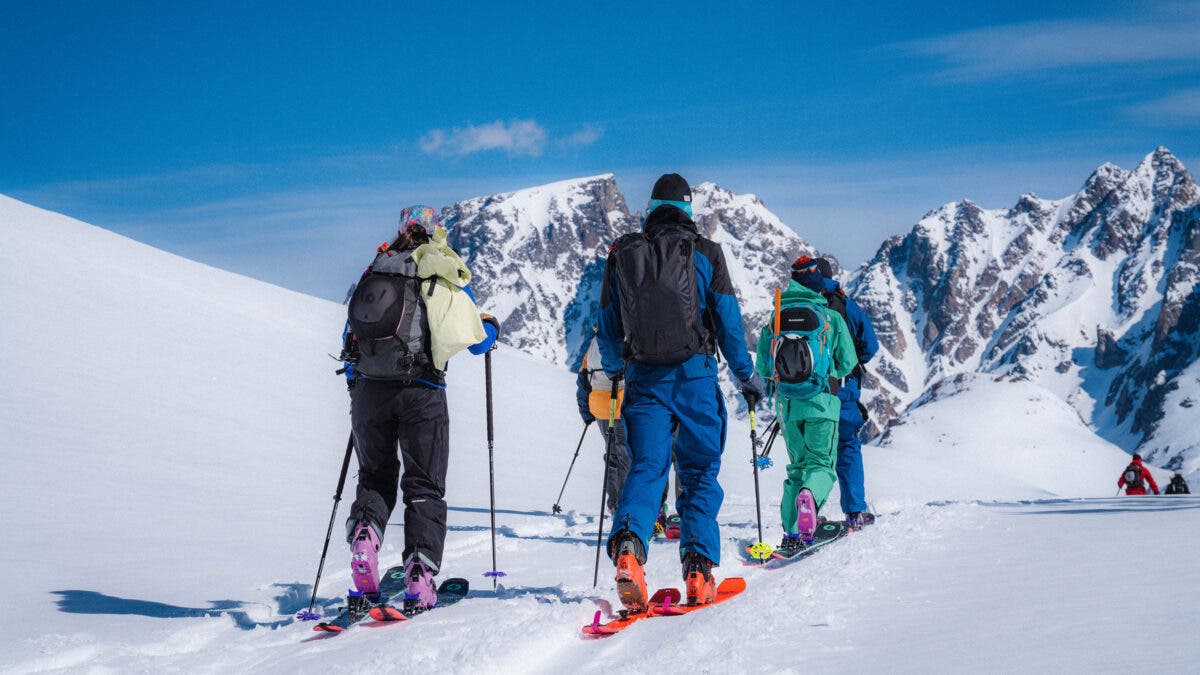
The testing team included not only seasoned product reviewers but also a cadre of Blizzard Tecnica’s elite athletes: Connery Lundin, Piper Kunst, and Tim McChesney. These professional big-mountain skiers, known for their aggressive styles and demanding gear requirements, represent the very demographic the Decoy is built to serve. Over three days, the team embarked on a grueling regimen of sled-accessed lines, extensive skinning, and challenging bootpacks, covering a cumulative 14 miles and ascending 12,000 feet. This comprehensive evaluation pushed the Decoy to its limits, simulating the full spectrum of conditions a backcountry skier might encounter. The setup for this rigorous test was notably robust: the Zero G Decoy boots were paired with the Blizzard Canvas 108 ski and the CAST Freetour 2.0 Pivot 15 bindings, resulting in a burly system weighing approximately 4,400 grams per ski (including boot and binding). This substantial weight was a deliberate choice to assess how a performance-first touring setup could transform the backcountry experience.
Downhill Performance: Unveiling Alpine-Grade Control
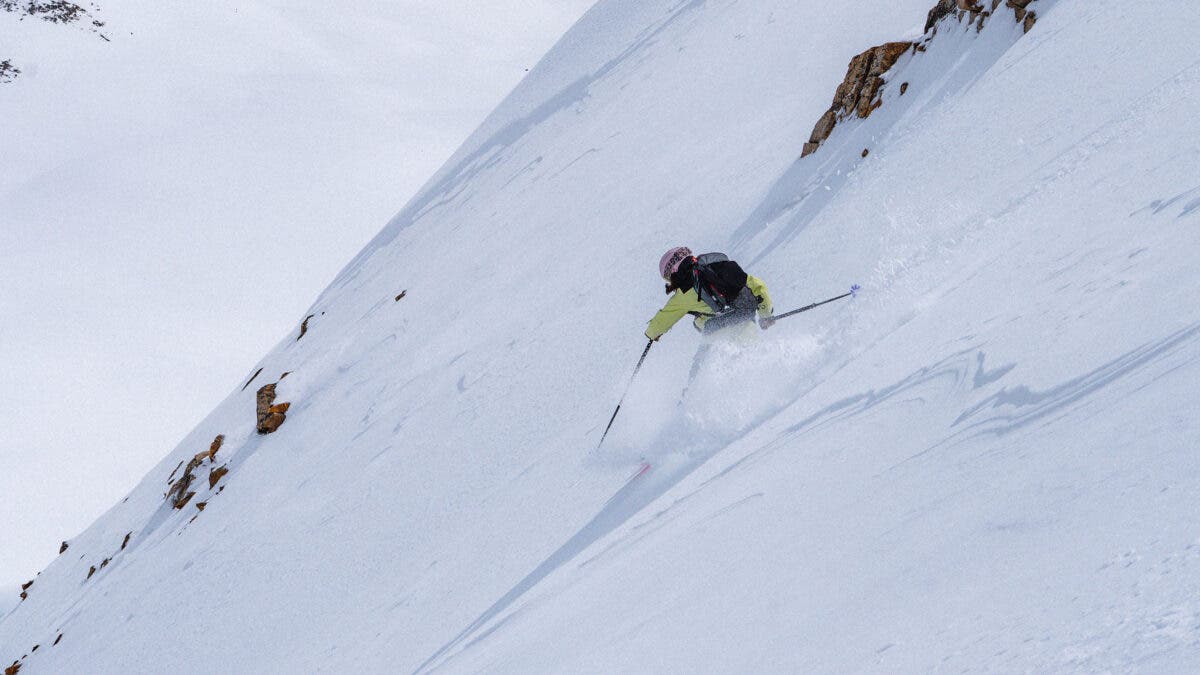
The variable conditions encountered during the Cooke City testing period proved to be an invaluable asset in assessing the Decoy’s downhill prowess. A recent heatwave had pushed temperatures into the upper 60s, even at elevations above 8,000 feet, creating a rapidly changing snowpack. The terrain served up everything from creamy corn and cold, north-facing winter powder to sun-baked aprons littered with avalanche debris and snowmobile tracks. These inconsistent conditions, which typically force skiers in lighter touring gear to adopt a cautious, defensive stance, highlighted the Decoy’s exceptional stability and predictability.
Reviewers consistently noted that the Decoy allowed for a level of aggressive skiing previously reserved for dedicated alpine setups. The boot’s progressive flex, directly attributable to its polyurethane shell and the reinforced Power Frame construction, enabled skiers to drive the Blizzard Canvas 108 skis with authority. This responsiveness was particularly evident when making rapid stance adjustments or powering through challenging snow. Unlike lighter touring boots that tend to fold or deflect when encountering heavy, inconsistent snow (often referred to as "mank"), the Decoy remained steadfast, providing unwavering support and direct feedback. This eliminated the need for skiers to adapt their technique to the limitations of their boots, instead allowing them to ski naturally and powerfully.
Connery Lundin, a prominent big-mountain skier known for his high-speed, aggressive style, reportedly praised the Decoy’s ability to maintain a consistent feel across varied snow surfaces. "It truly feels like an extension of your leg, not just a means to get downhill," Lundin was quoted as saying, highlighting the boot’s seamless integration with powerful skiing. The consensus among testers was clear: the Decoy not only met its design brief of skiing better than the Zero G Tour but, remarkably, surpassed the downhill performance of the Cochise, establishing a new benchmark for hybrid backcountry boots.
Uphill Efficiency: A Testament to Thoughtful Engineering
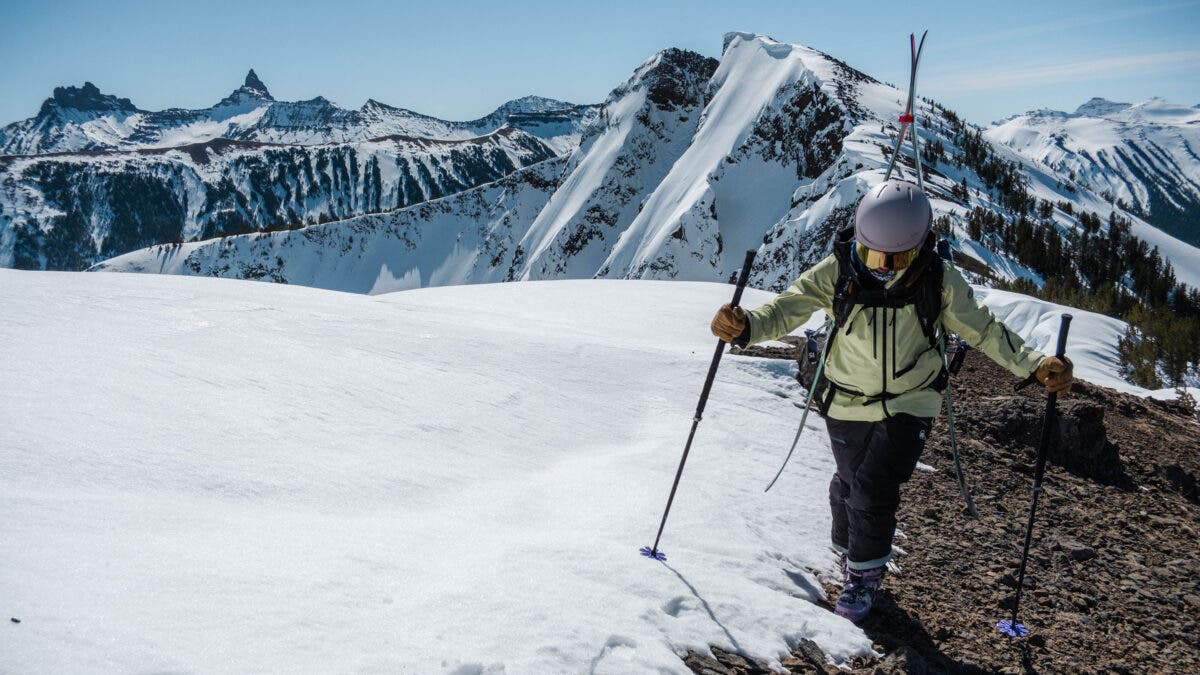
While the Decoy’s downhill capabilities garnered significant acclaim, its uphill performance was equally critical to its hybrid identity. The Cooke City test included a seven-mile, 3,000-vertical-foot ascent of "The Fin," a prominent peak directly overlooking the town. This substantial tour provided a comprehensive evaluation of the boot’s walk mode and comfort over extended periods. Despite its robust construction and four buckles, the Decoy demonstrated a surprising capacity for longer ascents, challenging the marketing perception that it was designed only for "short tours."
A significant factor contributing to its uphill comfort was the boot’s out-of-the-box fit. Built on the same 99 mm medium-volume last as the Cochise, the Decoy featured an optimized internal shape. The denser polyurethane shell, coupled with Tecnica’s plush, anatomically sculpted liner, effectively reduced internal dead space around the instep and heel, areas where low-volume feet often struggle in larger shells. Even with the buckles unlatched in walk mode, testers reported a remarkable level of foot security, minimizing friction and hot spots during long ascents.
The Decoy utilizes Tecnica’s T-Hike mechanism, a sophisticated walk mode system that connects the cuff and shell at two distinct points, delivering an impressive 65 degrees of range of motion. This figure is substantial for a four-buckle PU boot and, on paper, matches the claimed ROM of the lighter Zero G Tour Pro. However, the inherent stiffness of the Decoy’s PU shell and its thicker liner required a slightly more deliberate effort on the skin track compared to the more pliable Grilamid construction of the Zero G Tour Pro. While this means it isn’t as effortless on the uphill as a featherlight touring boot, it is remarkably efficient for its weight class.
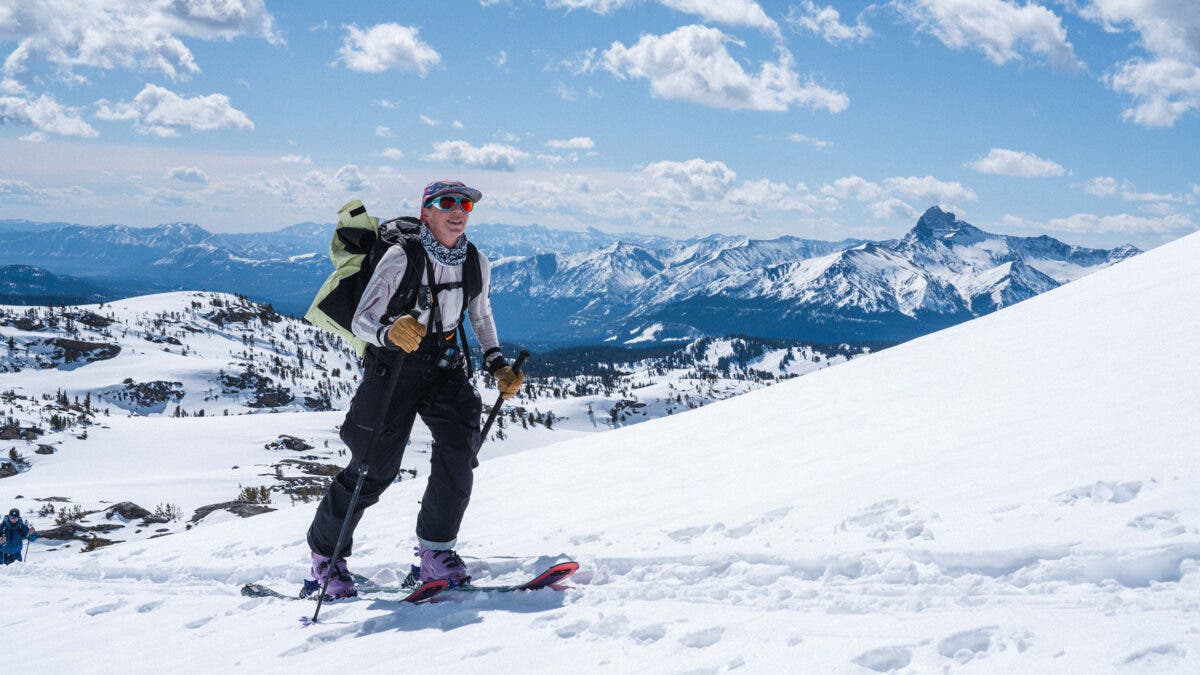
Piper Kunst, known for her rigorous approach to ski mountaineering, noted that "the Decoy allows you to maintain a strong, natural stride. While it’s not a skimo race boot, for a boot that skis this hard, its touring capability is genuinely impressive. It handles significant vertical without becoming a burden." The consensus was that while the Decoy might not be the most forgiving boot for those with significant fitness gaps, for a technically efficient and reasonably fit skier, it will not impede progress on substantial tours. The Vibram GripWalk sole proved invaluable on mixed snow and rocky bootpacks, providing secure traction where traditional alpine soles would falter.
Implications and the Future of Backcountry Gear Philosophy
The Tecnica Zero G Decoy signifies a pivotal moment in backcountry ski boot design. It challenges the long-held dogma that "lighter is always better" in the backcountry, instead advocating for a more balanced, performance-driven approach. The success of the Decoy suggests a growing segment of the backcountry community is prioritizing the quality of the descent, even if it means accepting a slightly heavier setup for the climb. This shift reflects a maturing market where skiers are seeking a true "skiing" experience in the backcountry, not just an efficient means of accessing terrain.
The Decoy’s introduction is likely to influence other manufacturers, spurring further innovation in the hybrid boot category. Its blend of a powerful PU shell, extensive walk mode, and comfortable fit sets a new standard for what a single boot can achieve across diverse backcountry demands. While dedicated skimo racers will likely stick to ultra-light boots, and resort-only freeriders to pure alpine models, the Decoy carves out a compelling niche for the vast majority of backcountry skiers who seek genuine versatility and uncompromising performance.
The experience of testing the Decoy, particularly the realization that a heavier, more confidence-inspiring setup transformed the reviewer’s enjoyment of backcountry skiing, highlights a broader philosophical evolution. It’s a move away from purely quantitative metrics (grams saved) towards qualitative ones (quality of the turn, confidence in variable conditions). The Decoy enables skiers to bring their aggressive, alpine-trained skiing style to the backcountry, liberating them from the compromises of previous generations of touring gear.
As the 2027 Tecnica Zero G Decoy Pro GW and Decoy 115 W GW prepare to hit shop shelves in Fall 2026, they are poised to become the go-to choice for a new breed of backcountry skier—one who demands an unparalleled skiing experience, recognizing that the payoff on the descent is worth the effort on the ascent. The Decoy is not just a new boot; it’s a declaration that in the backcountry, the skiing truly comes first.

