
The landscape of professional long-distance cross-country skiing is undergoing a significant geographic expansion as Ski Classics officially confirms its entry into the Spanish market. Through a newly finalized agreement, Radiotelevisión Española (RTVE), the Spanish national public broadcaster, has secured the exclusive television rights to the Ski Classics World Championship for the upcoming season XVIII. This development marks the first time that the world’s premier long-distance ski circuit will be broadcast domestically in Spain with professional Spanish-language commentary, signaling a strategic effort to cultivate a new base of winter sports enthusiasts in Southern Europe.
The broadcast package, which will be delivered via the linear television channel Teledeporte and the digital platform RTVE Play, covers the prestigious "Grand Classics" events of the season. By integrating these races into the RTVE programming schedule, the organizers are positioning the sport—traditionally dominated by Nordic and Central European markets—as an international product with broad cross-border appeal.
The Strategic Significance of the Spanish Market
For the organizers of Ski Classics, the expansion into Spain is a calculated maneuver to broaden the sport’s demographic reach. While Spain is primarily recognized for its Mediterranean climate, the country possesses a robust and growing winter sports culture, particularly within the Pyrenees and Sierra Nevada mountain ranges.
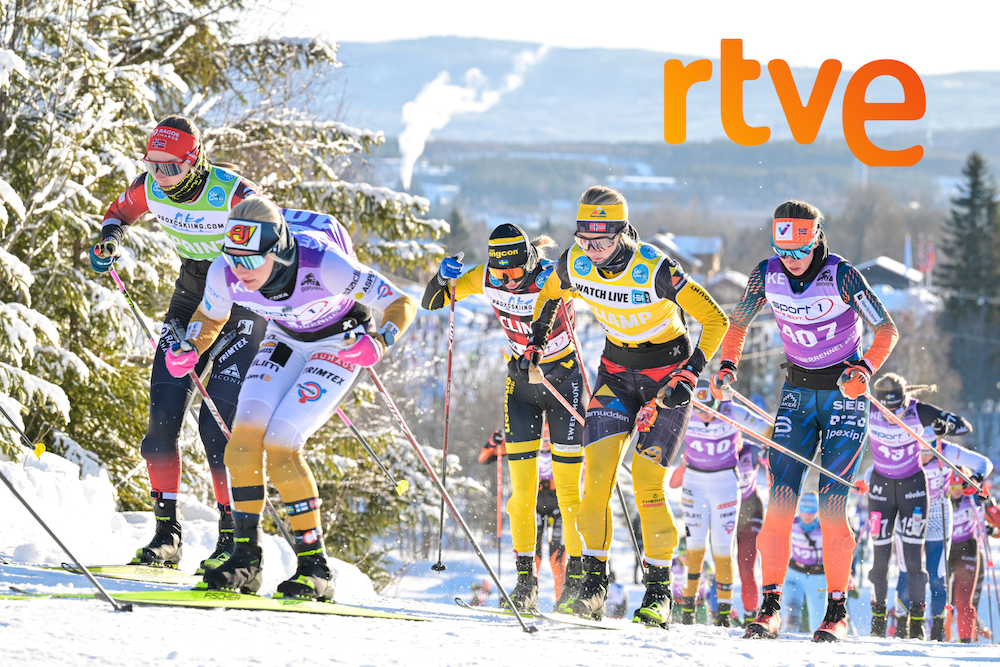
Industry analysts suggest that this partnership is not merely about increasing viewership numbers but is a long-term play to foster participation. By providing high-quality, localized coverage, RTVE acts as a gateway for Spanish endurance athletes, who often excel in cycling and trail running, to discover the rigors and tactical complexity of professional long-distance cross-country skiing. The exposure is expected to drive interest in recreational participation, potentially encouraging more Spanish amateurs to travel to international events and join the growing global "Ski Classics community."
David Nilsson, CEO of Ski Classics, underscored the strategic nature of the deal during the announcement. "Spain represents a vital new frontier for our organization," Nilsson stated. "Collaborating with a premier public broadcaster like RTVE allows us to bring the intensity of the Ski Classics World Championship to a sophisticated audience that appreciates endurance sports. We are optimistic that this exposure will not only inspire viewers but also serve as a catalyst for future Spanish representation on the starting line."
Chronology of the Season XVIII Coverage
The upcoming season represents the eighteenth iteration of the Ski Classics circuit, a series that has evolved from a small collection of races into a professional, highly regulated international tour. The broadcast schedule on RTVE will begin with the season’s opening prologue in Bad Gastein, Austria, setting the stage for a calendar that demands peak physical conditioning and tactical brilliance from the athletes.
The coverage will prioritize the Grand Classics, which are the marquee events of the season. These races—historically defined by their length, difficulty, and prestige—are the primary focus of the partnership. While the initial agreement centers on a specific selection of five key events, the contract includes provisions for potential expansion. As the season progresses, RTVE reserves the right to incorporate additional races from the calendar into their broadcast schedule, depending on audience reception and the narrative trajectory of the championship race for the Yellow, Green, and Pink bibs.

The Evolution of Ski Classics: A Historical Context
To understand the weight of the move into Spain, one must consider the historical trajectory of Ski Classics. Founded to revitalize long-distance skiing, the tour has steadily replaced the traditional focus on sprint and short-distance World Cup racing with events that echo the endurance requirements of classic marathon sports.
In its early years, the circuit was primarily a Scandinavian phenomenon. However, the last decade has seen a concerted effort to internationalize. The inclusion of events in Italy, Switzerland, and the Czech Republic provided the infrastructure for the current expansion. Spain is the latest country to recognize the value of this high-octane endurance content, which aligns well with the growing global trend of consuming professional "human-interest" sports that showcase resilience, weather-battling, and team tactics.
The technical requirements for such broadcasts are substantial. Ski Classics utilizes advanced production techniques, including drone footage, on-course micro-cameras, and real-time biometric tracking of the athletes. For a broadcaster like RTVE, which manages high-profile sports rights ranging from the Olympics to the Vuelta a España, integrating the technical feed of Ski Classics into their existing digital and linear infrastructure is a demonstration of their commitment to high-fidelity sports journalism.
Data-Driven Analysis of the Partnership
The financial and logistical framework of this agreement reflects the growing commercial value of long-distance skiing rights. While specific financial terms remain private, the involvement of a public broadcaster indicates a focus on "public value" and market penetration rather than purely commercial advertising revenue.

Key performance indicators for this partnership will likely include:
- Audience Reach: The total number of unique viewers on Teledeporte compared to regional sports programming.
- Digital Engagement: The performance of the content on RTVE Play, which will track how younger, mobile-first audiences interact with the sport.
- Event Participation: Whether there is a measurable uptick in Spanish registrations for recreational "Open" categories in future Ski Classics events.
Statistically, long-distance skiing events have shown resilience in the sports broadcasting market. Unlike traditional stadium sports, the unpredictable nature of alpine weather and the sheer duration of the races (often lasting several hours) create a unique "slow-burn" viewing experience that is highly valued by sports networks seeking to fill weekend time slots with premium, non-stadium content.
Challenges and Future Implications
Entering a new market is not without its challenges. The primary hurdle for RTVE and Ski Classics is the "learning curve" for the Spanish audience. Viewers accustomed to the pacing of cycling or football may find the tactical nuances of double-poling and breakaways in snow-covered terrain unfamiliar. To mitigate this, the inclusion of professional Spanish-language commentary is essential. It allows for the contextualization of the sport—explaining the wax technology, the drafting techniques, and the history of the legendary courses.
Furthermore, the environmental context of the sport is becoming a focal point of international media coverage. As the climate changes, the adaptability of Ski Classics is constantly tested. The organization’s ability to pivot between venues and maintain the integrity of its races is a story in itself, one that RTVE will likely highlight to add depth to the broadcast.
Looking ahead, the success of the Spanish broadcast could trigger a ripple effect. If the ratings meet the broadcaster’s expectations, it could pave the way for other Southern European broadcasters to follow suit. There is also the potential for "event tourism," where Spanish sports fans travel to events in the Alps or Scandinavia, further solidifying the economic ecosystem surrounding the sport.
Conclusion: A New Chapter for International Skiing
The partnership between Ski Classics and RTVE is a significant milestone that validates the sport’s maturation into a global property. By crossing the Pyrenees, Ski Classics is testing its appeal outside its traditional comfort zone and, in doing so, is opening a new chapter for cross-country skiing.
As the season XVIII prepares to kick off in Bad Gastein, the focus will not only be on the athletes pushing their physical limits but also on the television monitors in Spain, where a new audience will be introduced to the grit, speed, and endurance of one of the world’s most demanding sports. For the organizers, the goal is clear: to ensure that the sport is seen, understood, and ultimately celebrated by a nation that has a deep-seated respect for the endurance athlete. Whether this leads to a surge in Spanish talent remains to be seen, but the infrastructure for that possibility has now been firmly established.

