
The ongoing debate surrounding elite athletes who choose to pursue their careers outside the established national team structures has intensified in both Norway and Sweden. This discussion gained significant traction following Jonna Sundling’s decision to withdraw from the Swedish national team earlier this year. Now, Swedish Olympic champion Ebba Andersson has revealed that she has repeatedly contemplated a similar path, admitting to having "thought about it several times, back and forth, and pondered it."
Andersson, a dominant force in cross-country skiing, made these candid remarks in an interview with TV4 Sporten. Her statements come at a time when the traditional model of national team support is being questioned by a growing number of high-profile athletes. Andersson’s own decorated career, marked by an Olympic gold medal and three silvers at the Milano/Cortina 2026 Winter Olympics, along with her status as the undisputed "Queen of the World Championships" in both Trondheim last year and Planica in 2023, places her perspective at the forefront of this evolving landscape.
A Seasoned Athlete Grapples with Independence
At 28 years old, hailing from Sollefteå, Andersson has been an integral part of the Swedish national elite team since the 2017-18 season. However, she has openly confessed to considering a departure from the team on multiple occasions. Thus far, her decision to remain has been guided by the perceived advantages of being part of the national setup. "There is a security in the team I have been a part of," Andersson explained. "But at the same time, I have also been curious about what it would be like to go all-in for my own setup."
This curiosity stems from a broader trend in endurance sports where athletes are increasingly exploring alternative training and support systems. The allure of greater autonomy, tailored training regimens, and potentially more lucrative sponsorship opportunities outside the confines of national federations has become a significant consideration for many.
The Economic Equation: National Team vs. Private Ventures
The financial implications of national team membership versus independent ventures are a critical component of this discussion. Athletes on the Swedish elite national team currently receive an annual training grant of 200,000 Swedish Kronor (approximately $19,000 USD), with prize money being an additional source of income. However, top-tier athletes often have the potential to earn significantly more by operating independently. One of the primary drivers for this is the increased freedom in securing personal sponsorships.
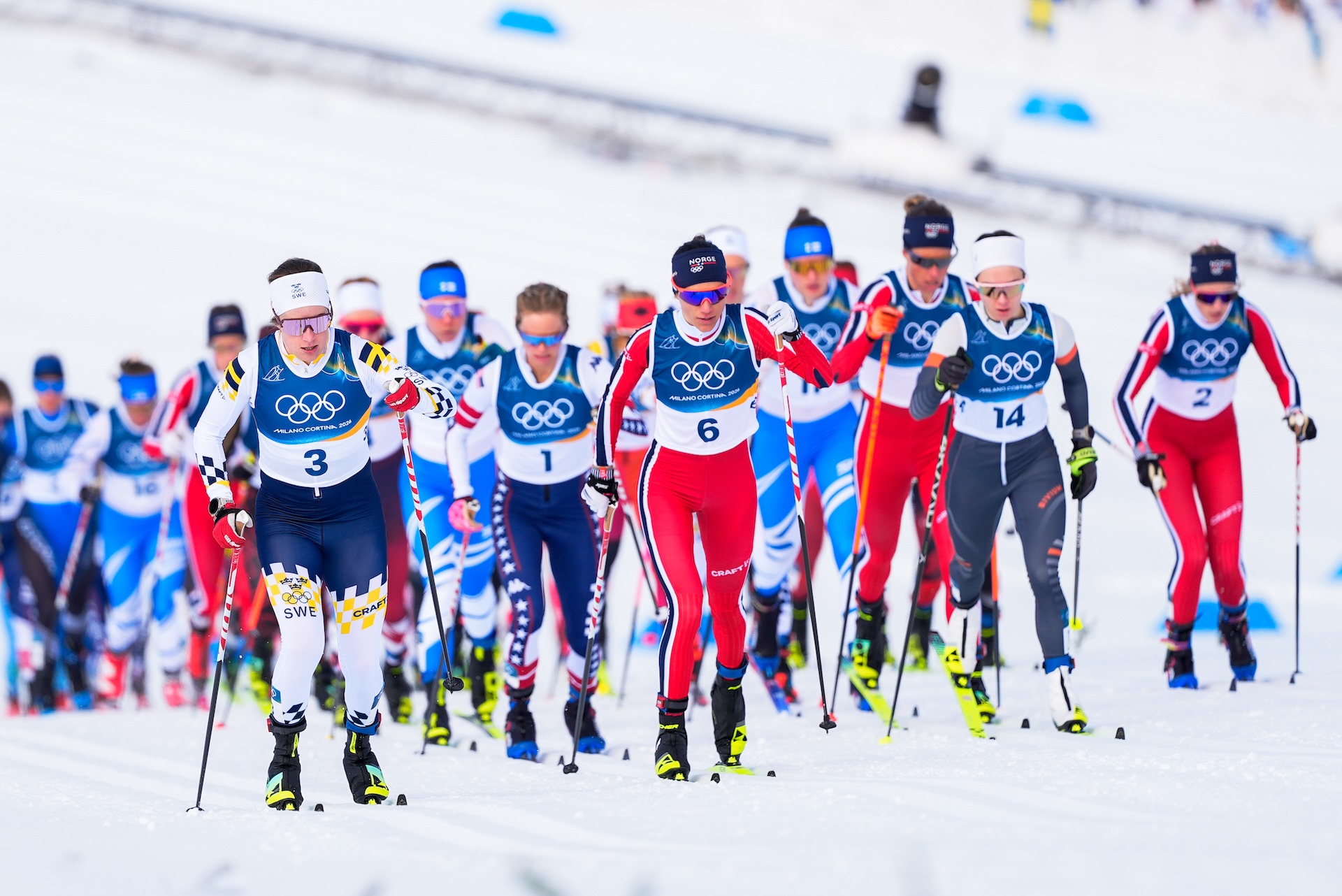
Despite this potential financial upside, Andersson maintains that economic considerations have not been the primary factor in her decision-making process. "I can’t answer that," she stated when questioned about potential financial gains from a private setup. "My assessment is that there are many other advantages to being on the national team than just financial support." This suggests that for Andersson, the benefits extend beyond monetary compensation, likely encompassing access to specialized coaching, medical support, and performance analysis provided by the national federation.
The trend of athletes seeking independent careers is not unique to Sweden. In cross-country skiing, and indeed in many Olympic sports, there is a growing recognition that a one-size-fits-all approach to athlete development may not be optimal for every individual. The emergence of professional teams, often backed by private sponsors and operating with greater flexibility than national federations, offers a compelling alternative. These teams can provide a more personalized environment, allowing athletes to fine-tune their training schedules, nutrition plans, and even competition calendars to their specific needs and goals.
A History of Strategic Independence within the System
Andersson’s contemplation of leaving the national team is not an isolated incident. Her career trajectory reveals a pattern of strategically carving out her own path, even while remaining within the national team structure. In the lead-up to the recent Olympic Games, Andersson notably opted to forgo some national team training camps, instead prioritizing the training program of the professional cross-country ski team she joined last spring. In the weeks leading up to the Olympics, she further emphasized her personalized approach by training at home with her parents, meticulously preparing for the pinnacle event.
This pattern of independent preparation predates the recent Olympics. Andersson employed similar strategies in her build-up to the World Championships in Trondheim and Planica. Following her dominant Olympic performance, where she secured gold in the 50km classic race, she again made a decision that generated discussion: she withdrew from the World Cup event in Lahti, choosing instead to compete in a 50km individual start race in the Ski Classics series. This choice, while celebrated by some for its strategic intent, also drew criticism and commentary, highlighting the ongoing tension between national team priorities and athlete-driven decisions.
Seeking Synergies: Bridging the Divide Between Federations and Professional Teams
Despite her recurring thoughts about independence, Andersson remains committed to the national team for now. However, she is vocal about her desire for increased collaboration between the national skiing federation and the professional cross-country ski circuits. Andersson is currently contracted with Team Engcon, a prominent professional team, and has achieved remarkable success in Ski Classics events, securing five victories in six starts.
For Andersson, the motivation behind exploring alternative avenues, such as Ski Classics, lies in her pursuit of fresh challenges and the potential to extend her career longevity. "I believe it is important to find alternative paths," she told SVT Sport. "If one finds ways to motivate oneself so that one can continue for a longer time, then it is advantageous." This perspective underscores the evolving nature of elite athletic careers, where sustained performance and personal fulfillment are increasingly linked to innovative approaches to training and competition.
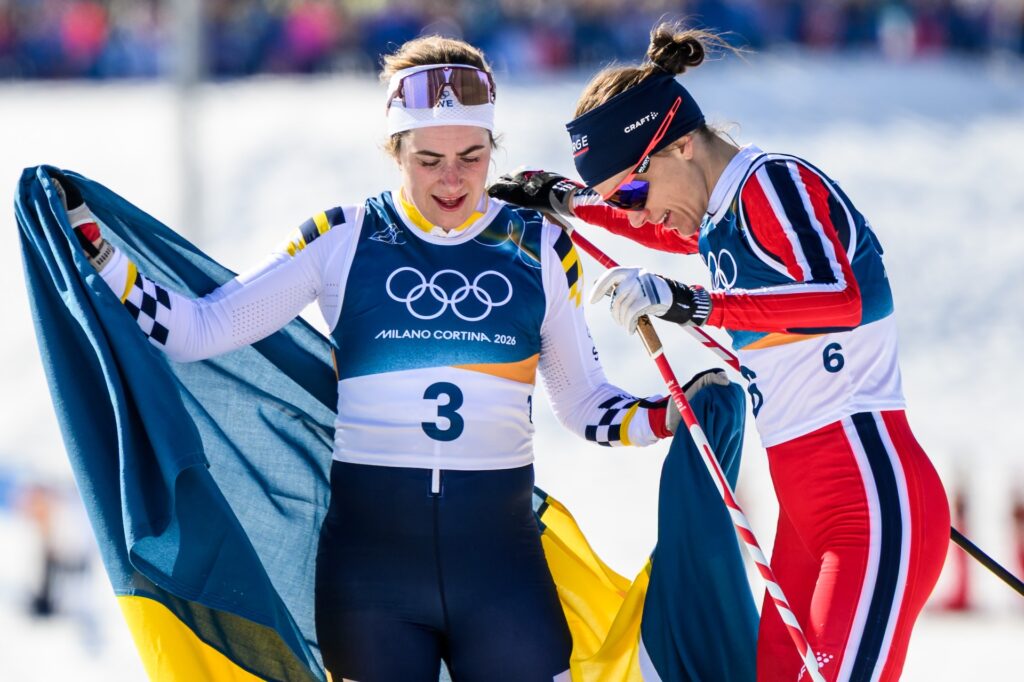
Andersson expresses frustration with what she perceives as a divisive atmosphere within the sport, often characterized by a "us versus them" mentality between national teams and the broader cross-country skiing community, including circuits like Ski Classics. "If one can see more advantages instead of viewing each other as a threat, I believe one can achieve positive development for the sport of skiing," she asserted. This call for greater cooperation suggests a belief that a more integrated approach, where national federations and professional teams work in concert, could ultimately benefit the sport as a whole, fostering greater innovation, athlete engagement, and broader public interest.
The Broader Implications for Cross-Country Skiing
The debate ignited by athletes like Jonna Sundling and Ebba Andersson has significant implications for the future of cross-country skiing. It raises fundamental questions about the role and structure of national federations in the modern era of professionalized sports. As athletes gain more agency and access to diverse support networks, the traditional model of centralized national team structures may need to adapt.
The success of professional teams like Team Engcon demonstrates the viability of alternative pathways. These teams offer a compelling blend of elite-level training, sponsorship opportunities, and a more flexible competitive schedule that can appeal to athletes seeking to balance their careers with personal well-being and long-term development.
Furthermore, Andersson’s emphasis on finding alternative ways to stay motivated and extend career longevity is a critical point. The physical and mental demands of elite cross-country skiing are immense. By allowing athletes to explore different competitive formats and training environments, federations could potentially retain their top talent for longer periods, leading to a more consistently competitive international field and a richer narrative for the sport.
The current dynamic, where national teams and professional circuits are sometimes perceived as being in opposition, could hinder the sport’s growth. A more collaborative approach could lead to shared resources, innovative training methodologies, and a unified front in promoting cross-country skiing to a wider audience. This could involve joint marketing initiatives, shared access to expertise, and a mutual understanding of the diverse needs of elite athletes.
As Ebba Andersson continues to navigate her career, her insights offer a valuable perspective on the evolving landscape of elite sports. Her willingness to openly discuss her doubts and aspirations highlights a growing trend among athletes to seek personalized paths to success, even while acknowledging the foundational support that national teams can provide. The future of cross-country skiing may well depend on its ability to foster an environment where both national pride and individual athlete autonomy can coexist and thrive, ultimately propelling the sport to new heights. The ongoing dialogue, fueled by the voices of champions like Andersson, is crucial in shaping this future.

