
The intersection of high-altitude optics and winter sports technology has reached a critical juncture for the 2027 ski season, driven by rigorous field evaluations across North America and Europe. Clear vision remains an indispensable component of mountain safety and performance, yet historically, consumers have struggled with the persistent trade-offs between fog prevention, peripheral distortion, and the cumbersome mechanics of changing lenses in sub-zero temperatures. To address these challenges, product testing panels spent the entirety of the previous winter season evaluating 29 newly released ski goggles across demanding terrain ranging from the steep couloirs of Jackson Hole, Wyoming, to the glades of Crystal Mountain, Washington, and the high-alpine traverses of the European Alps.
Main Facts and Testing Methodology
The comprehensive evaluation process was designed to simulate the harshest environments skiers encounter. Field testers comprised professional ski guides, certified ski patrollers, elite freeride athletes, and dedicated backcountry tourers operating in regions notorious for volatile weather patterns, including Teton Valley, Idaho, and Mammoth Lakes, California. These experts subjected each model to extreme operational parameters, analyzing optical clarity under brilliant bluebird sun, low-light storm conditions, and wet, heavy precipitation.
Evaluation metrics centered on five core pillars: optical resolution, anti-fog ventilation performance, structural durability, helmet integration, and the mechanical reliability of lens-interchange systems. Rather than relying on controlled laboratory settings, the testing team utilized real-world applications, including strenuous uphill skinning, high-speed resort descents, and multi-day backcountry hut trips. The resulting data allowed editorial teams to categorize the market into definitive performance tiers, identifying standout products that successfully mitigate historical pain points such as frame pinching, icing, and unwanted lens displacement.
Chronology of Goggle Evolution and Market Context
The evolution of snow sports optics over the past decade has transitioned from basic polycarbonate shields to sophisticated, computer-designed optical systems. Early developments focused primarily on UV protection and basic tinted plastics, which frequently suffered from moisture accumulation and restricted peripheral zones. By the mid-2010s, the introduction of double-lens thermal barriers and anti-fog chemical coatings significantly reduced interior condensation.
The subsequent technological wave, which culminated in the 2027 gear cycle, was defined by the mass adoption of rare-earth magnetic lens retention systems, photochromic lens technology that automatically adjusts tint density based on ambient ultraviolet radiation, and advanced toric lens geometries. Toric lenses, which curve both horizontally and vertically, represent a synthesis of spherical and cylindrical designs, effectively eliminating peripheral distortion while maintaining a low-profile aesthetic. As manufacturing tolerances tightened and consumer demand for seamless integration with modern ski helmets grew, brands began engineering goggles and helmets as unified ecosystems, largely eliminating the dreaded "goggle gap" that previously allowed cold air to infiltrate the forehead region.
Supporting Data and Top-Tier Model Analysis
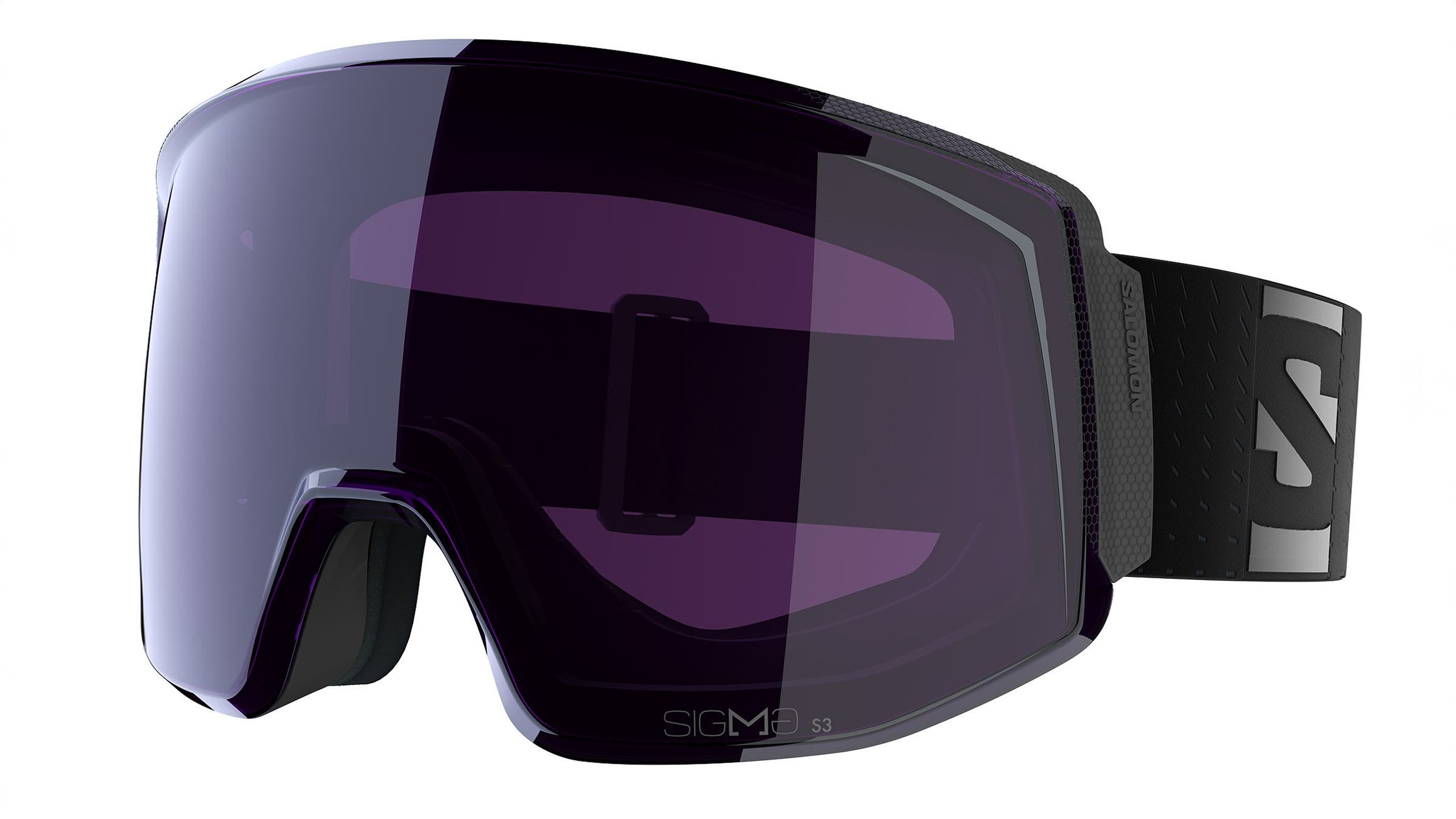
The 2027 lineup highlights significant advancements across distinct consumer price points and functional categories. Leading the market as the overall top performer is the Salomon Skarn Prime, retailing near the $300 threshold. Featuring 3D Sigma toric lenses, the Skarn Prime demonstrated superior peripheral visibility and optical fidelity, though testers noted its large chassis may prove oversized for skiers with more petite facial structures.
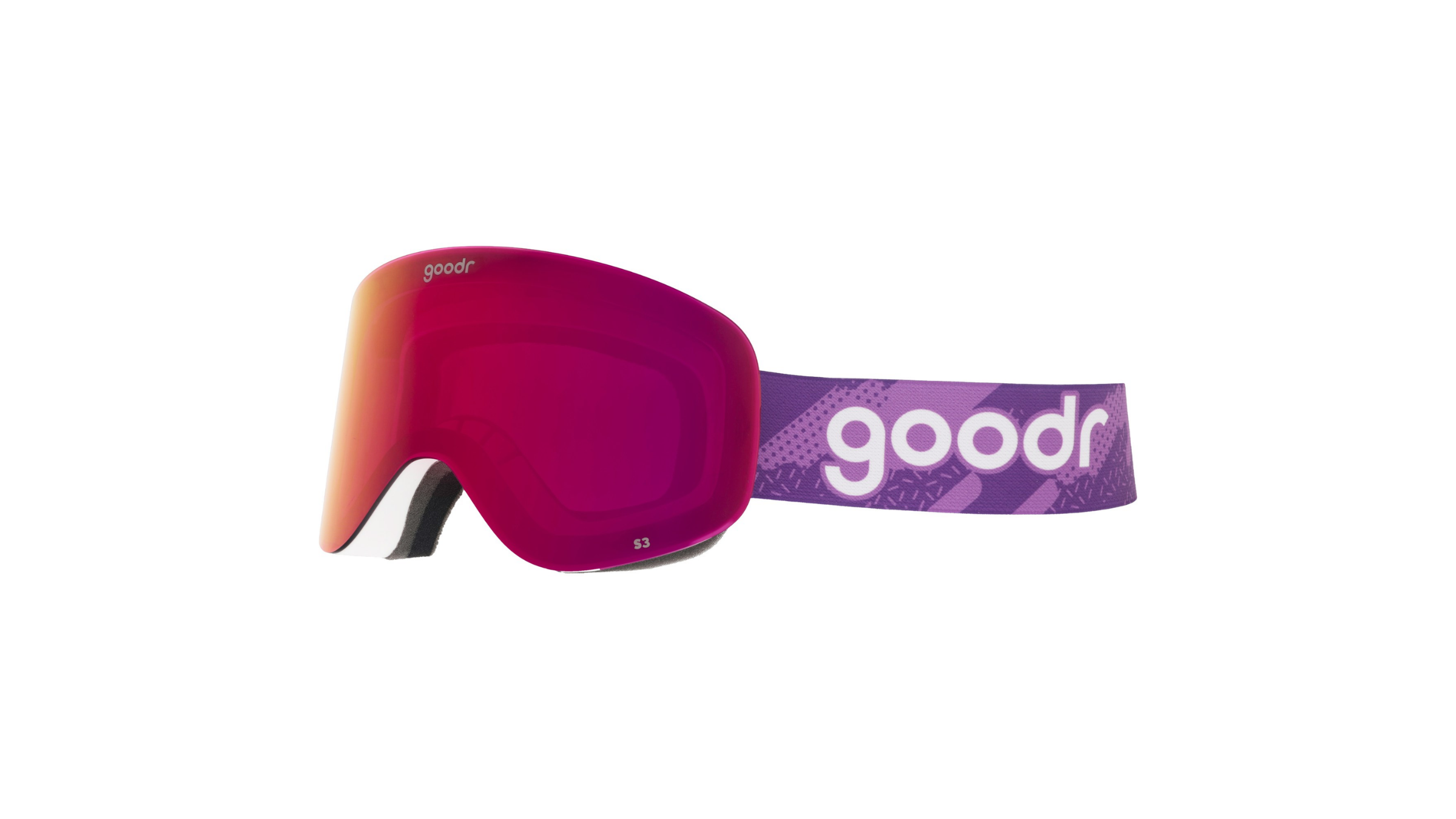
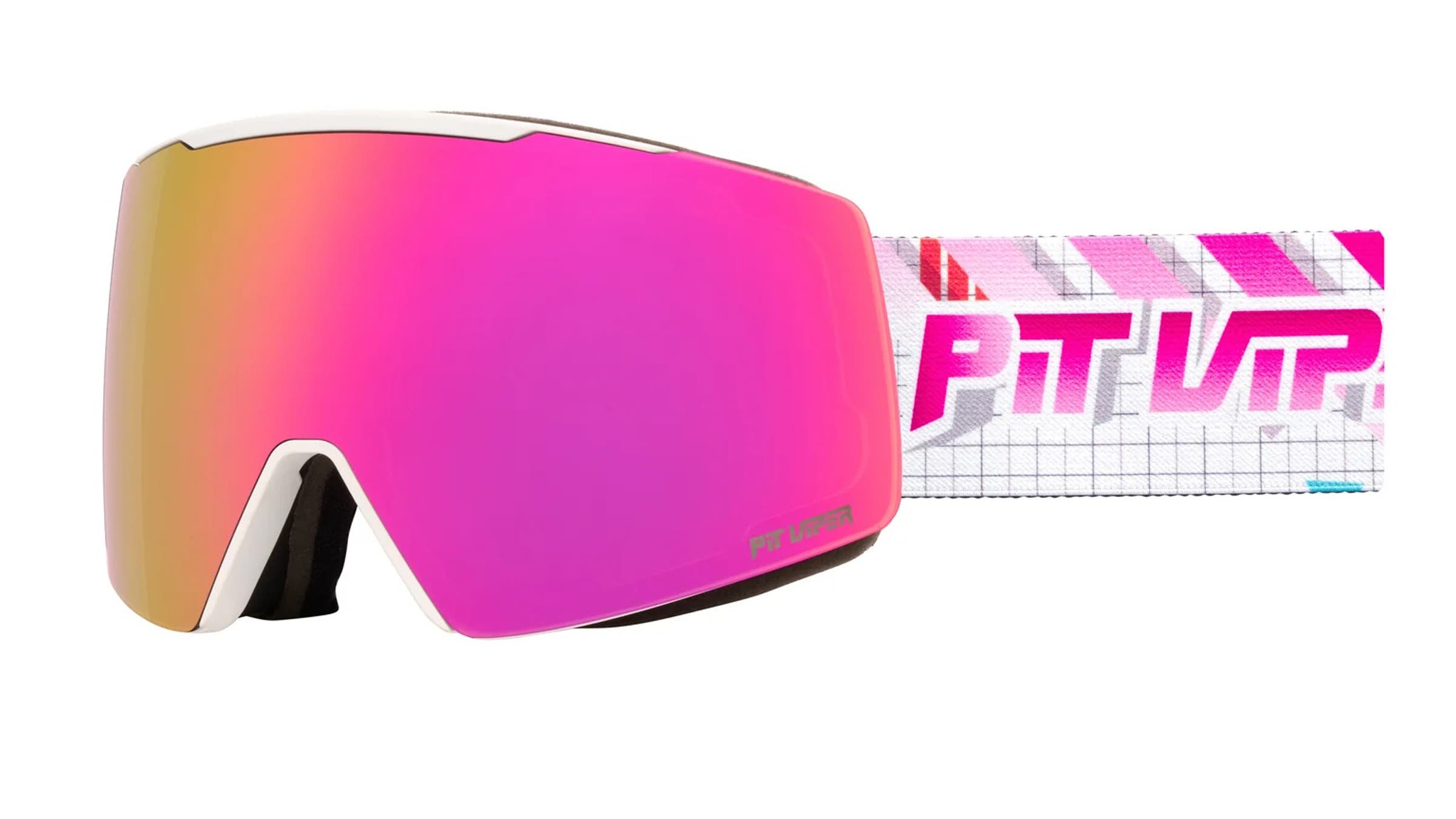
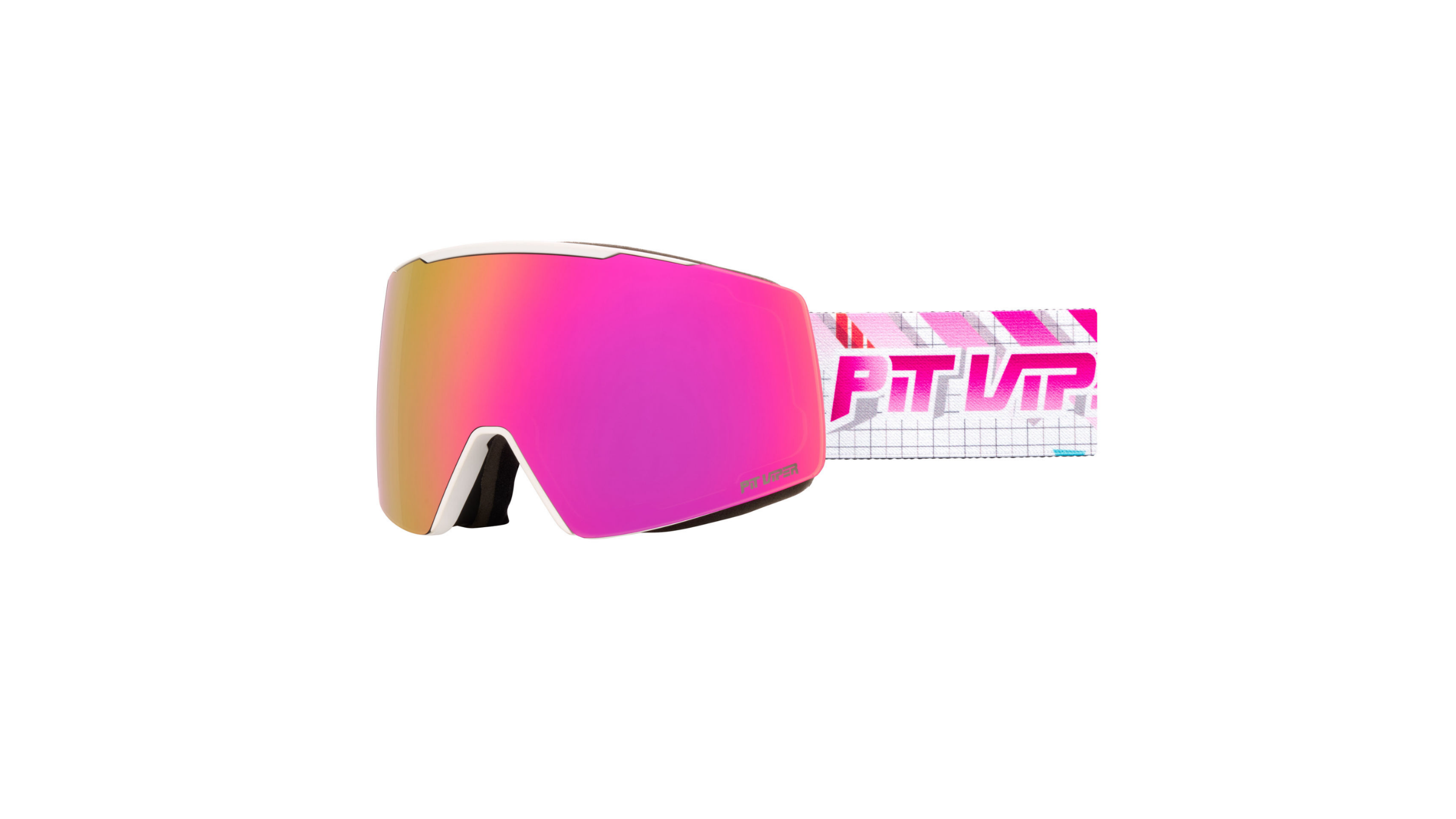
For budget-conscious consumers, emerging market disruptors have successfully democratized high-end features. The Goodr Peak G Snow Goggles challenge traditional pricing models by incorporating magnetic lens-swap functionality and vibrant colorways at a fraction of the cost of legacy brands. However, testers observed a distinct engineering trade-off: while the magnetic seals facilitate rapid lens changes on chairlifts, heavy tugging during helmet adjustments can occasionally cause the lens to disengage unintentionally.
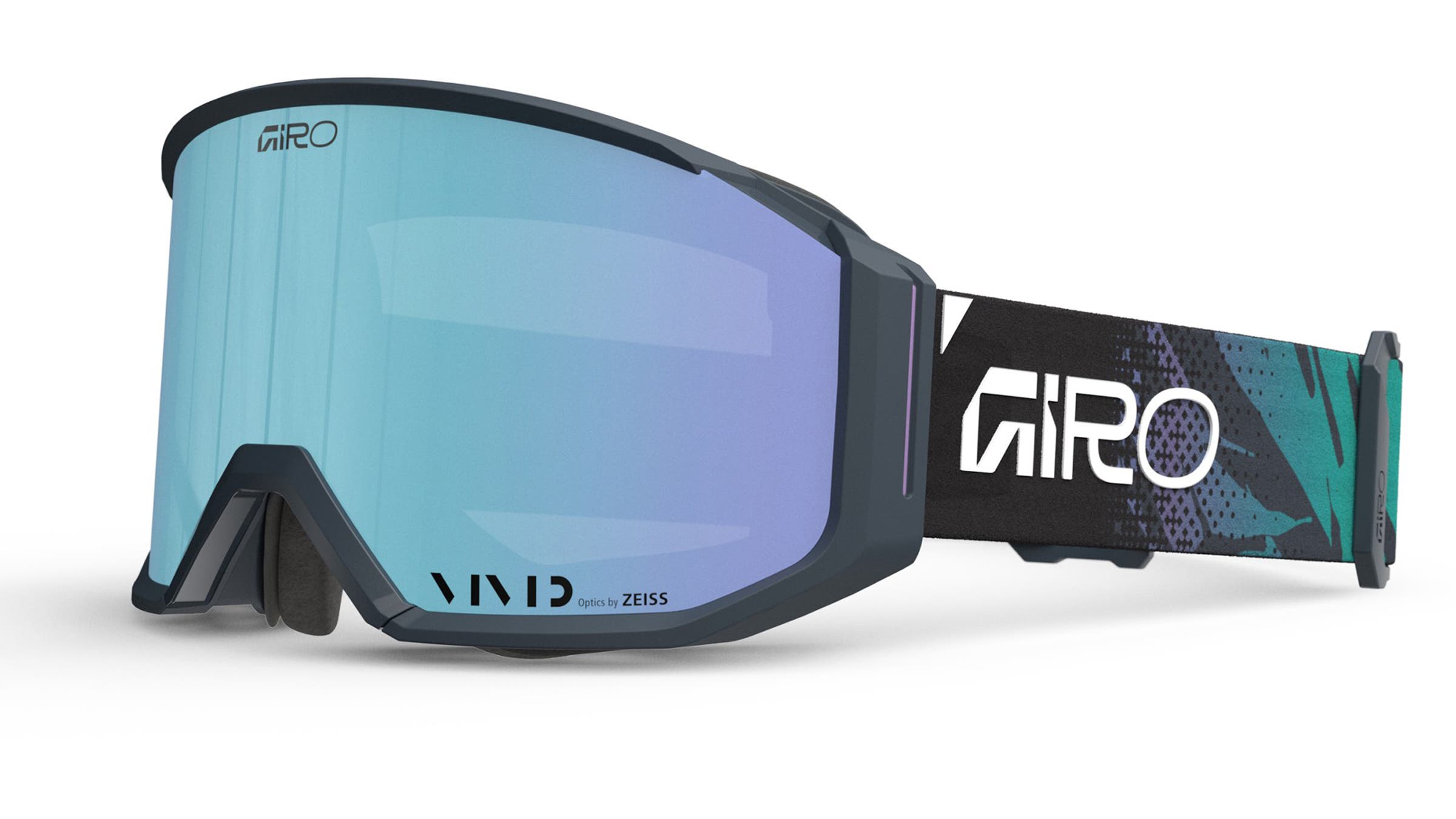
Comfort and ergonomic endurance emerged as critical differentiators for all-day resort skiers. The Giro Revolt Pro, developed in collaboration with professional freeride and park athletes such as Maggie Voisin and Cole Richardson, earned top marks for comfort. Utilizing a triple-layer face foam backed by a plush fleece lining, the Revolt Pro balances breathability with robust wind-blocking capabilities, though its magnetic system requires gloveless operation for seamless lens swaps.
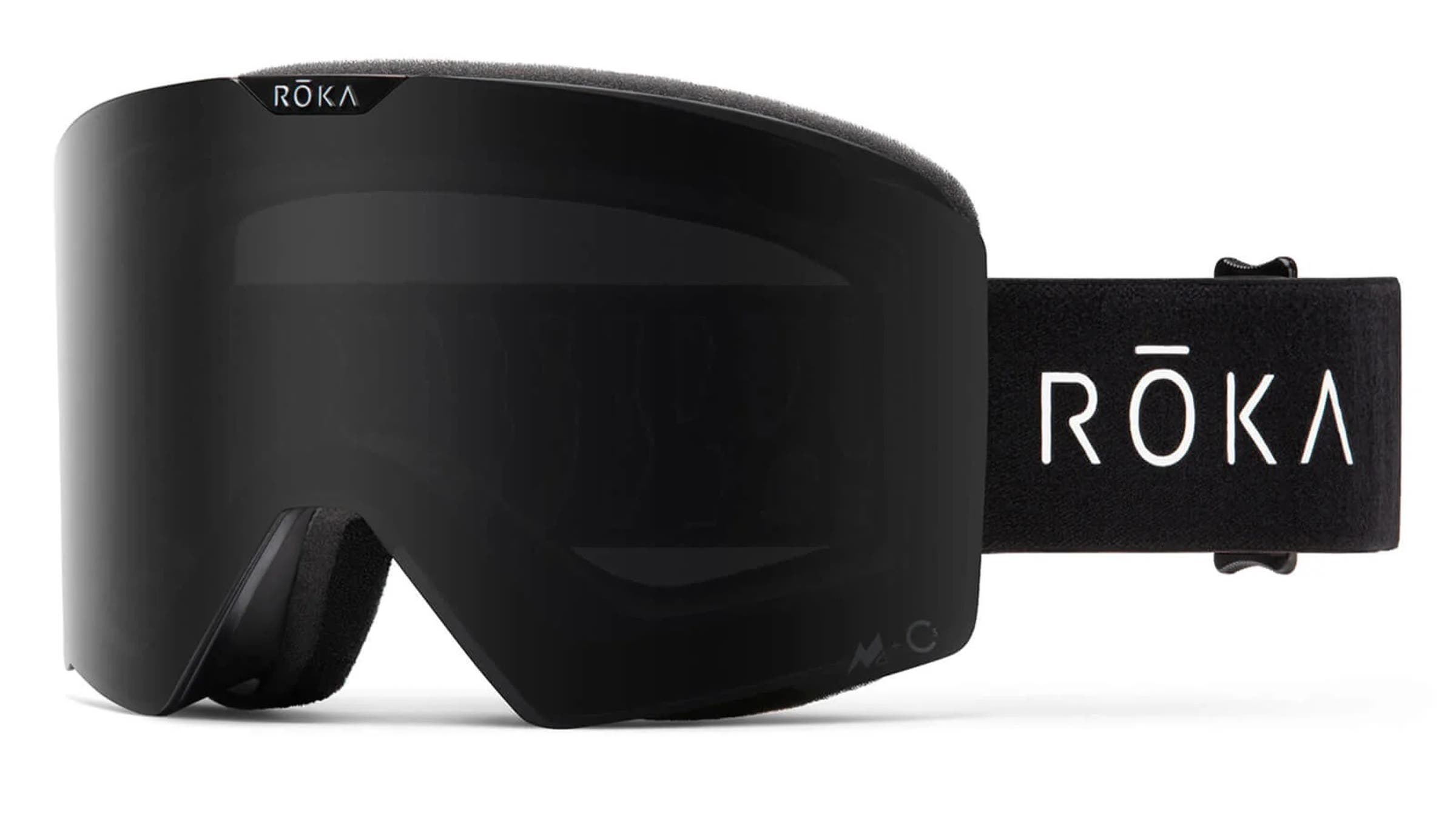
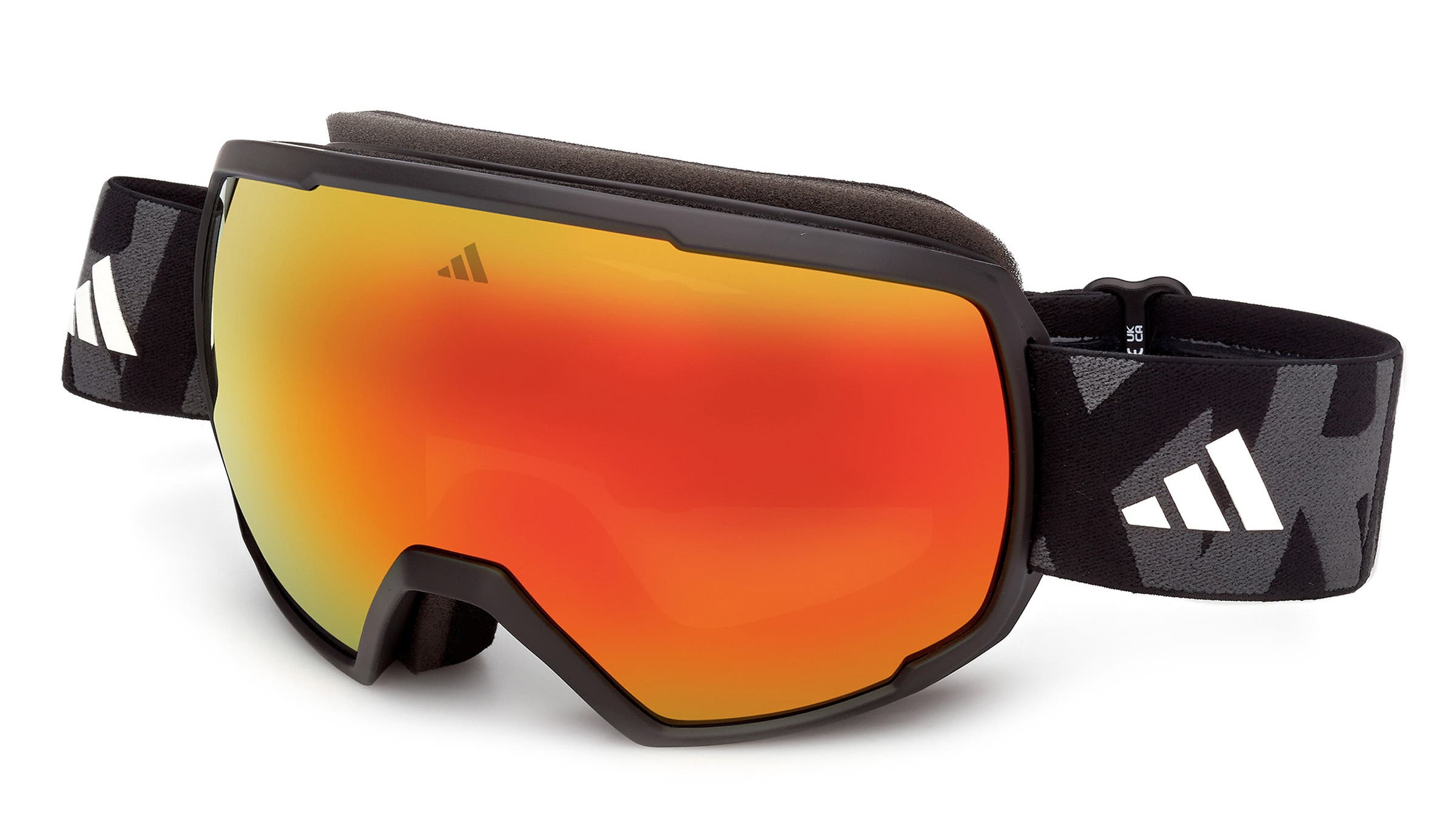
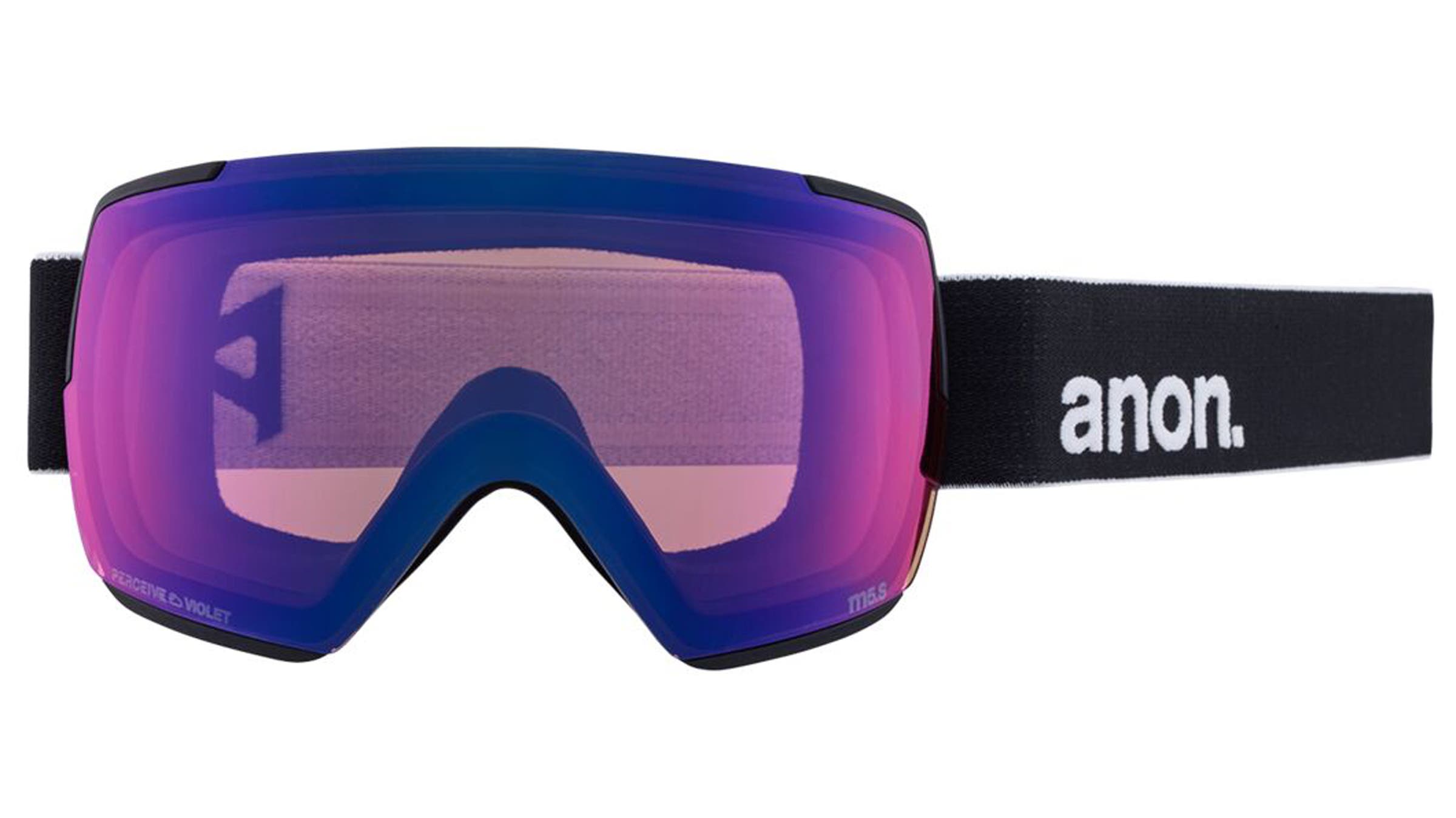
In the specialized category of peripheral vision enhancement, the Adidas SP0120 delivered an expansive field of view through a streamlined cylindrical construction. Similarly, the Anon M5S addressed the demand for structural security by employing a heavy-duty magnetic and mechanical locking interface, paired with optional integrated magnetic face-mask compatibility for extreme cold-weather protection. For skiers requiring accommodations for wider facial dimensions, the ROKA Niseko combines an oversized chassis with the MagStorm magnetic system, ensuring pressure-free coverage during dynamic alpine descents.
Official Industry Responses and Design Innovations
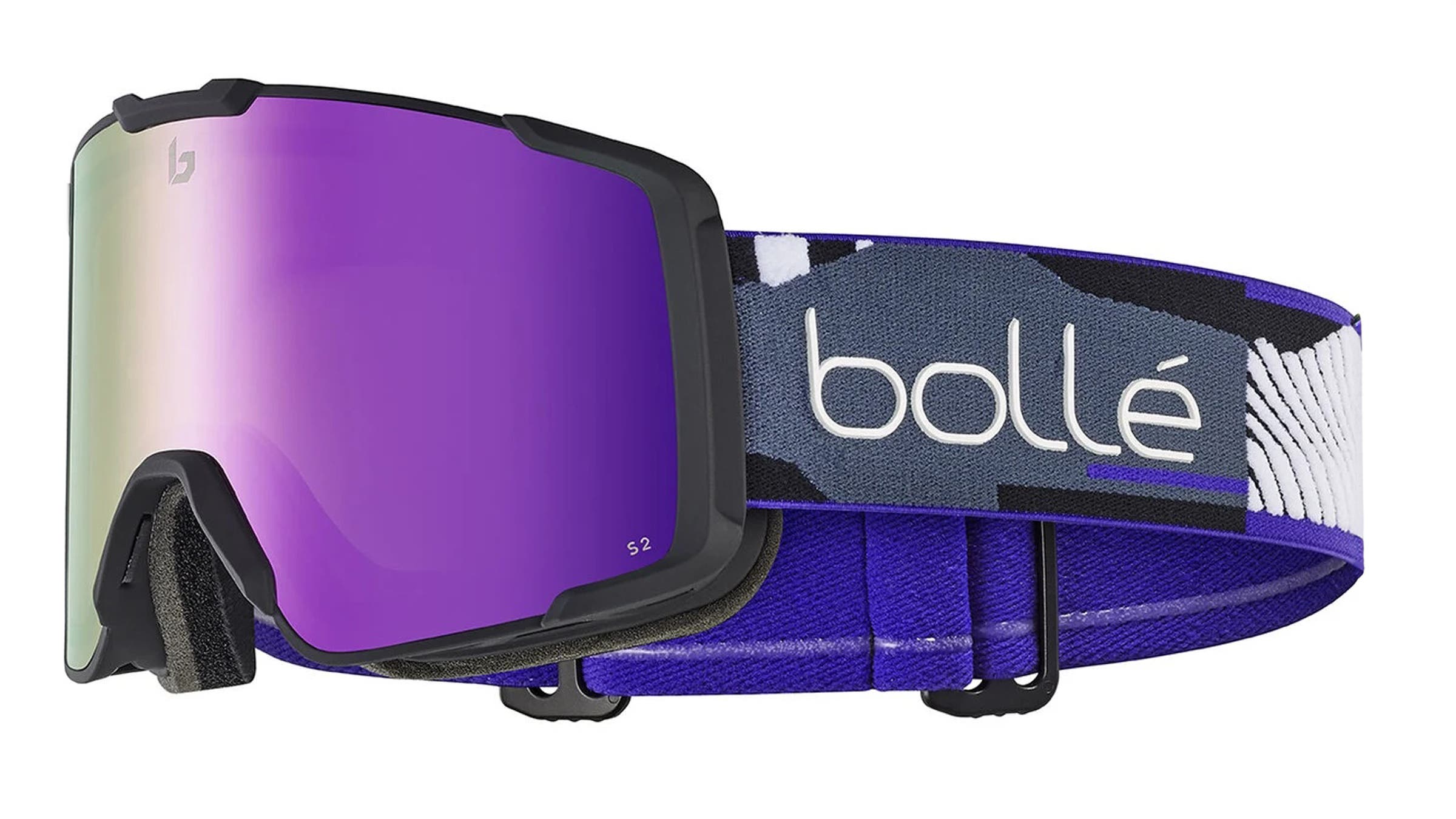
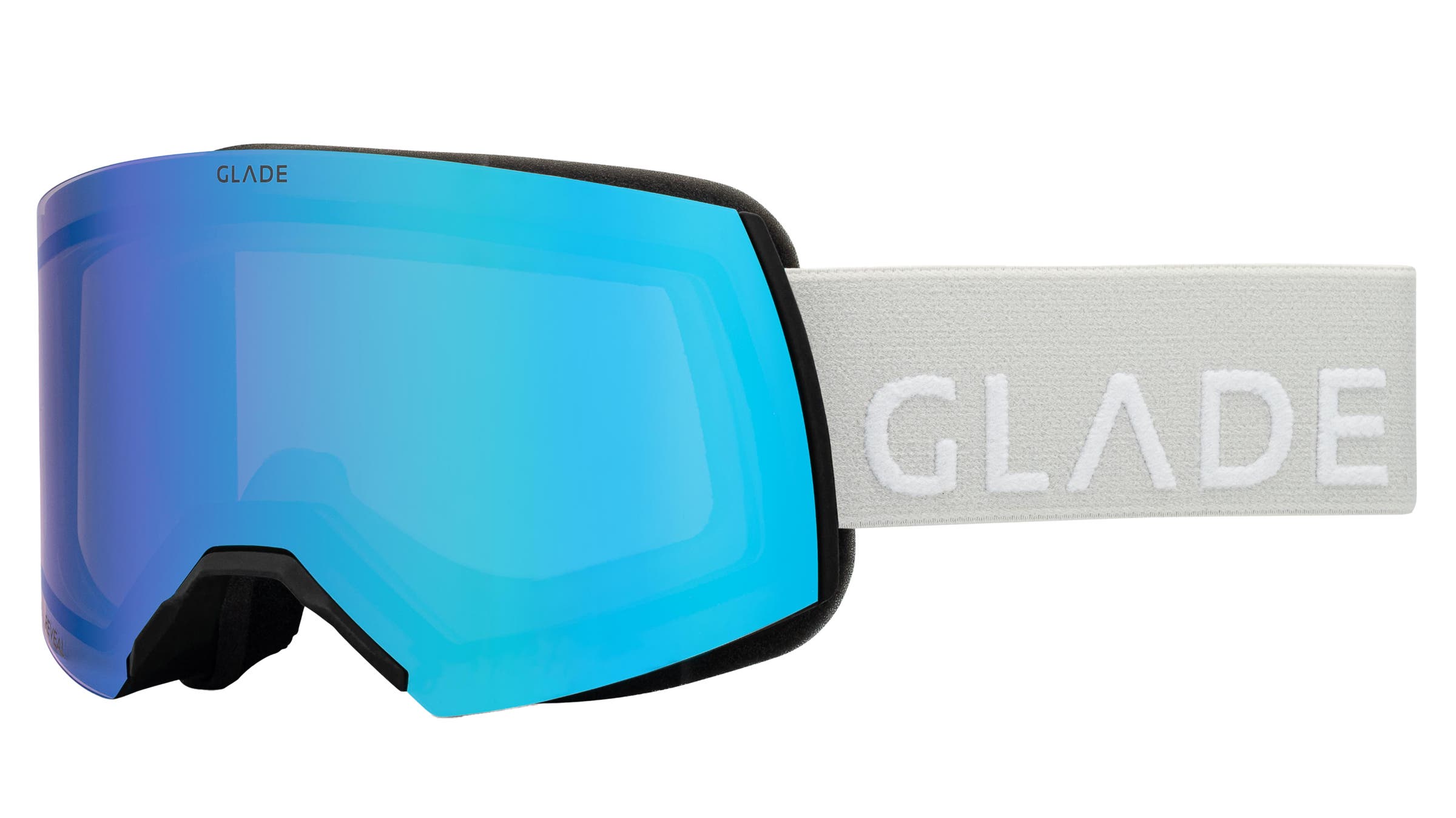
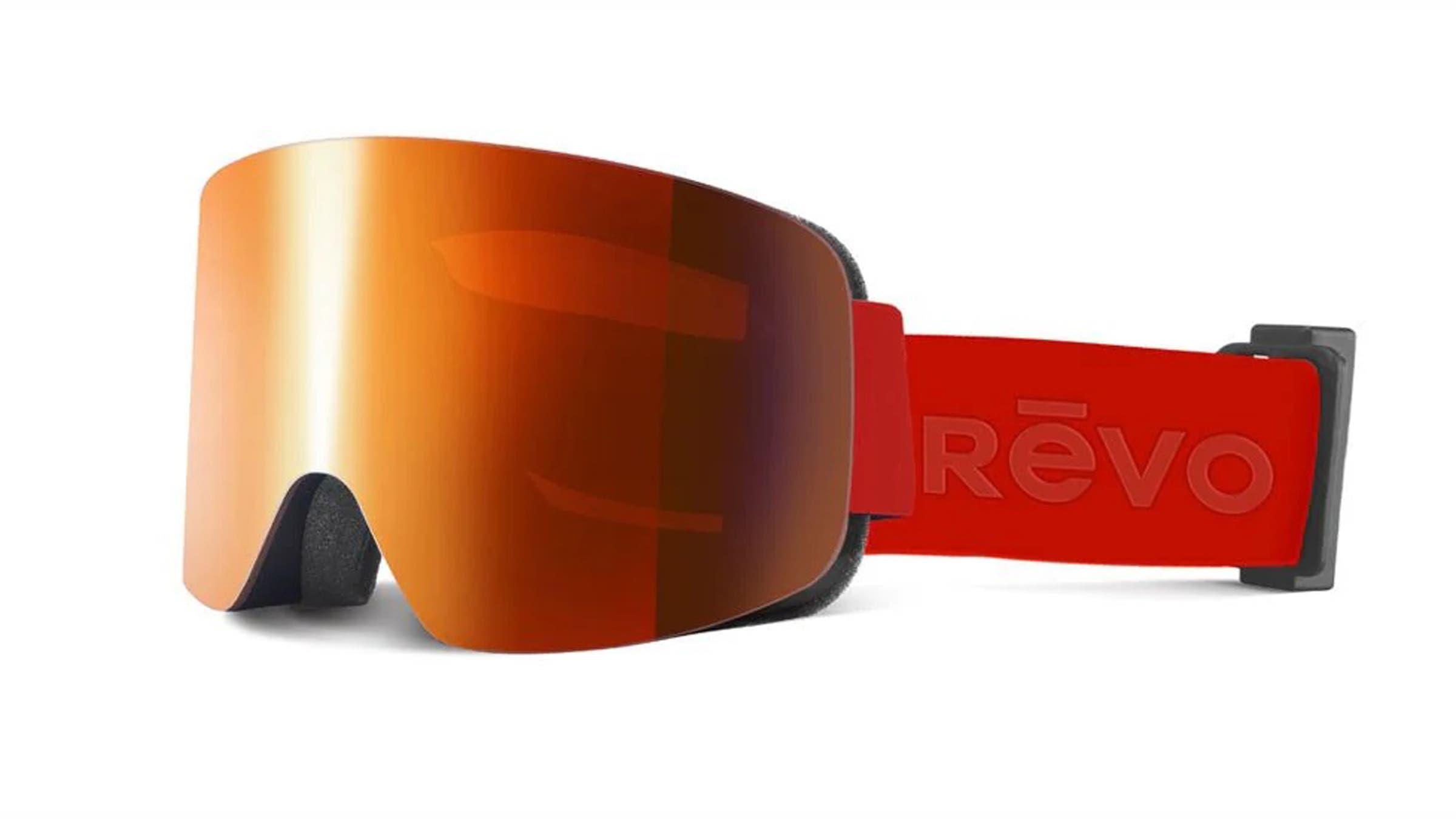
Manufacturers have increasingly responded to athlete feedback regarding thermal management and vision optimization. Bollé addressed low-light visibility concerns with the Cerro Photochromic model, utilizing Flow Tech venting to combat internal moisture accumulation during wet, overcast spring storms. Meanwhile, Glade focused on the single-lens touring demographic with the Adapt 2S, offering a photochromic solution tailored for smaller faces that eliminates the need to carry replacement lenses on long backcountry excursions. Revo entered the high-end optical conversation with the Solstice No. 9, pairing a SuperNova+ photochromic lens with an optional prescription lens compatibility framework, catering directly to vision-impaired winter athletes.
Industry analysts note that these innovations reflect a broader consumer shift toward versatility. Skiers increasingly demand equipment that performs across variable snowpacks and changing light tiers without requiring mid-day gear swaps. Brands that successfully merge photochromic intelligence with secure, glove-friendly mechanical backups are capturing dominant market shares.
Broader Impact and Industry Implications
The commercial availability of these advanced optics carries significant implications for mountain safety and consumer purchasing behavior. As high-definition optical clarity and reliable anti-fog ventilation become baseline expectations rather than luxury features, consumer tolerance for substandard gear has diminished. Furthermore, the rising popularity of magnetic interchange systems has pressured manufacturers to refine their retention mechanisms, balancing the desire for effortless lens removal with the necessity of structural security during high-impact crashes or aggressive skiing.
Ultimately, the 2027 ski goggle market underscores a maturing industry where ergonomic comfort, optical precision, and user-friendly technology converge. Whether navigating tight tree runs in low visibility or carving wide turns under intense high-altitude sunlight, modern equipment enables skiers to maintain optimal spatial awareness, thereby enhancing both performance and overall mountain safety.

