
The pursuit of knee-deep, untracked powder remains one of the most revered rituals in snow sports, a sensory experience that pushes equipment design to its absolute limits. As winter storm tracks continue to challenge and reward powder hounds across North America, the engineering of wide-waisted skis has evolved to meet increasingly demanding terrain. For the 2027 gear cycle, editorial teams and field testers from SKI and Outside magazines undertook a rigorous, multi-region evaluation process. Rather than relying on a single centralized testing event, the team deployed a cadre of veteran ski patrollers, mountain guides, former alpine racers, and professional freeriders across Utah, Colorado, Washington, and British Columbia.
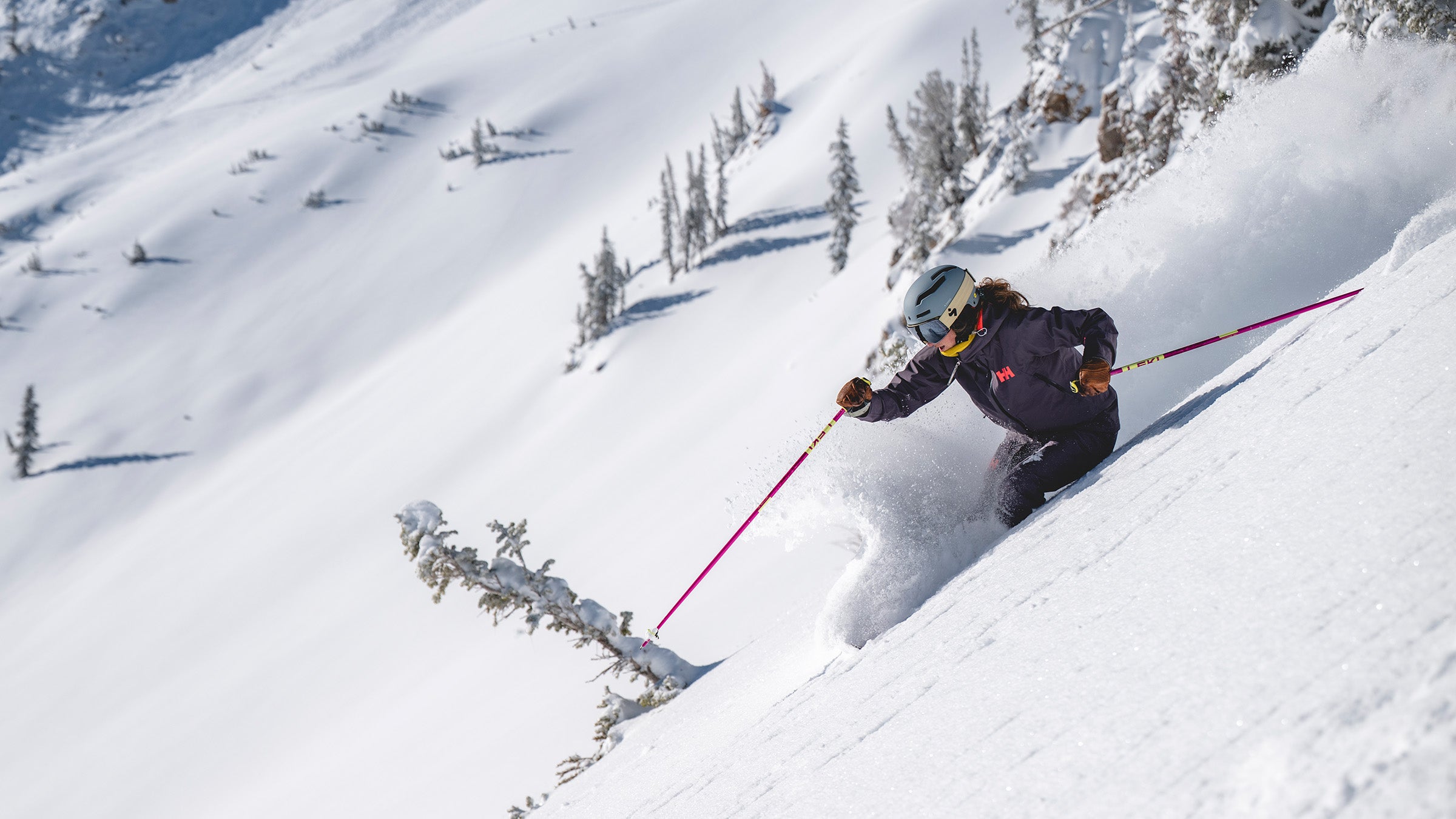
Capitalizing on severe weather systems that dropped 10 to 14 inches of fresh snow, the evaluation spanned 16 distinct powder skis featuring waists between 110 and 120 millimeters underfoot. The objective was clear: identify the absolute best platforms for floating, charging, and playing in deep snow, while separating genuine performance breakthroughs from marketing hype. The resulting 2027 lineup highlights a distinct shift toward hybrid freeride designs—skis that maintain exceptional flotation without sacrificing the energy and edge-hold required to navigate the chopped-up crud left in the wake of a major resort storm.
Main Facts and Testing Methodology
The 2027 gear test marked a strategic departure from traditional mass-testing protocols. By distributing testers across the Mountain West and Pacific Northwest, organizers allowed regional weather patterns to dictate the schedule. Skis were evaluated over a prolonged period following heavy snow events, ensuring that each model was pushed through genuine storm cycles, wind-slabbed ridges, tight tree runs, and tracked-out resort bowls.
Every ski in the 110mm to 120mm category underwent a standardized scoring rubric encompassing eight core performance metrics. While characteristics like edge grip on hardpack and switch-riding capabilities were noted, testers prioritized two primary pillars: flotation and playfulness.
"Powder skis are our most cherished possessions, carrying the memory of a top-shelf day on snow," notes the editorial test summary. "Our powder ski category covers waists between 110 and 120 millimeters underfoot, all reviewed by a robust team of testers… evaluated across eight scoring criteria, with especially strong results in flotation and playfulness."
The rigorous independent framework ensures that manufacturers cannot buy their way into top rankings. Brands do not pay to participate, and editorial coverage is earned purely on-snow performance.
Chronology and Deployment of the 2027 Gear Test
Planning for the 2027 gear preview began months prior to the winter season, as manufacturers finalized their production prototypes. By late autumn, select media outlets received pre-production models designed for early-season glacier testing and laboratory flex-profiling. However, the true test of a powder ski occurs exclusively in deep, dynamic terrain.
As winter storms materialized across the American West in early 2026, the field testing units were mobilized. Testers stationed at key hubs—including Alta and Snowbird in Utah, Silverton and Crested Butte in Colorado, and Mount Baker in Washington—staged equipment ready for deployment at a moment’s notice. When high-pressure systems gave way to Pacific troughs and Continental storm cells, the testers targeted the immediate aftermath of 10-to-14-inch powder dumps.
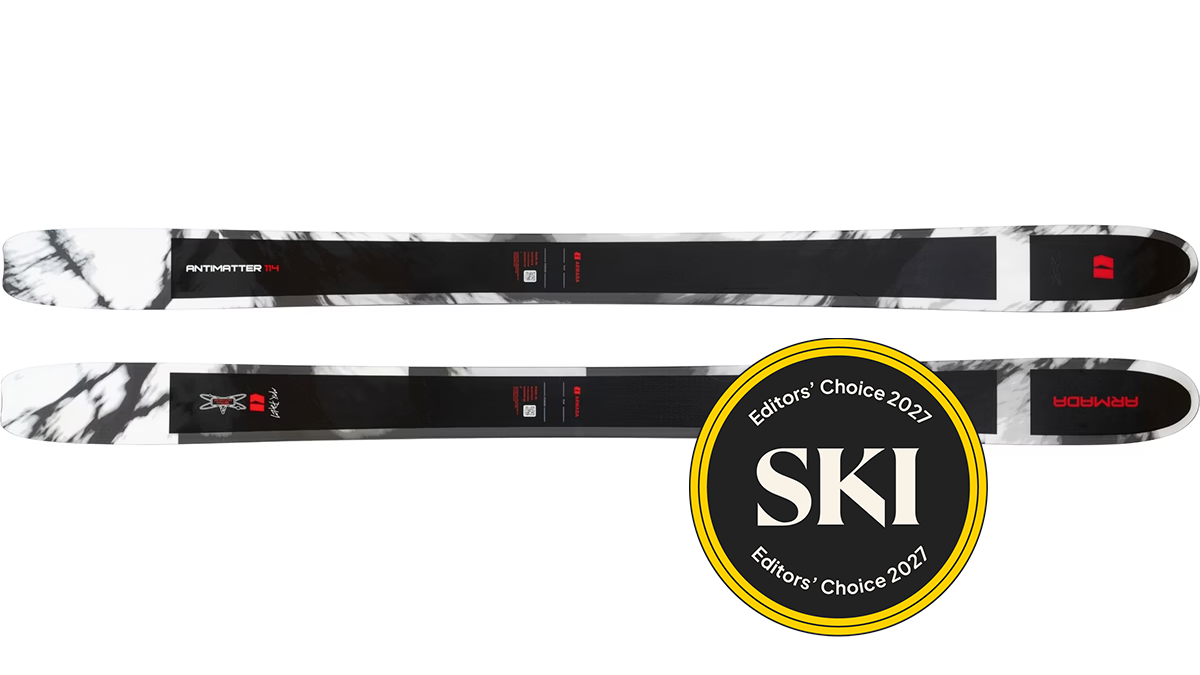
By late spring, scoring sheets were compiled, aggregate data was analyzed, and final awards were allocated. The culmination of this months-long process resulted in the official 2027 gear guide, headlined by the Armada Antimatter 114, which claimed the prestigious SKI Editors’ Choice award.
Top-Tier Performers of 2027
Among the 16 models evaluated, five standout skis emerged as unanimous favorites, dominating the scoring matrices across diverse snow conditions.
Armada Antimatter 114 ($950)
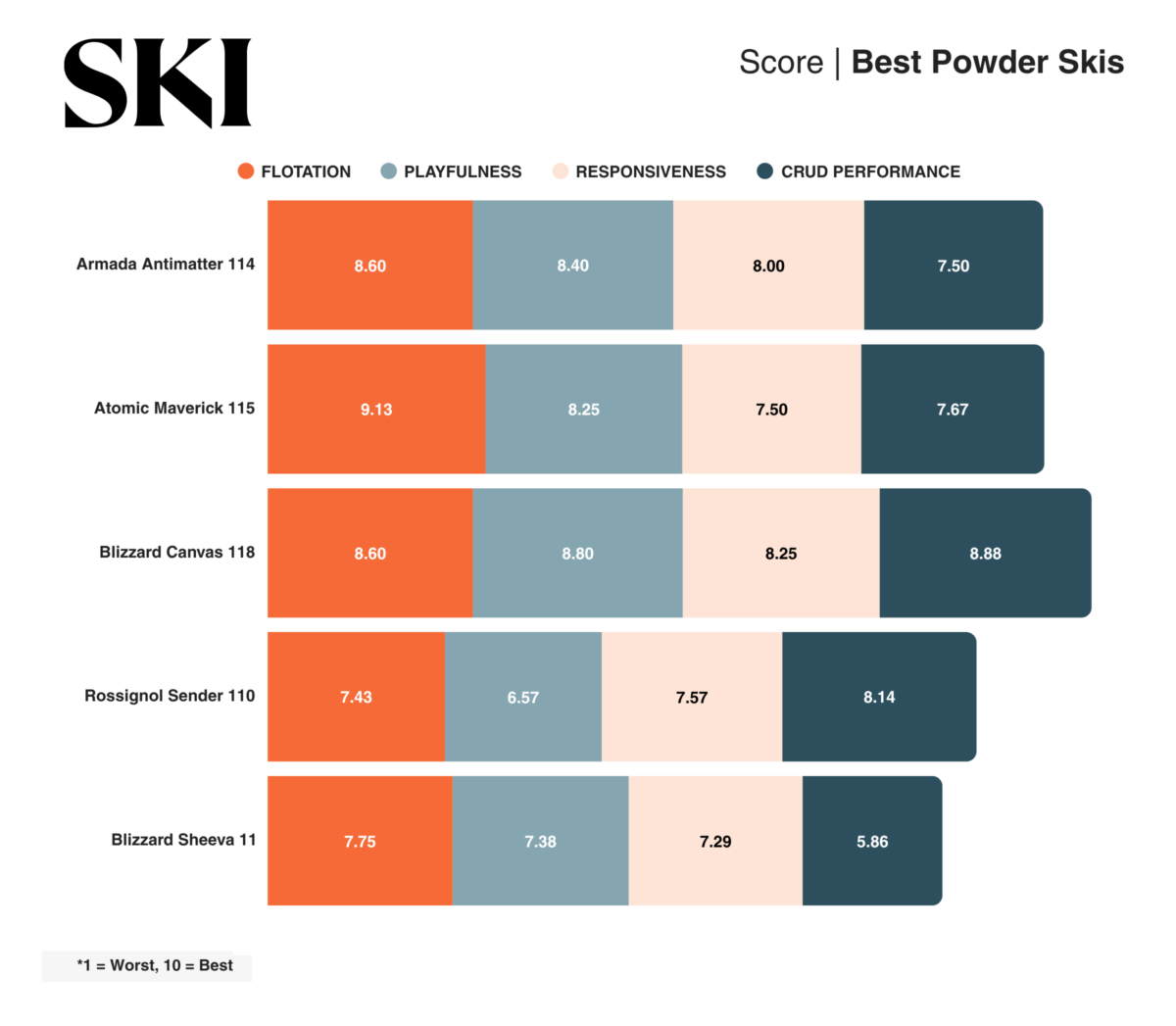
Earning the coveted Editors’ Choice badge, the Armada Antimatter 114 was developed in collaboration with Freeride World Tour athlete Max Palm. Measured at 138-114-132 mm and available in lengths of 181, 187, and 193 cm, this ski successfully bridges the gap between a dedicated storm plank and an agile all-mountain charger. Featuring a poplar wood core and Armada’s Speedmetal Titanal layup—which places metal edge-to-edge underfoot while tapering weight away from the tips—the Antimatter delivers explosive energy. Testers praised its on-command responsiveness, though they cautioned that its length options and stiff platform make it too demanding for intermediate skiers.
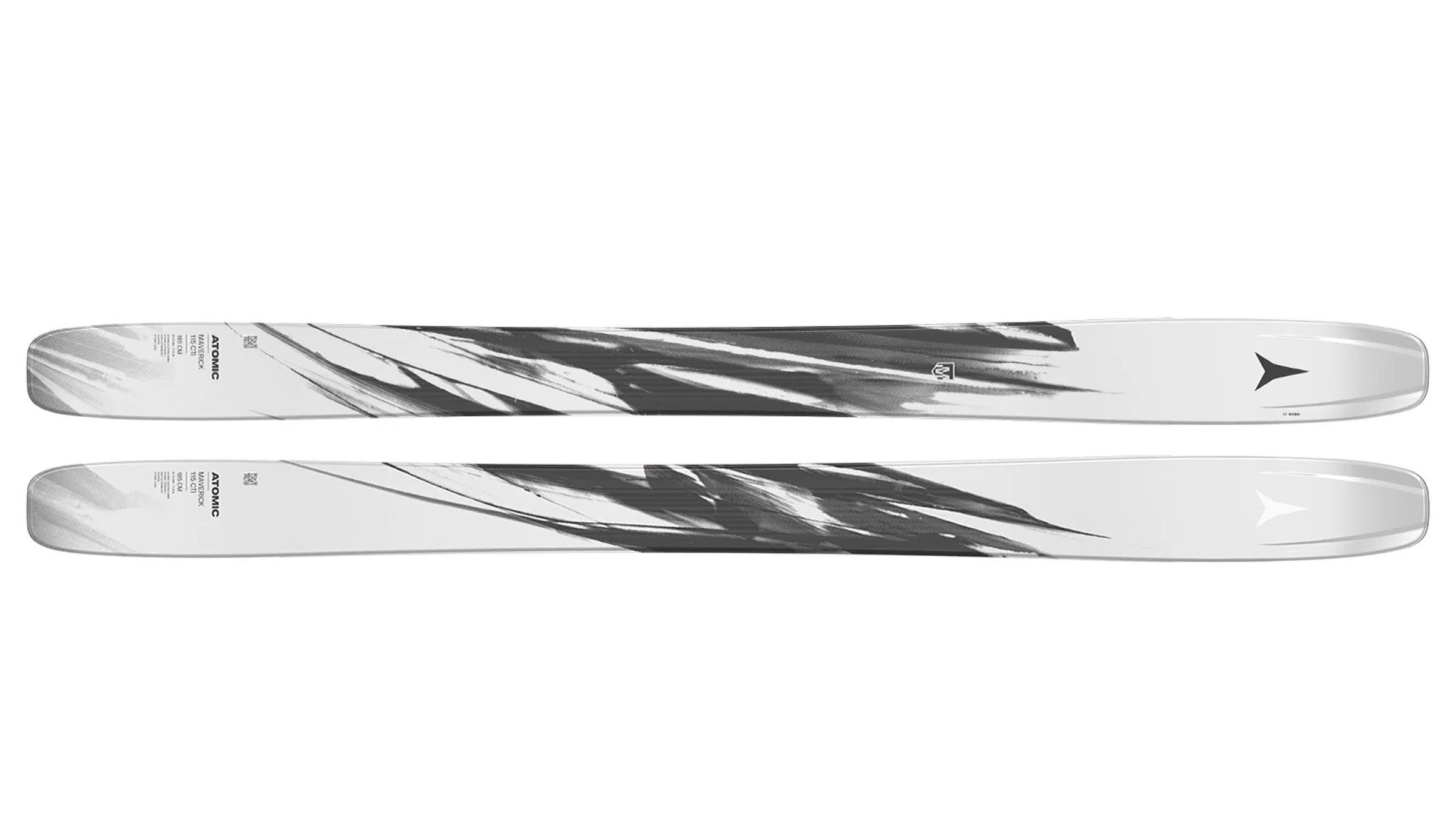
Atomic Maverick 115 CTi ($900)
Claiming the runner-up position, the Atomic Maverick 115 CTi (140.5-115-129.5 mm in the 185 cm length) impressed evaluators with its supreme stability in variable snow. Incorporating a poplar and ash wood core reinforced with carbon and Titanal laminates (hence the "CTi" designation), the ski offers an approachable yet damp ride. Testers described it as "nimble and responsive, but also has some backbone," making it a dependable choice for aggressive skiers navigating chopped-up powder.
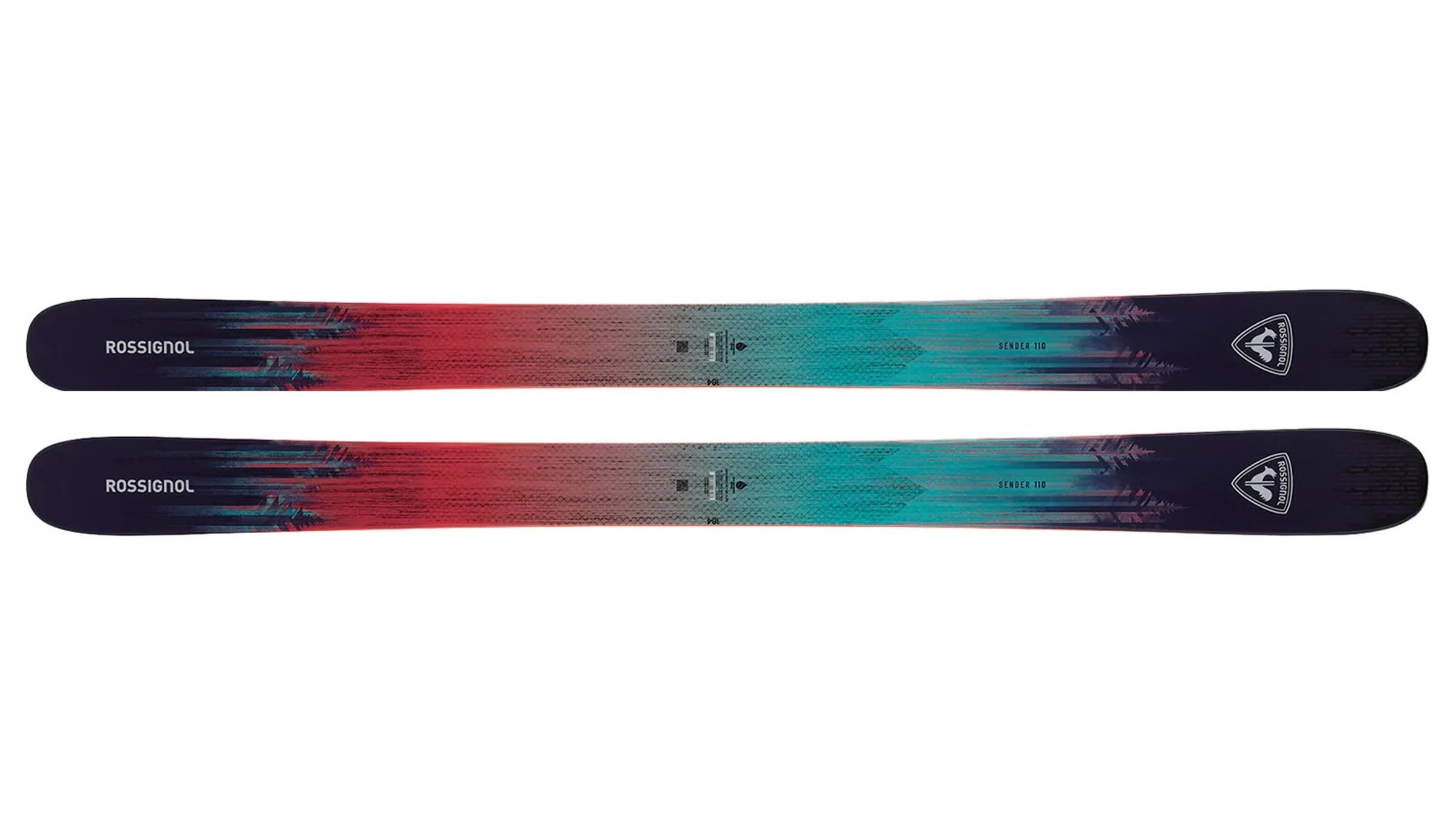
Rossignol Sender 110 ($900)
Recognized as the Best for Resort Powder Days, the Rossignol Sender 110 (140-110-133 mm) returns with updated graphics and a simplified moniker. Despite its relatively modest 110mm waist, generous tip and tail rocker ensure ample float, while a springy poplar core and Titanal reinforcement absorb high-speed vibrations. Designed strictly for expert freeriders who demand high-speed stability, the Sender 110 excels at plowing through crud and dominating afternoon resort leftovers.
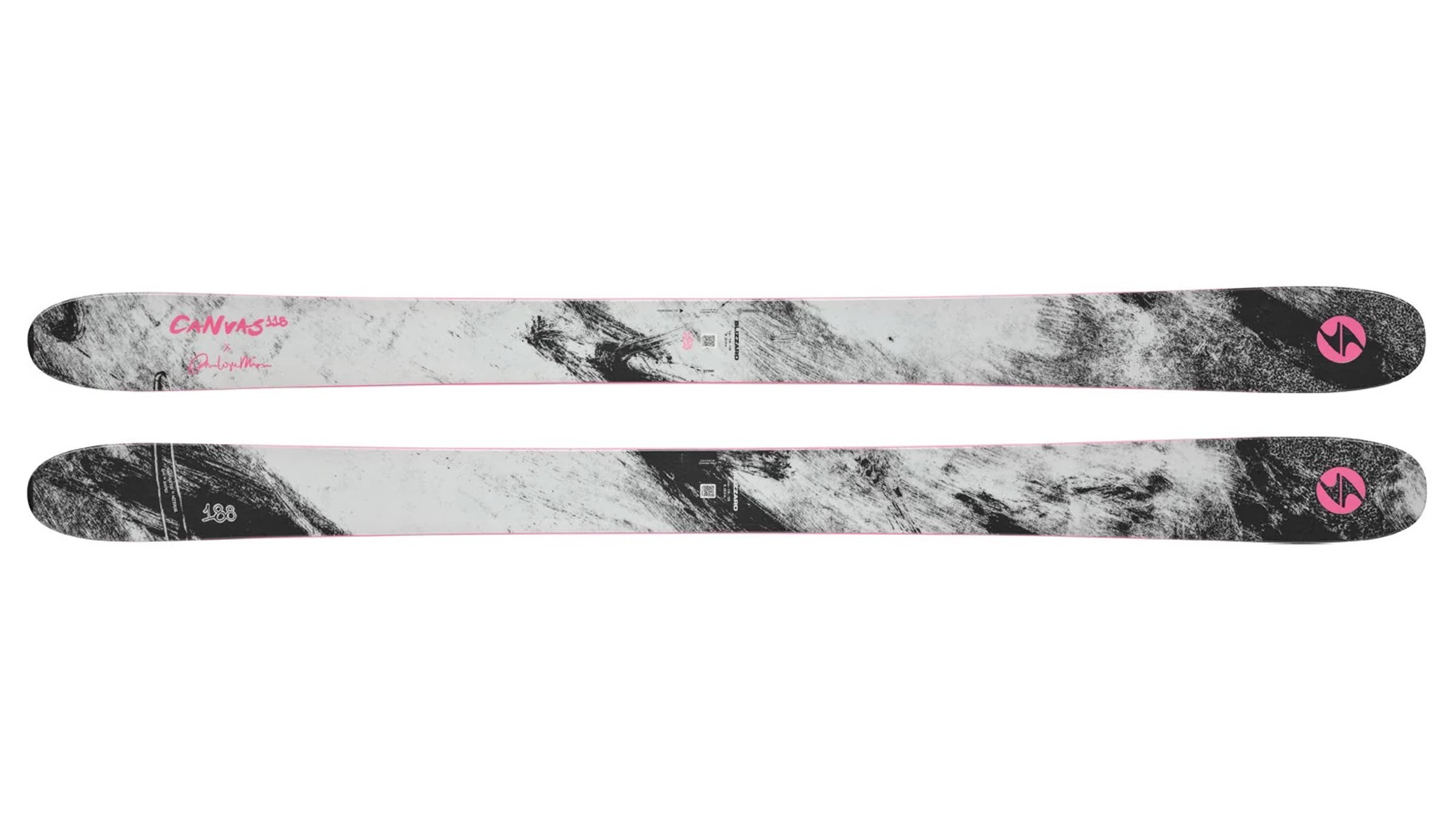
Blizzard Canvas 118 ($900)
For skiers prioritizing creativity over straight-line racing, the Blizzard Canvas 118 (145-118-134 mm) was crowned Most Playful. Representing a departure from Blizzard’s traditionally stiff, demanding construction, the Canvas utilizes a poplar and paulownia core with a minimal Titanal mounting plate. The result is a lightweight, highly maneuverable freeride tool with a 19-meter turn radius that dances through tight trees while retaining enough backbone to handle firmer transitions back to the lift.
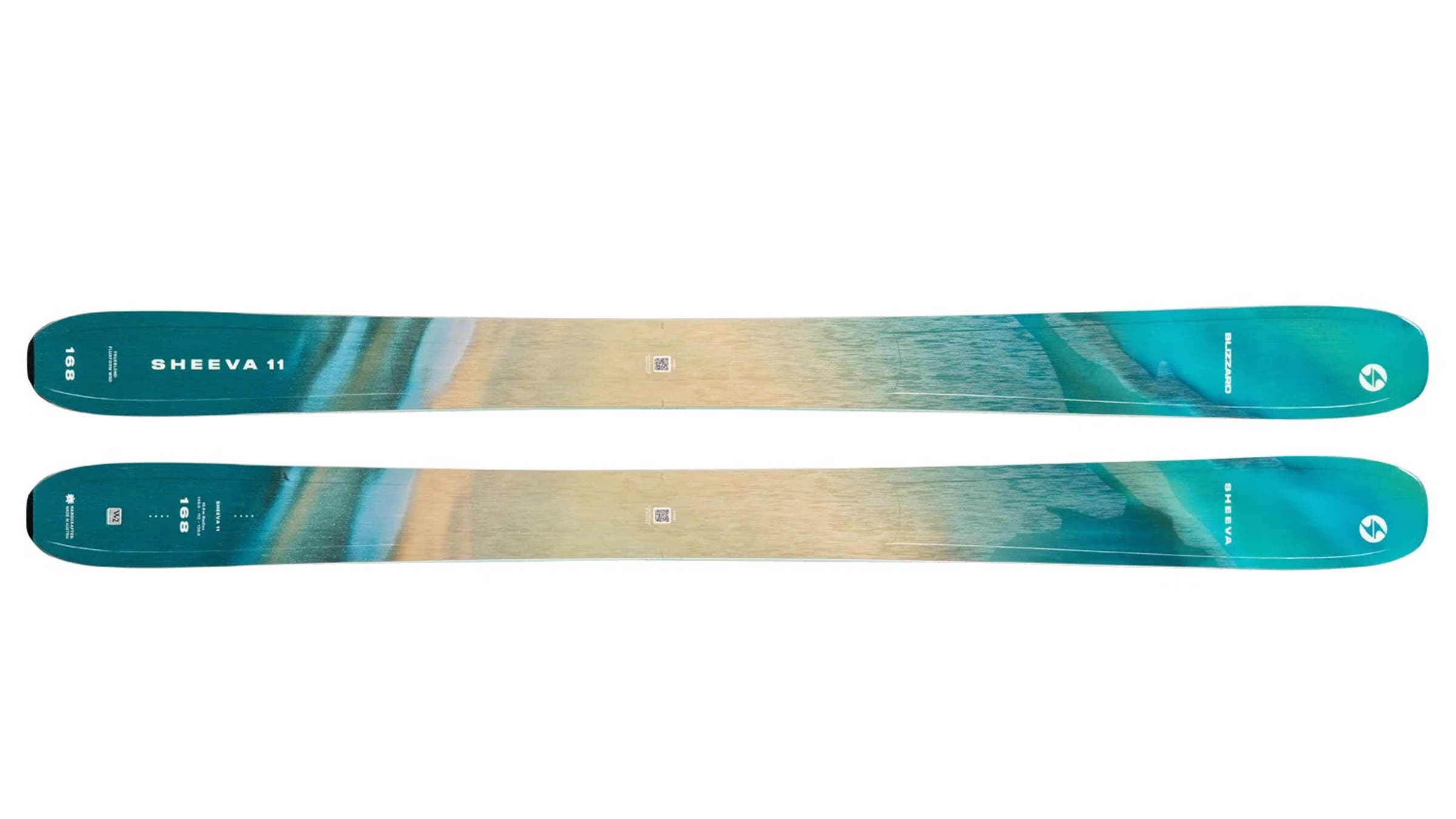
Blizzard Sheeva 11 ($900)
Taking the title of Best Women’s Powder Ski, the Blizzard Sheeva 11 (140-112-130 mm) continues to set the benchmark for women-specific freeride construction. Developed through Blizzard’s Women 2 Women program, the ski pairs a multi-wood core with strategically placed Titanal. It offers a damp, stable platform underfoot with softer flex profiles in the tips and tails, providing advanced and expert women skiers with unwavering confidence in mixed alpine environments.
Notable Alternatives in the 2027 Lineup
Beyond the primary category winners, several specialized models earned high praise for targeted performance traits:
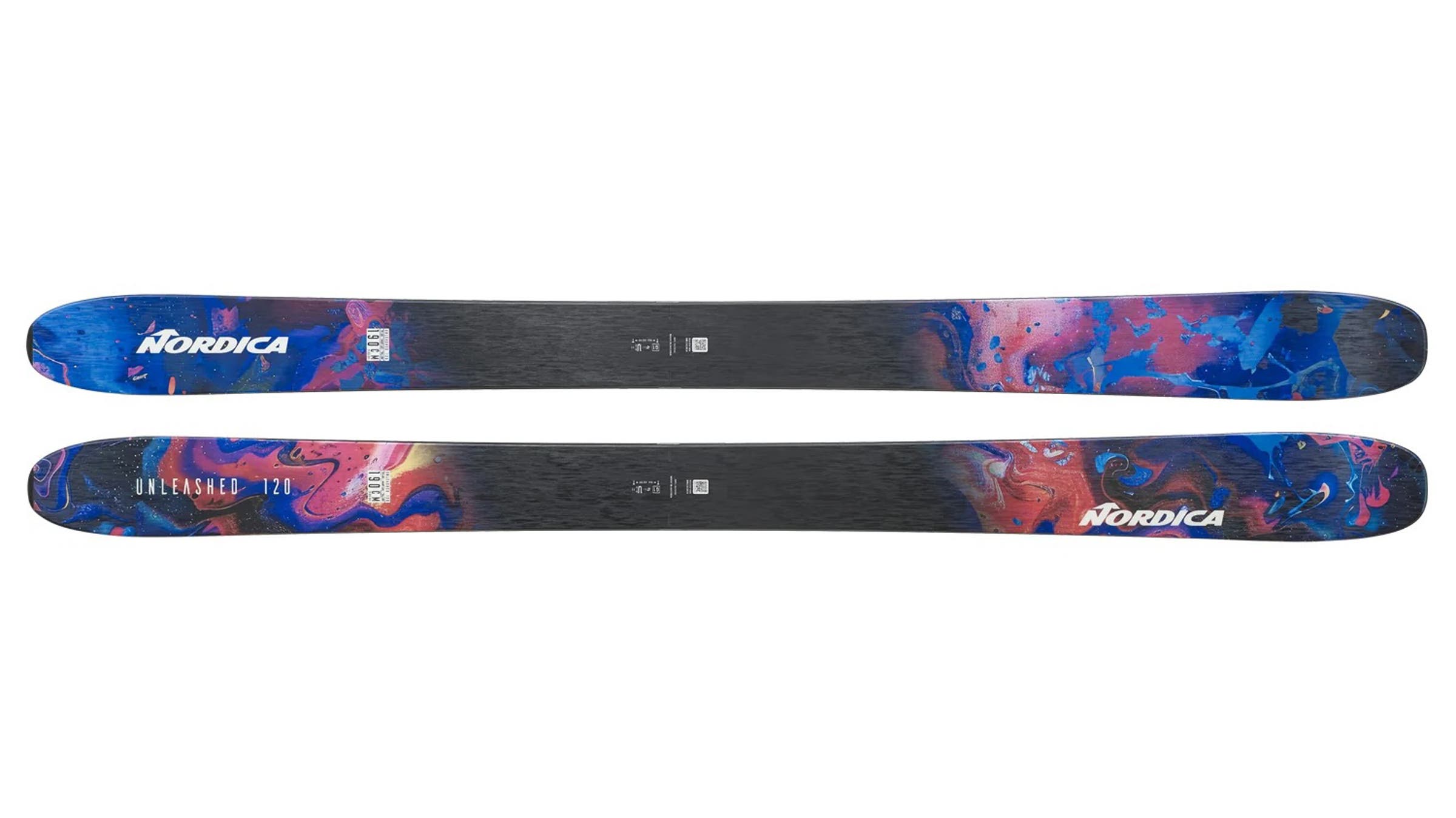
- Nordica Unleashed 120 ($N/A): Boasting a massive 120mm waist (150-120-139 mm), this model delivered best-in-class flotation while maintaining surprising agility and high-speed stability for strong skiers.
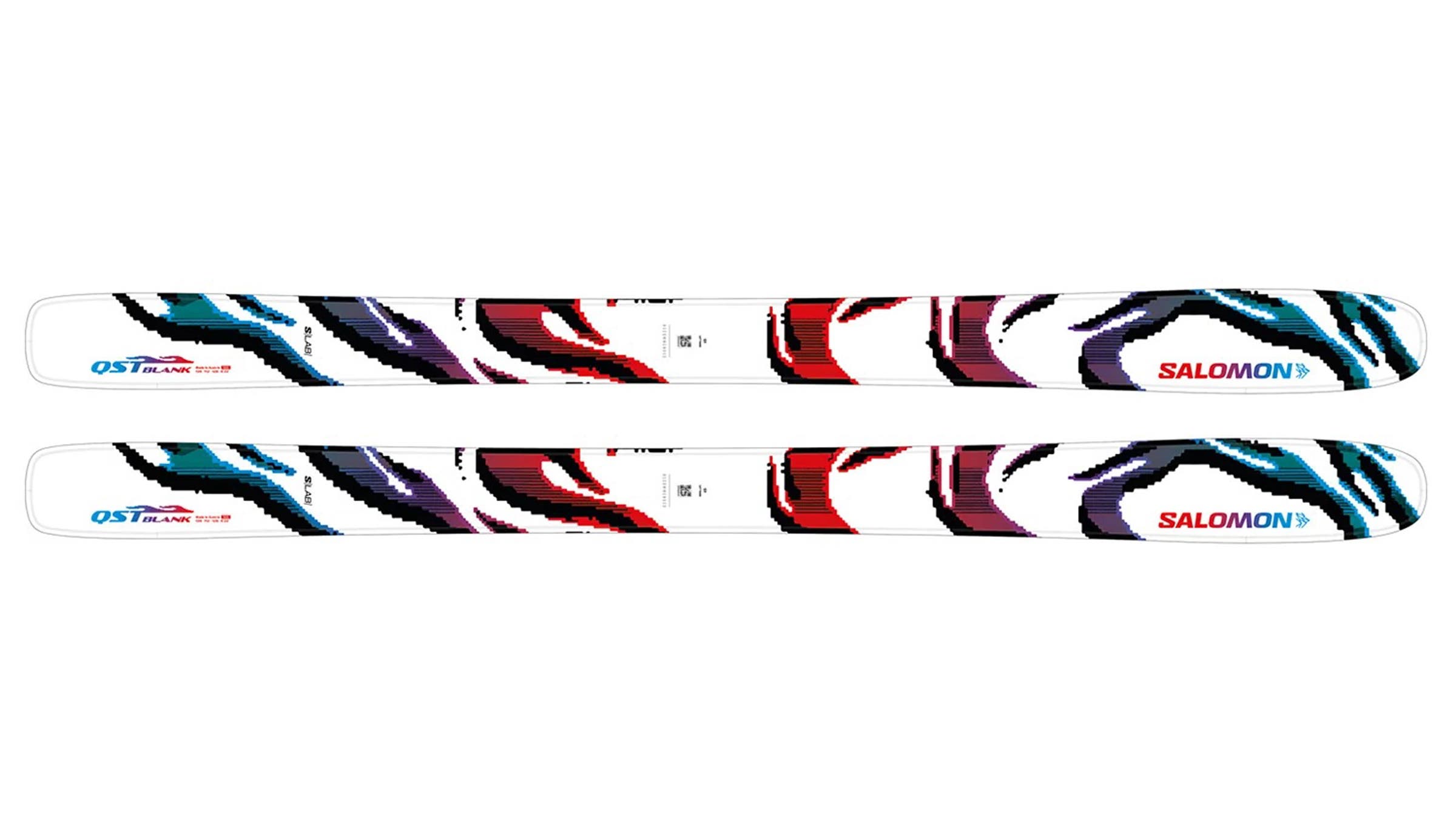
- Salomon S/Lab QST Blank ($N/A): Featuring a 112mm waist, a stiffer tail, and a specialized cork insert, this ski is engineered to absorb chatter in rough terrain and conquer high-speed freeride lines.
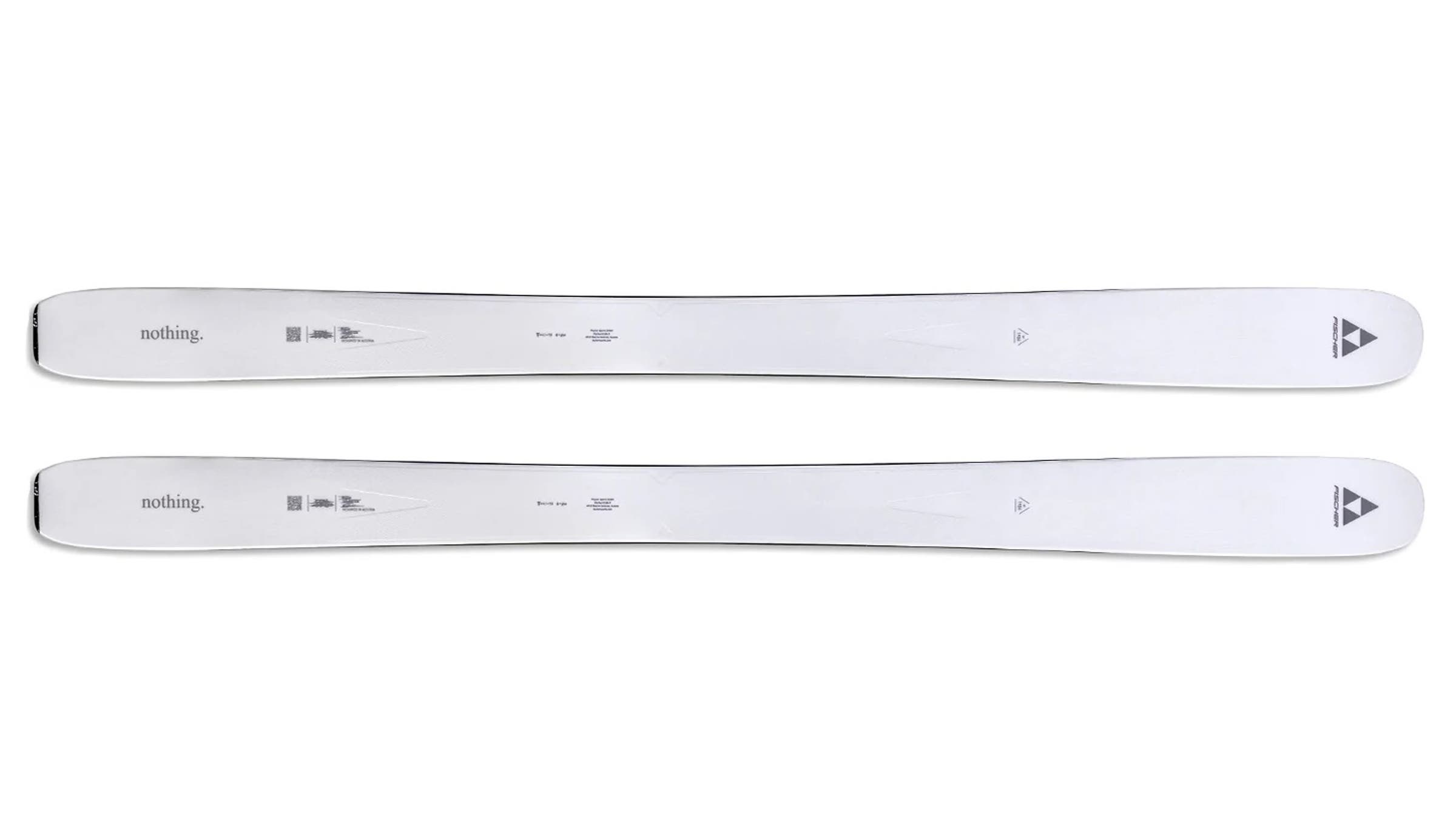
- Fischer Nothing ($N/A): A mysterious release where Fischer withheld traditional spec sheets in favor of a "ski it and find out" philosophy. Testers found it to be an approachable, damp, and reliable 112mm platform that transitions effortlessly between soft and firm snow.
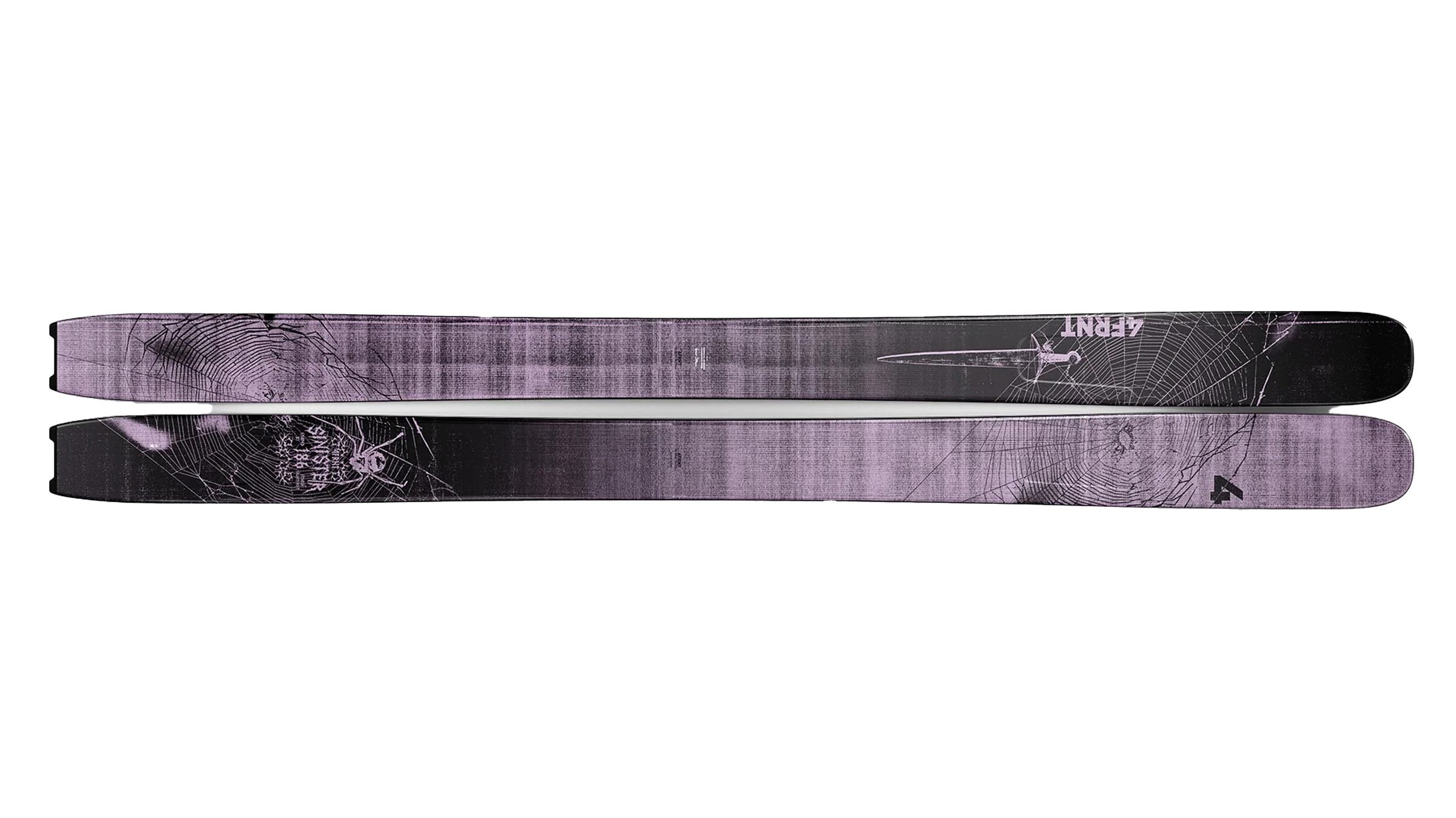
- 4FRNT Sinister ($N/A): Built as the pro model for Norwegian freeskier Stinius Skjøtskift, this 113mm charger utilizes a Titanal Stomp-Zone underfoot to provide exceptional power and crud-busting capabilities for aggressive athletes.
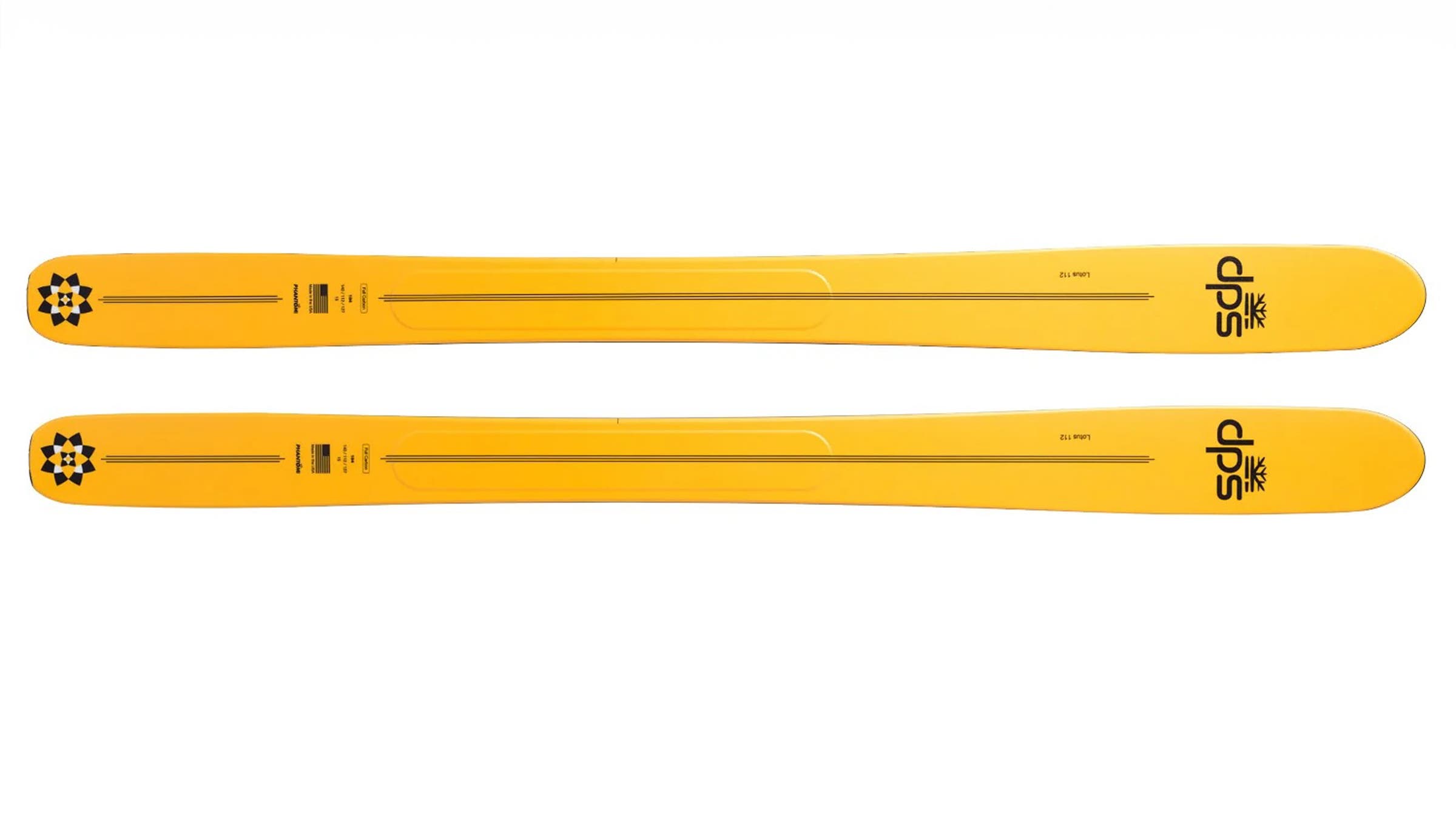
- DPS Lotus 112 ($N/A): Celebrating the Utah-based brand’s 20th anniversary, this full-carbon construction embraces a traditional 15-meter turn radius to deliver a deeply intuitive, surfy powder experience tailored for skiers who prioritize feel over brute force.
Broader Industry Implications and Market Analysis
The release of the 2027 powder ski class reflects several broader macroeconomic and technological trends within the snow sports industry. First, manufacturing techniques have advanced to the point where heavy metal laminates are no longer mandatory for high-speed stability. Brands are increasingly utilizing hybrid cores—blending lightweight paulownia or poplar with localized carbon or Titanal reinforcement plates—to reduce swing weight without compromising structural integrity.
Second, the blurring lines between dedicated powder skis and wide all-mountain chargers indicate changing consumer habits. With climate variability leading to inconsistent storm cycles, skiers are increasingly reluctant to purchase single-use equipment. Consequently, manufacturers are engineering powder skis that can tolerate tracked-out crud, wind-scoured crusts, and occasional groomers, maximizing the utility of a $900+ investment.
Finally, the expansion of genuine women-specific designs, exemplified by Blizzard’s Sheeva line and inclusive testing methodologies across major outdoor publications, signals an industry-wide recognition of diverse demographic segments. As equipment continues to evolve, the modern powder ski is no longer just a wide plank designed to float; it is a sophisticated, highly tuned freeride instrument engineered to elevate the skier’s connection to the mountain, regardless of how variable the conditions may be.

