
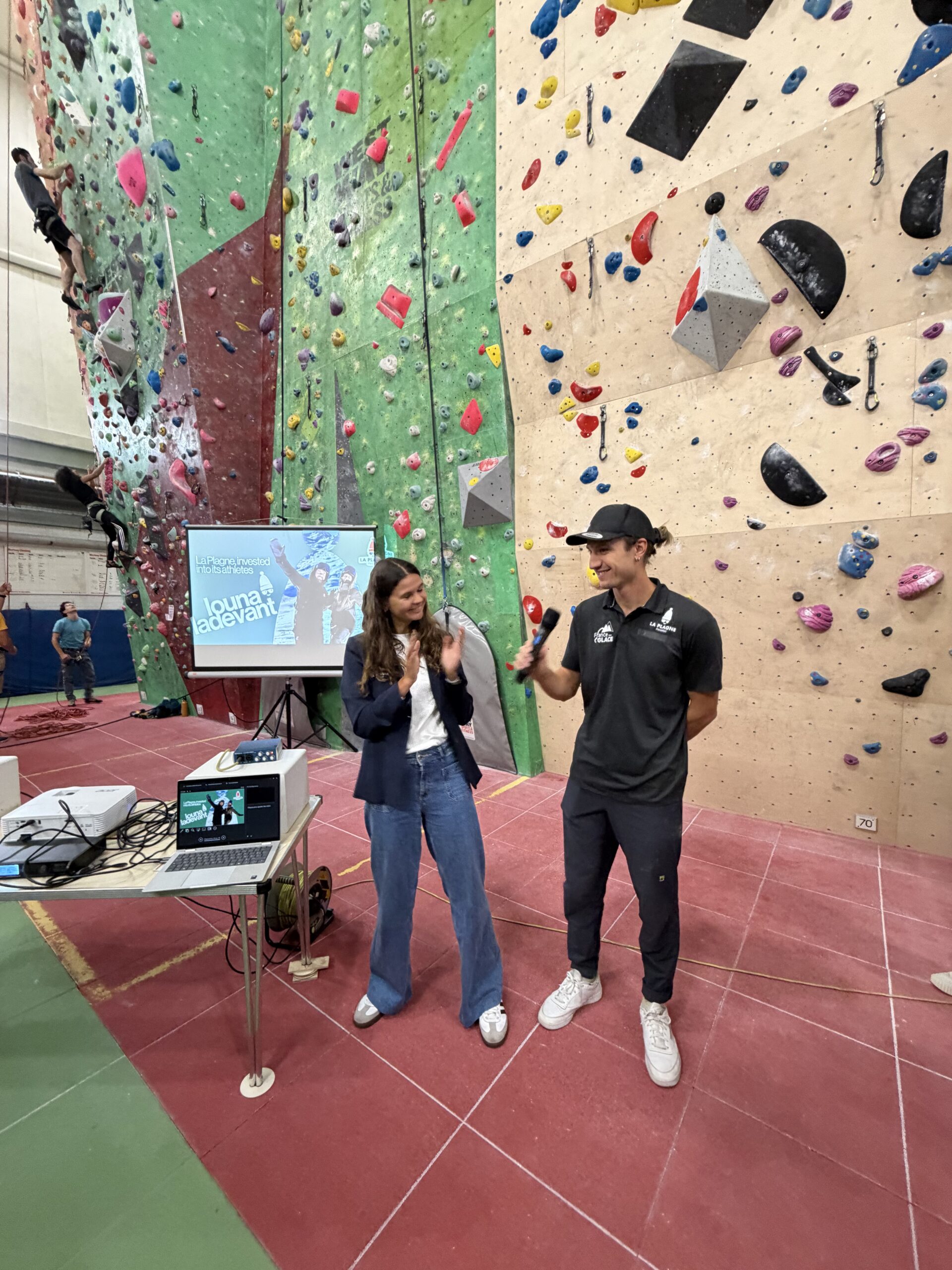
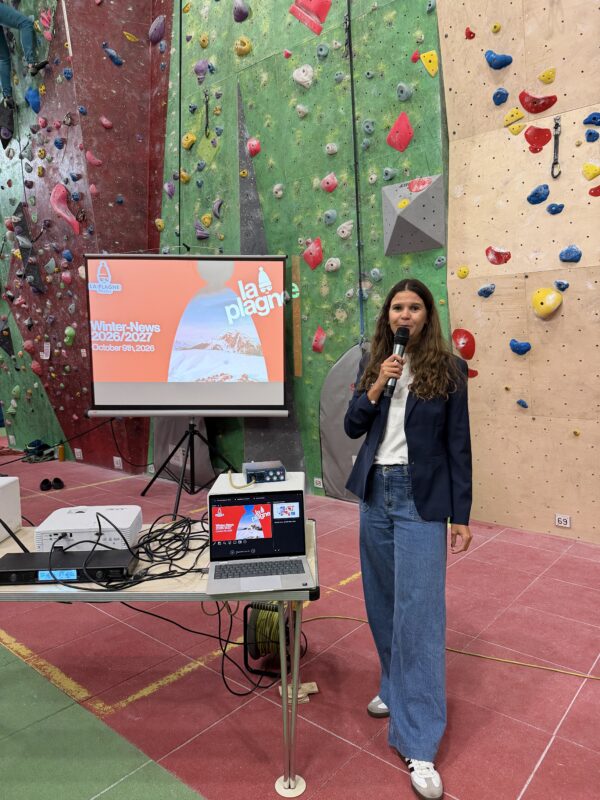
The crisp autumn air of mid-October signals the arrival of the Northern Hemisphere’s most anticipated season for the snowsports industry. On October 15, 2026, industry professionals, travel media, and stakeholders gathered at the Westway Sports and Fitness Centre in London—a venue with a rich history of supporting athletic development—to witness the official winter launch for La Plagne, the French resort that currently holds the title of the most visited destination by British skiers. The event served as both a nostalgic nod to the past and a strategic roadmap for a resort that is currently riding the momentum of record-breaking visitation numbers.
A Legacy of Athletic Excellence and Connectivity
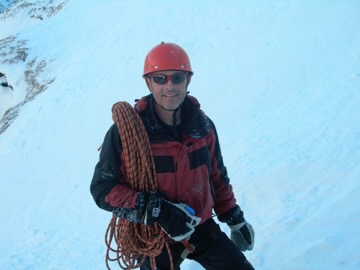
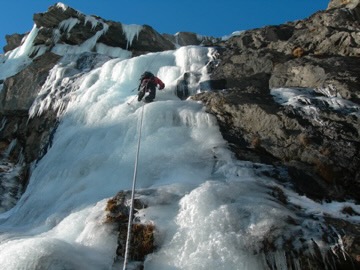
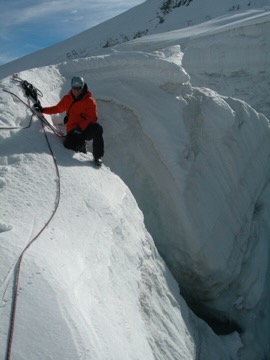
The choice of the Westway Sports and Fitness Centre for this launch was deeply symbolic. Twenty-five years ago, the venue served as a critical hub for local athletes and industry insiders alike. For figures such as PlanetSKI content editor James Cove, the venue was a training ground that bridged the gap between urban fitness and alpine performance. During the late 1990s and early 2000s, the facility provided the necessary environment to hone skills that were later translated onto the frozen waterfalls of the Alps, including iconic locations like Verbier and Saas-Fee.
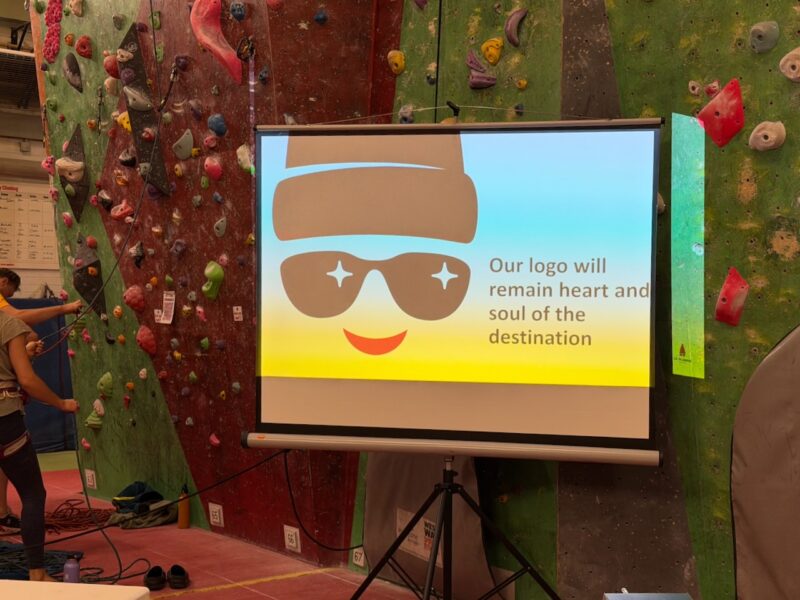
This connection to high-performance sport was underscored by the presence of Louna Ladevant, the World Ice Climbing Champion and a proud ambassador for La Plagne. Ladevant’s technical demonstrations—showcasing his mastery of 7A and 7B+ graded climbs—served as a visceral reminder of the resort’s commitment to pushing the boundaries of mountain sports. By anchoring the launch in this intersection of professional athleticism and recreational history, La Plagne signaled that while it remains a family-friendly destination, it is also a place for serious mountain enthusiasts.
The Evolution of an Icon: Sixty Years of the Red Hat
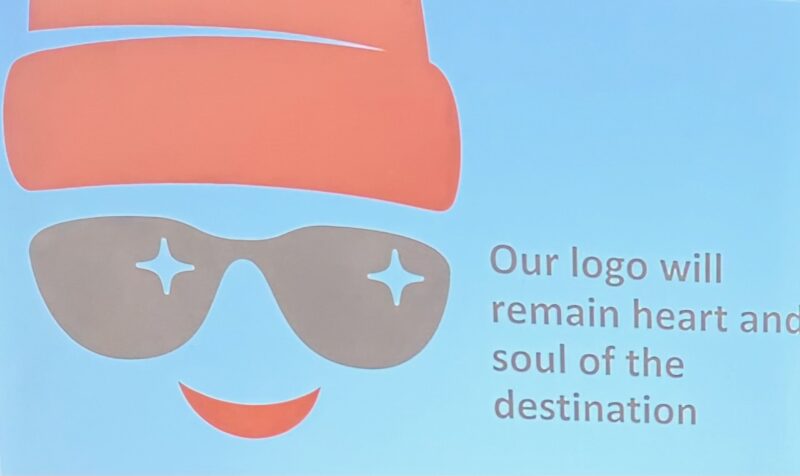
The most significant announcement of the evening centered on a comprehensive brand refresh. As La Plagne approaches its 60th anniversary, the resort has decided to modernize its legendary "Red Bobble Hat" logo.
The history of the emblem is rooted in the mid-1960s, a formative era for French winter tourism. In 1966, La Plagne participated in Interneige, a televised winter sports competition that served as the Gallic counterpart to the British hit It’s A Knockout. During an era defined by black-and-white television, the resort required a visual identity that was instantly recognizable to viewers across the nation. Graphic designer Mathieu Diesse was commissioned to create a symbol that would be simple yet iconic. The resulting Red Hat became more than just a marketing tool; it became a lucky charm for the resort, which ultimately triumphed in the competition.
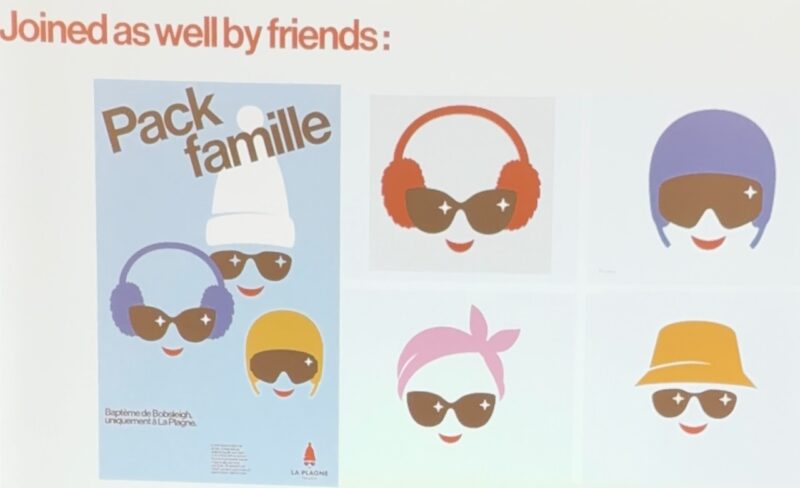
For the 2026/27 season, this historical asset is undergoing a digital evolution. The updated brand identity will see the Red Hat become dynamic, featuring an array of expressions and animations. This shift is designed to align with the demands of modern social media and digital engagement, ensuring that the legacy of the 1960s remains relevant to a younger, digitally native generation of skiers.
Statistical Dominance: The Numbers Behind the Resort
La Plagne’s position as a global leader in the ski industry is supported by robust data. During the 2025/26 season, the resort recorded 2.7 million skier days, an achievement the resort officially cites as the highest in the world for a single ski destination.
This statistical dominance is bolstered by a consistent influx of international visitors, with the British market remaining the primary source of overseas tourism. To accommodate this demand, the resort has set its operational window for the upcoming season from December 12, 2026, through April 24, 2027. This duration is strategically calibrated to maximize the reliability of snow conditions across the resort’s varied altitude range, which spans from the traditional village atmosphere at 1,250 meters to the high-altitude technical terrain at 2,050 meters.
Geography and Infrastructure: A Tale of Two Altitudes
La Plagne’s unique architecture is defined by its 11 distinct sites, which offer a varied experience for different demographics of travelers. The resort operates on a dual-track model:
- High-Altitude Centers: Seven purpose-built sites, constructed between the 1960s and 1990s, sit at altitudes between 1,800 and 2,050 meters. These are designed for convenience, ski-in/ski-out access, and proximity to the high-alpine lifts.
- Traditional Villages: Four original villages situated at 1,250 meters provide the aesthetic and cultural charm often sought by travelers who prefer a quieter, more intimate setting. These areas are characterized by historical farms, wood-and-stone chalet architecture, and forest-lined slopes.
Beyond the immediate 225 kilometers of piste—60% of which are classified as easy green or blue runs—the resort remains a core component of the Paradiski area. By connecting with Les Arcs and Peisey-Vallandry, La Plagne offers access to 425 kilometers of interconnected terrain, a scale that remains one of the primary drivers for its sustained popularity among intermediate and advanced skiers.
Diversification Beyond the Piste
In response to changing consumer behaviors, La Plagne is doubling down on "non-ski" mountain experiences. The resort has recognized that modern travelers seek a holistic mountain experience that includes adventure and wellness.
Infrastructure projects continue to prioritize:
- The Olympic Track: Maintaining the heritage of the 1992 Albertville Games by providing public access to the bobsleigh, luge, and skeleton track.
- Vertical Sport: The aforementioned ice climbing tower, which provides a safe environment for novices to learn the technicalities of the sport.
- Winter Activities: A robust program featuring dog sledding, horse-drawn sleigh rides, tandem paragliding, and Nordic skiing, all designed to increase the "length of stay" for families and non-skiers.
- Wellness Integration: Significant investment in spa facilities and hot tubs to capitalize on the increasing demand for post-ski recovery.
Industry Implications and Future Outlook
The decision to refresh a brand as established as the Red Hat logo is a calculated risk that reflects broader trends in destination marketing. As resorts compete for a shrinking pool of younger travelers, the move toward animated, expressive branding is an attempt to create an emotional connection that transcends the traditional "resort brochure" aesthetic.
Moreover, the resort’s reliance on its status as the "number one" destination by volume creates a pressure to maintain high-quality infrastructure. With reporter Simon Wilson scheduled to visit the resort in early December, the industry will be watching to see if the reality of the 2026/27 offering matches the ambitious vision presented in London.
The 2026/27 season will likely be defined by how successfully legacy destinations can pivot toward digital-first engagement while maintaining the traditional charm that allowed them to thrive for the past six decades. As La Plagne enters its 60th year, the transition from a static logo to an animated, multi-faceted brand character is a fitting metaphor for the resort itself: a destination that respects its past while actively adapting to the technological and cultural shifts of the future.
For the British market, which continues to view the French Alps as the gold standard for winter holidays, the upcoming season in La Plagne appears poised to deliver a blend of reliability and novelty. Whether it is the expansion of the Paradiski connectivity or the modernization of the visual identity, the evidence suggests that the resort is not merely resting on its 2.7 million skier-day record, but is instead looking to define the next era of Alpine tourism.

