
The landscape of European mountain tourism continues to evolve as resorts in the French Alps and Italian Dolomites pivot toward a year-round operational model. For the summer 2026 season, a diverse array of new initiatives across the Belleville Valley, Le Grand-Bornand, and Val Gardena indicates a significant investment in diversifying the alpine experience. This transition is driven by a growing demand for "coolcationing"—the practice of seeking cooler high-altitude climates to escape rising urban temperatures—and a renewed interest in traditional agritourism, competitive trail running, and specialized family programming.
Agritourism and the Preservation of Alpine Gastronomy
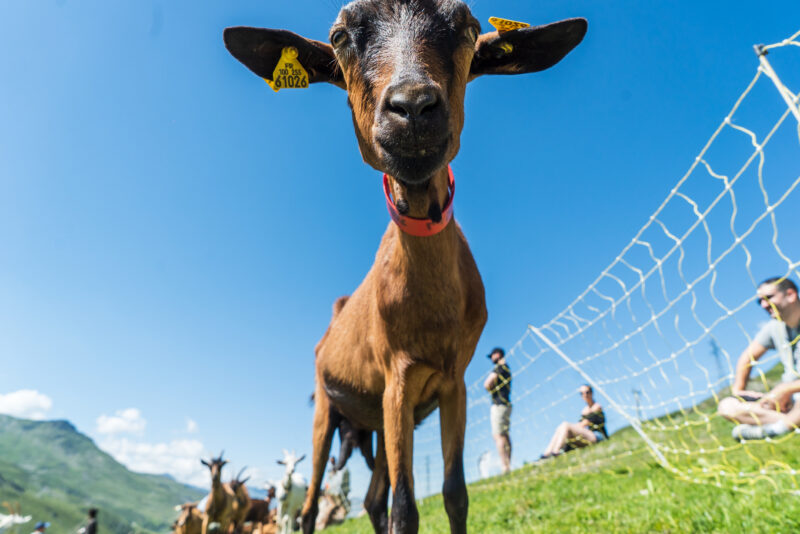
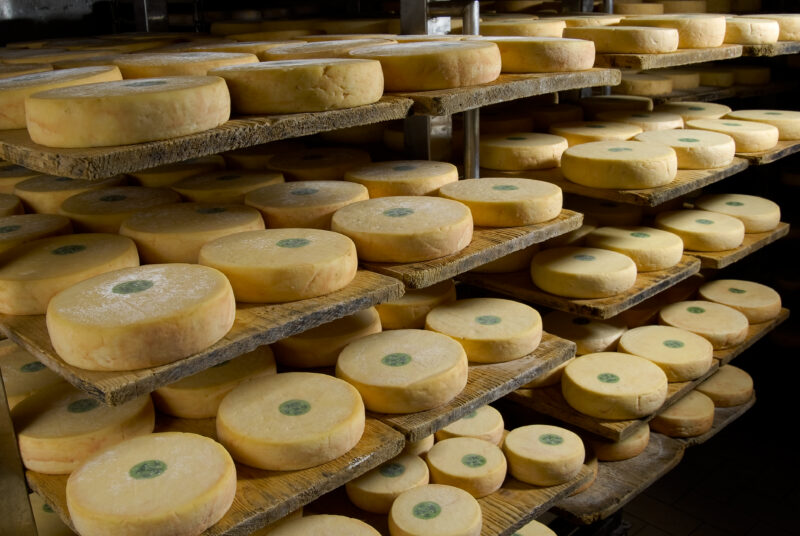
The integration of traditional farming with modern tourism remains a cornerstone of the summer economy in the French Alps. In the Belleville Valley, specifically within the hamlet of Villarenger, the emergence of artisanal goat farming highlights a trend of "neo-rurals"—individuals relocating from urban centers to maintain mountain traditions. Gaëlle, a former city dweller, has established a goat farm focused on the production of Tomme and raclette cheeses. By offering milking demonstrations and traditional cheese-making workshops, the farm provides visitors with an empirical understanding of the labor-intensive processes behind regional dairy products.
Further north, in the Annecy Mountains, the Ferme de Lorette on the Plateau of Beauregard exemplifies the longevity of these agricultural traditions. Founded in 1919, the farm operates within a Natura 2000 protected site, a designation under European Union law intended to ensure the long-term survival of Europe’s most valuable and threatened species and habitats. The farm’s proximity to Geneva—approximately 90 minutes by car—makes it a primary site for educational tourism, where visitors can observe sustainable farming practices that have remained largely unchanged for over a century.
The culinary scene is also expanding with the opening of Le Grenier at the Hôtel Saint Martin in the Belleville Valley. Scheduled for its inaugural summer season in 2026, the restaurant emphasizes a "farm-to-table" philosophy, utilizing seasonal, locally sourced ingredients. With menus starting at €16, the establishment targets both the high-end market and casual mountain bikers utilizing the adjacent village gondola.
Competitive Trail Running and High-Altitude Athletics
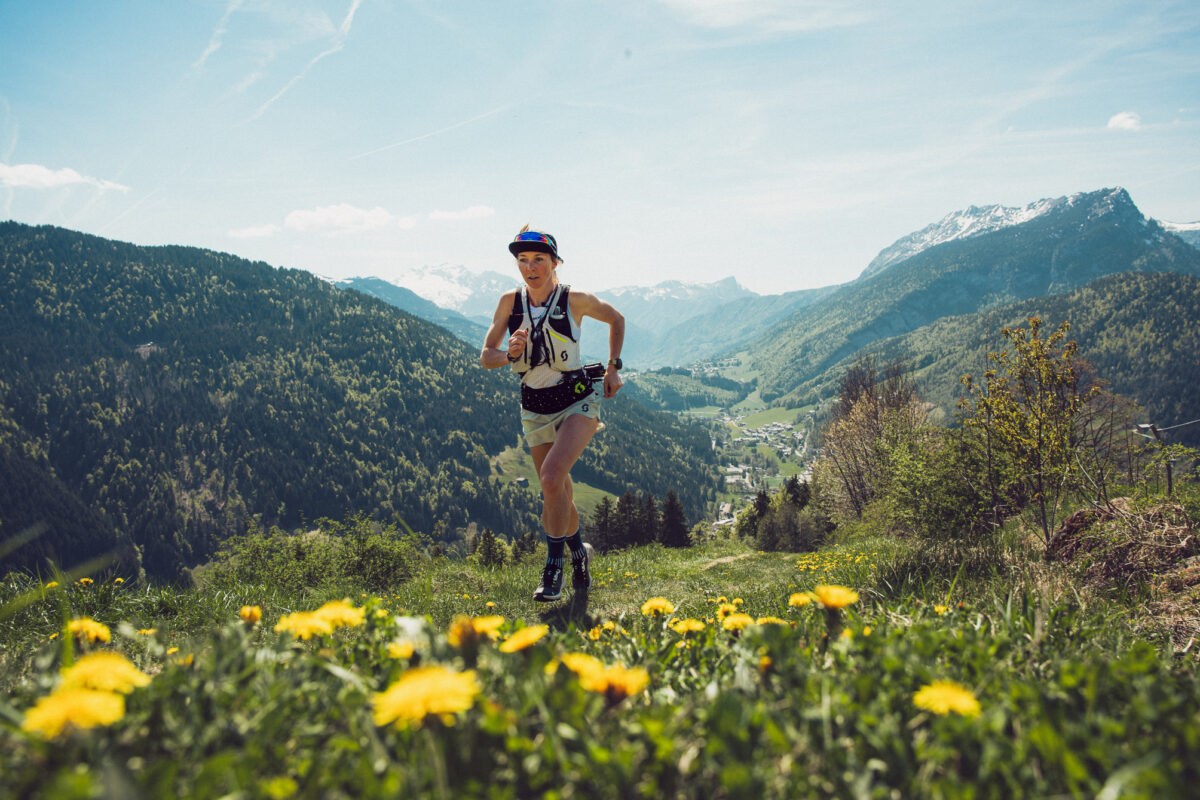
Summer 2026 marks a significant milestone for competitive mountain sports with the launch of the Grand Raid Kiprun 3 Vallées Moûtiers. Scheduled from July 30 to August 2, the event introduces a series of seven races designed to test various skill levels. The technical highlight of this event is the "high-altitude start" format, which remains a rarity in the global trail running circuit.
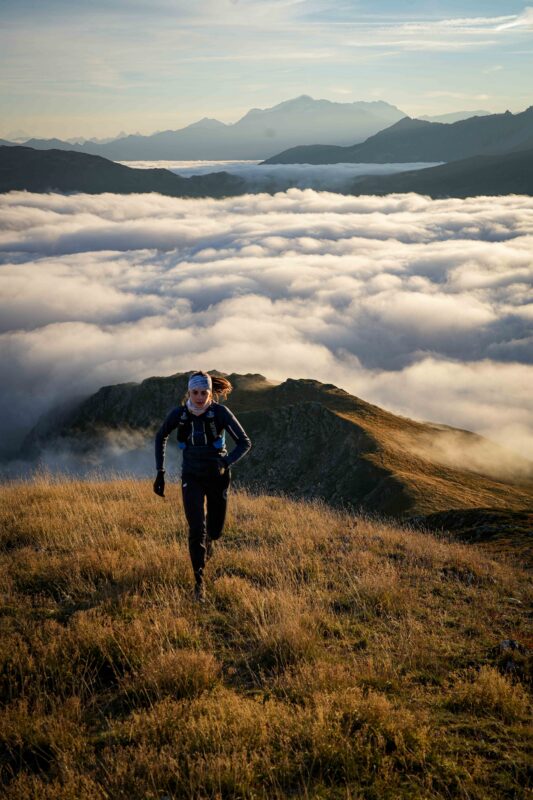
Two specific races will commence at extreme elevations: Cime Caron at 3,200 meters and Pointe de la Masse at 2,804 meters. The flagship event, a 172km ultra-marathon featuring a cumulative elevation gain of 12,000 meters, positions the Tarentaise Valley as a premier destination for endurance athletes. According to industry data, trail running has seen a 12% annual growth rate in participation over the last decade, and events of this scale are estimated to bring significant economic influx to host resorts during the traditional "shoulder" seasons.
In Le Grand-Bornand, the Verti Grand-Bo event on June 27 introduces a different competitive format. Developed in association with local professional runner Iris Pessey, the race challenges participants to complete as many ascents as possible within a four- or six-hour window. The course covers 1.8km with a vertical gain of 412 meters, linking the base of the La Joyère cable car to its summit. This "vertical kilometer" style of racing appeals to a niche but growing demographic of mountain runners focused on explosive uphill power.
Therapeutic Innovation and Wellness
The Bouchet Valley in Le Grand-Bornand is expanding its wellness offerings through equine therapy at the Equit’Horizon riding center. Founded by Amanda Locatelli, the center focuses on the psychological and educational benefits of human-horse interaction. Equine-assisted therapy (EAT) has gained recognition in the medical community for its efficacy in treating social issues, learning difficulties, and physical disabilities.

The center offers sessions at €45 per hour, catering to both experienced riders and vulnerable clients seeking therapeutic outcomes. This shift toward "slow tourism" and mental health-focused activities reflects a broader trend in the Alps, where resorts are increasingly marketed as centers for holistic recovery rather than just physical exertion.
The Evolution of Alpine Trekking: The Deluxe Model
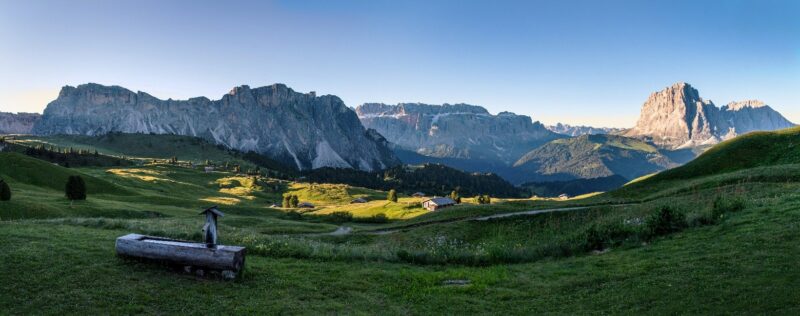
In the Italian Dolomites, the Curona de Gherdëina trekking route is being rebranded to include a "Deluxe" self-guided option. This five-day tour spans approximately 60 kilometers, traversing five distinct massifs: Odle, Puez, Sella, Sassolungo, and Alpe di Siusi. While traditional "hut-to-hut" trekking remains popular, the Deluxe version caters to an aging but active demographic that seeks high-alpine challenges during the day and premium hospitality in the evening.
The route utilizes the Val Gardena Mobil Card system, allowing hikers to access various stages via cable cars and bus connections. This infrastructure reduces the logistical barriers to multi-day trekking, making the UNESCO World Heritage landscapes of the Dolomites more accessible to a wider range of fitness levels.
Infrastructure for Multi-Generational Family Travel
The demand for high-end, self-catering accommodations has led to the expansion of the OVO Network’s "Cool for Kids" portfolio for the 2026 season. New properties include Chalet RevAlp in Combloux, Chalet Anthocyane in La Clusaz, and Chalet Le Jorat in Les Contamines-Montjoie. These properties are designed to accommodate multi-generational groups, a segment of the travel market that has grown by 20% since 2022.
A notable addition is Chalet Nivalis in Valmeinier, a four-star property with a "Cycling Friendly" label, reflecting the surge in e-bike and road cycling tourism. For the week of July 25, 2026, rental prices for these luxury chalets are positioned competitively, with Chalet Nivalis priced at approximately £270 per person for a group of eight.
To complement these accommodations, the Belleville Valley is reintroducing the "My Mountain Adventure" program from July 6 to August 28. Managed by the École du Ski Français (ESF) Les Menuires, the program provides structured outdoor activities for youths aged 3 to 17. Activities range from nature discovery for younger children to rafting and canyoning for teenagers, allowing parents to engage in independent mountain activities while children receive professional supervision.
In Le Grand-Bornand, the "Farm School" initiative (July 4 – August 26) targets children aged 5 to 12. At €21 per session, children are taught the fundamentals of sustainable farming at an 18th-century farmhouse. This educational approach to tourism is designed to foster an early appreciation for alpine ecology and traditional rural economies.
Cultural Programming and the Craft Beverage Sector
The summer 2026 calendar includes several events focused on the burgeoning alpine craft beer industry. On July 24 and 25, Saint Martin de Belleville will host a festival celebrating Brava Vela, a local brewery. Simultaneously, Ortisei in Val Gardena will host the Gherdëina Craft Beer Festival on July 25, featuring homebrews and food pairings.
The growth of local breweries in mountain regions serves as an important economic diversifier. By utilizing local glacial water and regional ingredients, these breweries create a distinct "terroir" for their products, similar to the wine industry, which enhances the cultural identity of the resorts.
Broader Impact and Implications for the 2026 Season
The diverse range of activities planned for the summer of 2026 indicates a strategic shift in how mountain resorts perceive their "off-season." The transition from a snow-dependent economy to a multi-activity summer model is no longer a luxury but a necessity driven by climate volatility.
By investing in high-altitude trail running, luxury trekking, and specialized family programs, resorts are successfully attracting a demographic that might previously have chosen coastal destinations. The economic impact is twofold: it provides year-round employment for local residents—from cheese makers like Gaëlle to mountain guides and restaurant staff—and it ensures the long-term viability of the hospitality infrastructure.
Furthermore, the emphasis on Natura 2000 sites and sustainable farming education suggests that the 2026 season will prioritize ecological stewardship alongside economic growth. As the "coolcation" trend intensifies, these mountain regions are positioned to become the primary retreats for a European population seeking relief from the summer heat, provided they can continue to balance high-volume tourism with the preservation of their delicate alpine environments.

