
As the global community accelerates its transition toward renewable energy sources, a parallel escalation in sophisticated opposition campaigns has emerged across digital and traditional media platforms. These campaigns, often characterized by high-production value and strategic placement, aim to foster public skepticism regarding the viability, safety, and environmental impact of clean energy technologies. From claims that offshore wind turbines negatively affect coastal property values to assertions that solar arrays permanently degrade agricultural land, the rhetoric surrounding the energy transition has become a central battleground in the broader climate discourse. Experts and advocacy groups, such as Protect Our Winters, have identified these patterns not as organic grassroots concerns, but as part of a coordinated disinformation strategy frequently linked to established fossil fuel interests seeking to protect existing market shares.
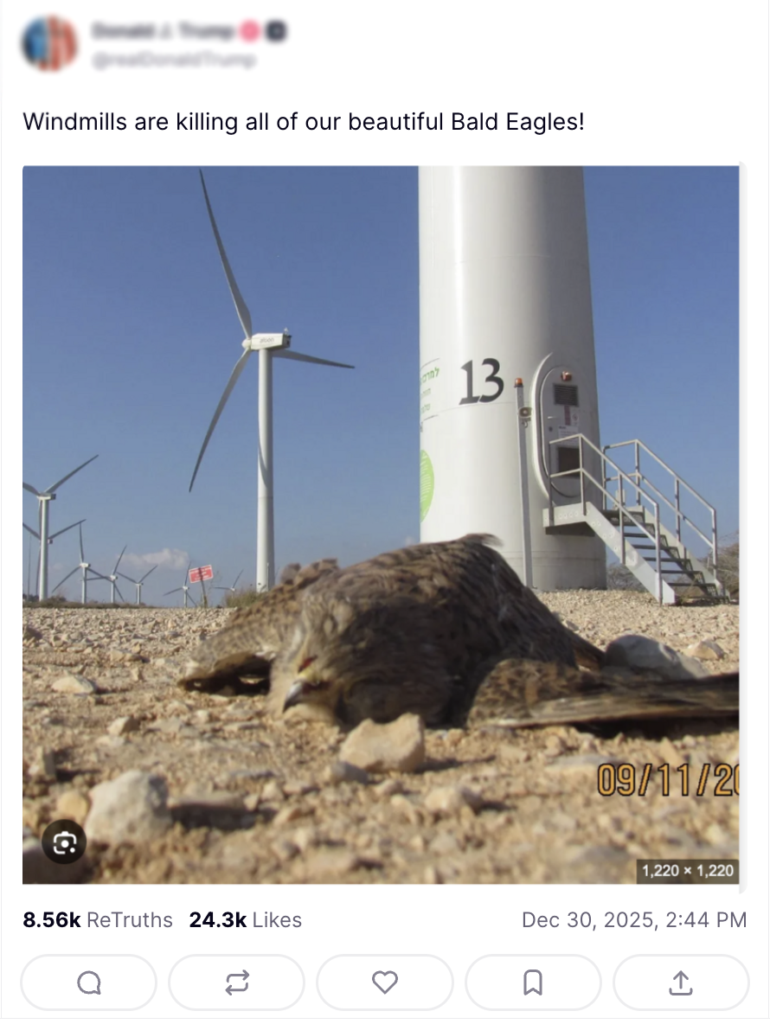
The challenge in modern discourse lies in the critical distinction between misinformation and disinformation. Misinformation refers to the inadvertent sharing of false or inaccurate data, often by individuals who believe they are contributing meaningfully to a conversation. In contrast, disinformation involves the intentional creation and dissemination of deceptive narratives designed to distract, delay, or undermine public policy and institutional accountability. Within the renewable energy sector, this often manifests as the "red herring" fallacy—shifting focus toward minor or manageable drawbacks of green technology to obscure the far more catastrophic systemic impacts of continued fossil fuel reliance. By seeding doubt through exaggerated claims about bird mortality at wind farms or the carbon footprint of electric vehicle (EV) manufacturing, these campaigns effectively stall legislative progress and fracture public consensus.
A Chronology of Climate Obstruction and Narrative Shifts
The history of organized opposition to energy transitions reveals a calculated evolution in tactics. In the late 20th century, specifically during the 1970s and 1980s, internal documents from major oil and gas corporations indicated a sophisticated understanding of the link between fossil fuel combustion and global warming. However, public-facing messaging during this era focused on outright climate denial, questioning the fundamental science of the greenhouse effect.
By the early 2000s, as scientific consensus became undeniable, the narrative shifted toward "climate skepticism," emphasizing natural variability and downplaying human agency. In the current decade, the strategy has evolved again into what researchers call "climate delayism." This tactic does not necessarily deny that the climate is changing but argues that the proposed solutions—such as wind, solar, and electrification—are too expensive, unreliable, or environmentally damaging to be viable. This chronological shift allows fossil fuel entities to present themselves as cautious realists while continuing to expand oil and gas production. Recent data shows that despite public commitments to decarbonization and net-zero targets, many of the world’s largest energy suppliers have increased capital expenditure for new fossil fuel exploration, creating a stark divergence between corporate rhetoric and operational reality.
Comparative Data: Deciphering the Truth Behind Common Myths
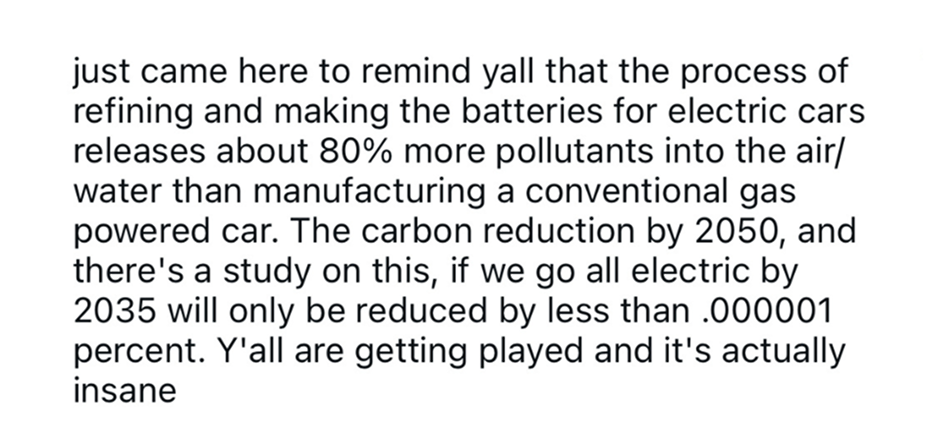
To counter the prevailing disinformation, researchers have increasingly turned to lifecycle assessments (LCA) to provide a factual basis for comparison between traditional and renewable energy systems. One of the most persistent narratives involves the environmental cost of electric vehicle production, particularly regarding mineral extraction for batteries.
According to a comprehensive study by the Massachusetts Institute of Technology (MIT) Energy Initiative, the lifecycle emissions of a battery-electric vehicle (BEV) are significantly lower than those of internal combustion engine (ICE) vehicles, even when accounting for the intensive mining of lithium, cobalt, and nickel. The study found that a standard gasoline-powered car emits approximately 350 grams of CO2 per mile driven over its total lifespan. In contrast, a fully electric vehicle, even when charged on a power grid with a moderate mix of fossil fuels, averages roughly 200 grams per mile. As the global power grid continues to integrate more renewables, the carbon advantage of EVs is projected to widen.
Similar data-driven insights are applied to the controversy surrounding offshore wind and marine ecosystems. While disinformation campaigns often highlight the disruption caused by turbine installation, they frequently omit the comparative damage caused by offshore oil and gas operations. The Bureau of Ocean Energy Management (BOEM) and various marine biological associations note that while any industrial infrastructure has an environmental footprint, offshore wind avoids the catastrophic risks associated with oil spills, which can devastate aquatic habitats for decades. Furthermore, climate change itself remains the primary driver of ocean acidification and warming, which pose an existential threat to marine biodiversity far greater than the localized impact of wind turbine foundations.
The Economic Reality: LCOE and Market Trends
The financial argument against renewables is another pillar of the current disinformation campaign, yet market data suggests a different reality. The Levelized Cost of Energy (LCOE), which measures the average net present cost of electricity generation for a generating plant over its lifetime, has seen a dramatic decline for renewables over the last decade.
Data from Lazard’s annual LCOE report indicates that since 2009, the cost of wind energy has dropped by approximately 70%, while utility-scale solar has seen a staggering 90% decrease in costs. In many regions, building new wind or solar capacity is now more cost-effective than continuing to operate existing coal or nuclear plants. This economic shift is a primary driver of the transition, as institutional investors and utility companies recognize the long-term financial risks associated with "stranded assets"—fossil fuel infrastructure that becomes obsolete before the end of its economic life due to regulatory changes or competitive pressure from cheaper renewables.
Official Responses and Expert Analysis
International bodies have begun to take formal stances against the spread of energy disinformation. The Intergovernmental Panel on Climate Change (IPCC) highlighted in its Sixth Assessment Report that "rhetoric and misinformation on climate change and the deliberate undermining of science" have contributed to a lack of public support for climate policy. Similarly, the International Energy Agency (IEA) has emphasized that the path to net-zero emissions requires an immediate and massive scale-up of all available clean energy technologies, warning that delays caused by social or political friction could make climate targets unachievable.
Environmental advocates and digital analysts suggest that the "perfection trap" is a key component of anti-renewable sentiment. By demanding that renewable energy be 100% impact-free—a standard never applied to the fossil fuel industry—critics create an impossible threshold for progress. Fact-based analysis suggests that the goal of the energy transition is not to find a "perfect" source of power, but to implement the "best available" solutions that significantly reduce ecological harm while maintaining the modern standards of living required for global stability.

Broader Impact and the Future of Energy Discourse
The implications of these disinformation campaigns extend beyond environmental policy; they affect national security, economic competitiveness, and social cohesion. Countries that successfully navigate the transition and secure a lead in green technology manufacturing are expected to dominate the 21st-century global economy. Conversely, regions that succumb to disinformation and delay their transition risk becoming dependent on increasingly volatile global oil markets and falling behind in the race for technological innovation.
Furthermore, the social impact of these campaigns is seen in the polarization of local communities. Proposed solar and wind projects often face intense local opposition fueled by "Not In My Backyard" (NIMBY) sentiments, which are frequently amplified by external actors providing misleading data on health risks or property devaluation. Addressing these concerns requires a multi-faceted approach involving transparent community engagement, robust scientific literacy programs, and legislative measures to ensure that the benefits of the clean energy economy—such as job creation and lower energy costs—are equitably distributed.
As the energy landscape continues to evolve, the ability of the public to discern fact from fiction will remain a critical factor in the success of global climate initiatives. Organizations like Protect Our Winters emphasize that while individual skepticism is a natural part of any major societal shift, the systemic manufacture of doubt by vested interests must be met with a rigorous commitment to scientific evidence and proactive advocacy. By participating in the democratic process, supporting transparent energy policies, and promoting data-driven discourse, stakeholders can ensure that the transition to a sustainable future is guided by progress rather than propaganda.

