
The 30th Annual United Nations Climate Change Conference (COP30), held in the Amazonian port city of Belém, Brazil, concluded with a stark divide between the urgent demands of climate science and the geopolitical realities of international diplomacy. As the first COP hosted in the heart of the world’s largest rainforest, the summit was intended to be a "Gateway to the Amazon," centering the voices of Indigenous peoples and the protection of critical biomes. However, despite the presence of over 60,000 delegates representing nearly 200 nations, the final negotiated outcomes have drawn criticism for failing to explicitly address the primary driver of global warming: fossil fuels.
The Geopolitical Landscape and the Blue Zone
The conference was divided into two primary spheres: the Green Zone, open to the public and civil society, and the Blue Zone, the restricted epicenter where official UN negotiations occurred. The Blue Zone functioned as a high-stakes global forum, hosting pavilions from governments, non-governmental organizations (NGOs), and international coalitions. These venues served as hubs for two weeks of intensive diplomacy, side events, and press conferences.
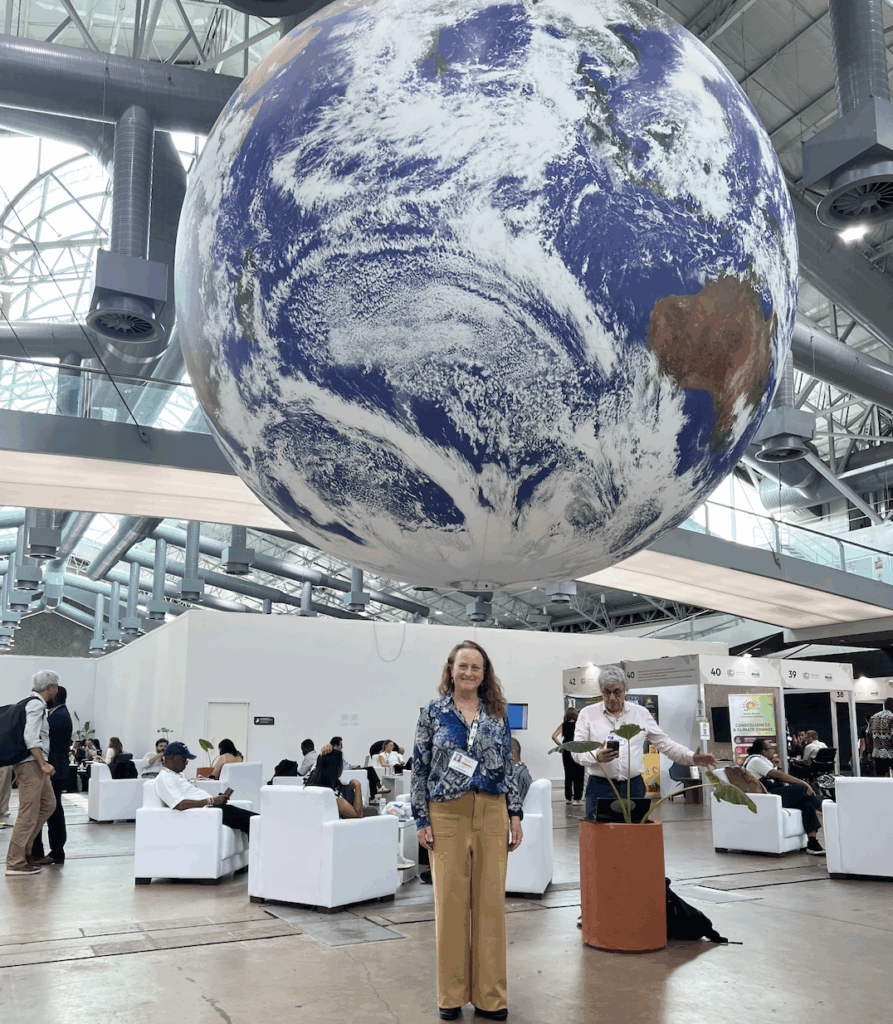
The atmosphere within the Blue Zone was characterized by a paradoxical mix of cultural vibrancy and administrative tension. National pavilions, such as those from India and Portugal, utilized aesthetic symbols and hospitality to foster camaraderie and showcase climate ambitions. Conversely, the presence of the Climate Mobility Hub highlighted the somber reality of climate-induced migration and the "loss and damage" already being sustained by vulnerable populations. A prominent installation—a giant plastic Earth suspended from the ceiling—served as a persistent visual reminder of the ecological stakes under deliberation.
Chronology of COP30: From High-Level Ambition to Negotiated Compromise
The conference, which took place from November 11 to November 28, followed a structured progression that moved from high-level vision statements to the granular, often contentious, drafting of final agreements.
Phase 1: High-Level Segment and Sub-National Leadership (November 11–17)
The opening week was marked by the arrival of heads of state and sub-national leaders. While the official United States federal delegation was notably absent—a result of the Trump administration’s decision not to send official negotiators—local and state leaders from 26 U.S. states filled the vacuum. This period saw significant bilateral agreements outside the formal UN process. California Governor Gavin Newsom, for instance, signed a series of methane reduction agreements with Colombia and electric vehicle (EV) expansion pacts with Nigeria. The Local Leaders Forum, held in Rio de Janeiro just prior to the summit, signaled a shift toward "bottom-up" climate action led by mayors and governors.
Phase 2: Technical Negotiations and Civil Society Pressure (November 18–23)
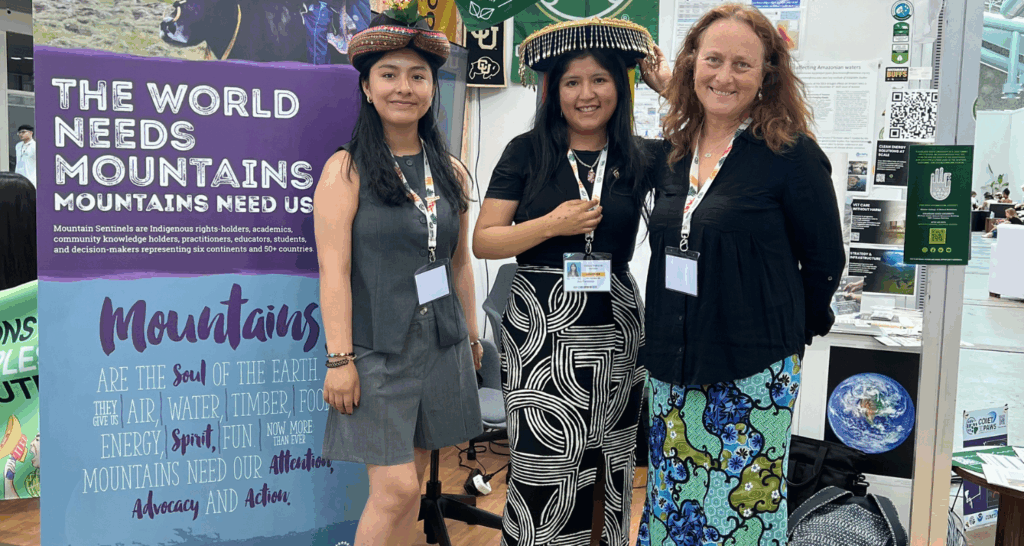
The second week shifted toward technical negotiations involving the Research and Independent Non-Governmental Organizations (RINGO) community and various UNFCCC constituencies. Academic institutions, including Colorado State University and the University of Colorado Boulder, showcased research on mountain ecosystem resilience. During this period, civil society pressure intensified. Protesters and Indigenous activists conducted demonstrations both within and outside the venue, demanding that the "polluter pays" principle be enshrined in the final text.
Phase 3: The Final Push and Language Contention (November 24–28)
The concluding days were dominated by the struggle over the "Global Stocktake" and the language regarding the phase-out of fossil fuels. While a coalition of over 80 nations pushed for a clear commitment to end fossil fuel reliance, opposition from petrostates led to a protracted deadlock. The final document, released after the summit’s scheduled end, omitted any direct mention of "fossil fuels," focusing instead on broader, less specific energy transition goals.
The Absence of U.S. Federal Diplomacy
The lack of an official U.S. negotiating team created a significant hurdle for international consensus. Historically, the United States has played a pivotal role as a "broker" in closed-door sessions, helping to bridge the gap between developing nations and industrialized economies. Former U.S. negotiators present in an unofficial capacity noted that without federal representation, it became increasingly difficult to move complex deals across the finish line.
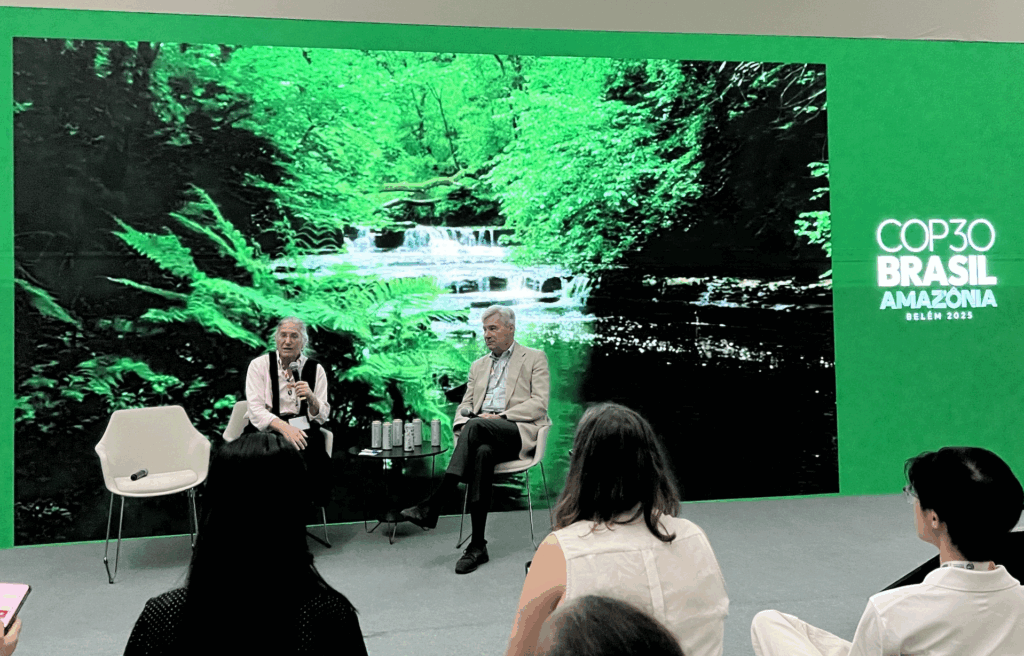
Despite this, the "America Is All In" coalition and the U.S. Climate Alliance represented a significant portion of the American economy and emissions profile. Senator Sheldon Whitehouse of Rhode Island, the sole member of Congress in attendance, emphasized the artificial nature of climate partisanship in the U.S., attributing it to extensive spending by the fossil fuel industry. He argued that as long as the industry is permitted to "pollute for free," a viable pathway to climate safety remains elusive.
Indigenous Representation and the "Power Gap"
As the host nation, Brazil aimed to elevate Indigenous leadership, a key constituency of the UNFCCC. The number of Indigenous delegates in the Blue Zone rose to 900, a significant increase from the 300 present at COP29. These leaders shared climate solutions rooted in traditional land stewardship and demanded that their territories be recognized as central to national climate targets.
However, observers noted a persistent "power gap." While Indigenous presence increased, it was still dwarfed by the influence of the fossil fuel industry, which sent more than 1,800 lobbyists to the summit—double the number of Indigenous representatives. Furthermore, the equity of the space was called into question due to logistical barriers. Many delegates from the Global South, including representatives from the Andes and Africa, faced insurmountable hurdles regarding visas, travel costs, and language accessibility, as much of the programming remained exclusively in English.
Data and Environmental Realities: The 1.5°C Threshold
The primary scientific objective of COP30 was to establish a roadmap to limit global warming to 1.5°C by 2035. According to the United Nations Environment Programme (UNEP), achieving this target requires a 55% reduction in current greenhouse gas emissions by the end of the decade.
Data presented during the summit underscored the vulnerability of mountain regions and the Amazonian biome. Over the last 30 years, mountain ecosystems—which provide water for half of the world’s population—have seen accelerated glacial melt and biodiversity loss. In the Amazon, the "tipping point" at which the forest can no longer sustain itself is approaching faster than previously modeled, primarily due to the dual pressures of deforestation and global temperature rise.
Analysis of Outcomes and Implications
The omission of the term "fossil fuels" from the final negotiated text is viewed by many scientists and policy analysts as a significant setback. It reflects the ongoing influence of major oil and gas-producing nations in the UNFCCC process. However, the summit did yield several "meaningful wins" that provide a foundation for future action:
- Loss and Damage Fund Operationalization: Progress was made in streamlining the delivery of funds to nations already experiencing the catastrophic effects of climate change.
- Small Island Developing States (SIDS) Protections: New commitments were secured to bolster the climate resilience of low-lying island nations.
- Methane and EV Expansion: Sub-national agreements, such as those led by U.S. governors, demonstrated that climate policy can advance through regional alliances even in the absence of federal consensus.
- Legal Precedents: The summit highlighted the growing role of climate litigation. The case of Saúl Luciano Lliuya, a Peruvian farmer suing the German energy giant RWE for its role in glacial melt, was a central theme in discussions regarding corporate accountability and "climate damage" exhibits.
Broader Impact on Global Climate Policy
The results of COP30 suggest a shift in the landscape of global climate governance. While the "top-down" UN process remains bogged down by the interests of petrostates and the absence of key federal players, "bottom-up" action from civil society, sub-national governments, and the legal system is gaining momentum.
The phrase "we need everyone, everywhere, all at once," echoed by negotiators in Belém, has become a rallying cry for the "Outdoor State"—a coalition of recreationists, scientists, and mountain communities. For these groups, the stakes of COP30 were not theoretical; they were visible in the receding glaciers of the Andes and the smoke of the burning Amazon.
As the world looks toward COP31, the legacy of Belém will likely be defined by the tension between symbolic representation and substantive power. While the world gathered in the heart of the Amazon to decide the future of the climate, the persistent roadblocks of industrial lobbying and geopolitical hesitation ensured that the most critical decisions were once again deferred. The forward motion achieved was incremental, leaving a significant gap between current policy trajectories and the 1.5°C goal necessitated by climate science.

