
Austrian pro skier Bernhard Braun has shared a harrowing account of what he describes as the "scariest run of my life" during a recent descent of the formidable Albonakopf peak in the Arlberg massif. The daring exploit, captured and later shared on Braun’s YouTube channel, details a near-vertical, no-fall zone descent that pushed the limits of the seasoned athlete.
The Ascent and the Aspiration
The Albonakopf, a mountain long recognized for its striking beauty and formidable challenges, has held a special place in Braun’s aspirations for nearly two decades. The skier recounts childhood memories of gazing at the "beautiful, terrifying titan," dreaming of the day he would stand atop its summit and carve a path down its imposing slopes. This long-held ambition finally materialized earlier this month when, accompanied by Joshua Braun, Bernhard embarked on a quest to conquer the mountain’s direct East Face approach – a line believed to have been skied only once before.
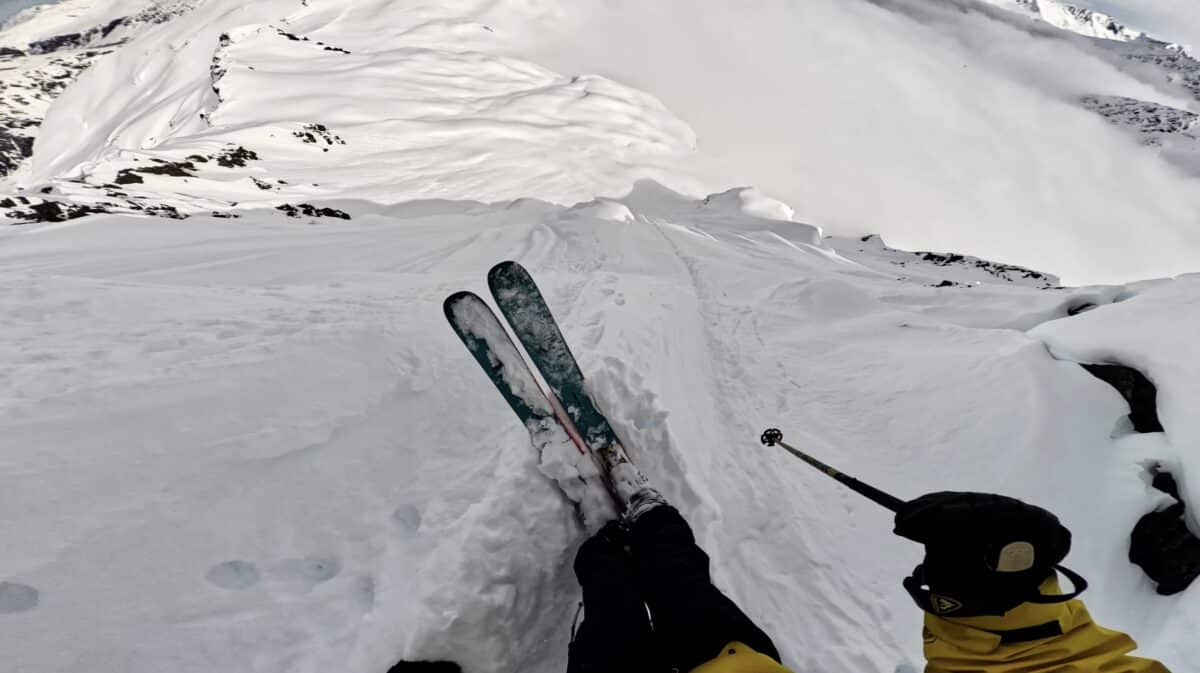
The expedition was meticulously planned, acknowledging the extreme nature of the chosen route. The East Face of Albonakopf presents a series of daunting obstacles, including sections of up to 60-degree steepness, precarious 30-meter cliffs situated below the upper reaches, and a mandatory cliff band near the mountain’s base. The terrain is characterized by technical spines and unforgiving snow conditions, rendering it a strict "no-fall zone." For any skier venturing down this path, a single mistake could have catastrophic consequences, leading to an uncontrolled descent down sheer, impassable terrain.
The Descent: A Symphony of Risk and Resilience
Braun’s narrative vividly portrays the intense mental and physical demands of the descent. He describes navigating through the steep, challenging terrain, acutely aware of the razor-thin margin for error. The video footage, while capturing the raw exhilaration of the experience, also underscores the profound risks involved. Braun details several "close calls," moments where his control was tested by the unforgiving gradient, the presence of hidden obstacles beneath the snow, and the unpredictable nature of the choppy snowpack.
The psychological pressure of skiing a no-fall zone of this magnitude is immense. Braun articulates a pivotal moment, standing at the precipice of a significant drop, where he was struck by an overwhelming sense of his own vulnerability in the face of nature’s grandeur and power. This realization, he states, marked "the scariest moment of my life."

Despite the inherent dangers, Braun’s technical skill and mental fortitude allowed him to navigate the initial, most perilous sections of the descent successfully. He emphasizes that "everything went to plan – until after the final cliff." It was in the final stages of the run, as he approached the lower sections of the mountain, that an unforeseen circumstance led to an accident.
The Unforeseen Tumble
According to Braun’s account, a single wind drift of snow, combined with a turn executed "one second too late," disrupted his carefully planned trajectory. This sequence of events left him with only one viable option: to accept the inevitable consequence of the mistake. The skier ultimately experienced a crash near the bottom of the run. Fortunately, the impact occurred in a location where he was able to arrest his descent, preventing a more dangerous continuation down the mountain.
Braun’s reflection on the experience highlights a nuanced perspective on success. He states, "For me personally, crossing the finish line before the crash made it a huge success." This sentiment underscores the skier’s focus on overcoming the immense psychological barrier and executing the challenging line, even in the face of an imperfect landing. He concludes, "Sometimes overcoming fear matters more than perfection!"
Background and Context: The Allure of Extreme Skiing
The Albonakopf, part of Austria’s Arlberg region, is renowned for its challenging alpine terrain, attracting experienced mountaineers and skiers. The Arlberg is historically significant in the development of skiing, having hosted some of the earliest ski schools and competitions in the Alps. Mountains like the Albonakopf, with their steep couloirs and challenging snow conditions, represent the pinnacle of extreme skiing, demanding not only exceptional technical ability but also profound respect for the mountain environment.
Extreme skiing, also known as big mountain skiing or freeride skiing, involves descending steep, often ungroomed, and challenging slopes, frequently featuring cliffs, chutes, and variable snow conditions. Athletes in this discipline undergo rigorous training, honing their skills in technical skiing, avalanche safety, and risk management. The pursuit of such lines is driven by a combination of personal challenge, the aesthetic beauty of untouched powder and dramatic landscapes, and the desire to push the boundaries of human performance.
The year 2024 has seen a notable increase in documented extreme skiing descents and challenges, with skiers increasingly sharing their exploits through high-definition video content. This trend, facilitated by advancements in camera technology and social media platforms, allows a wider audience to witness the bravery and skill involved in these endeavors. However, it also brings renewed attention to the inherent risks associated with the sport.
Analysis and Implications
Bernhard Braun’s descent of the Albonakopf’s East Face serves as a compelling case study in the psychology and execution of extreme skiing. His candid admission of fear and the description of the "scariest moment of my life" offer a rare glimpse into the mental fortitude required to face such daunting challenges. The incident also underscores the unpredictable nature of the mountain environment, where even the most skilled athletes can be tested by factors beyond their control, such as wind-deposited snow.
The fact that Braun ultimately crossed the "finish line" before his crash, in his own assessment, elevates the success of the endeavor. This perspective highlights a growing emphasis within the extreme skiing community on the achievement of completing a challenging line, rather than solely on flawless execution. Overcoming fear and pushing personal boundaries are increasingly recognized as significant markers of success in this discipline.
The broader implications of such descents extend beyond individual athletic achievements. They contribute to the growing body of knowledge regarding safe practices in extreme alpine environments. The detailed accounts and visual documentation provided by skiers like Braun offer valuable insights for aspiring athletes, rescue teams, and avalanche forecasters. Furthermore, these narratives inspire a wider appreciation for the power and beauty of the natural world, while also serving as a potent reminder of the respect and caution required when engaging with it.
While this particular descent ended in a crash, the absence of serious injury is a testament to Braun’s controlled fall and the favorable landing zone. This outcome reinforces the importance of thorough preparation, risk assessment, and having contingency plans in place for extreme alpine activities. The skiing community will likely continue to follow Braun’s future endeavors, anticipating further demonstrations of his skill and courage in the face of nature’s most formidable challenges.

