
London, a sprawling metropolis known for its iconic landmarks and bustling urban life, is hardly the first place that comes to mind when envisioning snow-capped mountains and exhilarating ski runs. Yet, for a period, the city played host to an unusual winter sports attraction: an outdoor, synthetic ski slope known as the Beckton Alps. This ambitious, and ultimately ill-fated, venture offers a fascinating glimpse into unconventional urban development and the long-lasting environmental consequences of industrial waste. The story of Beckton Alps is not just about a defunct ski slope; it is a narrative woven from industrial ingenuity, recreational aspirations, and a stark reminder of the environmental challenges posed by unchecked industrial practices.
The Genesis of an Urban Alpine Dream
The tale of the Beckton Alps begins not with a desire for winter sports, but with the byproduct of a different kind of industry. For many years, the Beckton Gas Works, once one of the largest coal gasification plants in the world, operated in East London. As a consequence of its extensive operations, the site accumulated vast quantities of industrial waste. In a pragmatic, albeit environmentally oblivious, move, these byproducts were deposited on-site, creating a series of artificial mounds. Over time, these heaps of industrial residue grew to significant proportions, earning them the colloquial moniker "Beckton Alps."
It was amidst this unusual landscape that an idea took root: to transform this industrial wasteland into a recreational haven. The concept of a synthetic ski slope, a growing trend in the United Kingdom due to its ability to offer skiing experiences independent of natural snowfall, presented a novel solution. This approach allowed for the creation of a skiable surface in a location far removed from traditional alpine environments. The vision was to provide Londoners with a readily accessible, year-round skiing experience, a unique offering in a city where such activities were otherwise a distant prospect.
A Royal Inauguration and a Decade of Operation
The Beckton Alps synthetic ski slope officially opened its doors to the public and was famously christened by none other than Princess Diana in the late 1980s. The event marked a significant moment, bestowing a sense of royal approval on this unconventional sporting facility. For approximately 13 years, the slope served as a popular destination for skiers and snowboarders of all levels. It provided a much-needed outlet for winter sports enthusiasts, allowing them to practice their skills and enjoy the thrill of gliding down a slope without the need for extensive travel to mountainous regions.
The synthetic surface, while offering a consistent skiing experience, presented a different feel and challenge compared to natural snow. Nevertheless, the accessibility and novelty of the Beckton Alps made it a notable attraction within the London recreational landscape. Videos from the era showcase individuals enjoying the slopes, highlighting the initial success and public engagement with the unique venue. These visual records offer a window into a time when industrial byproducts were being repurposed for public enjoyment, a concept that, in retrospect, carries significant environmental implications.
The Decline of Beckton Alps and the Rise of Indoor Resorts
The landscape of recreational facilities is constantly evolving, and the Beckton Alps were not immune to these shifts. The early 2000s saw a burgeoning trend in the development of indoor ski resorts. These state-of-the-art facilities, offering a controlled environment with real snow, began to capture the public’s imagination and, consequently, the market share previously enjoyed by outdoor synthetic slopes. The allure of skiing on genuine snow, regardless of the external weather conditions, proved to be a powerful draw.
As the popularity of indoor ski centers grew, the demand for facilities like the Beckton Alps began to wane. The economic viability of maintaining the synthetic slope became increasingly challenging. Recognizing this shift and perhaps envisioning a more lucrative future, a new developer acquired the land in the early 2000s. The intention was to replace the outdoor slope with a modern, indoor ski resort, a move that seemed to align with the prevailing market trends and offer a more sustainable business model.
The Unfulfilled Promise and Lingering Environmental Scars
However, the grand plans for a new indoor ski resort at Beckton never materialized. The acquisition of the land marked not the beginning of a new era of winter sports, but rather the end of the Beckton Alps as a recreational site. The developer’s vision was thwarted, leaving the land in a state of abandonment. The artificial mounds, once a source of urban recreation, were left to the elements, becoming overgrown and increasingly neglected.
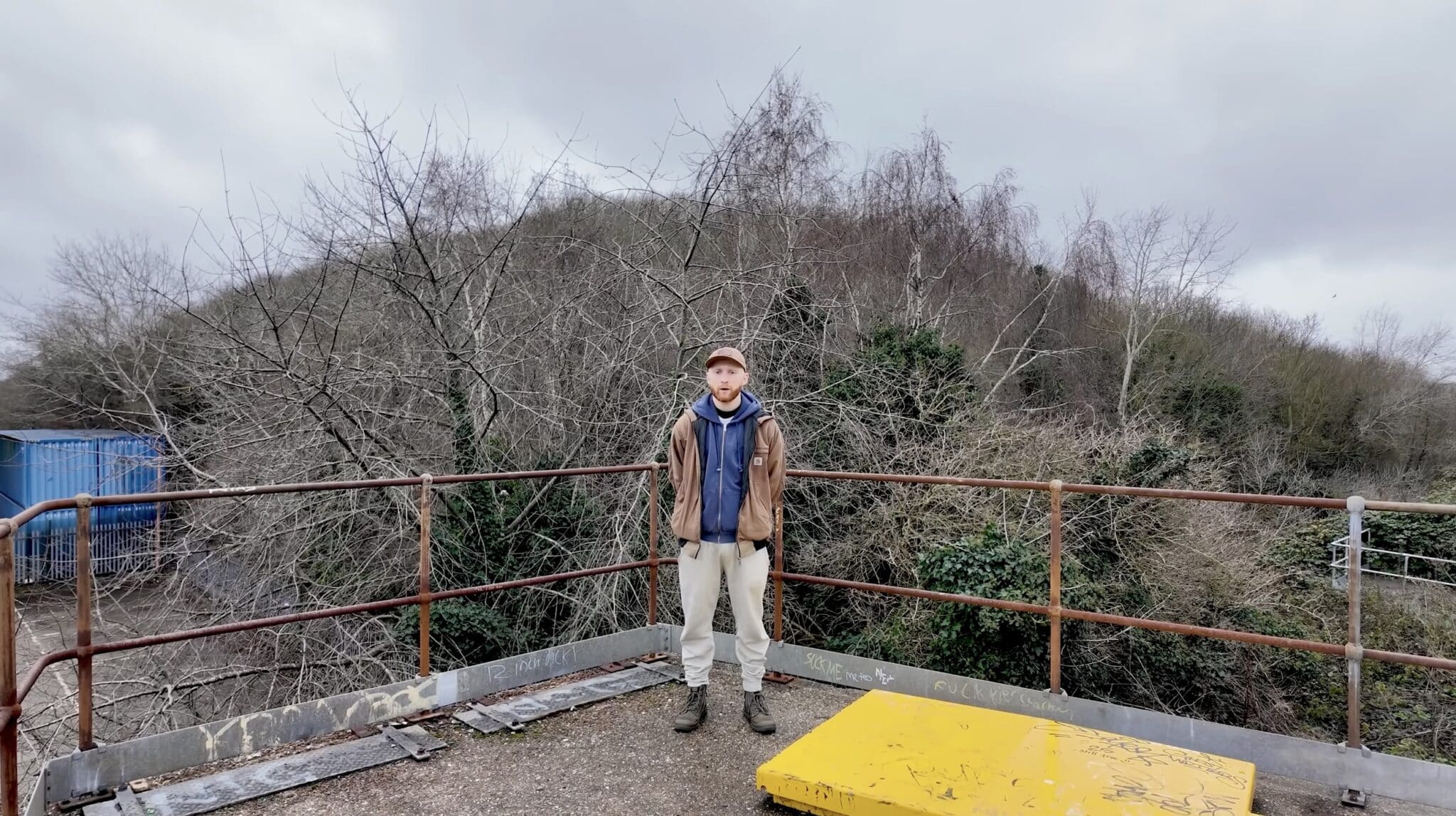
The true extent of the environmental ramifications began to emerge as the site fell into disrepair. The hazardous chemicals that had been buried within the landfill, the very foundation of the Beckton Alps, started to leach into the surrounding environment. The industrial byproducts, which had once been a source of concern for their potential toxicity, now posed a direct and ongoing environmental hazard. Reports and analyses, such as those presented in videos by Liam O’Sullivan, highlight the persistent contamination of the site, underscoring the long-term consequences of unchecked industrial waste disposal.
The land remains for sale to this day, with the potential for an indoor ski center still listed as a possible future use. However, the legacy of the Beckton Alps is now inextricably linked to its environmental challenges. The once-celebrated ski slope has transformed into a symbol of how industrial pasts can cast long shadows, necessitating careful remediation and responsible land management. The prospect of developing the site, whether for recreation or other purposes, is now complicated by the need to address the environmental contamination left behind.
Analysis of Implications and Broader Context
The story of Beckton Alps serves as a potent case study in urban development, industrial legacy, and environmental responsibility. The initial repurposing of industrial waste for recreational purposes, while seemingly innovative at the time, overlooked the potential for long-term ecological damage. The synthetic ski slope itself, a product of technological adaptation to urban limitations, ultimately succumbed to the evolution of the leisure industry and the persistent environmental issues associated with its foundation.
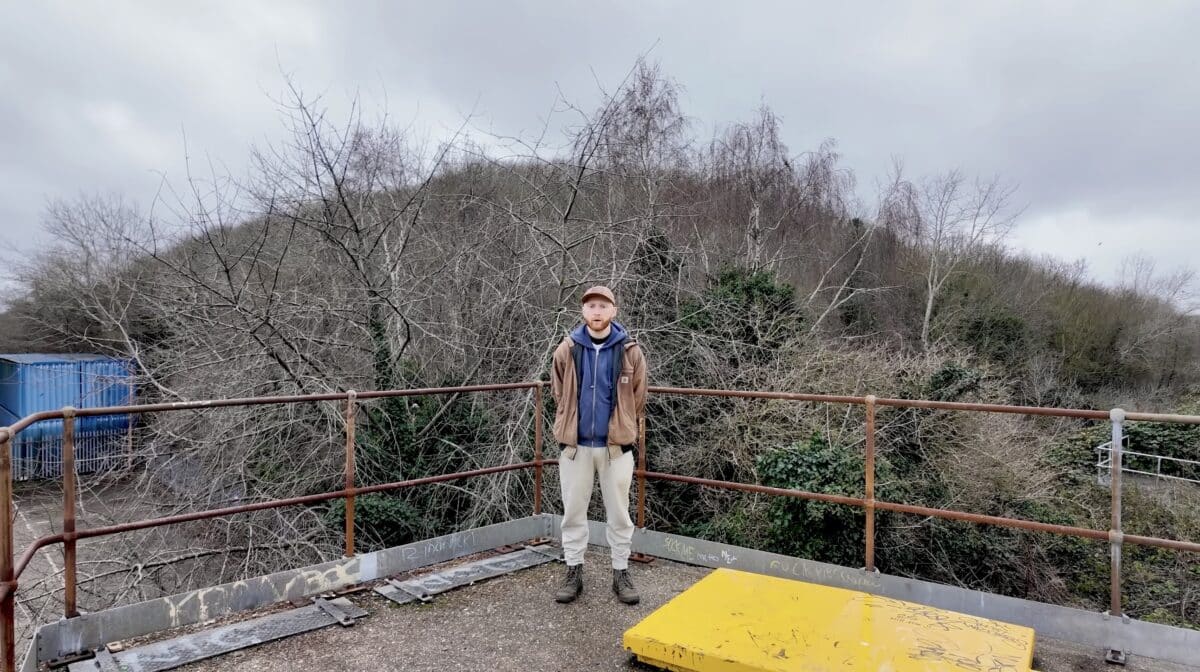
The environmental hazard posed by the leaking pollutants from the Beckton Alps landfill is a significant concern. The presence of hazardous chemicals can impact soil quality, water sources, and local ecosystems. The remediation of such sites is often a complex and costly undertaking, requiring extensive scientific assessment and engineering solutions. The fact that the land remains undeveloped and potentially still hazardous highlights the challenges associated with reclaiming and repurposing sites with a history of industrial contamination.
Furthermore, the evolution of the ski industry itself, from outdoor synthetic slopes to sophisticated indoor resorts, reflects broader trends in consumer preferences and technological advancements. While indoor facilities offer a more controlled and perhaps more appealing experience for many, they also come with their own environmental considerations, such as energy consumption for refrigeration and snowmaking.
Looking Ahead: Alternatives and Lessons Learned
For Londoners still seeking the thrill of skiing, the closest indoor ski-on-snow experience is The Snow Centre in Hemel Hempstead. Alternatively, London’s excellent transportation infrastructure provides convenient access to renowned skiing destinations across Europe, whether by air or rail. These options represent the modern landscape of winter sports access for urban dwellers, a stark contrast to the unique, if environmentally compromised, offering of the Beckton Alps.
The legacy of the Beckton Alps underscores the critical importance of thorough environmental impact assessments and responsible waste management practices in any development project, particularly those involving industrial sites. As urban populations grow and land becomes scarcer, innovative solutions for land use are necessary, but they must be pursued with a deep understanding and mitigation of potential environmental consequences. The story of Beckton Alps is a powerful reminder that even seemingly benign recreational ventures can have profound and lasting environmental implications if not carefully planned and executed with sustainability at their core. The site, once a place of playful descent, now stands as a silent testament to the complex interplay between industry, recreation, and the enduring imperative of environmental stewardship.
Image and Video Credits: Liam O’Sullivan, Peter George.

