
Grand Canyon National Park is issuing a stern advisory to all visitors, urging heightened vigilance against a surprisingly cunning and persistent threat to campsite security: the common raven. These intelligent birds, often underestimated, have become adept at pilfering food and disrupting the outdoor experience for unsuspecting campers. Park officials emphasize that these avian adversaries are not merely opportunistic scavengers but exhibit remarkable problem-solving skills, posing a significant challenge to traditional food storage methods.
The Rise of the Raven Raiders
The Grand Canyon, a UNESCO World Heritage site, attracts millions of visitors annually, drawn to its breathtaking vistas and unparalleled recreational opportunities. Among these, camping within the park’s vast wilderness offers an immersive experience. However, this serene setting has become a hunting ground for a population of ravens that have developed sophisticated tactics for acquiring human food. Park rangers have documented numerous instances where ravens have successfully accessed secured food containers, unzipped backpacks, and even dismantled cooking equipment to obtain sustenance.
This behavior is not new, but an increasing number of reports and observations suggest a growing boldness and ingenuity among the park’s raven population. Visitors have described ravens working in teams, with one bird distracting campers while another makes off with a prize. Others have witnessed ravens using tools, such as rocks or sticks, to break open containers or manipulate latches. This level of cognitive ability in corvids is well-documented in scientific literature, but its direct impact on visitor safety and experience at a major national park warrants specific attention.
Understanding the Raven’s Tactics
Ravens are known for their high intelligence, adaptability, and problem-solving capabilities. Their ability to learn, remember, and even mimic sounds contributes to their success as scavengers. In the context of Grand Canyon campsites, their methods often include:
- Strategic Observation: Ravens spend considerable time observing human activity, learning routines and identifying vulnerabilities in food storage and preparation.
- Teamwork and Coordination: They have been observed coordinating their efforts, with some birds acting as lookouts or distractions while others execute the theft.
- Dexterity and Tool Use: Their strong beaks and dexterous feet allow them to manipulate zippers, buckles, and even tear through certain types of fabric. Instances of using found objects as tools to access food have been reported.
- Persistence: Ravens are not easily deterred. They will often wait patiently for opportunities and repeatedly attempt to access food sources.
The park’s warning specifically highlights their ability to "tear into bags, open containers, steal food, and scatter kitchen supplies." This not only leads to the loss of valuable provisions but can also create a mess that attracts other wildlife, compounding the problem.

Official Recommendations for Deterrence
To combat these resourceful avian thieves, Grand Canyon National Park strongly advises visitors to implement a series of proactive measures:
- Secure All Food in Animal-Proof Containers: The most critical recommendation is the use of robust, bear-resistant or similarly secure food storage containers. These containers are designed to withstand the determined efforts of intelligent animals and are the most effective deterrent against ravens and other wildlife.
- Pack Away Kitchen Items When Not in Use: Even items that do not directly contain food can be attractive to ravens, either for their scent or as potential playthings. Storing all cooking utensils, pots, pans, and other camp kitchen gear promptly after use is essential.
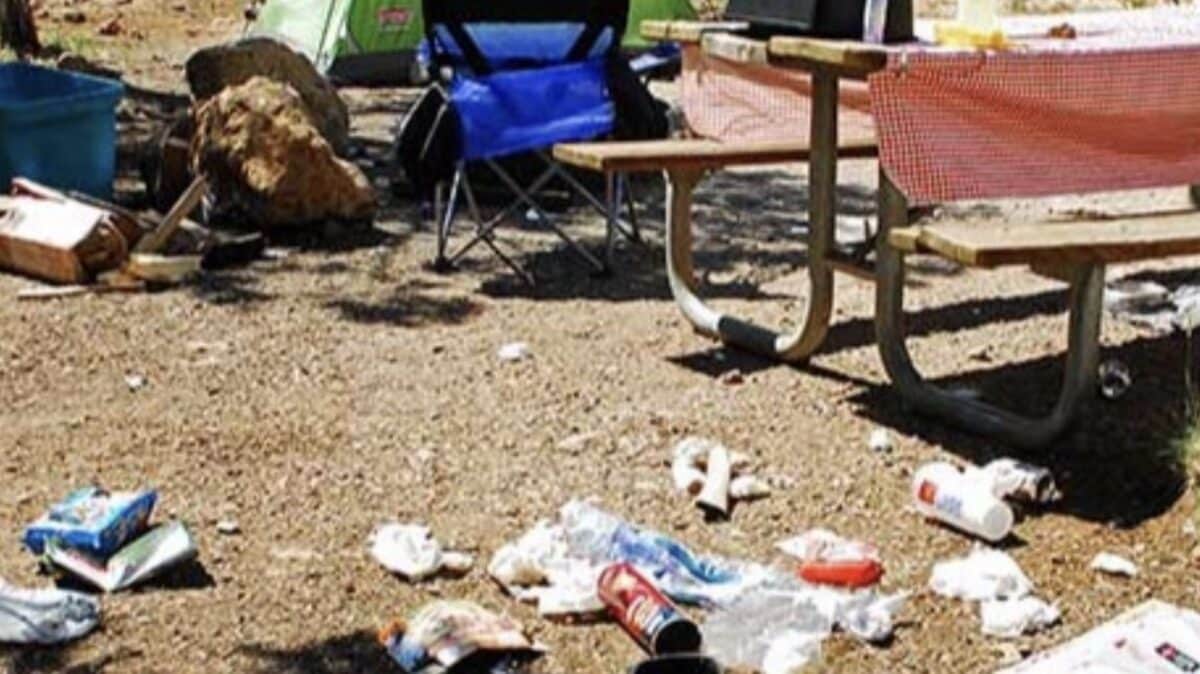
- Never Leave Trash or Scraps Unattended: Food scraps and even the scent of food residue can act as a powerful attractant. All trash should be disposed of in designated, animal-proof receptacles immediately. Thoroughly cleaning up any spills or dropped food is also paramount.
- Maintain a Clean Campsite: Beyond immediate food storage, a generally tidy campsite minimizes opportunities for ravens to discover forgotten crumbs or unattended items.
These guidelines are not solely for the prevention of raven-related incidents. The park emphasizes that maintaining a clean and secure campsite is crucial for deterring a wide array of wildlife, including rodents, squirrels, deer, and potentially larger mammals. Unattended food or garbage can lead to negative interactions between humans and wildlife, posing risks to both.
The Dangers of Food Conditioning
A significant concern for park management is the phenomenon of "food conditioning." When wild animals become accustomed to receiving food from humans, either directly or indirectly through unattended sources, they can develop a dependence that is detrimental to their well-being and potentially dangerous to park visitors.
- Nutritional Deficiencies: Human food often lacks the necessary nutrients that wild animals require for a healthy diet. Consuming processed or sugary foods can lead to sickness and long-term health problems.
- Loss of Natural Foraging Skills: Dependent animals may lose the ability to find their own food sources, making them vulnerable when human food is no longer available.
- Increased Aggression: As animals become more accustomed to human presence and food availability, they can become bolder and, in some cases, aggressive in their attempts to obtain food. This can escalate to the point where animals pose a direct threat to human safety.
In situations where animals become excessively habituated to human food and exhibit aggressive behavior, park authorities may be forced to take drastic measures, including euthanasia. This underscores the profound responsibility visitors have to protect wildlife by adhering to strict food storage and waste management protocols.
A Broader Context of Wildlife Protection
The issue of ravens at Grand Canyon National Park serves as a microcosm of a larger challenge faced by protected natural areas worldwide: balancing human access and enjoyment with the imperative of wildlife conservation. National Parks Service policies consistently advocate for a "wildlife first" approach, recognizing that the health of ecosystems depends on the natural behaviors and survival of their inhabitants.
The specific guidance provided by the park, as detailed in their resources on wildlife protection, reinforces the principle that feeding wild animals is strictly prohibited. This principle extends beyond the immediate threat of food theft by ravens to encompass the broader ecological implications of human interaction with wildlife. Resources such as the NPS article "Protecting Wildlife by Keeping Your Food Secure" offer in-depth information and rationale behind these regulations, emphasizing the long-term consequences of improper food management.
The park’s commitment to visitor education on these matters is evident through various interpretive programs, signage, and online resources. By proactively informing the public about the challenges posed by intelligent wildlife like ravens, Grand Canyon National Park aims to foster a culture of responsible stewardship among its visitors.
Looking Ahead: Continued Vigilance and Education
The intelligent nature of ravens at Grand Canyon National Park presents an ongoing challenge. While official warnings and recommendations provide a framework for visitor safety, the park’s success in mitigating these issues relies heavily on the consistent adherence of visitors to these guidelines. Continuous efforts in public education, coupled with the implementation of effective food storage infrastructure where applicable, will be crucial in ensuring that both visitors and the park’s wildlife can coexist harmoniously. The park encourages visitors to report any unusual or problematic wildlife encounters to rangers, providing valuable data that aids in ongoing wildlife management strategies.

