
The Brandnertal Ski Resort in Austria has become the latest adopter of Doppelmayr’s innovative "Bike Cab" system, a specialized ropeway solution designed to seamlessly integrate mountain biking into the traditional ski resort experience. This adoption marks a significant step forward in enhancing accessibility and appeal for summer and shoulder-season tourism at ski destinations, broadening their operational scope beyond winter sports. The Bike Cab, a testament to Doppelmayr’s engineering prowess in ropeway technology, offers a secure, efficient, and user-friendly method for transporting bicycles up mountain slopes, thereby unlocking new recreational possibilities for visitors.
Revolutionizing Uphill Bike Access
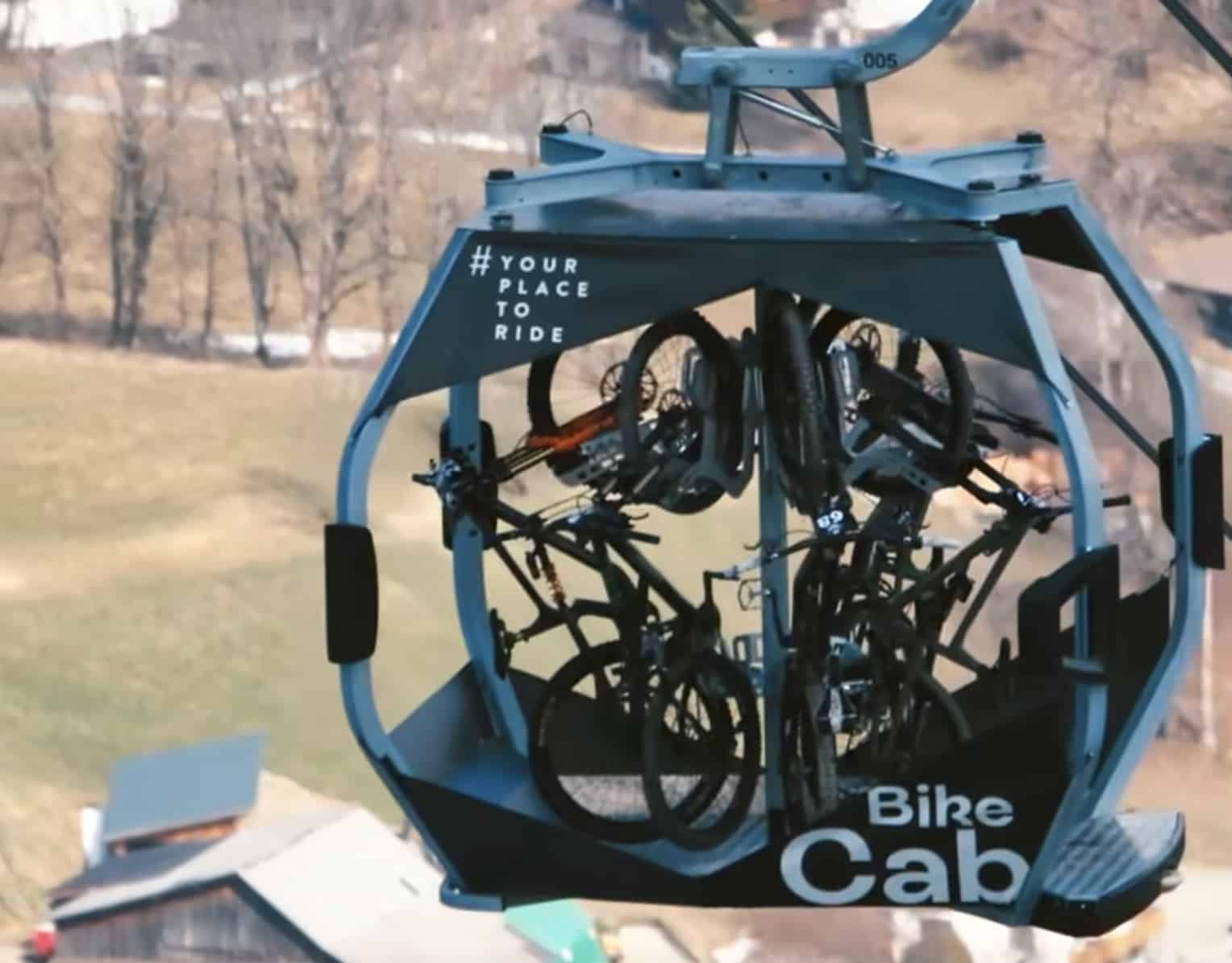
Historically, ski resorts have faced challenges in catering to the growing popularity of downhill mountain biking. Traditional gondolas, while efficient for skiers and snowboarders, often require cumbersome manual loading and unloading of bikes, or necessitate separate shuttle services. The Bike Cab system directly addresses these limitations by integrating specialized bike carriers within the gondola cabins themselves. This allows riders to independently load their bikes at the base station and retrieve them at the summit, creating a fluid and convenient experience.
The system, as implemented at Brandnertal, utilizes a design where up to eight bicycles can be securely attached to rotating holders positioned in the center of each Bike Cab. This arrangement ensures that bikes are transported safely and do not interfere with passenger comfort or the cleanliness of the cabin interiors. The independent loading and unloading process by the riders themselves eliminates the need for dedicated attendants at each station, streamlining operations and reducing labor costs for the resort. This self-service model is a key factor in the system’s efficiency and scalability.
Brandnertal’s Strategic Embrace of Mountain Biking
The decision by Brandnertal Ski Resort to adopt the Bike Cab system underscores a strategic shift towards diversifying its offerings and extending its operational season. Located in the Montafon region of Vorarlberg, Brandnertal has long been recognized for its winter sports facilities. However, with the burgeoning global interest in mountain biking, particularly in alpine environments, resorts are increasingly recognizing the economic and recreational potential of this activity.
The Loischkopfbahn, a key lift at Brandnertal, has been equipped with the Bike Cab technology. This specific installation is expected to significantly enhance the experience for downhill mountain bikers who frequent the resort’s trails. By providing effortless access to the mountain’s summit, the Bike Cab system directly facilitates the enjoyment of the downhill trails, encouraging longer stays and repeat visits. This initiative aligns with broader trends in the tourism industry, where destinations are seeking to attract visitors year-round by offering a wider array of outdoor recreational pursuits.
Technical Innovations and Operational Advantages
The Bike Cab system by Doppelmayr is not merely an add-on; it is an engineered solution built for longevity and efficiency. Key features highlighted by Doppelmayr and observed in its implementation include:

- Long Service Life: The robust construction of the Bike Cabs and their integrated carrying systems are designed to withstand the rigors of frequent use and varying weather conditions, ensuring a significant return on investment for the resort.
- Passenger Cabin Cleanliness: The dedicated bike carriers, positioned centrally and designed to securely hold the bicycles, prevent dirt, mud, and grease from contaminating the passenger areas of the gondola cabins. This maintains a pleasant environment for all users.
- High Speed Operation: The system is designed to operate at speeds up to 7 meters per second, ensuring efficient transport of both passengers and bikes, minimizing wait times, and maximizing the number of runs possible within a day.
- Low Maintenance Requirements: The engineering behind the Bike Cab emphasizes durability and simplicity, contributing to reduced maintenance schedules and costs for the operating resort.
- Capacity: Each Bike Cab is capable of accommodating up to eight bicycles, providing substantial transport capacity during peak usage periods.
The self-sufficient loading and unloading process is a critical operational advantage. At the bottom station, riders guide their bikes into the specialized rotating holders. Once secured, they board the adjacent passenger cabin. Upon reaching the top station, they have ample time to dismount their bikes, allowing for a smooth transition from the lift to the trail network. This streamlined process is crucial for maintaining the flow of traffic and ensuring a positive user experience.
Broader Implications for the Ski Industry
The adoption of the Bike Cab by resorts like Brandnertal signals a significant evolution in the operational philosophy of ski destinations. It demonstrates a proactive approach to adapting to changing recreational trends and a commitment to maximizing the utility of their infrastructure. The implications of this innovation are far-reaching:
- Extended Seasonality: Resorts can leverage their existing lift infrastructure to attract visitors during the spring, summer, and autumn months, generating revenue streams beyond the traditional ski season.
- Increased Revenue Streams: Mountain biking tourism can stimulate local economies through accommodation, food and beverage, equipment rentals, and guided tours.
- Enhanced Resort Appeal: Offering integrated bike transport makes a resort a more attractive destination for a wider demographic of outdoor enthusiasts, potentially attracting new visitor segments.
- Technological Advancement: The success of the Bike Cab encourages further innovation in ropeway design and multi-use lift applications, potentially leading to new solutions for transporting other sporting equipment or specialized cargo.
While the initial article mentions compatibility with "10-passenger gondola lifts" and suitability for bikes with "the following features," specific details regarding these aspects would typically be elaborated upon by the manufacturer. Generally, such systems are engineered for flexibility, often requiring minor modifications to existing cabins or the integration of specific carrier designs tailored to different bike frame types and wheel sizes. The absence of explicit details in the provided text suggests that the core innovation lies in the concept of integrated, self-service bike transport within standard gondola cabins, rather than a radical departure from existing lift designs.
The integration of mountain biking facilities, supported by advanced transport solutions like the Bike Cab, is becoming an increasingly vital strategy for ski resorts aiming to thrive in a competitive and evolving outdoor recreation market. Brandnertal’s adoption of this technology positions it as a forward-thinking destination, ready to embrace the full potential of its alpine landscape throughout the year. The ongoing success and expansion of such systems will likely shape the future of mountain tourism, making alpine environments accessible and enjoyable for a broader spectrum of adventurers.

