
PARK CITY, Utah – The Stifel U.S. Ski Team has announced a significant restructuring of its alpine leadership, effective for the upcoming 2026-27 World Cup season. This strategic realignment sees the return of veteran coach Sasha Rearick as The Borgen Family Alpine Director and the appointment of Paul Epstein as Men’s Head Tech Coach, according to an official press release from U.S. Ski & Snowboard. These appointments underscore a clear and determined pivot towards fostering robust, long-term athlete development, strengthening team culture, and achieving consistent, high-level success on the global World Cup circuit, moving beyond the immediate aftermath of the most recent Olympic cycle.
A New Era for U.S. Alpine Skiing: Rebuilding for Future Dominance
The reshuffling of leadership roles within the Stifel U.S. Ski Team comes at a pivotal moment for American alpine skiing. While the U.S. has celebrated individual triumphs, particularly through the remarkable career of athletes like Mikaela Shiffrin, there has been a recognized need to cultivate greater depth across all disciplines and ensure a more consistent pipeline of talent reaching the World Cup podium, especially on the men’s side. The decision to bring in Rearick and Epstein reflects a commitment by U.S. Ski & Snowboard to address these systemic challenges and lay a durable foundation for future generations of American ski racers. The emphasis is squarely on creating a cohesive system that nurtures talent from junior levels all the way to Olympic and World Championship contention, aligning with the ambitious goals set for the 2026 Winter Olympics in Cortina d’Ampezzo and Milan, Italy, and beyond. This proactive move is designed to inject renewed energy, proven methodologies, and a unified vision into the program.
Sasha Rearick: A Return to Roots and Visionary Leadership
Sasha Rearick’s appointment as The Borgen Family Alpine Director marks a highly anticipated return for a figure deeply embedded in the history of U.S. alpine skiing success. His career with the U.S. Ski Team spanned nearly two decades, from 2002 to 2021, during which he held various pivotal coaching roles, culminating in a decade-long tenure as the head men’s coach. During this period, Rearick was instrumental in guiding American male athletes to an impressive tally of 15 Olympic and World Championship medals. Under his direct leadership, athletes such as Bode Miller, Ted Ligety, and Andrew Weibrecht achieved significant milestones, including multiple Olympic medals and World Championship titles in speed and technical events. Ligety, in particular, flourished under Rearick’s guidance, becoming a multiple World Champion and Olympic gold medalist in giant slalom, a testament to the structured and disciplined approach Rearick cultivated.
Rearick’s philosophy during his initial tenure was characterized by a meticulous focus on individual athlete progression, strategic race preparation, and fostering a relentless pursuit of excellence. His ability to build strong foundations and cohesive team environments is widely acknowledged as a key factor in the success witnessed during those years.
Now, in his new capacity as The Borgen Family Alpine Director, a position notably supported through dedicated funding from the Borgen family, Rearick assumes comprehensive oversight of the entire alpine structure. This role extends beyond specific teams to encompass the strategic alignment of all development pathways, from junior programs to the World Cup. His core mandate is to strengthen the overarching culture of the program, ensuring consistency, accountability, and a sustainable model for success at every level of the sport in the United States.
"Coming home to lead this program is both an honor and a challenge I’m deeply motivated by," Rearick stated in the press release. He further elaborated on his vision, emphasizing, "From athletes just starting out to those competing for World Cup podiums, we will build a system grounded in process, clarity, and daily habits." This statement encapsulates his commitment to a foundational approach, where every aspect of training, competition, and personal development is meticulously planned and executed, fostering a predictable environment for growth and achievement. The dedicated funding for his position highlights the long-term commitment of U.S. Ski & Snowboard and its benefactors to this vision, providing the stability and resources necessary to implement a comprehensive strategy.
Bringing Global Best Practices Home: Rearick’s Experience at APEX2100
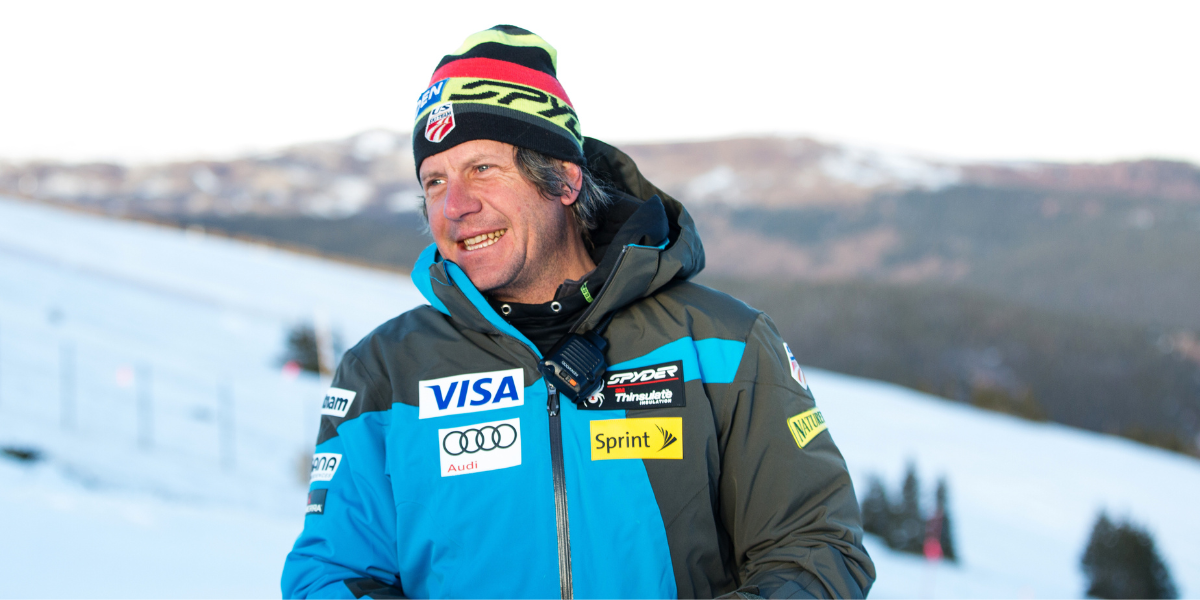
Prior to his return to the U.S. Ski Team, Rearick honed his expertise as the Alpine Performance Director at APEX2100 International Ski Academy. This experience outside the national team structure provided him with invaluable insights into developing a holistic athlete pipeline from the grassroots level to elite competition. At APEX2100, Rearick was responsible for cultivating a full development pathway, catering to athletes from U12 categories all the way up to those aiming for the World Cup.
Under his leadership, APEX2100 became recognized for its rigorous training programs and its success in advancing young skiers through various competitive tiers. While specific medal counts from APEX2100 were not detailed in the initial announcement, the academy’s focus on structured progression, technical mastery, and comprehensive athletic development under Rearick’s guidance mirrors the very model the Stifel U.S. Ski Team now seeks to fortify. His tenure at APEX2100 allowed him to experiment with and perfect development strategies that can now be directly integrated into the national program, ensuring that the U.S. Ski Team benefits from a well-tested, progression-focused approach that bridges the gap between club-level skiing and international elite competition. This experience underscores his profound understanding of athlete development at every stage, a critical asset for his new, expansive role.
Paul Epstein: Forging a Path for Men’s Technical Prowess
The appointment of Paul Epstein as Men’s Head Tech Coach introduces another highly respected figure with a robust track record in athlete development, particularly within the technical disciplines of slalom and giant slalom. Epstein’s career has been characterized by a hands-on approach to coaching and an innovative spirit in building effective programs. He began his coaching journey at the prestigious Green Mountain Valley School (GMVS), a renowned institution for developing ski talent in the United States. This early experience provided him with a deep understanding of the challenges and opportunities within domestic ski racing development.
His most impactful contribution, however, came with the founding of Global Racing, an elite independent ski racing program that he successfully led for 13 years. Global Racing emerged as a vital alternative pathway for aspiring athletes, often bridging the gap for those who might not have immediately fit into national team structures but possessed immense potential. Over the past nine seasons, Global Racing’s efficacy was undeniable, helping an impressive 20 athletes earn World Cup points and either qualify for or successfully return to national teams across various nations. This demonstrates Epstein’s exceptional ability to identify, nurture, and elevate talent to the highest echelons of the sport.
A notable success story from Global Racing is Belgium’s Sam Maes, who, under Epstein’s tutelage, has recorded multiple World Cup top-10 finishes and concluded the intensely competitive 2025-26 season ranked 12th in giant slalom. Maes’s achievements exemplify the high-performance environment and individualized attention that Epstein’s program provided.
As Men’s Head Tech Coach, Epstein will be directly responsible for leading the men’s World Cup technical team. His mandate includes refining race strategies, optimizing training methodologies, and fostering a high-performance culture specifically tailored for the demanding technical events. His deep understanding of ski mechanics, course setting, and athlete psychology will be invaluable in pushing the American men’s technical team to greater heights.
"For many years, I’ve worked to support U.S. skiing from the outside," Epstein commented, highlighting his dedication. "Now, being directly involved in the men’s World Cup tech team’s progress is incredibly motivating." This statement reflects a strong personal commitment to the national program and an eagerness to apply his proven strategies within the official U.S. Ski Team framework. His inclusion is expected to bring fresh perspectives and a results-oriented approach to a critical segment of the team.
The Strategic Imperative: Cultivating a Culture of Excellence
The appointments of Rearick and Epstein are not merely about filling vacancies; they represent a fundamental strategic shift centered on cultivating a robust culture of excellence. Both leaders unequivocally emphasized culture as the indispensable foundation for sustained performance.
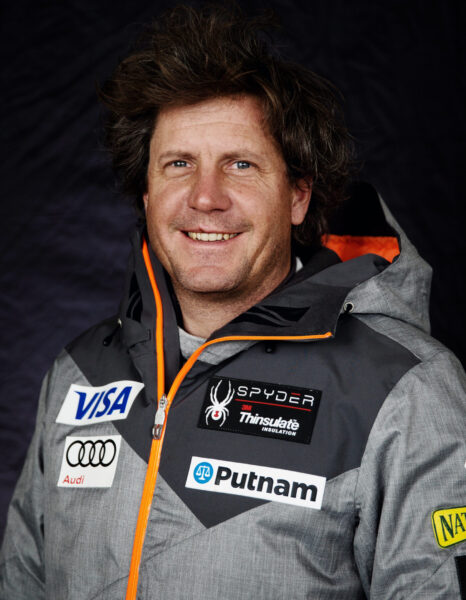
"My initial goal is to build a strong, cohesive environment with our staff and athletes," Epstein articulated. "When everyone understands and commits to that culture, it creates consistency—and ultimately leads to stronger individual performances." This perspective underscores a critical insight: individual athletic brilliance, while important, often flourishes best within a supportive, unified, and consistent team environment. A strong team culture minimizes internal friction, promotes mutual respect, facilitates open communication, and ensures that every member, from athlete to support staff, is aligned with common goals and values. This alignment is crucial for translating talent into consistent World Cup results.
Rearick’s philosophy of "process, clarity, and daily habits" perfectly complements this cultural emphasis. It implies a structured approach where expectations are clear, daily efforts are focused, and progression is systematically tracked. This kind of environment empowers athletes to push their limits, knowing they are supported by a predictable and dedicated system. It also instills resilience, teaching athletes how to navigate challenges and setbacks with a consistent framework for improvement.
The strategic vision extends to reinforcing the entire athlete development pipeline, often referred to as the "grassroots to podium" pathway. This means establishing clear benchmarks and support systems for young athletes entering the sport, guiding them through junior racing, FIS circuits, Nor-Am Cup, and ultimately to the World Cup and Olympic stages. The integration of domestic ski academies, club programs, and the national team will be paramount, ensuring a seamless transition for promising talent. This holistic approach is designed to prevent promising athletes from falling through the cracks and to provide them with the optimal resources and coaching at every stage of their development, ensuring that the U.S. can consistently produce world-class skiers across all disciplines.
Broader Implications and Stakeholder Reactions
The implications of these leadership changes extend far beyond the immediate competitive season. They signal a profound commitment by U.S. Ski & Snowboard, supported by key stakeholders like the Borgen Family and corporate sponsor Stifel, to invest in the long-term health and success of American alpine skiing. The dedicated funding for The Borgen Family Alpine Director position, for instance, provides a level of financial stability and strategic focus that is critical for implementing long-term initiatives without being solely dependent on annual fundraising cycles. This type of investment ensures that the vision articulated by Rearick can be realized over several years, building a lasting legacy.
The broader ski racing community, including independent academies, junior programs, and former athletes, is likely to view these appointments with optimism. Both Rearick and Epstein are figures known for their dedication to athlete development and their ability to foster positive, results-driven environments. Their combined experience offers a comprehensive approach that merges national team expertise with successful independent development models, potentially creating a more inclusive and effective system for identifying and nurturing talent. For aspiring young American skiers and their families, these changes offer the promise of a clearer, more supportive pathway to elite competition. The renewed focus on culture and development suggests a more athlete-centric approach, which can only benefit the mental and physical well-being of those striving for greatness in one of the most demanding sports.
Looking Ahead: The Road to the 2026 Olympics and Beyond
These leadership changes represent the initial, foundational step in a comprehensive restructuring of the Stifel U.S. Ski Team’s alpine program. U.S. Ski & Snowboard has indicated that a full staff announcement, detailing the complete coaching and support teams for the upcoming seasons, is expected in the fall. This phased approach allows for careful consideration and strategic alignment of all personnel to fully support the new vision.
The immediate focus for Rearick and Epstein will be to integrate seamlessly with existing staff, evaluate current program strengths and areas for improvement, and begin implementing their shared philosophy of process, clarity, and cultural cohesion. The 2026 Winter Olympics in Italy loom as a significant milestone, and the work beginning now is undoubtedly geared towards preparing American athletes to perform at their peak on that global stage. However, the overarching objective is not merely a single Olympic cycle but the establishment of a sustainable, world-class program capable of consistently producing World Cup results and fostering a vibrant, enduring culture of excellence in American alpine skiing for decades to come. The message is clear: the Stifel U.S. Ski Team is building for the future, with a renewed sense of purpose and a wealth of proven leadership.

