
The indefinite suspension of summer skiing operations on the Horstman Glacier at Whistler Blackcomb marks a pivotal turning point for the North American winter sports industry, signaling an era where climate change has transitioned from a future projection to a present-day operational reality. For Mike Douglas, a professional skier and Salomon brand ambassador often referred to as the "Godfather of Freeskiing," the loss of the glacier is not merely a statistical data point but the disappearance of a personal and professional proving ground. When Douglas arrived at Whistler Blackcomb in the 1990s, the Horstman Glacier was a perennial hub for freestyle progression, providing a year-round training environment that helped shape the modern era of freeskiing. Today, that environment has vanished, forced into retirement by decades of rising temperatures and receding ice packs.
The closure of the Horstman Glacier serves as a localized case study for a global phenomenon. According to glaciological surveys in British Columbia, glaciers in the region are losing mass at some of the highest rates in the world, with some estimates suggesting that up to 70 percent of glacier ice in Western Canada could disappear by the year 2100. This environmental shift has forced a fundamental reckoning within the outdoor industry, prompting brands like Salomon and advocacy groups like Protect Our Winters (POW) to move beyond traditional marketing and toward systemic corporate and political advocacy.
A Chronology of Change: From Peak Performance to Glacial Retreat
The history of the Horstman Glacier is intrinsically linked to the rise of professional skiing in North America. Throughout the 1980s and 1990s, the glacier hosted world-renowned summer ski camps, attracting athletes from across the globe who sought to refine their skills during the off-season. Mike Douglas was among those who utilized the glacier to transition from a mogul skier into a pioneer of the "New School" movement, which eventually led to the development of the twin-tip ski and the explosion of terrain parks.
However, the timeline of the glacier’s decline has been accelerating over the last two decades. In the early 2000s, the glacier remained robust enough to support multiple T-bar lifts and extensive summer terrain. By the mid-2010s, the thinning ice began to expose rock bands that had been covered for centuries. In 2020, the iconic Horstman T-bar was permanently removed because the ice beneath the lift towers had become too unstable to support the infrastructure. By July 2023, Whistler Blackcomb officials announced that summer skiing would be suspended indefinitely, citing the "rapidly changing environment" and the need to preserve the remaining snowpack for the winter season.
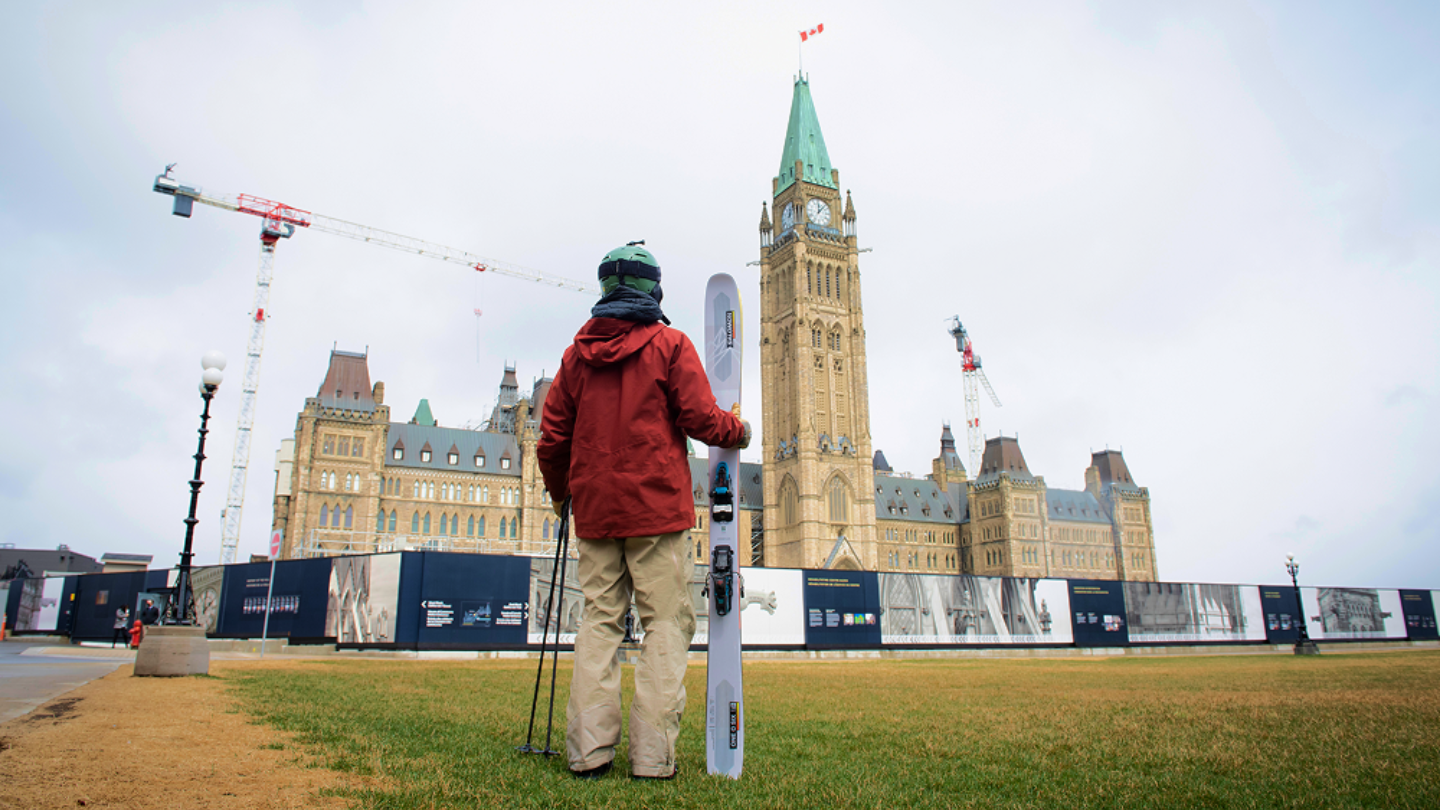
This retreat is mirrored across the Alps and the Rockies. Data from the National Snow and Ice Data Center (NSIDC) indicates that the duration of snow cover in the Northern Hemisphere has decreased significantly since the late 20th century. For the ski industry, this translates to shorter seasons, higher costs for artificial snowmaking, and a direct threat to the $20 billion winter tourism economy in the United States and Canada.
The Role of Corporate Responsibility in a Warming World
As the physical landscape changes, the responsibilities of outdoor brands have undergone a parallel evolution. For Salomon, a company that has manufactured mountain sports equipment since 1947, the climate crisis represents both a threat to its business model and an obligation to its consumer base. The partnership between Salomon and Mike Douglas has shifted from a traditional athlete-sponsor relationship to a collaborative effort focused on sustainable manufacturing and climate policy.
Salomon’s approach to sustainability is rooted in what Douglas describes as "balancing the desire for net-zero with the practical realities of high-level sports." This involves a multi-pronged strategy focusing on the supply chain, product lifecycle, and corporate advocacy. One of the primary pillars of this strategy is the "Play-Minded Program," which sets specific targets for carbon reduction. Salomon has committed to reducing its overall carbon footprint by 30 percent by 2030 and achieving carbon neutrality by 2050.
In terms of product development, the industry is seeing a shift toward circular economy principles. Salomon’s introduction of the Index.01 and subsequent recyclable performance gear represents an attempt to address the waste generated by the sporting goods industry. By designing products that can be disassembled and repurposed into new equipment at the end of their lifecycle, the brand aims to decouple business growth from resource extraction.
Advocacy as a Business Imperative
The collaboration between Salomon and Protect Our Winters (POW) highlights a growing trend where corporations utilize their platforms to influence public policy. POW, founded in 2007 by professional snowboarder Jeremy Jones, has become the leading climate advocacy group for the outdoor community. Mike Douglas joined the POW Canada Alliance in 2018, recognizing that individual lifestyle changes, while important, are insufficient to address the scale of the climate crisis.
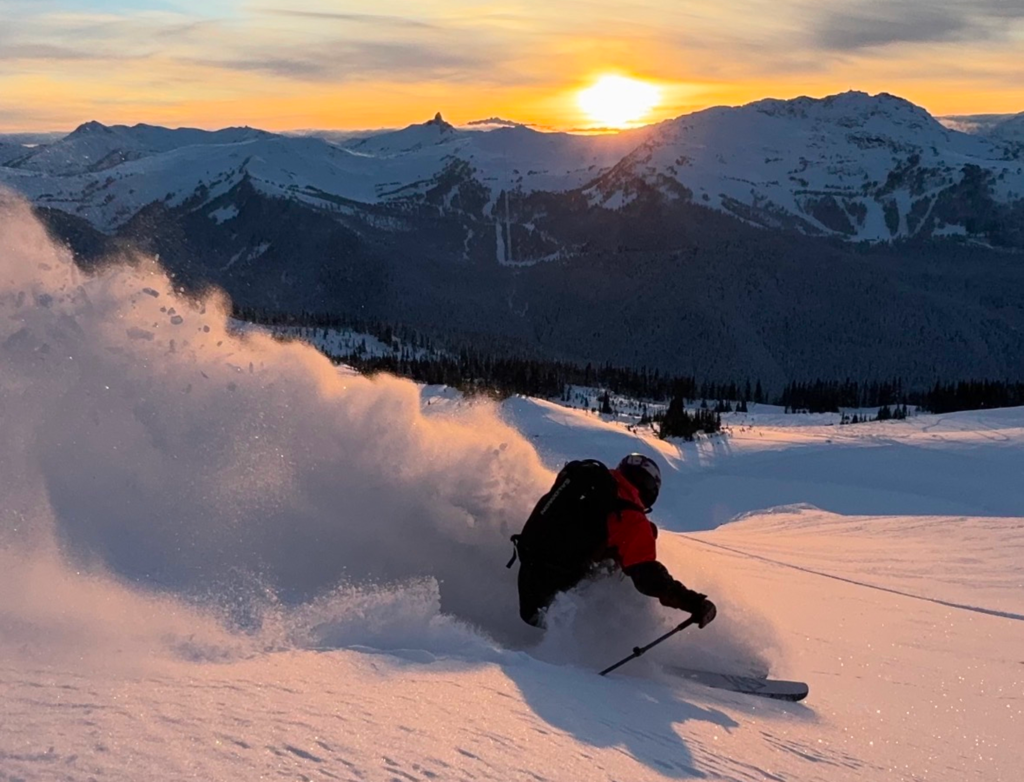
"Advocacy is the biggest move brands can play," Douglas noted in a recent assessment of the industry’s role. This advocacy takes several forms:
- Athlete Training: Salomon and POW provide athletes with the tools to become effective climate communicators. This training enables athletes to speak with authority on the science of climate change and the policy solutions required to mitigate it.
- Lobbying and Policy Support: Brands are increasingly using their economic leverage to support clean energy legislation. In recent years, representatives from the outdoor industry have appeared before government bodies to testify on the economic impact of climate change on rural mountain communities.
- Public Engagement: Initiatives like the Quality Ski Time (QST) tour serve as mobile platforms for climate education, bringing the conversation directly to ski resorts and retail locations across North America.
The logic behind this shift is grounded in economic reality. A study commissioned by POW and conducted by the University of Colorado Boulder found that during low-snow years, the ski industry loses over $1 billion in revenue and thousands of jobs. For a brand like Salomon, advocating for climate policy is a form of long-term risk management.
Scientific Context and Economic Implications
The science underpinning these industry moves is increasingly stark. The Intergovernmental Panel on Climate Change (IPCC) has noted that mountain ecosystems are among the most sensitive to temperature increases. For every degree of warming, the snowline rises, meaning that lower-elevation resorts face an existential threat. In British Columbia, the mean annual temperature has increased by 1.9 degrees Celsius since 1948, a rate faster than the global average.
This temperature rise affects more than just recreation. Glaciers like the Horstman act as "water towers," storing water in the winter and releasing it during the summer months to feed local watersheds. The loss of these glaciers impacts hydroelectric power generation, agricultural irrigation, and salmon spawning grounds, creating a ripple effect through the regional economy.
For the ski industry, the response has been a massive investment in snowmaking technology. However, snowmaking is energy-intensive and requires significant water resources, creating a feedback loop if the energy used is not derived from renewable sources. This is why Salomon and other industry leaders are focusing on "decarbonizing the experience," ensuring that the operations behind the sport—from manufacturing skis to running chairlifts—transition to a low-carbon model.

Analysis of the Path Forward
The transition from "awareness" to "action" within the outdoor industry reflects a broader shift in corporate governance. Investors and consumers are increasingly scrutinizing the Environmental, Social, and Governance (ESG) performance of brands. For Salomon, maintaining its status as a market leader requires demonstrating that its products are not contributing to the destruction of the environments where they are used.
However, challenges remain. The global nature of the sports equipment supply chain makes achieving true net-zero emissions a complex logistical task. Shipping products from manufacturing hubs to global markets carries a significant carbon cost. Mike Douglas has pointed out that small changes in how athletes are moved around the world and how production is managed can add up to significant benefits, but these changes must be scaled across the entire industry to be effective.
The "Godfather of Freeskiing" remains optimistic but realistic. The window for meaningful action is narrowing, and the loss of summer skiing on the Horstman Glacier is a physical manifestation of that closing window. The industry’s future depends on its ability to transform from a contributor to the climate problem into a leader in the solution.
Conclusion: A Call for Collective Action
The story of Mike Douglas and the Horstman Glacier is a microcosm of the challenges facing the modern world. It is a narrative of loss, but also of adaptation and leadership. As the ski industry navigates this transition, the partnership between athletes, brands, and advocacy groups will serve as a blueprint for other sectors.
The closure of a single glacier may seem like a niche concern for outdoor enthusiasts, but it serves as a "canary in the coal mine" for the broader impacts of climate change. By integrating climate advocacy into their core business strategies, Salomon and its peers are acknowledging that the preservation of the natural world is not a philanthropic endeavor, but a fundamental requirement for the survival of their industry. The message from the peaks is clear: the time for incremental change has passed, and the era of bold, systemic action has begun.

