
The 2025-2026 winter season across the Western United States has concluded as a historic anomaly, characterized by scientists and meteorologists as a "hot mess" that has fundamentally challenged the region’s winter tourism economy and its long-term water security. While precipitation levels across much of the West remained near historical averages, an unprecedented surge in seasonal temperatures transformed what should have been a robust snowpack into a cycle of rain-on-snow events and premature melting. This atmospheric volatility forced ski resorts to engage in a stop-and-go operational rhythm, with many high-altitude destinations opening late, pausing operations mid-season, and ultimately shuttering weeks or even months ahead of schedule. As the region transitions into the summer months, the focus of the scientific community has shifted from recreational disappointment to the more sobering reality of depleted water reservoirs and the ecological consequences of an early "snow off" date.
The Meteorological Breakdown: Moisture Without the Cold
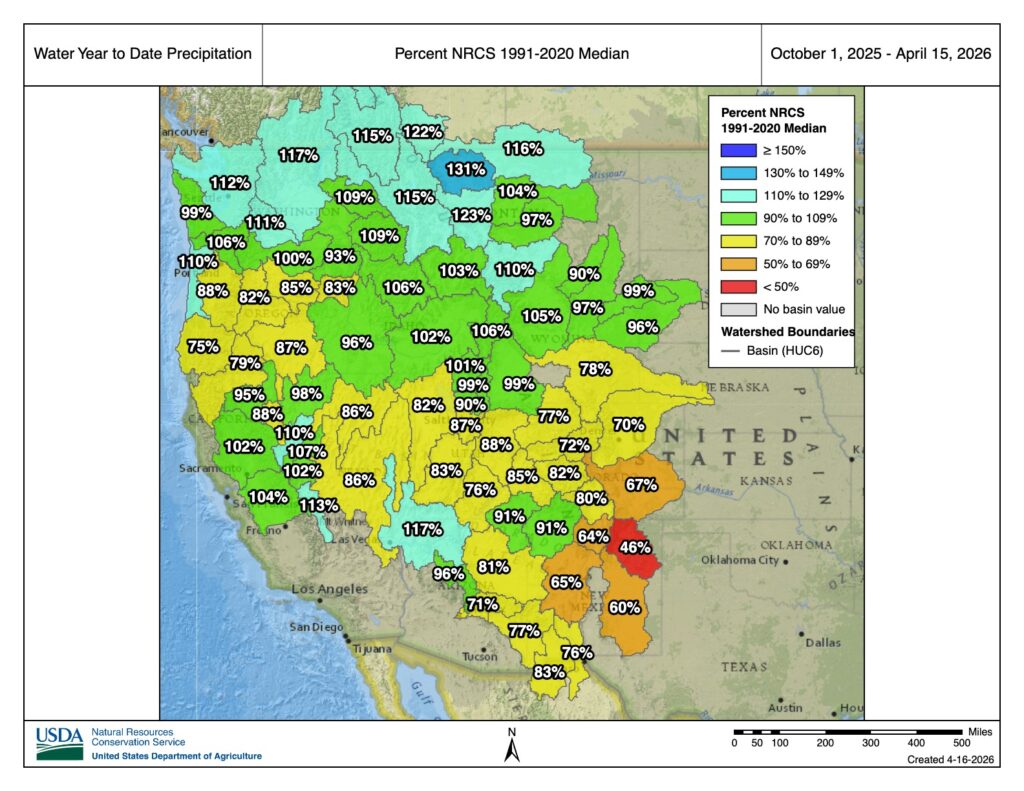
To understand the failure of the 2025-2026 snow season, one must examine the "recipe" for snow: the intersection of adequate moisture and sustained freezing temperatures. According to data from the Natural Resources Conservation Service (NRCS), the 2025-2026 water year was not a failure of precipitation. In fact, Northwest Wyoming, Montana, Idaho, and Washington experienced precipitation levels that were slightly above average. Conversely, Oregon, Utah, and Colorado ran slightly dry, but not to the extent that would typically signal a catastrophic drought.
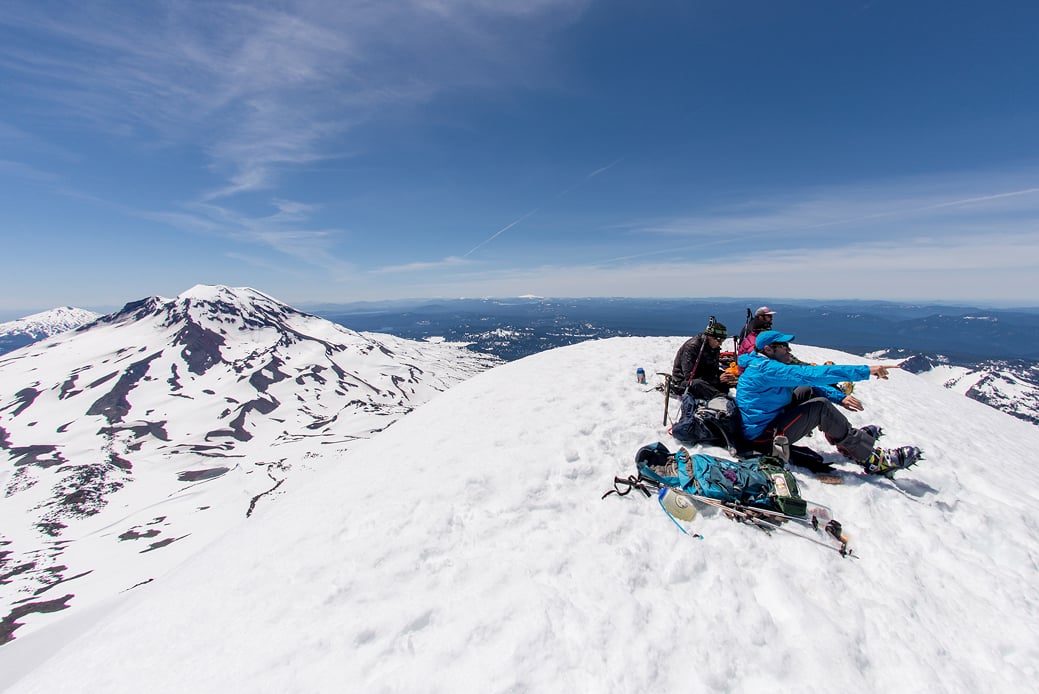
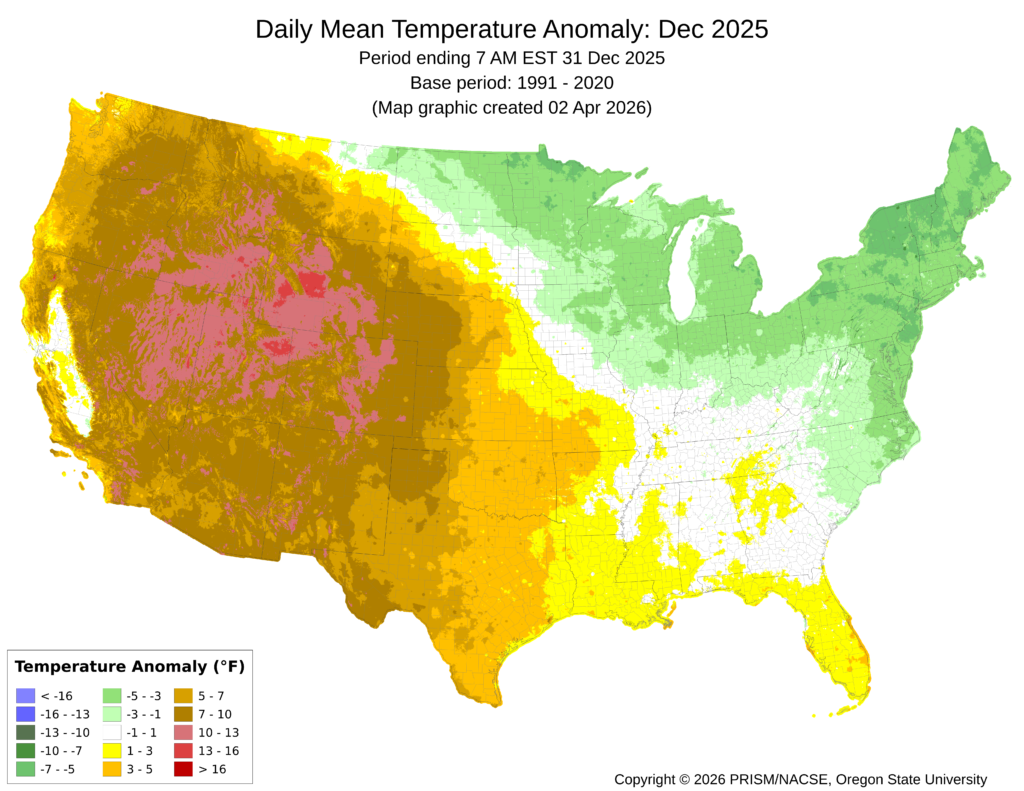
The primary driver of the season’s poor performance was the persistent absence of cold air. Temperature anomalies across the Western United States remained consistently high throughout the winter months. The most significant blow to the season occurred in December 2025, a month that many industry analysts are now calling a "nightmare" for the outdoor recreation sector. During this period, PRISM climate data indicated that much of the West experienced temperatures between 5 and 15 degrees Fahrenheit above the long-term average. While the Northeast and Upper Midwest of the United States saw temperatures up to 5 degrees below average, the West remained trapped in a warm-air ridge that prevented the stabilization of the snowpack.
Chronology of a Diminishing Winter
The 2025-2026 season was defined by a series of "moving goalposts" regarding when the winter would truly begin. In a typical year, the Thanksgiving holiday serves as the soft opening for the ski industry, with the New Year’s holiday marking the start of peak operations. This year, those milestones passed with many lower-elevation resorts still waiting for a base layer of snow.
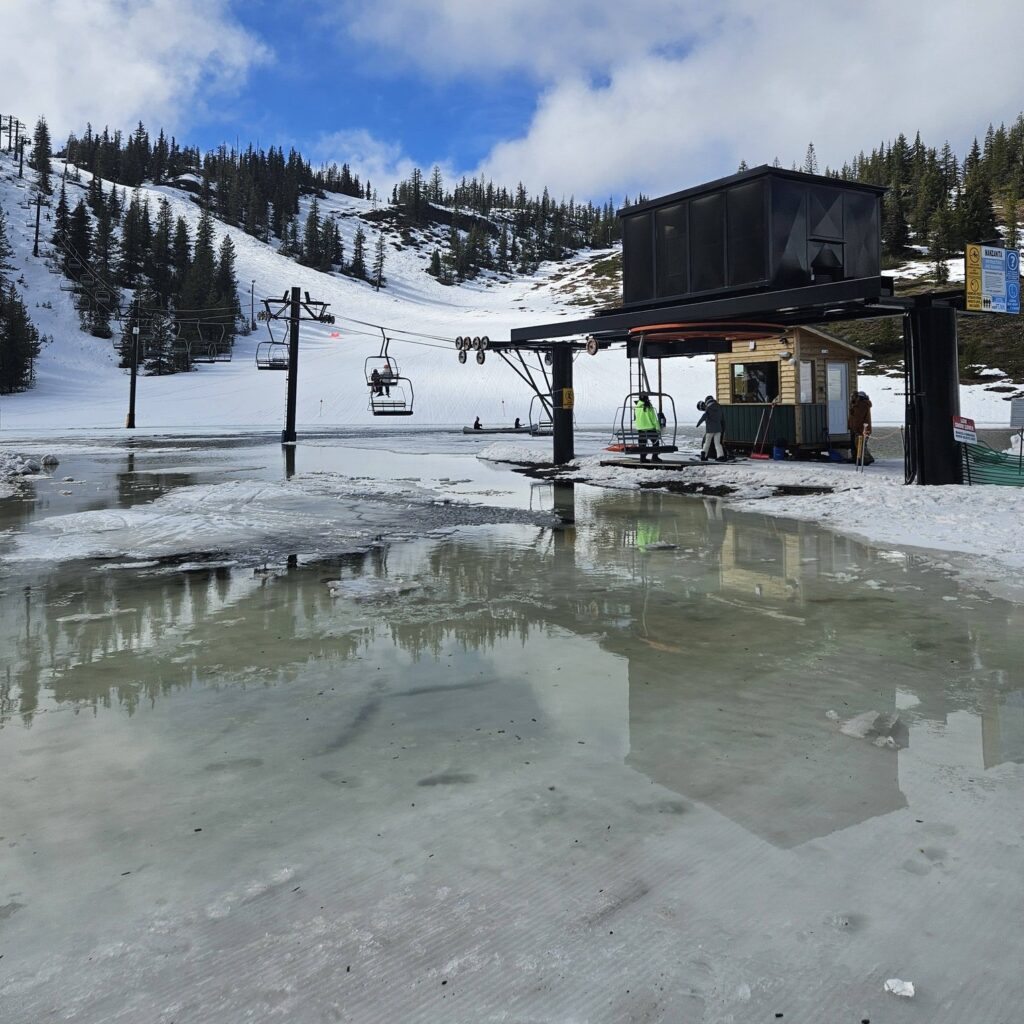
By mid-January, the industry looked toward Martin Luther King Jr. Day weekend for a turnaround, but the warm trend persisted. Hopes were then deferred to President’s Day weekend in February, and eventually to Spring Break in March. However, by the time the calendar reached mid-March, the situation had shifted from a late start to an early finish. At Hoodoo Ski Area on Oregon’s Santiam Pass, the season took a surreal turn when an unscheduled "pond skim"—usually a festive event held at the end of a long season—occurred naturally due to rapid melting and rain, effectively signaling an early end to traditional operations.
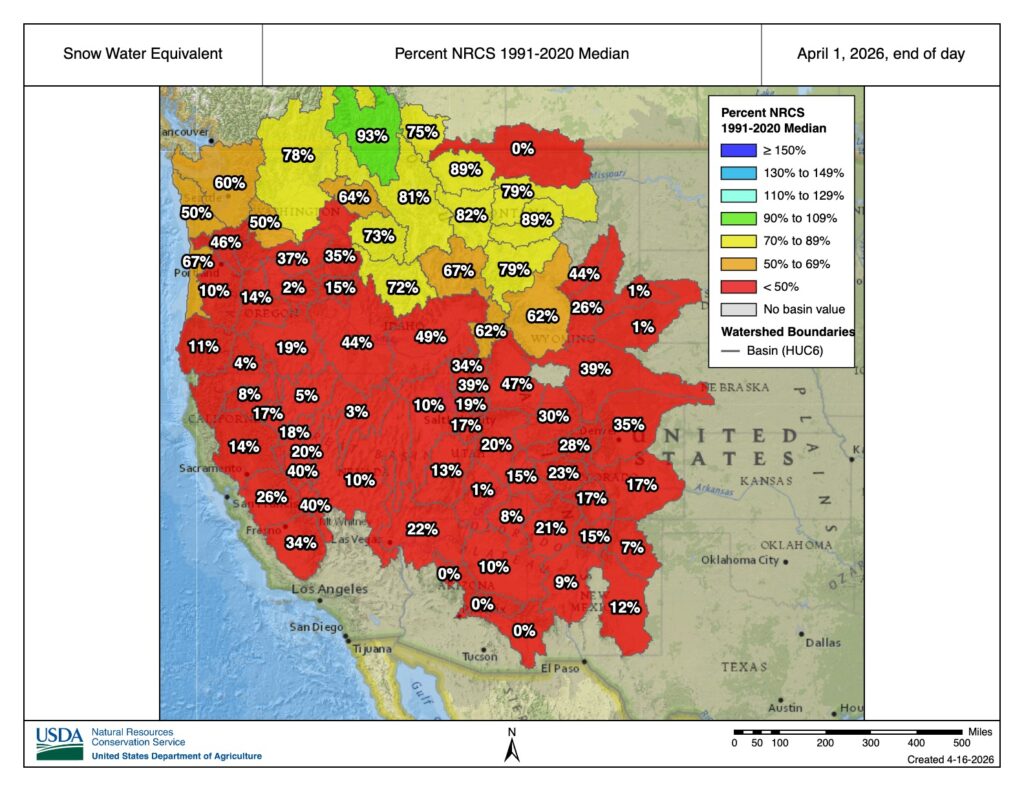
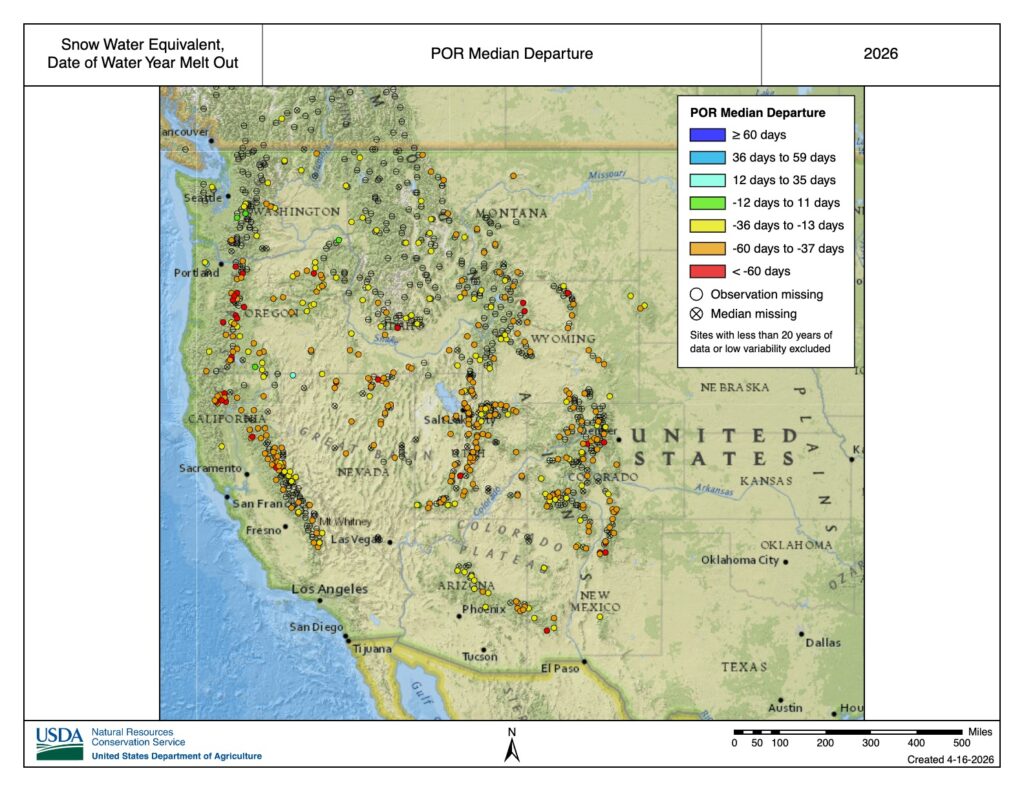
By April 1, a date traditionally used as the benchmark for peak snow water equivalent (SWE), the data was stark. Observation stations across the Western states reported SWE values that were a tiny fraction of the long-term average. In several locations, these values represented the worst peak snowpack recordings in the last 45 years. The "snow off" dates—the day when the ground becomes bare—arrived not just days or weeks early, but in many instances, more than two months ahead of schedule.
The Hydrologic Cycle and the Global Water Context
The loss of a seasonal snowpack is more than a blow to the ski industry; it is a disruption of the planet’s most critical life-support system. To put the regional water crisis into perspective, scientists often look to global benchmarks. If all the water on Earth were gathered into a single sphere, its diameter would be only 40% of the moon’s diameter. Furthermore, the vast majority of that water is saline or inaccessible. Less than one-hundredth of one percent of Earth’s water is available as fresh surface water or accessible groundwater to support the needs of over 8 billion people.
The hydrologic cycle relies on the movement and storage of this finite resource. On average, the Earth’s land surfaces receive about one meter of precipitation annually. While this equates to roughly 13,000 gallons per person per day, the challenge lies in the geographical and temporal mismatch between supply and demand. In the Western United States, the infrastructure of civilization—including the massive aqueducts of California and the reservoirs of the Colorado River—was designed to bridge the gap between wet winters and dry summers.
Snow as a Natural Reservoir
The "superpower" of snow lies in its ability to act as a massive, distributed reservoir. Unlike a man-made dam, which occupies a fixed point on a river and can disrupt fish migration and sediment flow, the snowpack stores water across millions of acres of high-elevation terrain. This storage is free of charge and releases its "capital" slowly as temperatures rise in the late spring and early summer.
This lag between precipitation and runoff is essential for several reasons:
- Flood Mitigation: By holding water in solid form, the snowpack prevents the immediate runoff that causes catastrophic downstream flooding during winter storms.
- Ecological Health: The slow release of snowmelt ensures that mountain streams remain cool and well-oxygenated through the summer, which is vital for the survival of salmon, trout, and other aquatic species.
- Agricultural Stability: Farmers in the valleys rely on the predictable "pulse" of snowmelt to irrigate crops during the peak of the growing season.
The scale of this natural storage is immense. Estimates suggest that the total water stored in the snowpack of the contiguous United States at its peak is approximately five times the capacity of Lake Mead, the nation’s largest man-made reservoir. When the snowpack fails, as it did in the 2025-2026 season, the "insurance policy" for the region’s water supply is effectively cancelled.
Regional Impacts and the Colorado River Crisis
The 2025-2026 season has added immense pressure to an already strained Colorado River Basin. Years of consecutive dry conditions and rising temperatures have led to a steady decline in the water levels of Lake Mead and Lake Powell. The Hoover Dam, which creates Lake Mead, is currently the focal point of increasingly urgent negotiations between the seven basin states (Arizona, California, Colorado, Nevada, New Mexico, Utah, and Wyoming) and the federal government.
With the 2025-2026 snowpack providing minimal replenishment, water managers are facing difficult decisions regarding allocations for municipal use and industrial agriculture. The early melt-out means that by mid-summer, many of the streams that feed into the Colorado River system will have significantly reduced flow, forcing a heavier reliance on stored reservoir water that is already at historic lows.
Industry and Community Reactions
The fallout of the "hot mess" season has triggered a range of reactions from stakeholders. Resort operators, particularly those at lower elevations, have expressed concern over the long-term viability of their business models. Many are investing heavily in snowmaking technology, though even the most advanced systems are ineffective if ambient temperatures do not drop below freezing.
"We are no longer looking at ‘bad years’ as outliers," noted one industry consultant during a recent regional summit. "We are looking at a fundamental shift in the duration and reliability of the winter season. The economic impact on mountain towns—from hotel bookings to equipment rentals—is profound when the season is cut short by 60 days."
Backcountry enthusiasts and environmental advocates have also voiced a sense of "climate grief." For many in the West, the snow is a cultural and spiritual touchstone. The rapid disappearance of the seasonal snowpack is viewed not just as a lost recreational opportunity, but as a visible symptom of a changing climate that threatens the regional identity.
Fact-Based Analysis of Future Implications
While the 2025-2026 season was exceptionally poor, it exists within a broader context of long-term trends. Climate data over the past several decades indicates that snowpacks are dwindling in many areas, and the "snow line" (the elevation at which precipitation falls as snow rather than rain) is steadily moving higher.
However, scientists caution against assuming every future year will follow this pattern. Snow is notoriously unpredictable and subject to high interannual variability. The "boom or bust" nature of Western weather means that a record-low year can be followed by a record-high year. This variability, however, complicates public understanding and policy-making. The "glass half full" perspective suggests that the region may see a recovery next year, but the long-term trend lines suggest that the "half full" glass is becoming increasingly rare.
As the Western United States moves into a summer likely defined by heightened wildfire risk and water restrictions, the 2025-2026 snow season serves as a stark reminder of the region’s dependence on the "cold." Without the seasonal storage provided by snow, the infrastructure of the West faces a precarious future, requiring new approaches to water conservation, forest management, and economic diversification in mountain communities. The lessons of this "hot mess" winter will likely inform water policy and climate adaptation strategies for years to come.

