
The Northwest Avalanche Center (NWAC) is spearheading a significant national effort to revolutionize the delivery of avalanche and mountain weather forecasts, aiming to enhance accessibility, consistency, and effectiveness for all backcountry enthusiasts. Through its dedicated technology team, collectively known as Avy, NWAC is fostering a collaborative environment among avalanche centers across the United States to develop shared digital tools. This initiative seeks to consolidate fragmented information, streamline forecasting processes, and ultimately improve safety in the mountainous regions.
The Avy project encompasses two primary digital products: AvyApp, a mobile application designed for on-the-go access to critical safety information, and AvyWeb, a web-based platform offering comprehensive forecast details and resources. This endeavor represents a paradigm shift from the historically fragmented approach to avalanche forecasting, where each center independently managed its digital infrastructure.
The Genesis of NWAC’s Technological Leadership
NWAC’s commitment to technological innovation is deeply intertwined with its core mission: to broaden access to essential backcountry forecasts and educational resources. By embracing multiple digital modalities, NWAC aims to reach a wider audience, including recreational skiers, snowboarders, hikers, climbers, and professional mountain guides. This strategic focus on technology is not merely an add-on but a fundamental component of ensuring that vital safety information is readily available and understandable to anyone venturing into avalanche-prone terrain.
A foundational element of this collaborative effort is the Avalanche Forecast Platform (AFP). Developed and maintained through a partnership with the USDA Forest Service, the AFP is currently utilized by nearly all avalanche centers in the United States. This shared system provides forecasters with a standardized tool for publishing forecasts, managing observational data, and coordinating efforts. The AFP’s success demonstrated the immense potential of inter-center collaboration, paving the way for NWAC to envision and initiate the development of user-facing tools that build upon this existing collaborative infrastructure. As one of the largest and most well-resourced centers utilizing the AFP, NWAC possessed the capacity and foresight to champion this ambitious undertaking, pushing the boundaries of what is achievable through collective action.

Fostering Collaboration Over Duplication: A Strategic Imperative
The core principle driving the Avy initiative is the belief in "collaboration over duplication." Historically, each of the approximately 50 avalanche centers in the U.S. operated its own website, often requiring significant investment in design, development, and maintenance. This decentralized model led to a patchwork of user experiences, inconsistent information presentation, and a constant drain on limited resources. Smaller centers, in particular, often struggled to keep pace with evolving web technologies or to allocate scarce funds towards hiring specialized technical staff.
By pooling resources and expertise, the Avy project enables smaller centers to access sophisticated digital tools that would otherwise be beyond their reach. This symbiotic relationship benefits NWAC as well, providing valuable feedback and a shared investment in the development of these crucial tools. The Avy team is tasked with managing the underlying technology, freeing up avalanche center staff to concentrate on their primary expertise: analyzing snowpack, observing weather patterns, and communicating avalanche danger. This division of labor ensures that the critical work of forecasting is not compromised by the demands of digital infrastructure management.
The advantages of a unified system extend beyond mere cost-efficiency. It allows for the leverage of collective technological best practices, design insights gleaned from a broad user base, and shared data to iteratively improve the user experience. A consistent presentation of forecasting products across different regions is deemed highly beneficial for all backcountry users, reducing confusion and promoting a standardized understanding of avalanche danger levels and advisories. This consistency is particularly important for individuals who travel to different mountain ranges or seek information from multiple sources.
Current Status: Building a Stable Foundation
The Avy project has achieved significant milestones, with both AvyWeb and AvyApp now launched and operating in a stable state. This stable foundation allows the team to focus on the strategic integration of new functionalities. The development process emphasizes a cautious, methodical approach, ensuring that every dollar invested is utilized efficiently and effectively to deliver maximum value to the user community.
AvyApp has reached a point of stability, enabling the team to prioritize the development of new features. The mobile application has already seen adoption by 15 avalanche centers, indicating a strong initial uptake and a growing reliance on this consolidated platform. This widespread adoption underscores the perceived value of a centralized, user-friendly mobile interface for accessing avalanche information in the field.
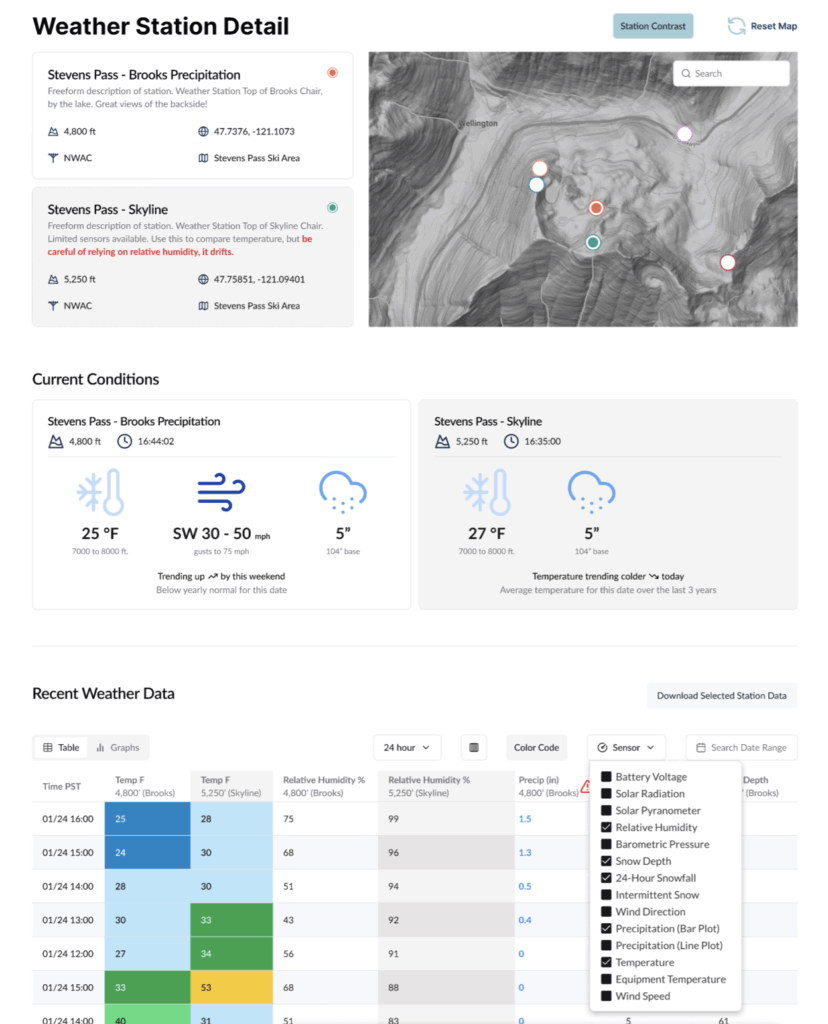
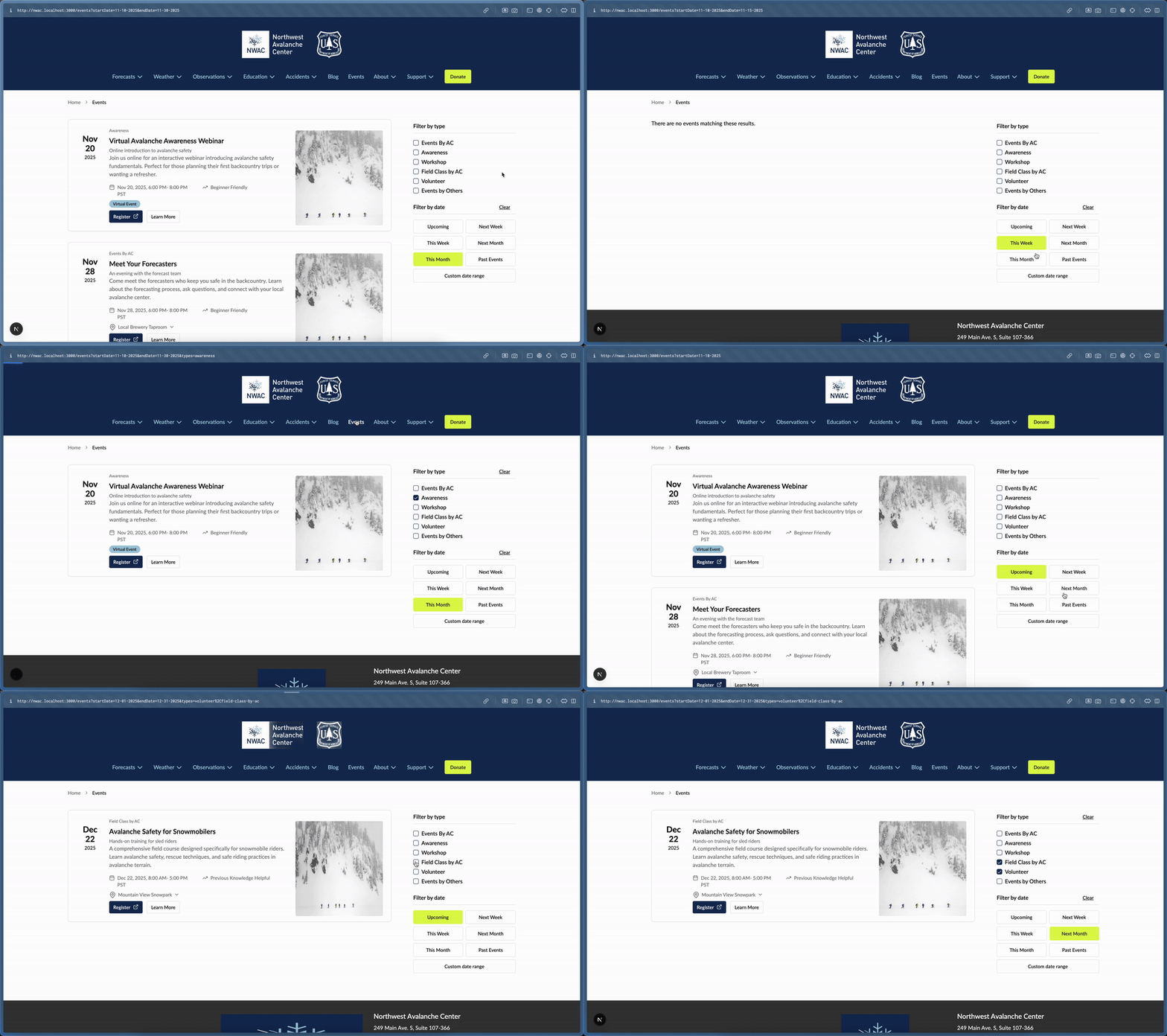
On the AvyWeb front, significant progress has been made. The Sierra Avalanche Center and the Sawtooth Avalanche Center have successfully launched on Version 1 of the platform. Furthermore, the Avy team developed a comprehensive course catalog for the American Avalanche Association. This embedded course catalog is designed to be easily integrated into any website, and plans are in place for its nationwide deployment across avalanche center websites. The team is currently engaged in extensive polishing, general development, and the implementation of smaller, impactful features. As the holiday season approaches, the focus will shift to maintenance and bug fixing, with a temporary pause on new feature development. This strategic pause will allow for a thorough review and preparation for an accelerated development cycle in the new year.
Future Trajectory: An Ambitious Roadmap for Enhanced Safety
The roadmap for Avy is extensive, outlining a series of enhancements designed to further improve the utility and reach of avalanche and mountain weather information. The successful development and deployment of these features are contingent upon the continued success of the unified platforms. Notably, NWAC itself plans to transition to the new AvyWeb site during the 2025/26 season, marking a significant internal adoption of the technology they are championing.
AvyApp Enhancements:
Future iterations of AvyApp are slated to include advanced features such as detailed snowpack profiles, allowing users to visualize and understand the layering and stability of the snowpack in specific areas. Integration with real-time weather station data will provide immediate access to current conditions, including temperature, wind speed, and precipitation. Advanced mapping tools will offer enhanced visualization of avalanche risk zones, terrain features, and user-generated observations. The app will also incorporate more robust notification systems, alerting users to critical changes in avalanche danger levels or newly issued advisories. Furthermore, offline access to downloaded forecast data is a priority, ensuring continued access to vital information in areas with limited or no cellular service.
AvyWeb Advancements:
AvyWeb is set to undergo significant upgrades, including the introduction of interactive forecast maps that will allow users to zoom in on specific regions and view detailed hazard assessments. Enhanced data visualization tools will present complex snowpack and weather data in more digestible formats, making it easier for users to interpret critical information. The platform will also feature improved reporting tools for users to submit observations, contributing valuable real-time data to the forecasting process. Advanced search and filtering capabilities will enable users to quickly find the information most relevant to their plans. The integration of educational resources and training opportunities will also be expanded, providing a comprehensive hub for avalanche safety knowledge. Furthermore, a system for managing and displaying historical forecast data will be developed, allowing for analysis of trends and past conditions.
Broader Implications: A Paradigm Shift in Backcountry Safety
The Avy initiative represents more than just a technological upgrade; it signifies a fundamental shift in how avalanche safety information is disseminated and consumed. By fostering national collaboration and leveraging shared digital infrastructure, NWAC and its partners are not only enhancing the efficiency and effectiveness of forecasting but also democratizing access to critical safety data. This move towards standardization and accessibility is expected to have a profound impact on backcountry safety across the United States.
The consistent presentation of information across different regions will reduce the cognitive load for backcountry users who travel extensively. Understanding how to interpret an avalanche forecast in Washington should be a similar experience to understanding one in Colorado, thanks to these standardized tools. This consistency can lead to more informed decision-making and a greater appreciation for the inherent risks associated with mountain travel.
For the avalanche centers themselves, this collaborative model offers a sustainable path forward. It allows smaller, under-resourced centers to maintain a high level of technological engagement without prohibitive costs. This ensures that vital forecasting services can continue to operate and evolve, even in regions with limited funding. The shared investment in technology also fosters a stronger sense of community and shared purpose among avalanche professionals nationwide.
The success of the Avy project could serve as a model for other national meteorological and geological services facing similar challenges in data dissemination and accessibility. The principles of collaboration, shared infrastructure, and user-centric design are universally applicable. As climate change continues to influence weather patterns and snowpack stability, the ability to deliver timely, accurate, and accessible information becomes increasingly critical. The Avy initiative, driven by NWAC’s technological foresight, is positioning the United States to be at the forefront of this vital effort, ensuring that the pursuit of outdoor adventure can be undertaken with greater knowledge and enhanced safety.

