
The 2025-26 winter season marks a monumental occasion for the Northwest Avalanche Center (NWAC), celebrating half a century of dedicated service to the Pacific Northwest. Since its inception, NWAC has been a cornerstone of mountain safety, providing science-based avalanche forecasting, fostering community-centered education, and upholding an unwavering commitment to public safety. What began as a modest initiative driven by a few passionate scientists at the University of Washington has blossomed into a nationally recognized and respected avalanche center, a testament to the vision, perseverance, and ingenuity of its founders and its enduring community. This is the story of NWAC, tracing its evolution from its humble beginnings, marked by significant challenges and creative solutions, to becoming one of the most trusted sources for mountain weather and avalanche information in the region.

The Genesis of a Crucial Need: Avalanche Forecasting in the 1970s
The 1970s witnessed a significant surge in winter recreation across the western United States. As more individuals ventured into mountainous terrain for skiing, snowboarding, and other pursuits, the number of avalanche-related fatalities regrettably escalated. Statistics from the era reveal a stark increase, with average annual fatalities climbing from seven to over twenty. This escalating risk underscored a growing imperative for more robust avalanche control programs and accessible safety education.
In response to this emerging crisis, informal avalanche warnings began to surface. Paul Frankenstein of the Forest Service, stationed in the Snoqualmie National Forest, and Frank “Bud” Reanier of the National Weather Service in Seattle, started issuing ad hoc warnings when conditions were deemed particularly perilous. However, a formal, systematic forecasting system was notably absent. The first significant step toward structured forecasting in the region was taken in the early 1970s by Ken White, also with the Forest Service. White established the pioneering avalanche hotline in the Northwest, a dedicated line known as 442-SNOW, specifically serving the Snoqualmie Pass area. This early initiative, though rudimentary by today’s standards, laid the crucial groundwork for the comprehensive, real-time forecasting network that NWAC provides today.
The Birth of NWAC: Where Science Meets Urgency
The mid-1970s saw the formalization of a critical collaboration between key institutions: the Snoqualmie National Forest, Mount Rainier National Park, and the Seattle office of the National Weather Service. At the scientific core of this burgeoning effort were researchers from the University of Washington, notably the esteemed snow scientist Ed LaChapelle, alongside his graduate students Mark Moore and Rich Marriott.
Their primary mission was to develop a practical and effective avalanche forecasting program. The immediate impetus for this program was the need to ensure the safety of highway operations, particularly along the vital Interstate 90 corridor and the recently opened North Cascades Highway. These routes were not only essential for regional transportation and commerce but were also critically exposed to the destructive power of avalanches, posing a constant threat to travelers and infrastructure.
December 6, 1975: The Inaugural NWAC Forecast
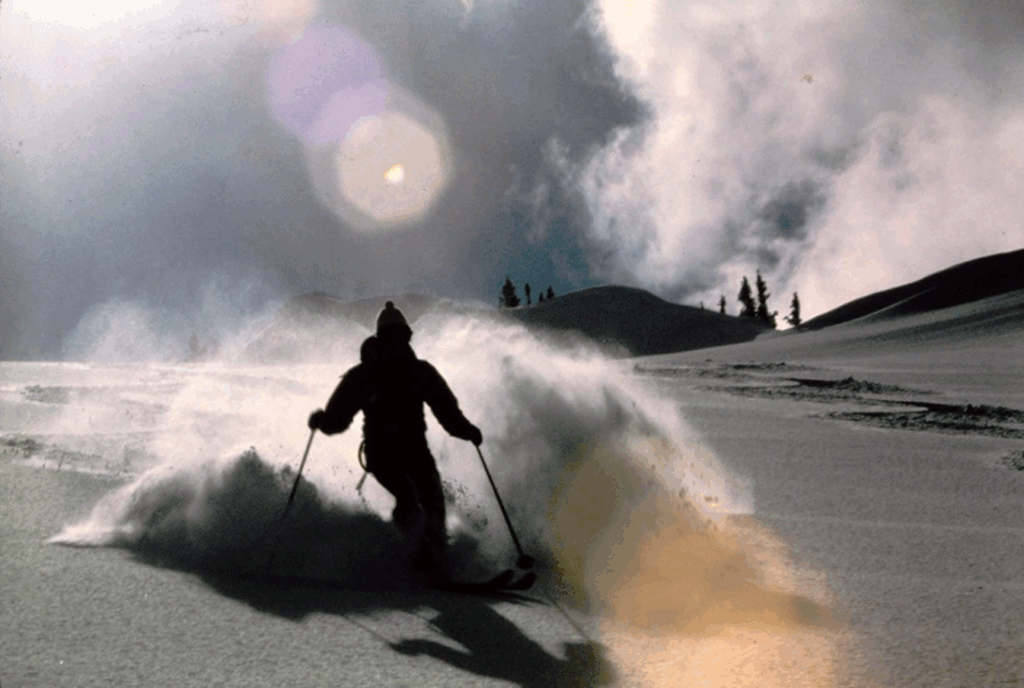
What commenced as a temporary research endeavor quickly evolved into a fully operational program. On December 6, 1975, NWAC issued its very first official backcountry avalanche forecast. This marked a significant milestone, positioning NWAC as the second program of its kind in the United States, following Colorado’s Avalanche Information Center (CAIC), which had launched in 1973. Rich Marriott and Mark Moore, still graduate students at the time, were instrumental in driving this initial effort. Working in close partnership with Ed LaChapelle and Bud Reanier, they focused on issuing forecasts, developing essential instrumentation, and cultivating vital relationships with local and federal agencies.
The Formative Years: NWAC Takes Shape (Late 1970s and 1980s)
By 1978, NWAC entered a new and more stable phase of its existence through a formal cooperative agreement. This landmark agreement brought together the Forest Service, the National Weather Service, the Washington State Department of Transportation (WSDOT), and the National Park Service. A key figure in solidifying NWAC’s position within the Forest Service was Roland “Em” Emetaz, whose strong advocacy was crucial in securing the program’s foundation and operational support. This agreement facilitated cost-sharing and formalized the administrative structure of NWAC under the Pacific Northwest Regional Office of the Forest Service.
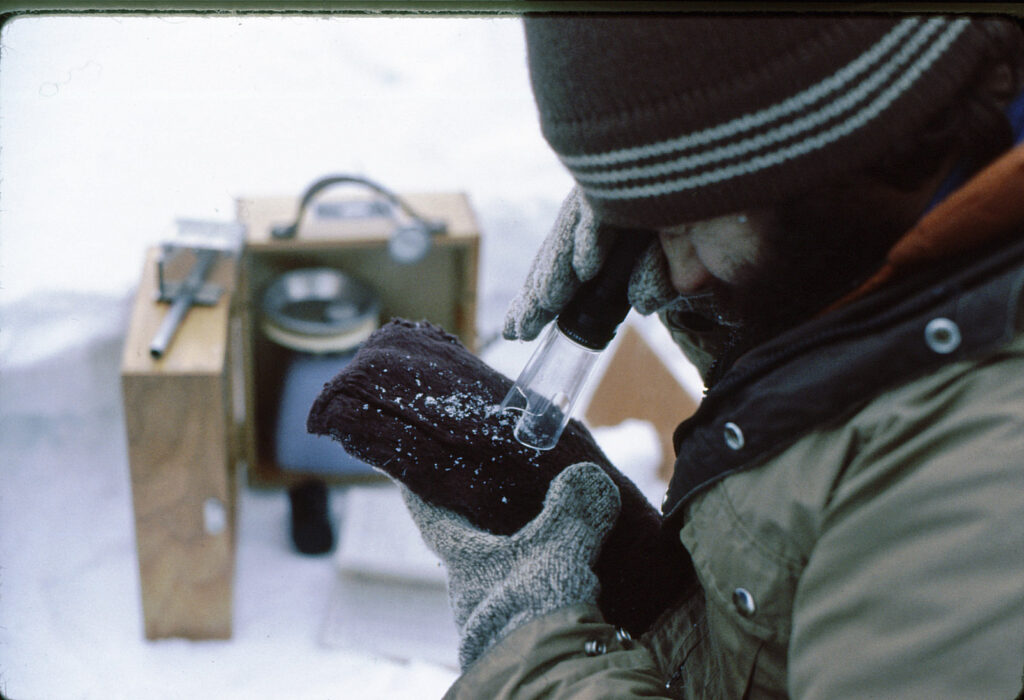
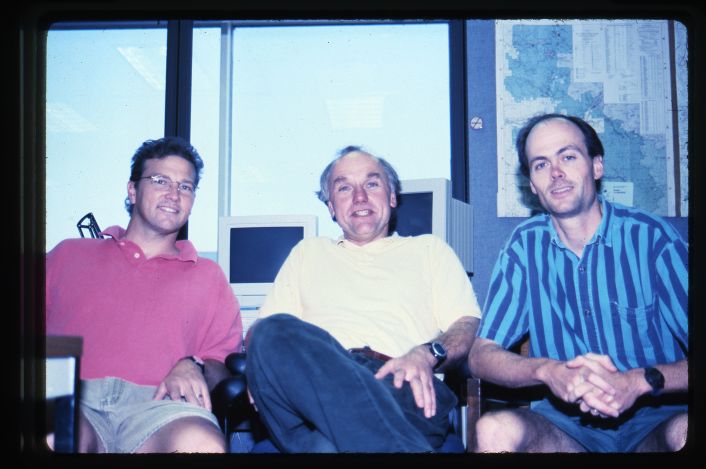
In its nascent years, NWAC operated with a lean but dedicated team and limited resources. The core of the early NWAC team during the 1970s and 1980s included:
- Mark Moore: A foundational figure, Moore began his tenure in 1975 and remained at NWAC until his retirement in 2012. He was a tireless champion for the center, instrumental in shaping its trajectory and establishing its reputation.
- Rich Marriott: Another key founder, Marriott’s expertise was crucial in the early forecasting efforts. He later transitioned to a successful career in broadcast meteorology, becoming a familiar face on KING 5 News for over three decades.
- Ed LaChapelle: A leading snow scientist whose academic expertise provided the scientific bedrock for NWAC’s operations.
- Bud Reanier: A crucial mentor from the National Weather Service, whose belief in NWAC’s potential helped integrate it into the broader meteorological community.
- Pam Speers Hays and Sue Ferguson: These forecasters made significant contributions during their tenures, leaving a lasting impression on NWAC’s development.
The operational challenges of these early years were considerable. Without the sophisticated technology available today, NWAC staff often had to rely on ingenuity and resourcefulness to gather data and disseminate forecasts. Mark Moore recalled the necessity of leasing a dedicated phone line between Seattle and Stevens Pass to ensure continuous information flow. A rudimentary modem was employed to decode weather data transmitted via telephone lines from remote locations, including ski resorts. When equipment failed, as it frequently did, creative solutions were the order of the day, from using chewing gum to temporarily repair instruments to improvising with readily available materials.
Innovation on a Shoestring Budget
The spirit of innovation and resourcefulness defined NWAC’s early operations. Mark Moore recounted the challenges of establishing communication infrastructure: "We had to lease a [phone] line between Seattle and Stevens Pass. We had our own line for feeding information all the time." The process of data acquisition involved rudimentary modems to decode weather information sent via telephone lines, a far cry from today’s real-time satellite feeds and automated weather stations.
When critical equipment inevitably faltered, the team’s ingenuity shone through. Their problem-solving often involved:
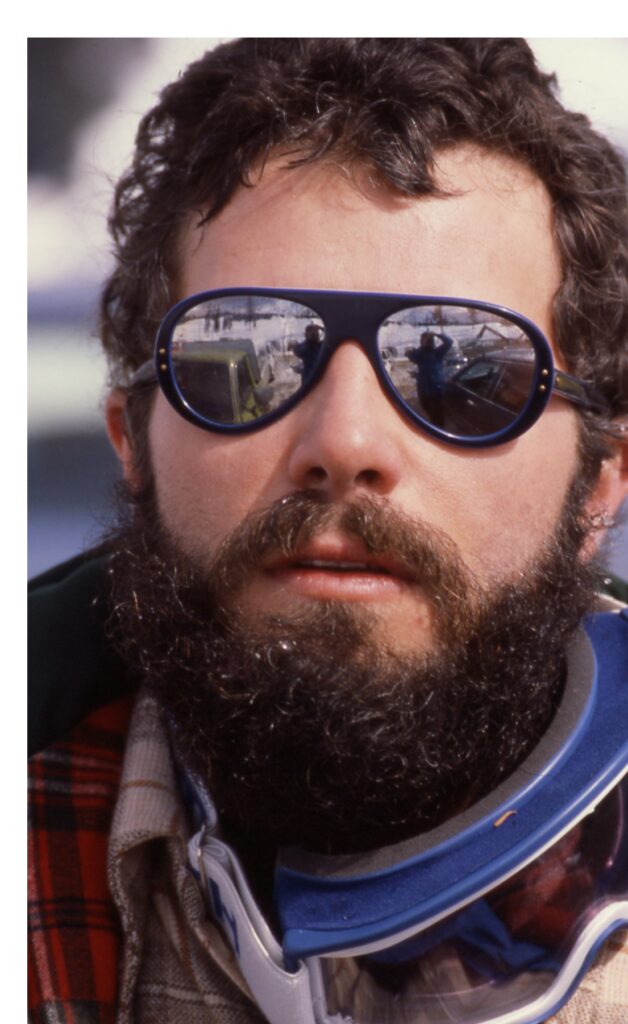
- Field Repairs: Utilizing whatever was at hand, including duct tape and improvised materials, to keep essential weather instruments operational during critical observation periods.
- DIY Instrumentation: Designing and building custom weather stations and sensors when commercial options were unavailable or too costly, often adapting existing technologies for harsh mountain environments.
- Creative Data Transmission: Developing unique methods for relaying vital weather data from remote mountain sites, sometimes involving laborious manual input or innovative use of existing communication channels.
Winning Over the Weather Service: A Shift in Perception
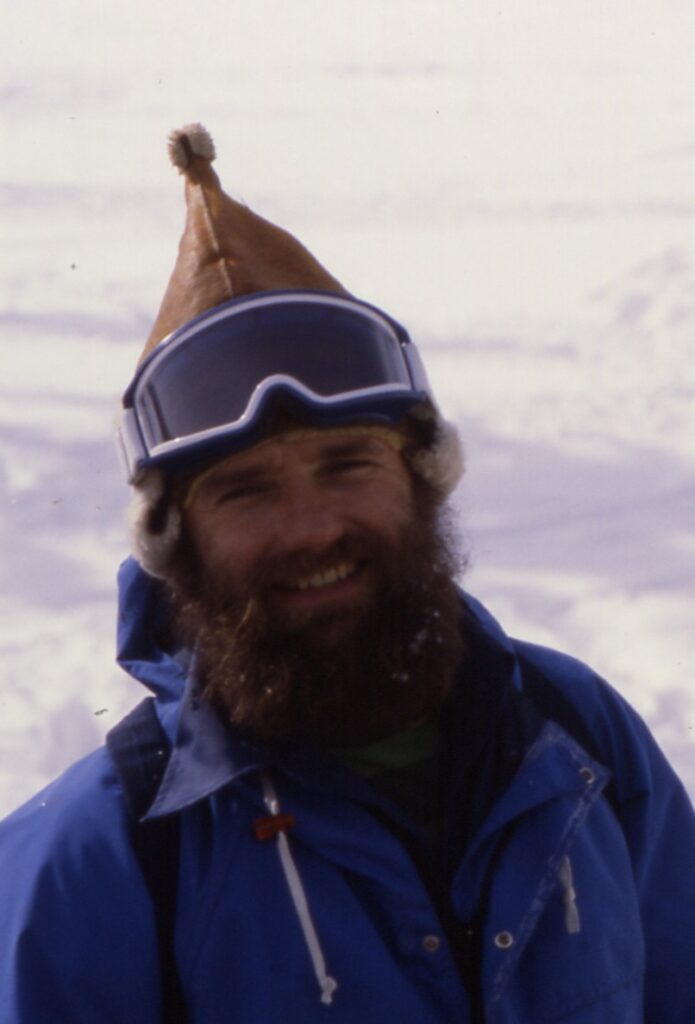
The co-location of NWAC with the Seattle National Weather Service office in 1978 initially met with some skepticism. Rich Marriott humorously recalled the early days, stating, "The forecasters didn’t like us. Mark and I looked like we had just come out of the backcountry after two years—huge hair, huge beards. They wanted to have us deloused." Despite the initial cultural clash, the undeniable value of NWAC’s high-quality mountain observations and its rapidly expanding data network gradually won over the doubters. The program’s commitment to rigorous data collection and its growing impact on public safety demonstrated its essential role. Crucially, Bud Reanier, then Deputy Meteorologist-in-Charge at the NWS in Seattle, was a staunch supporter who recognized the program’s immense potential and played a pivotal role in integrating NWAC into the broader forecasting community.
The Contributions of Key Figures: Beyond the Forecasters
While the forecasters are the public face of NWAC, the center’s success and longevity have been profoundly influenced by individuals who contributed essential, though often behind-the-scenes, expertise.
Phil Taylor, a local Seattle engineer, stands out as a critical contributor. Taylor, who first connected with Mark Moore and Rich Marriott at the University of Washington in the 1970s, dedicated countless hours to developing, testing, and building much of the specialized equipment still utilized by NWAC. His innovations include robust wind instruments and durable snow boards, designed to withstand the severe conditions prevalent in the Pacific Northwest. These instruments, deployed across the Cascades and on more remote, weather-beaten peaks, have been vital for collecting accurate meteorological data. Andy Harrington, a current NWAC Avalanche Forecaster, aptly noted in a tribute to Taylor, "To say that his contributions to our industry are overlooked would be an understatement. Although never in the spotlight, he worked closely with some of the pioneers of our industry to create instrumentation that helps us all perform our jobs better. The tools and guidance he provided over the years have allowed so many of us to better understand factors that contribute to avalanches in the mountains."
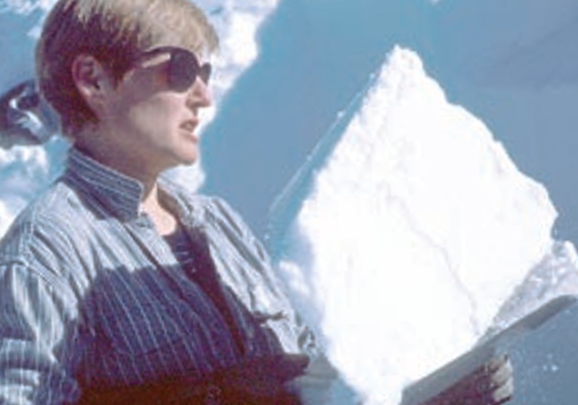
Sue Ferguson, an influential figure in snow science, played a vital role at NWAC from 1986 to 1992. With a Ph.D. in Geophysics and Atmospheric Sciences from the University of Washington, mentored by Ed LaChapelle, Ferguson brought a deep scientific understanding to her work. Prior to her time at NWAC, she served as the Director of the Utah Avalanche Center from 1984 to 1986. Ferguson’s academic contributions were significant, and she authored instructional books on glaciers and avalanches, and was instrumental in the founding of The Avalanche Review and the American Avalanche Association. Tragically, Ferguson passed away from cancer in 2005, but her legacy continues to influence the field. Mark Moore’s tribute to her in April 2006 highlighted her immediate impact at NWAC, noting her "precocious and a quick learner" with a "great ability to gain a broad and reasoned perspective on whatever task she took upon herself to discover."
Expansion and Professionalization: The 1990s and 2000s
For many years, NWAC operated with a core team of just three forecasters. During this period, the focus remained on refining forecasting methodologies and systematically expanding the network of mountain weather stations. A significant development occurred in 1999 with the establishment of the nonprofit Friends of the Northwest Weather and Avalanche Center. This organization was created to bolster NWAC’s public education initiatives and fundraising efforts. Eventually, this community-driven nonprofit would merge with the Forest Service’s NWAC operations, creating a more unified and robust structure.
Alongside Mark Moore, two forecasters formed the backbone of NWAC for nearly three decades: Kenny Kramer (1989-2019) and Garth Ferber (1993-2016). Garth Ferber’s quiet, consistent demeanor was a hallmark of his dedication, whether he was behind the forecast desk or undertaking challenging climbs. He played a lead role in developing NWAC’s weather station program, mentoring newer generations of forecasters. Kenny Kramer, who became NWAC’s Forecast Director in 2013, was renowned for his forecasting prowess, though his true passion lay in surfing and warmer climes. Kramer, along with Scott Schell (NWAC’s Non-Profit Executive Director), Dennis D’Amico (current NWAC Forecast Director), and Simon Trautman (now Director of the National Avalanche Center), were instrumental in guiding NWAC through a period of rapid change in the 2010s, marked by a surge in backcountry use and significant technological advancements.
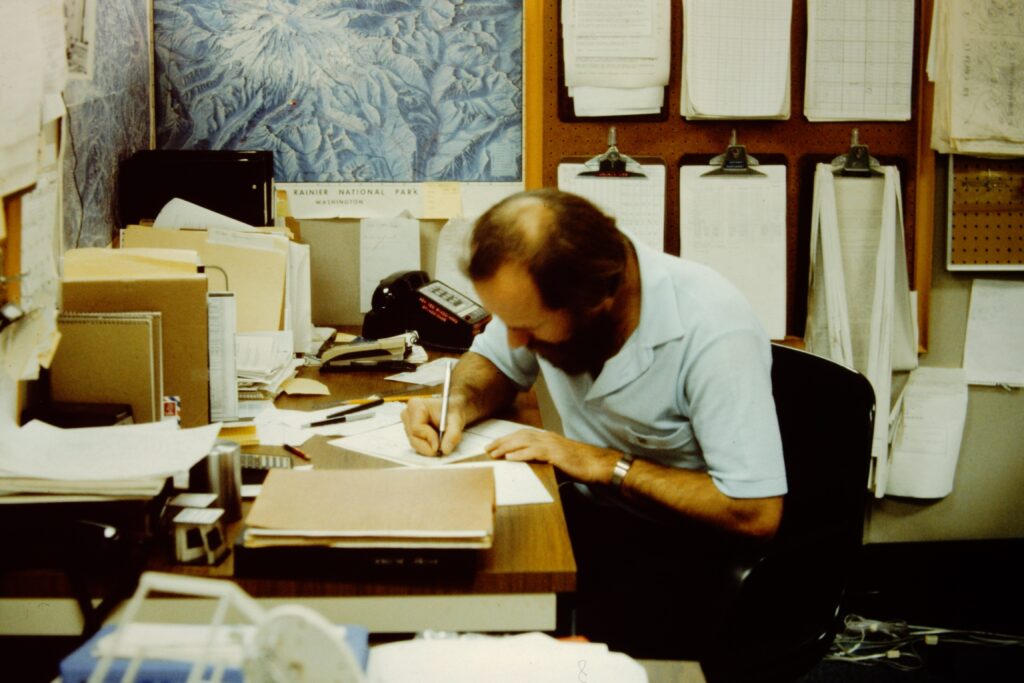
In 2013, NWAC embarked on a significant expansion by launching a field-based professional observer program with six members, including Dallas Glass, who is now NWAC’s current Forecast Deputy Director. The center continued its growth trajectory, with a steady increase in field and community-based avalanche forecasters. This expansion saw the team grow from its historical baseline of three meteorologists to eleven total forecasters, strategically positioned from Bellingham to Hood River and from Seattle to Leavenworth, enhancing regional coverage and responsiveness.
NWAC Today: A Hub of Innovation and Impact
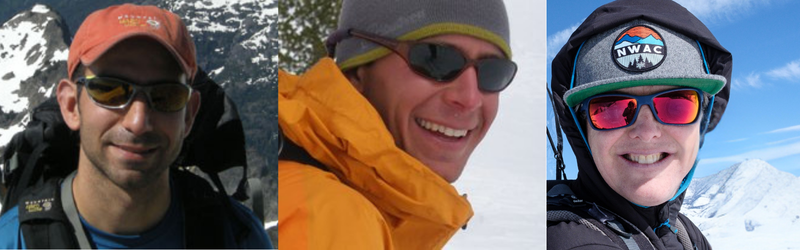
Presently, NWAC operates as a sophisticated organization with a broad reach and a profound impact on mountain safety. The center now comprises:
- 11 Full-Time Avalanche Forecasters: Covering diverse geographic areas and specialized forecasting needs.
- A Dedicated Support Staff: Ensuring the smooth operation of administrative, technical, and outreach functions.
- A Network of Over 200 Avalanche Observers: Volunteers and professionals who provide critical real-time data from the backcountry.
The collective efforts of NWAC and its partners have resulted in:
- Over 1,300 Avalanche Forecasts Annually: Providing daily guidance during the winter season.
- A Comprehensive Network of 70+ Remote Automatic Weather Stations: Delivering critical real-time data on snowpack, temperature, wind, and precipitation.
- Extensive Public Education Programs: Reaching thousands of backcountry enthusiasts annually through courses, workshops, and online resources.
- A Highly Utilized Website and Mobile App: Delivering timely forecasts, safety information, and advisories to a broad audience.
NWAC’s enduring success is also attributed to strong support from long-standing partners, including:
- U.S. Forest Service: A foundational partner providing significant operational and resource support.
- National Weather Service: Collaborating on weather data integration and forecasting methodologies.
- Washington State Department of Transportation (WSDOT): Crucial for highway avalanche safety and information dissemination.
- National Park Service: Essential for safety and forecasting within protected park areas.
- Local Ski Areas: Partnering in data collection and public safety outreach.
- The Avalanche Center Community: Collaborating with other centers across North America for knowledge sharing and best practices.
Looking Towards the Future: Sustaining a Legacy of Safety
NWAC’s journey from improvised solutions in the field to sophisticated technological forecasting exemplifies a continuous commitment to innovation. The center has evolved from its origins with two young scientists piecing together forecasts to an organization issuing over 1,300 forecasts annually, educating thousands of backcountry users, and garnering millions of dollars in community support over its history. As an increasing number of individuals seek to explore the natural beauty of the backcountry, NWAC’s mission to provide life-saving information remains more vital than ever.
NWAC is a true reflection of the Pacific Northwest community—resilient, resourceful, and deeply committed to the well-being of its members. As the center commemorates its 50th anniversary, it honors the visionary individuals who laid its foundation, the steadfast partners who have sustained its operations, and the public who have embraced its critical safety messaging.
Looking ahead to the next fifty years, NWAC remains anchored by the fundamental belief that informed recreation is intrinsically linked to lives saved. Whether one is ascending a quiet mountain ridge, navigating a snow-laden highway, or actively teaching avalanche safety principles, they are an integral part of NWAC’s ongoing narrative. The organization expresses profound pride in its past achievements, deep gratitude for the unwavering support it has received, and enthusiastic anticipation for the future it will continue to shape.

