
The trajectory of Jonny Moseley’s career has been defined by a relentless pursuit of innovation, both on the slopes and in the laboratory of human performance. In 1998, when the world watched Moseley capture the gold medal in freestyle skiing at the Nagano Winter Olympics, the victory was perceived by many as the result of raw talent and a daring "new-school" attitude. However, the foundation of that success was a revolutionary training methodology that prioritized data, recovery cycles, and physiological monitoring long before such practices became industry standards. Today, Moseley is translating those decades of elite experience into a new era of fitness, focusing on dynamic movement, mobility, and the integration of artificial intelligence into the recovery process.
The Nagano Revolution: A Data-Driven Path to Gold
To understand Moseley’s current fitness philosophy, one must look back to the 1997-1998 ski season. At a time when many mogul skiers relied on traditional high-repetition training and intuition, Moseley and his team adopted a scientific approach that mirrored the precision of endurance cycling. He became an early adopter of heart rate monitoring, a technology that had only begun to gain traction in professional coaching circles during the 1990s. Although the first wireless heart rate monitor was released by Polar in 1982, it took over a decade for the sports world to fully grasp the influence of Heart Rate Variability (HRV) and VO2 max on peak performance timing.
Moseley’s regimen involved meticulous journaling of his day-to-day performance and a keen observation of "second-day soreness," or Delayed Onset Muscle Soreness (DOMS). By tracking how his body responded to specific strains, he could evaluate when he was at peak performance and, more importantly, when he was at risk of overtraining. This obsession with timing the cycles of strain and recovery was born from the unique pressure of the Olympic cycle. As Moseley reflected, athletes in his position exist in a four-year loop where a lifetime of work is distilled into a single performance on the world stage.
This analytical preparation allowed Moseley to enter the Nagano Games with a level of confidence that facilitated his creative breakthrough. By incorporating a snowboard-style grab into his 360-degree spin—a move that eventually became iconic in the sport—he did more than win a gold medal; he shifted the paradigm of freeskiing toward a more creative and expressive discipline.
The Science of Modern Recovery: AI and Wellness Integration
Decades after his Olympic triumph, Moseley’s relationship with performance has evolved from the pursuit of explosive power to a focus on longevity and functional mobility. His current role as an ambassador for Velvaere, a private ski and wellness community in Deer Valley, Utah, places him at the intersection of luxury real estate and cutting-edge sports science. The facility represents a growing trend in "wellness real estate," where residential properties are designed around integrated health amenities.
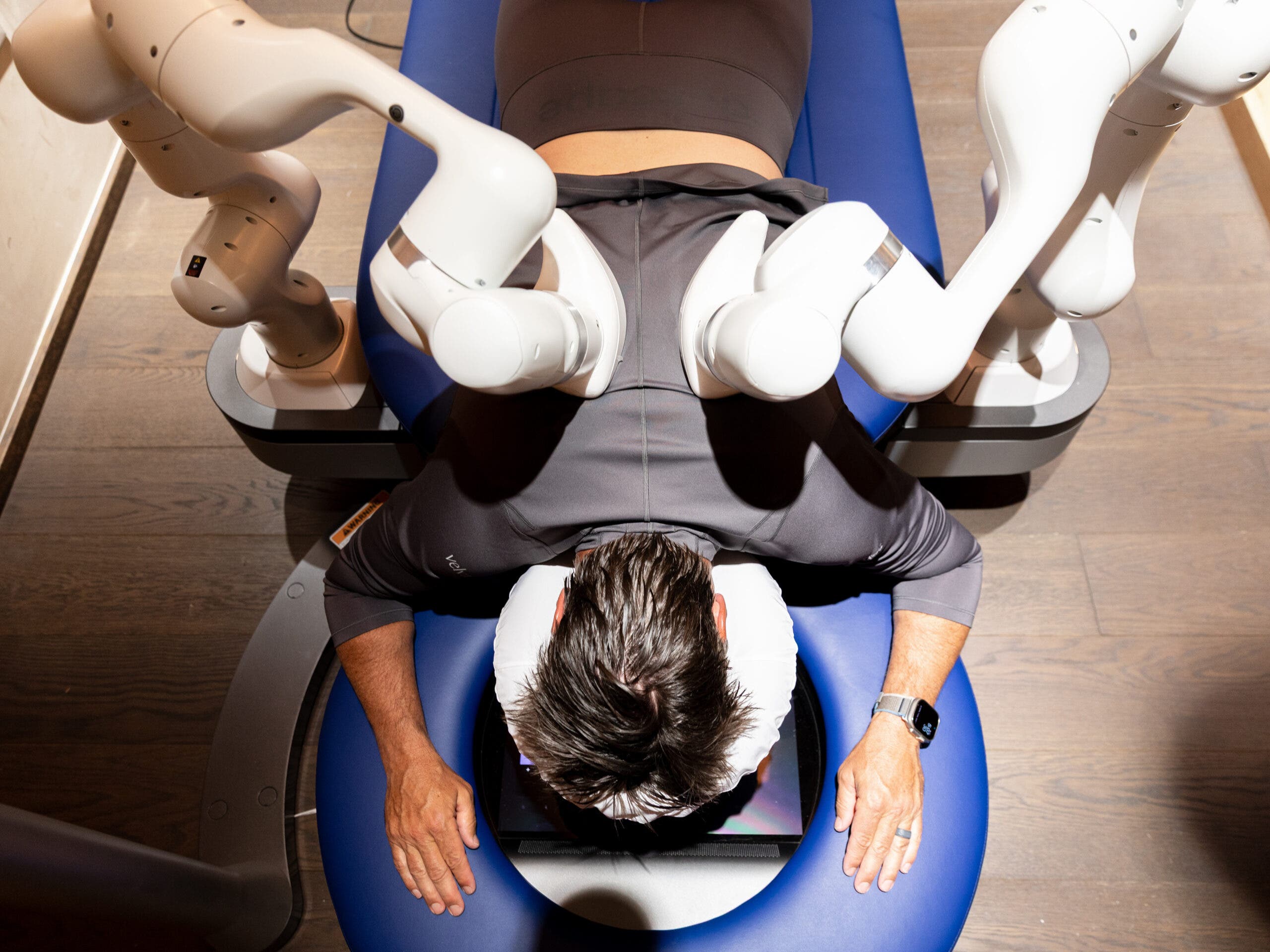
The technology at Velvaere mirrors the elite environments of the United States Olympic & Paralympic Training Centers. Among the most notable innovations is an AI-powered robotic massage system. Unlike traditional massage therapy, this system utilizes sensors to evaluate the human body’s musculoskeletal state before administering a customized treatment. This objective, data-driven approach to soft tissue recovery echoes Moseley’s early days of heart rate tracking—replacing subjective feeling with quantifiable physiological data.
Beyond robotics, the recovery suite includes:
- Cryotherapy and Cold Plunges: Utilized to reduce systemic inflammation and accelerate metabolic recovery.
- LightStim LED Therapy: Employs specific wavelengths of light to enhance cellular repair and collagen production.
- Flotation Therapy: Provides sensory deprivation to lower cortisol levels and promote deep psychological and physical rest.
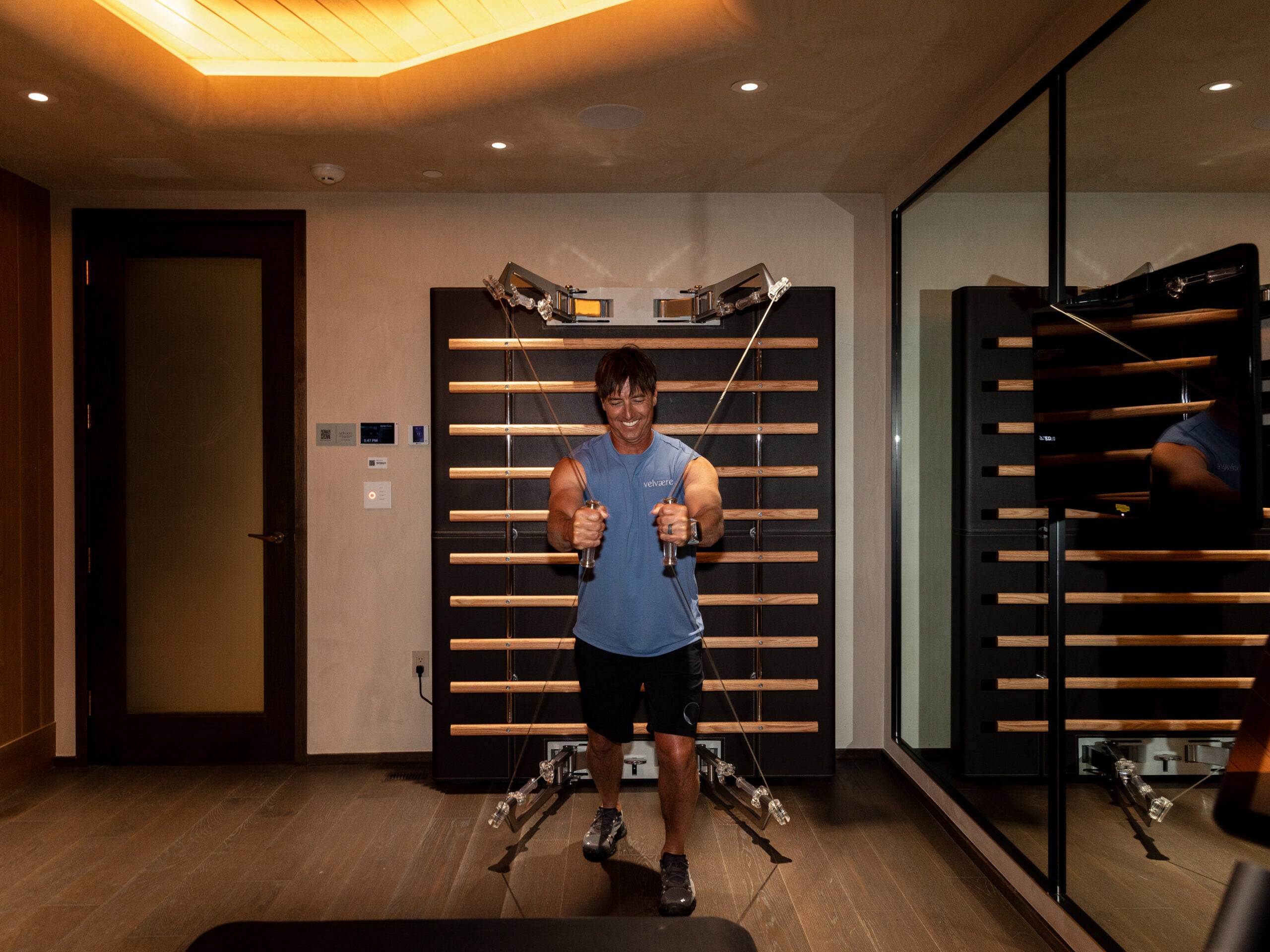
- TechnoGym Ecosystem: Integrated equipment that tracks every movement, ensuring that strength training remains balanced and biomechanically sound.
Moseley notes that these amenities, once reserved for the world’s most elite athletes, are now becoming central to the lifestyle of recreational skiers who wish to maintain their performance as they age.
A Seasonal Approach to Longevity: The Moseley Training Regimen
While high-tech recovery is a cornerstone of his current routine, Moseley maintains a disciplined physical training schedule that adapts to the changing seasons. His approach is divided into distinct phases designed to prepare the body for the unique demands of alpine environments.
Phase I: Summer Strength and Baseline Conditioning
During the early summer months, the focus is on foundational strength. Moseley’s routine begins with a strict morning session consisting of 30 to 60 minutes of cardiovascular work, often involving trail walks or treadmill sessions. This is followed by traditional weightlifting. While his younger years were dominated by heavy compound lifts focused on the lower body, he now emphasizes a more balanced, full-body approach to prevent compensatory injuries.
Phase II: Autumn Endurance and Lateral Stability
As temperatures drop and the ski season approaches, the focus shifts toward endurance and sport-specific movements. This transition is critical for skiers, as it moves the body from linear strength (up and down) to lateral stability (side to side). Moseley utilizes slide boards and one-leg training to mimic the eccentric loads and balance required on the slopes. This "plyometric mode" is essential for reactive power, though Moseley cautions that the transition should be gradual, suggesting that athletes start with low-height box jumps to avoid jarring the joints.
Phase III: The Mobility Factor
Perhaps the most significant change in Moseley’s routine is his commitment to mobility. "I’m a hot yoga guy," he admits, highlighting the necessity of flexibility in maintaining a wide range of motion. For the aging athlete, mobility is the primary defense against the stiffness that often leads to ligament tears and joint degradation. When weather permits, he supplements this with wing foiling, a sport that requires intense core stability and fluid movement, providing a functional bridge between the gym and the mountain.
Analysis: The Broader Impact on Sports Culture and Real Estate
Moseley’s evolution reflects a broader shift in the global fitness landscape. The "weekend warrior" and the retired professional alike are increasingly adopting the "total athlete" mindset, which treats recovery with the same importance as the workout itself. This shift has significant implications for the hospitality and real estate industries.
The emergence of communities like Velvaere suggests that the future of luxury living is no longer just about location or aesthetic design, but about biological optimization. By embedding AI-driven wellness tools into the home environment, these developments aim to extend the "athletic life" of their residents. For the ski industry, this could mean a demographic of skiers who remain active and injury-free well into their 70s and 80s, fundamentally changing the market for season passes and mountain services.
Furthermore, Moseley’s focus on the "cycle of strain and recovery" highlights a growing psychological awareness in sports. The recognition that the body cannot exist in a state of perpetual peak performance is leading to a more sustainable approach to fitness. This "lifestyle wellness" community model provides the social and infrastructure support necessary to maintain these complex routines, which Moseley identifies as one of the greatest contributors to long-term success.
Conclusion: The Legacy of Innovation
Jonny Moseley’s journey from the 1998 Nagano podium to the high-tech recovery labs of Deer Valley serves as a blueprint for the modern athlete. By bridging the gap between old-school grit and new-age technology, he continues to challenge the perception of what is possible in the realm of physical longevity.
Whether it is through the use of AI-powered robotics or the simple discipline of a morning walk, Moseley’s current routine is a testament to the idea that peak performance is not a destination reached in one’s twenties, but a continuous process of adaptation. As the ski season approaches, his focus remains clear: stay mobile, stay recovered, and remain ready for the next descent. In doing so, he remains an influential figure not just for his past achievements, but for his ongoing contribution to the science of living well.

