
The onset of the winter sports season brings with it a surge in mountain activity, yet for many enthusiasts, the physical demands of downhill skiing often exceed their off-season preparation. As ski resorts across the Northern Hemisphere prepare for peak occupancy, medical professionals and sports therapists are emphasizing a critical message: ski fitness must be established well before the first chairlift ascends. Skiing remains a high-risk activity characterized by unpredictable variables, including hidden obstacles, changing snow densities, and the high-velocity nature of alpine descent. According to orthopedic experts, the transition from a sedentary lifestyle to the high-impact environment of the slopes is a primary catalyst for musculoskeletal injuries.
Dr. Matt Hastings, a Doctor of Physical Therapy specializing in orthopedic and sports medicine at The Alpine Athlete, notes that while skiers cannot control mountain conditions, they can significantly mitigate their risk through targeted physiological conditioning. The complexity of skiing requires a unique blend of eccentric strength, isometric stability, and multi-planar mobility. To address these needs, a comprehensive fitness protocol has been developed, focusing on five essential exercise pillars designed to fortify the body against the specific stresses of alpine sports.
The Biomechanics of Alpine Skiing: A Contextual Overview
Skiing is fundamentally a sport of controlled falling and force absorption. Unlike running or cycling, which are primarily sagittal plane movements (forward and backward), skiing requires the body to manage forces across multiple planes. The "athletic stance" maintained during a descent requires the quadriceps, hamstrings, and gluteal muscles to remain under constant tension while the core stabilizes the trunk against rotational forces.
Data from the National Ski Areas Association (NSAA) suggests that while the overall rate of injury has declined over several decades due to better equipment, knee injuries—specifically Anterior Cruciate Ligament (ACL) and Medial Collateral Ligament (MCL) tears—remain the most prevalent trauma on the slopes. These injuries often occur during the "catch-an-edge" scenario or during late-afternoon fatigue when the muscles can no longer support the joint structure. This reality underscores the importance of building "functional reserve"—the gap between the physical demands of the sport and an athlete’s maximum physical capacity.
The Chronology of Pre-Season Conditioning
Effective ski preparation follows a specific timeline to allow for physiological adaptation. Sports scientists generally recommend an eight-to-twelve-week conditioning window prior to the first day on the snow.
- Weeks 1–4: The Hypertrophy and Foundation Phase. This period focuses on building basic muscle mass and identifying mobility restrictions. Emphasis is placed on mastering form in traditional lifts like squats and deadlifts.
- Weeks 5–8: The Strength and Stability Phase. Athletes begin incorporating isometric holds and single-leg variations to mimic the unilateral nature of skiing.
- Weeks 9–12: The Power and Eccentric Phase. The final month of preparation introduces high-load eccentric movements and plyometrics to prepare the nervous system for the rapid force absorption required in moguls or variable terrain.
- In-Season: The Maintenance Phase. Once the season begins, the focus shifts to recovery and maintaining the strength gains achieved during the pre-season.
Pillar 1: Eccentric Strengthening for Force Absorption
The most critical component of a skier’s toolkit is eccentric strength. An eccentric contraction occurs when a muscle lengthens under load. In skiing, this happens every time a skier absorbs a bump or enters a turn; the legs act as shock absorbers, decelerating the body’s weight against gravity.
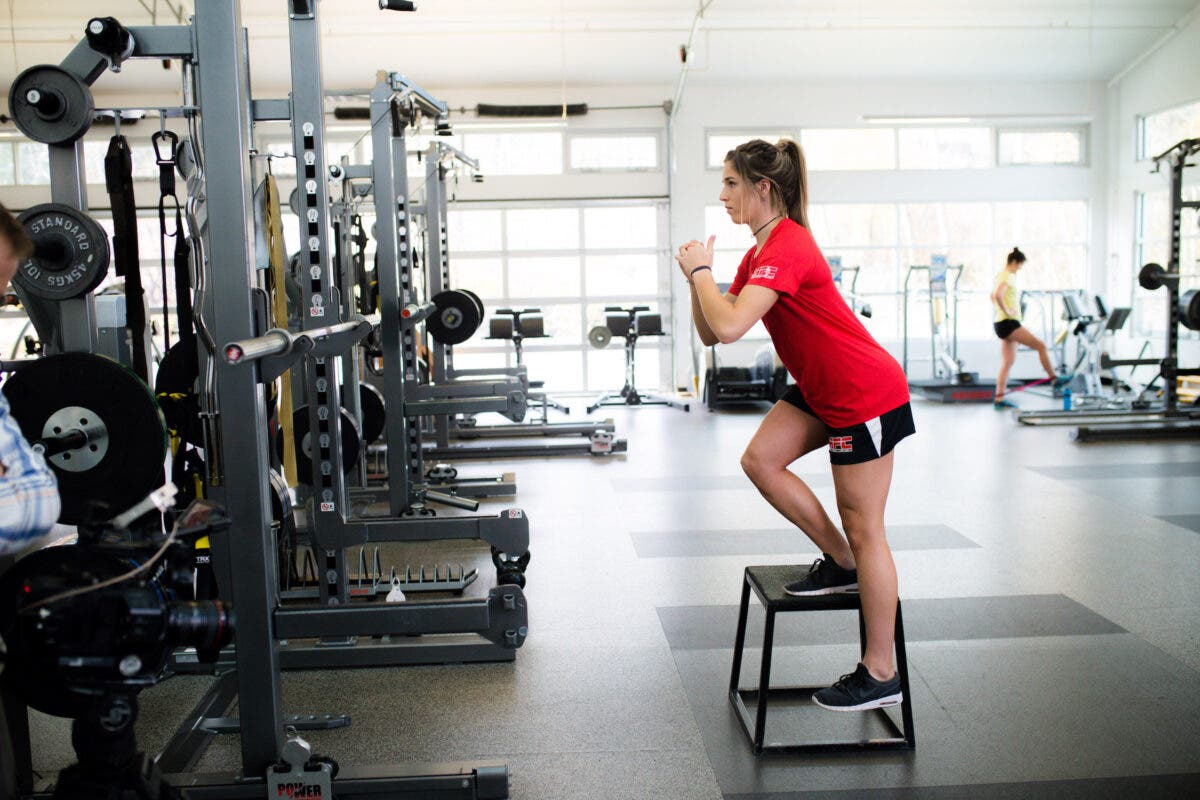
Dr. Hastings explains that focusing on the lowering phase of a lift—such as taking three to five seconds to descend into a squat—trains the muscle fibers and tendons to withstand high-velocity loading. This type of training not only builds muscle but also increases the structural integrity of the connective tissues surrounding the knee. By mastering eccentric control, skiers can maintain their line in heavy "mashed potato" snow or through icy ruts without their legs buckling under the pressure.
Pillar 2: Isometric Stability to Combat Muscle Fatigue
The "quad burn" familiar to every skier is a result of sustained isometric and near-isometric contractions. When an athlete holds a long, carving turn, the muscles are firing at a constant joint angle to maintain stability. If the muscles lack isometric endurance, the body will naturally begin to "stand up" out of the turn, leading to a loss of control and increased risk of a fall.
The wall sit remains the gold standard for building this specific type of endurance. To progress this movement, therapists recommend adding weighted resistance or incorporating "active isometrics," such as holding the bottom of a lunge. These exercises train the metabolic pathways to manage lactic acid buildup more efficiently, allowing for longer runs and reducing the fatigue that often leads to injuries during the final run of the day.
Pillar 3: Unilateral Training and Single-Leg Equilibrium
Skiing is essentially a series of weight shifts from one leg to the other. At any given moment in a turn, the outside (downhill) ski is carrying the vast majority of the athlete’s weight. Therefore, bilateral exercises like the standard barbell squat are insufficient on their own.
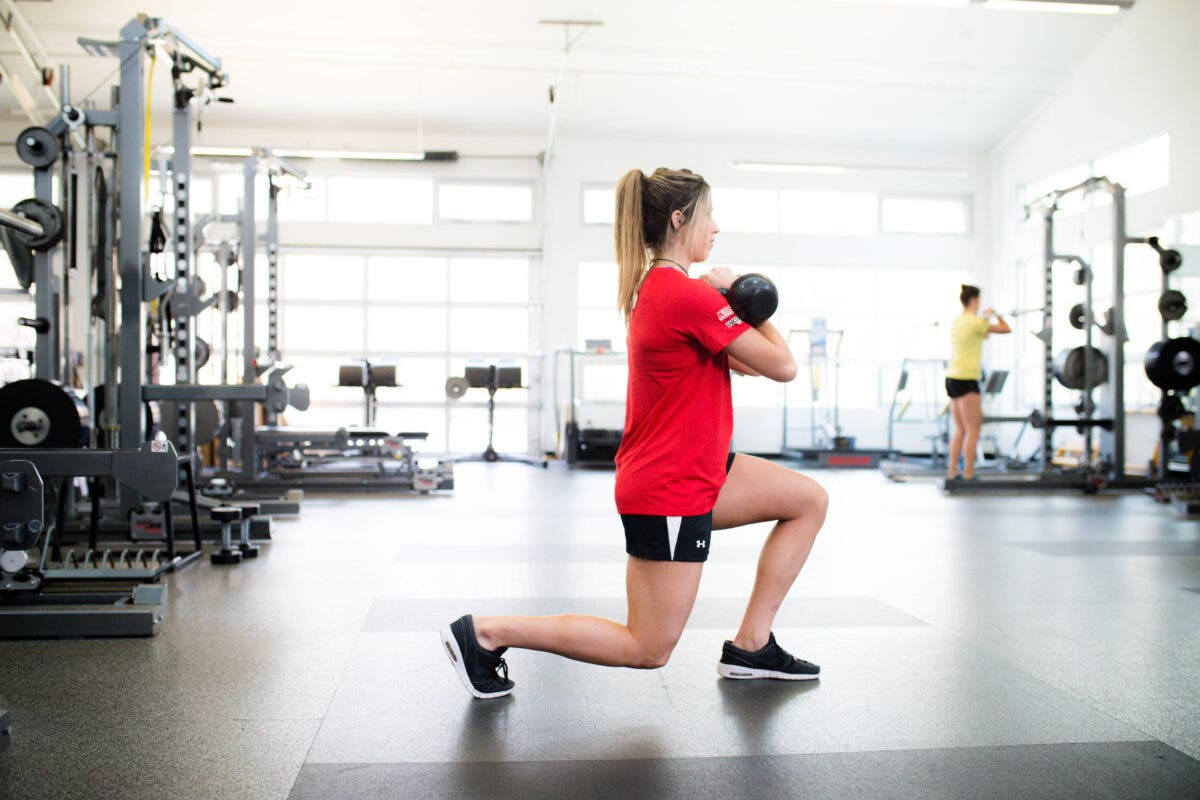
Single-leg exercises, such as Bulgarian split squats, lateral lunges, and single-leg deadlifts, are vital for developing the stabilizers of the hip, specifically the gluteus medius. Strengthening these muscles prevents "valgus collapse"—the inward buckling of the knee—which is a leading cause of non-contact ACL tears. By training each leg independently, skiers can also correct muscular imbalances that might lead to asymmetrical skiing patterns.
Pillar 4: Core Integration and the "Quiet Upper Body"
A hallmark of an expert skier is a "quiet" upper body while the lower body moves dynamically beneath them. This separation is made possible by a robust core. However, traditional sit-ups are rarely effective for skiing. Instead, skiers require "anti-rotational" and "anti-lateral flexion" strength.
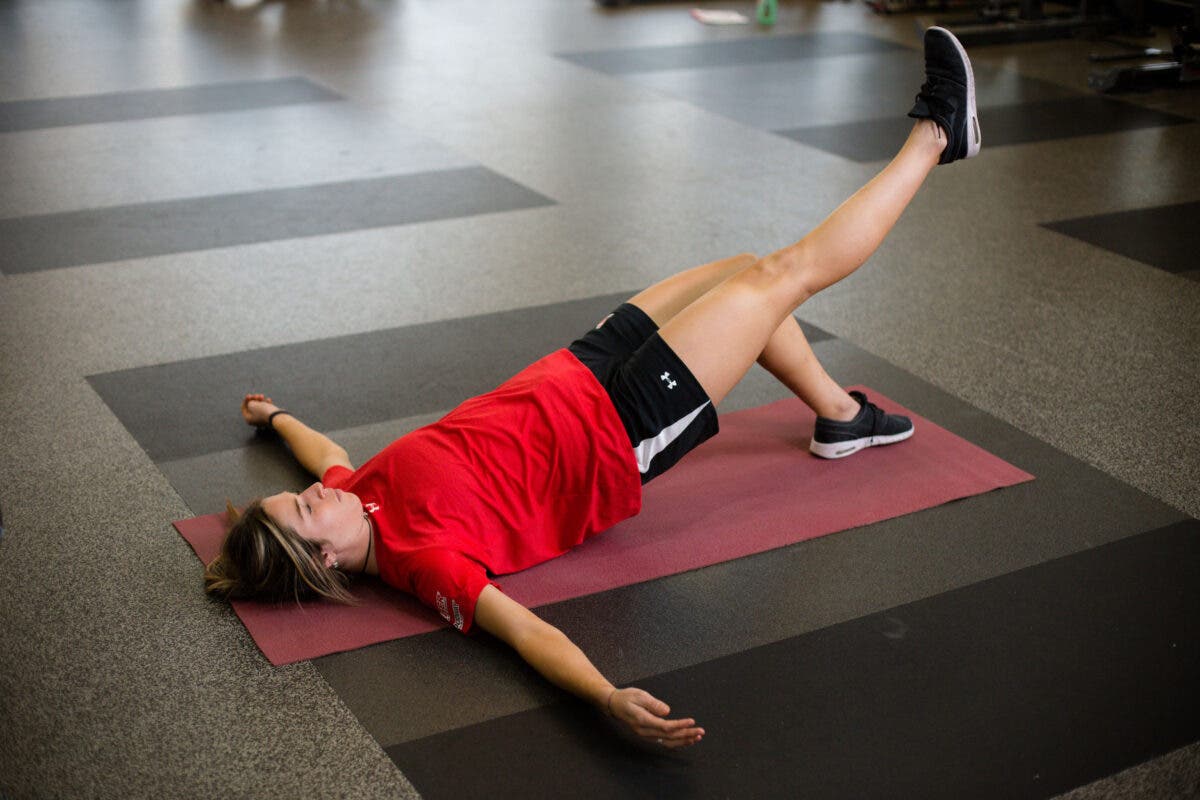
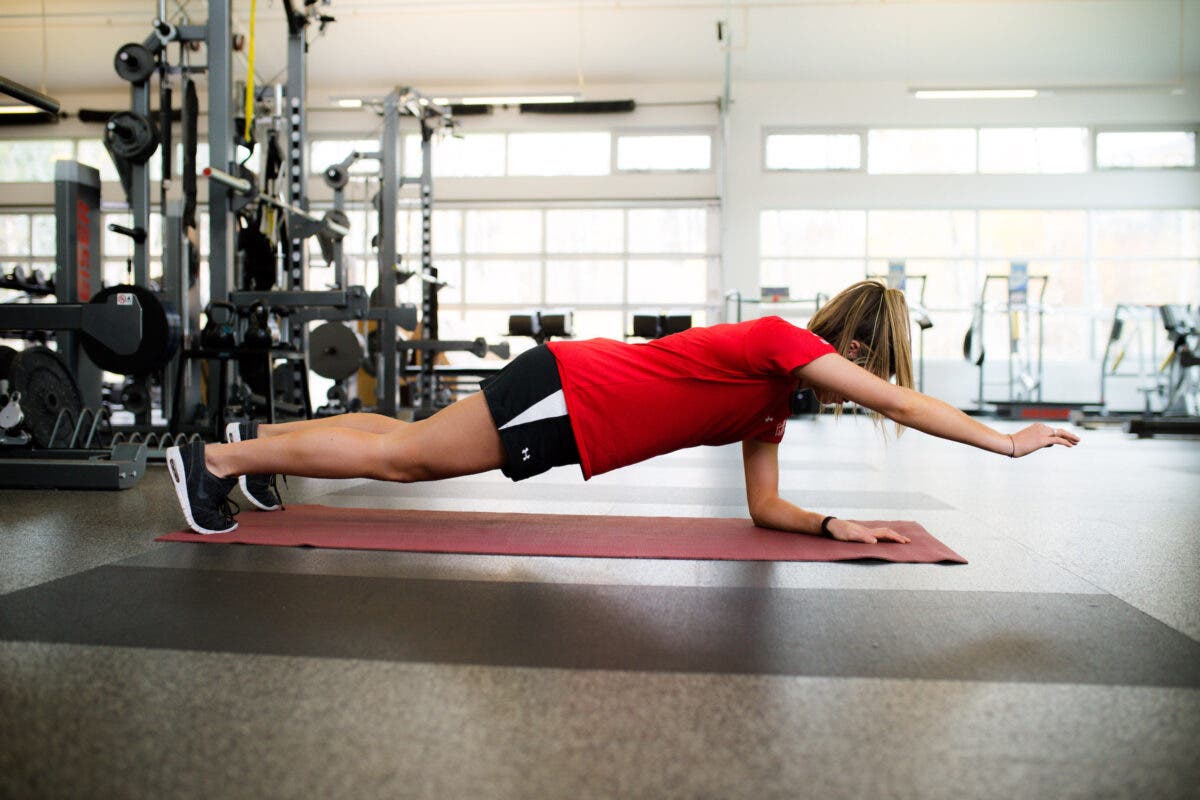
Plank variations are the primary tool for this development. Moving beyond the standard forearm plank, Dr. Hastings recommends the Copenhagen plank—which targets the adductors (inner thighs) and the lateral core—and planks with alternating arm reaches. These movements simulate the need to keep the torso facing down the "fall line" while the legs move across it. A stable trunk ensures that the forces generated by the skis are efficiently transferred through the body, rather than being lost in "energy leaks" through a weak midsection.
Pillar 5: Mobility and the Kinetic Chain
While strength is the engine, mobility is the oil that keeps the machine running. Skiing requires significant range of motion in the ankles, hips, and thoracic spine. If the ankles are stiff (often exacerbated by rigid ski boots), the knees must overcompensate, increasing the risk of strain. Similarly, if the hips lack mobility, the lower back will take the brunt of the rotational forces.
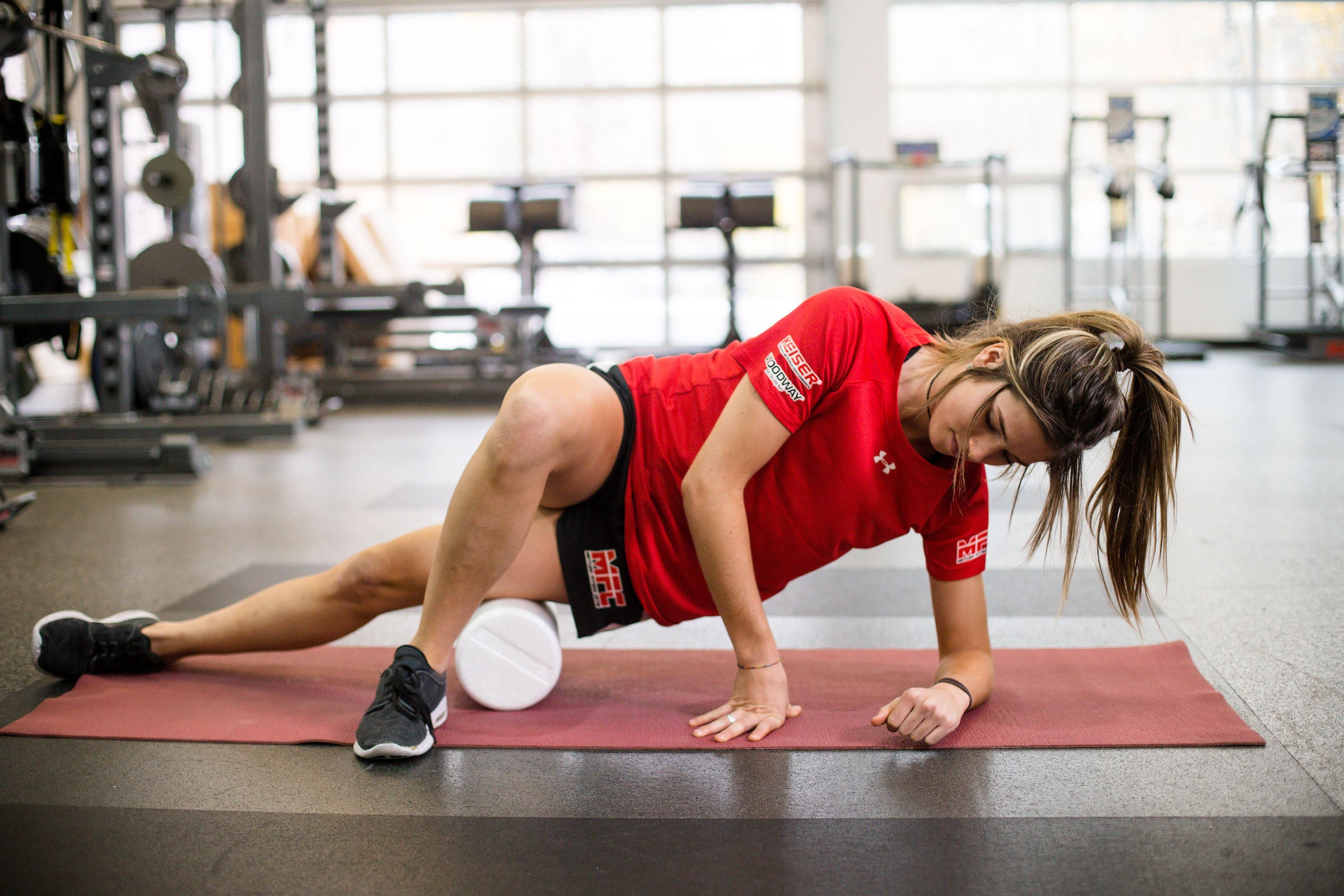
A dedicated mobility routine involving foam rolling, dynamic stretching, and the use of massage guns can facilitate recovery. Pre-ski mobility should focus on "waking up" the joints, while post-ski recovery should focus on down-regulating the nervous system and addressing muscle tightness in the hip flexors and calves.
Supporting Data: The Impact of Fatigue on Injury Rates
Statistical analysis of ski patrol reports indicates a "fatigue curve" in mountain injuries. A significant percentage of incidents occur after 2:00 PM, a time when glycogen stores are depleted and muscular endurance is reaching its limit. Furthermore, data suggests that skiers with a Body Mass Index (BMI) in the higher ranges who lack specific eccentric strength are at a 2.5 times higher risk of lower-extremity injury compared to those who engage in pre-season conditioning.
The economic implications are also substantial. The average cost of an ACL reconstruction and subsequent physical therapy in the United States ranges from $20,000 to $50,000. In contrast, a twelve-week gym membership and a structured fitness program represent a fraction of that cost, highlighting the financial pragmatism of injury prevention.
Broader Implications for the Outdoor Industry
The push for better ski fitness reflects a broader trend in the outdoor industry toward "longevity in sport." As the average age of the skiing population increases, there is a growing market for "pre-hab" programs that allow older athletes to continue skiing into their 70s and 80s. This shift is also influencing equipment design, with manufacturers developing lighter boots and more dampening materials in skis to reduce the physical toll on the body.
Furthermore, the "Brain-Body Connection" mentioned by industry experts like Dr. Hastings points to the neurological aspect of fitness. Training the body to react to unexpected terrain changes is as much a cognitive task as it is a physical one. Proprioception—the body’s ability to sense its position in space—is sharpened through the very exercises mentioned in this protocol, creating a faster "reflex loop" that can be the difference between a near-miss and a season-ending injury.
Conclusion: A Proactive Approach to the Slopes
As the ski season approaches, the responsibility for safety lies not just with resort operators and equipment manufacturers, but with the athletes themselves. The transition from the office to the alpine environment is a significant physiological leap. By incorporating eccentric loading, isometric holds, unilateral strength, core stability, and mobility work, skiers can ensure they are not just "surviving" the mountain, but thriving on it.
The expert consensus is clear: the work done in the gym during the autumn months determines the quality of the experience on the mountain in the winter. For those looking to maximize their vertical feet and minimize their time in the clinic, a structured, science-based fitness routine is no longer optional—it is an essential component of the modern skiing experience. Through diligent preparation, skiers can face the inherent risks of the sport with confidence, knowing their bodies are fortified against the unpredictable nature of the great outdoors.

