
The inherent unpredictability of alpine environments presents a unique set of physiological challenges to the human body, necessitating a rigorous and scientifically grounded approach to pre-season conditioning. While skiing is celebrated for its blend of high-speed exhilaration and technical precision, the sport carries a statistically significant risk of musculoskeletal injury. Whether navigating the early-season "white ribbon of death" or carving through peak-winter powder, skiers are constantly exposed to hidden hazards such as sub-surface rocks, dense timber, and abrupt topographical transitions. According to sports medicine data, the knee remains the most vulnerable joint in alpine skiing, with Anterior Cruciate Ligament (ACL) tears and Medial Collateral Ligament (MCL) sprains accounting for approximately 30% of all reported injuries. To mitigate these risks, physical therapists and sports scientists emphasize that a well-established fitness routine must be implemented long before the first chairlift begins to turn.
Dr. Matt Hastings, a Doctor of Physical Therapy specializing in orthopedic and sports medicine at The Alpine Athlete, posits that while external mountain factors remain beyond an individual’s control, internal physiological readiness is a variable that can be meticulously managed. The transition from a sedentary or laterally limited lifestyle to the dynamic, multi-planar demands of skiing requires more than general cardiovascular health; it demands a targeted focus on eccentric strength, isometric stability, and neuromuscular coordination.
The Biomechanics of the Downhill Descent
To understand the necessity of specialized training, one must analyze the biomechanical forces at play during a descent. Skiing is primarily a "braking" sport, where the musculature of the lower extremities acts as a sophisticated suspension system. As a skier moves down a slope, their muscles must constantly absorb the kinetic energy generated by gravity and terrain changes. This process relies heavily on eccentric muscle contractions, where the muscle lengthens under tension. Failure to prepare the musculoskeletal system for these forces often leads to premature fatigue, which is a primary precursor to injury. Statistical evidence from resort clinics suggests that a disproportionate number of accidents occur after 2:00 PM, a timeframe coinciding with peak muscular exhaustion and diminished cognitive focus.
The Chronology of Pre-Season Conditioning
A comprehensive ski-fitness timeline typically spans eight to twelve weeks prior to the onset of the season. This periodization allows for the gradual adaptation of connective tissues—tendons and ligaments—which take longer to strengthen than muscle fibers.
- Weeks 1-4: Foundation and Mobility. The initial phase focuses on identifying and correcting kinetic chain imbalances. This involves assessing ankle dorsiflexion, hip internal rotation, and spinal flexibility.
- Weeks 5-8: Hypertrophy and Strength. During this phase, athletes introduce resistance training to build the necessary muscle mass in the quadriceps, hamstrings, and glutes.
- Weeks 9-12: Power and Neuromuscular Control. The final month transitions into plyometrics and high-intensity interval training (HIIT) to simulate the burst-heavy nature of a ski run.
Five Essential Pillars of Injury Mitigation
Dr. Hastings identifies five specific exercise modalities that serve as the cornerstone of a resilient ski-ready physique. These categories address the specific mechanical failures that lead to common mountain injuries.
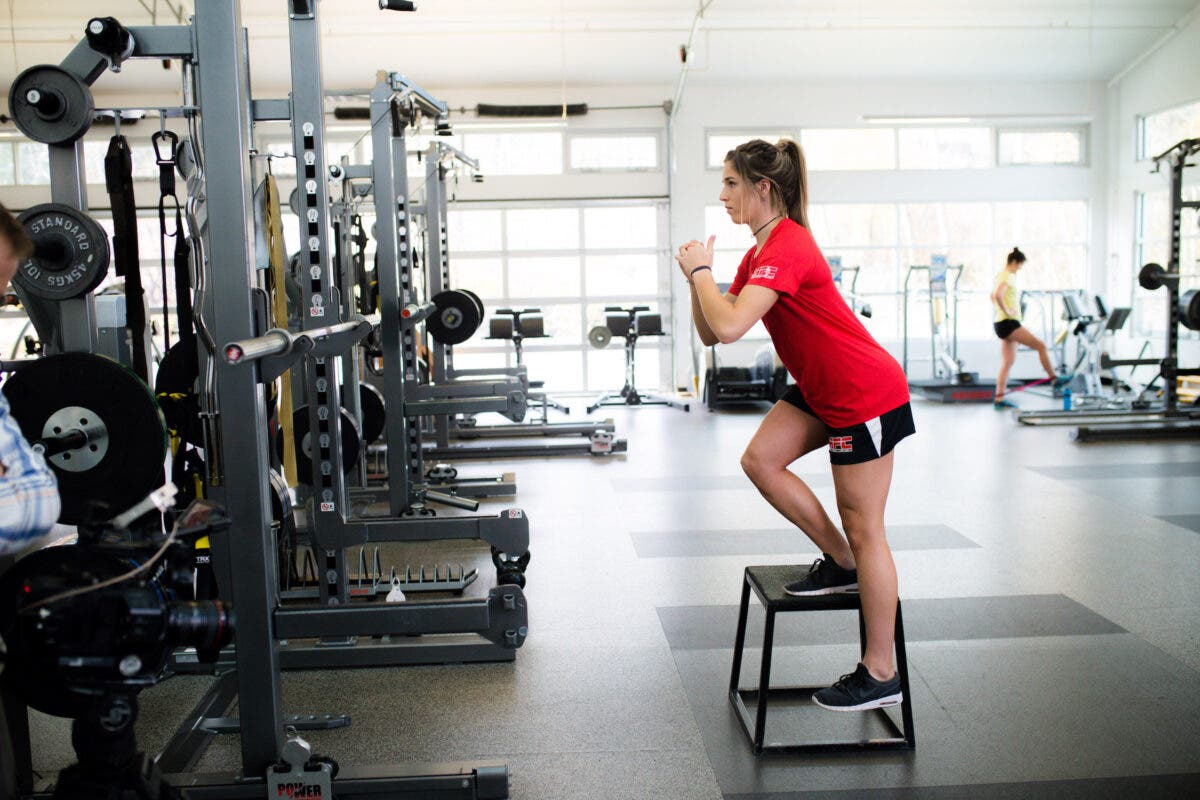
1. Eccentric Loading for Shock Absorption
Eccentric movements occur during the lowering phase of an exercise. In a standard squat, the descent represents the eccentric phase. For a skier, this mimics the action of absorbing a bump or maintaining control through a high-pressure turn. By focusing on the "tempo" of the lift—specifically a slow, controlled descent of three to five seconds—athletes train their muscle fibers to withstand high loads over extended periods. This specific type of conditioning has been shown to increase the structural integrity of the patellar tendon, reducing the risk of tendonitis and acute ruptures.
2. Isometric Strengthening and Endurance
Unlike many sports that rely on constant movement, skiing requires long periods of static-active hold. Holding a carved turn or maintaining an athletic stance in a tuck involves isometric contractions, where the muscle fires without changing the joint angle. The "quad burn" familiar to most skiers is the result of metabolic waste buildup during these sustained holds. Exercises such as weighted wall sits and single-leg glute bridges are critical. These movements build the metabolic threshold required to ski long, sustained pitches without the muscle failure that leads to a loss of edge control.
3. Unilateral Training and Frontal Plane Stability
Skiing is fundamentally a single-leg sport. Weight is constantly shifted from the inside edge of one ski to the outside edge of the other. Consequently, bilateral exercises (using both legs simultaneously) are insufficient. Single-leg lunges in multiple planes—forward, lateral, and reverse—are essential for developing the stabilizers of the hip, specifically the gluteus medius. Strengthening these stabilizers prevents the "valgus collapse" (the knee caving inward), which is a leading cause of non-contact ACL injuries.

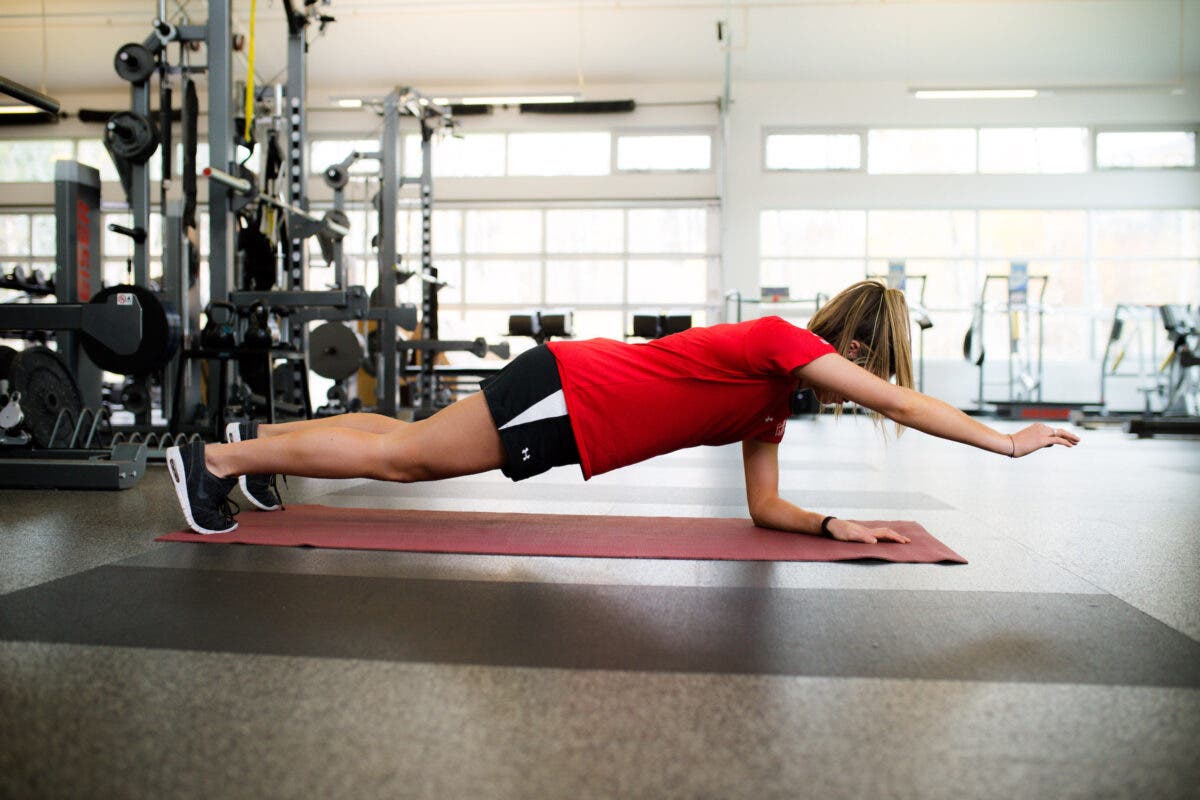
4. Core Integration and Trunk Stability
A stable "chassis" is required to manage the forces generated by the lower body. The core acts as the bridge between the upper body’s orientation and the lower body’s action. Dr. Hastings recommends variations beyond the standard forearm plank. Incorporating side planks and "Copenhagen" planks—which target the adductors—ensures that the trunk can resist rotational forces. A strong core allows the skier to maintain a "quiet" upper body, which is vital for maintaining a consistent line through technical terrain.
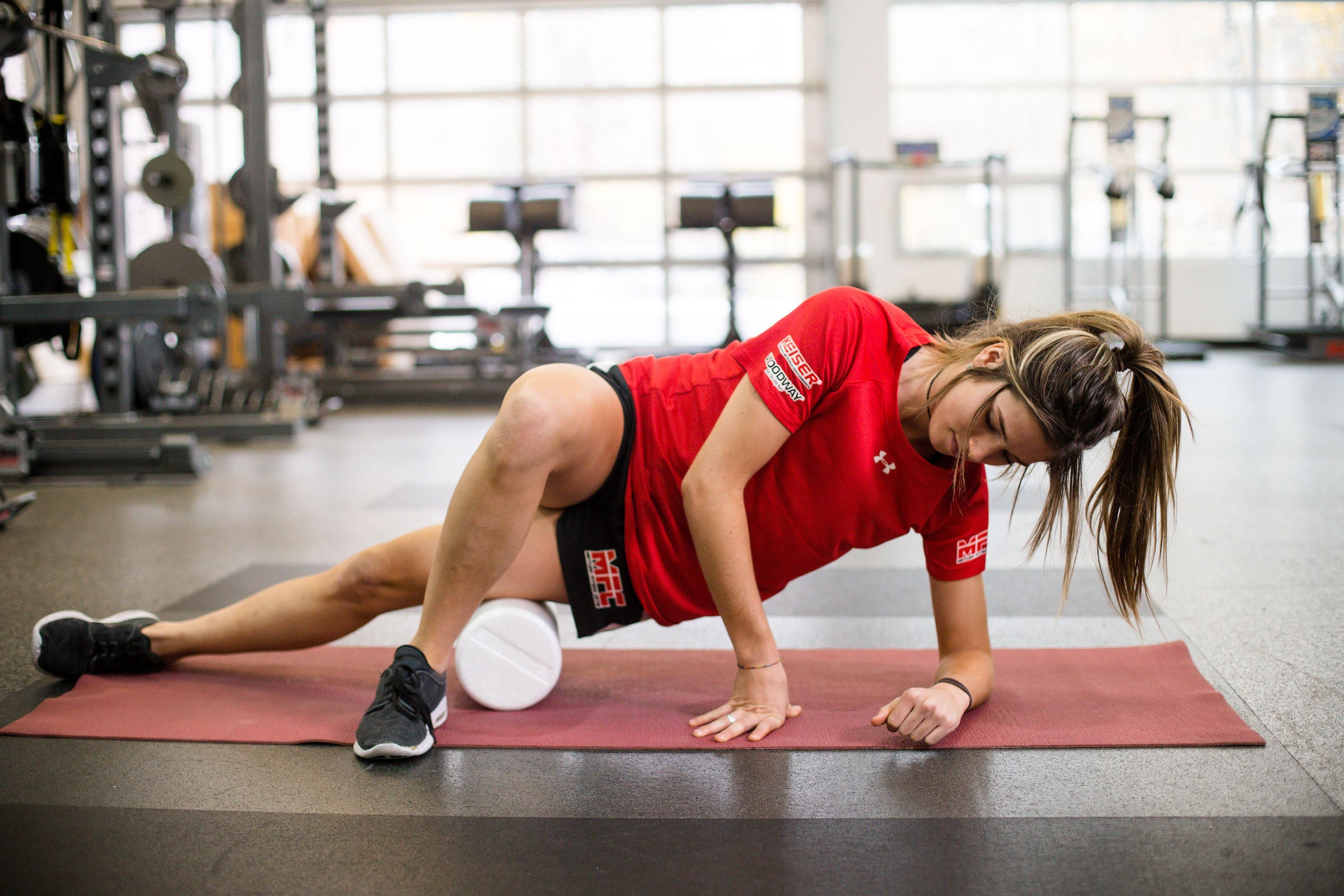
5. Mobility and Proactive Recovery
The final pillar is the maintenance of joint health. Ski boots, by design, severely limit ankle mobility, which places increased stress on the knees and hips. A dedicated mobility routine using foam rollers, massage guns, and dynamic stretching helps maintain the range of motion necessary to navigate varied terrain. Pre-ski mobility "primes" the nervous system, while post-ski recovery aids in the flushing of lactic acid and the repair of micro-trauma in the muscle tissue.
The Brain-Body Connection: Neuromuscular Implications
Recent advancements in sports science have highlighted the "brain-body connection" as a critical factor in slope safety. Skiing is as much a cognitive task as a physical one. The brain must process visual inputs (terrain changes, other skiers) and proprioceptive inputs (the feel of the snow through the boots) at high speeds. When a skier is physically fit, the "neuromuscular lag"—the time it takes for the brain to signal the muscles to react—is significantly reduced. Physical fatigue increases this lag, leading to the delayed reactions that cause collisions or falls. Dr. Hastings notes that training under fatigue in a controlled environment can help the brain maintain its "proprioceptive acuity" even when the body is tired.

Supporting Data and Economic Impact
The implications of ski-related injuries extend beyond individual health, impacting the broader mountain resort economy. According to data from the National Ski Areas Association (NSAA), the average cost of a medically evacuated injury can exceed several thousand dollars, excluding long-term rehabilitation costs. Furthermore, the "injury dropout rate" suggests that a significant percentage of recreational skiers who suffer a major orthopedic injury do not return to the sport the following season. This represents a substantial loss in lift ticket revenue and equipment sales. Conversely, resorts that have promoted "Ski Fitness" initiatives have seen a marginal decrease in morning-session accidents, suggesting that informed participants are safer participants.
Expert Analysis and Broader Implications
The shift toward proactive conditioning reflects a broader trend in the outdoor industry: the "professionalization" of the amateur athlete. As equipment technology allows skiers to reach higher speeds and navigate steeper terrain with less effort, the margin for error narrows. The "modern" ski, with its shorter radius and rocker technology, allows for more aggressive carving, which in turn places higher torque on the knee joints than the straight skis of the 20th century.
Professional physical therapists argue that the industry must continue to pivot toward education. "The goal is longevity," says Dr. Hastings. By incorporating eccentric, isometric, and unilateral training, skiers are not just preparing for a single season; they are protecting their joints for decades of future activity. The consensus among medical professionals is clear: the physical demands of the mountain must be met with a commensurate level of physical preparation.
As the 2025-2026 season approaches, the integration of these five pillars of fitness offers a data-backed pathway to both enhanced performance and reduced risk. For the dedicated alpine athlete, the work performed in the gym during the off-season is the most effective insurance policy against the inherent risks of the high-altitude environment. Through disciplined preparation, skiers can ensure that their time on the slopes is defined by the quality of their turns rather than the duration of their recovery.

