
As the winter season approaches, the focus for outdoor enthusiasts shifts from summer trails to the technical demands of alpine slopes. While the allure of fresh powder and high-speed descents draws millions to mountain resorts annually, the physical toll of skiing remains a significant concern for medical professionals and athletes alike. Physical therapists and sports medicine experts are increasingly emphasizing the necessity of a well-established ski fitness routine long before the first chairlift begins to move. The inherent risks of the sport—ranging from hidden sub-surface obstacles to high-velocity collisions—necessitate a proactive approach to conditioning that goes beyond general cardiovascular health.
According to Dr. Matt Hastings, a Doctor of Physical Therapy at The Alpine Athlete in Denver, Colorado, the unpredictability of the mountain environment means that injury prevention must be built into the body’s foundational movement patterns. Through a combination of eccentric loading, isometric stability, single-leg strength, core integration, and mobility work, skiers can significantly mitigate the risk of common injuries such as Anterior Cruciate Ligament (ACL) tears, meniscus damage, and lower back strain.
The Landscape of Alpine Injuries: Statistical Context and Risk Factors
To understand the importance of targeted exercise, one must first examine the data surrounding ski-related trauma. Research indicates that knee injuries account for approximately 30% to 40% of all alpine skiing injuries. The "phantom foot" phenomenon—a common mechanism for ACL tears—occurs when the tail of the ski, combined with the stiff lever of the ski boot, applies a twisting force to the knee during a fall.
Furthermore, data from the National Ski Areas Association (NSAA) suggests that while helmet usage has reached record highs, reducing the severity of head injuries, the rate of musculoskeletal injuries remains tied to physical fatigue and conditioning levels. Most injuries occur during the "early season" when skiers have not yet regained their "ski legs," or late in the afternoon when muscle glycogen is depleted and neuromuscular control diminishes. By implementing a specific strength and conditioning protocol, skiers can extend their endurance and maintain the structural integrity of their joints under duress.
A Chronological Approach to Pre-Season Conditioning
The transition from sedentary or summer-specific activities to the rigors of skiing should follow a logical progression. Sports scientists typically recommend an eight-to-twelve-week "pre-hab" window.
- Phase One (12–8 weeks out): Focus on foundational mobility and aerobic capacity. This period addresses "stiff" joints—particularly the ankles and hips—that may have become restricted during the summer months.
- Phase Two (8–4 weeks out): Introduction of eccentric and isometric strength. This is where the body begins to adapt to the specific "braking" forces required for downhill movement.
- Phase Three (4 weeks out to Opening Day): Integration of high-intensity interval training (HIIT) and sport-specific plyometrics to mimic the burst-nature of a ski run.
- In-Season Maintenance: Shifting focus to recovery and "greasing the groove" of movement patterns to prevent overuse injuries.
Pillar I: Eccentric Strengthening and Shock Absorption
One of the most critical, yet often overlooked, components of ski fitness is eccentric muscle contraction. An eccentric contraction occurs when a muscle lengthens under tension—the "lowering phase" of a movement. When a skier navigates moguls or absorbs a sudden change in terrain, their muscles act as shock absorbers.
"Our legs and body are working as shock absorbers to the input provided by the ski hill," notes Dr. Hastings. Without sufficient eccentric strength, the force of the downhill descent is transferred directly to the ligaments and joint capsules, increasing the likelihood of catastrophic failure.
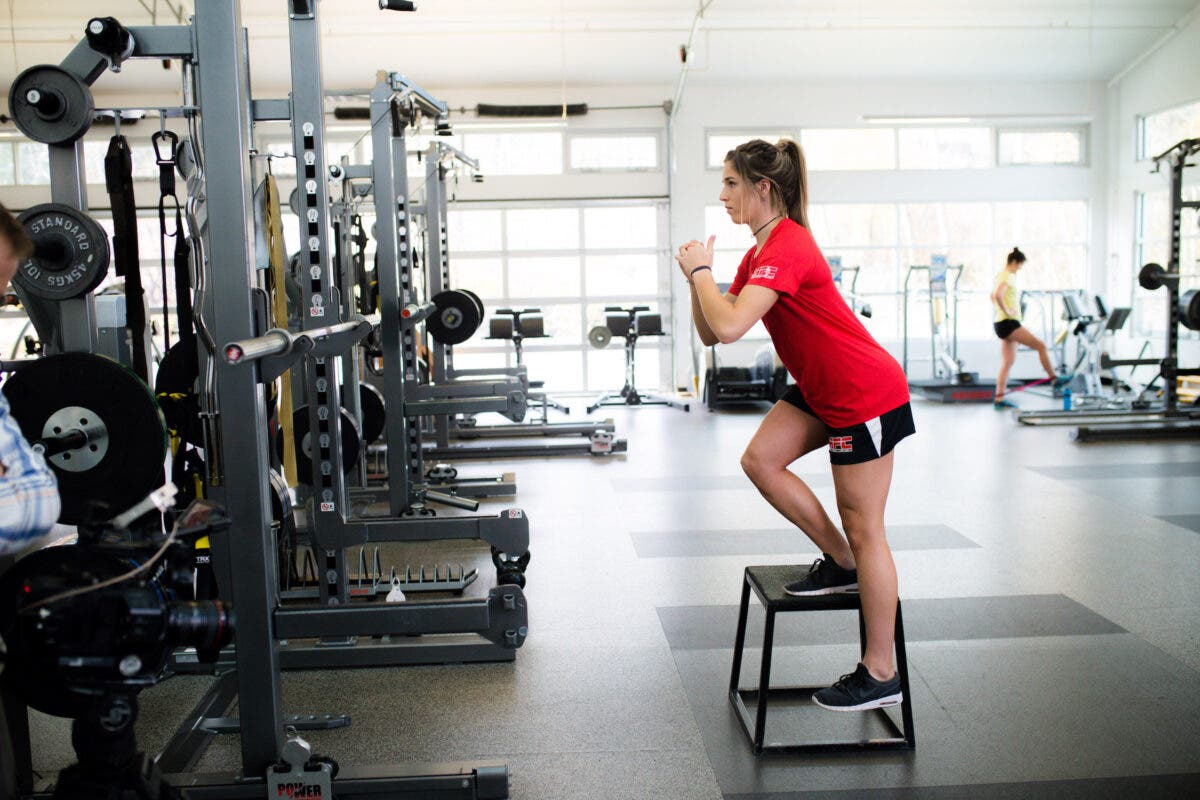
To build this capacity, athletes are encouraged to focus on the tempo of their lifts. For example, during a standard squat, a skier might take four seconds to lower themselves to the bottom of the movement, followed by a controlled return to the start. This "slow-motion" training increases the muscle’s tolerance to long, sustained loads, such as those found on a three-mile groomed run or a technical glade session.
Pillar II: Isometric Stability and the "Quad Burn"
Skiing is unique in that it requires long periods of "holding" a position. Whether carving a wide-arc turn or maintaining a tuck on a cat track, the muscles are often firing at a stable or unchanged joint angle. This is known as isometric contraction.
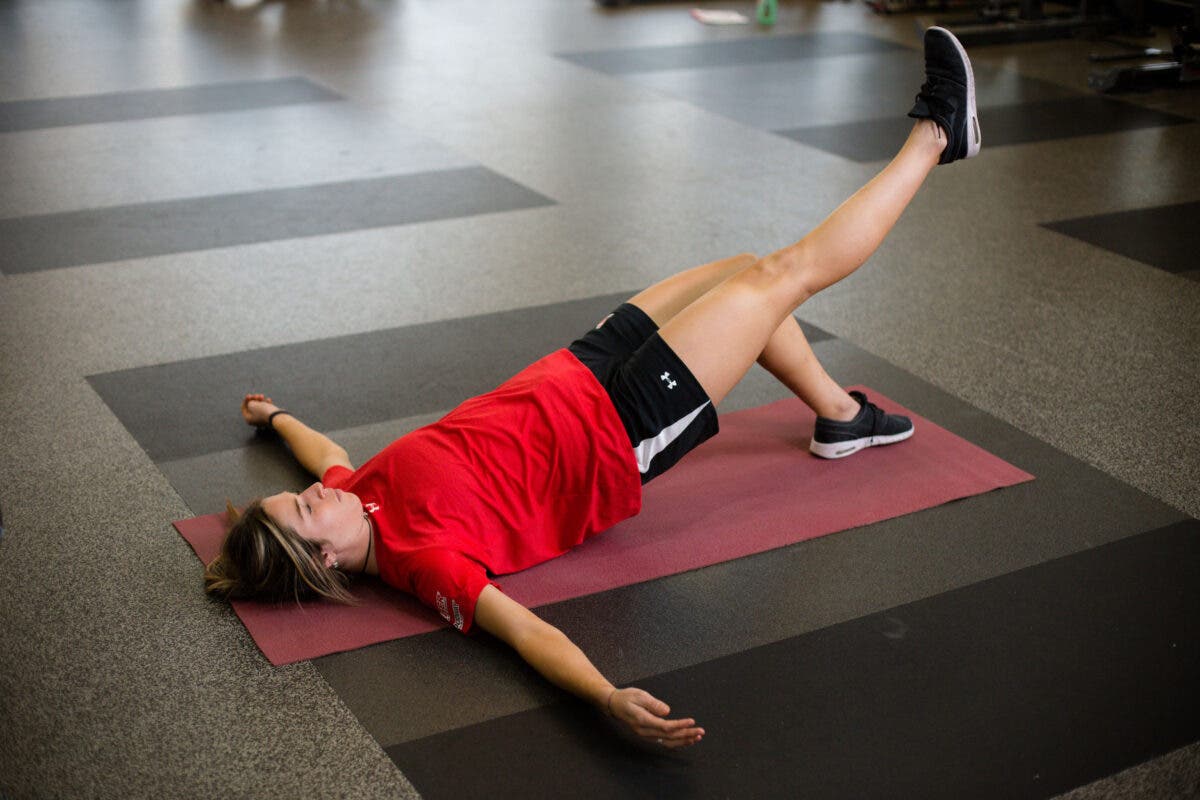
The infamous "quad burn" felt halfway down a mountain is the result of metabolic waste buildup during these sustained contractions. Isometric training, such as the classic wall sit, prepares the neuromuscular system to fire efficiently even as fatigue sets in. Advanced progressions involve adding weighted resistance or performing single-leg isometric holds to simulate the uneven weight distribution inherent in high-performance skiing.
Pillar III: Single-Leg Dynamics and Bilateral Balance
While skiing involves two skis, it is functionally a single-leg sport. As a skier moves from edge to edge, weight shifts dynamically from one leg to the other. If an athlete has a significant strength imbalance between their left and right sides, the weaker limb becomes a liability.
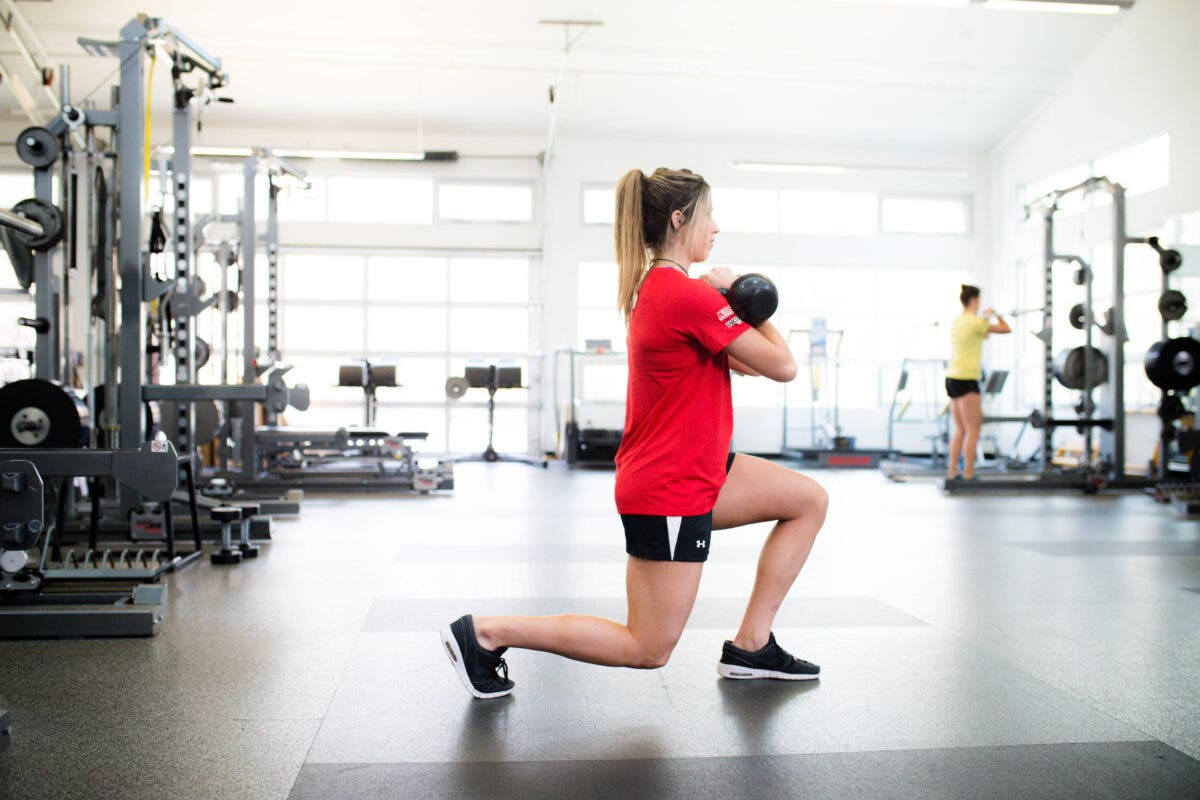
Single-leg exercises, such as lunges in multiple planes (lateral, forward, and reverse), are essential for developing the stabilizers of the quads, glutes, and hamstrings. Lateral lunges, in particular, mimic the side-to-side weight transfer of carving. Improving single-leg stability ensures that if one ski catches an edge or hits a patch of ice, the body has the unilateral strength to recover without collapsing.
Pillar IV: Core Integration and Trunk Stability
A common mistake among recreational skiers is over-relying on leg strength while neglecting the "chassis" of the body: the core. The ability to control the upper body while the lower extremities move independently is what separates elite skiers from novices.
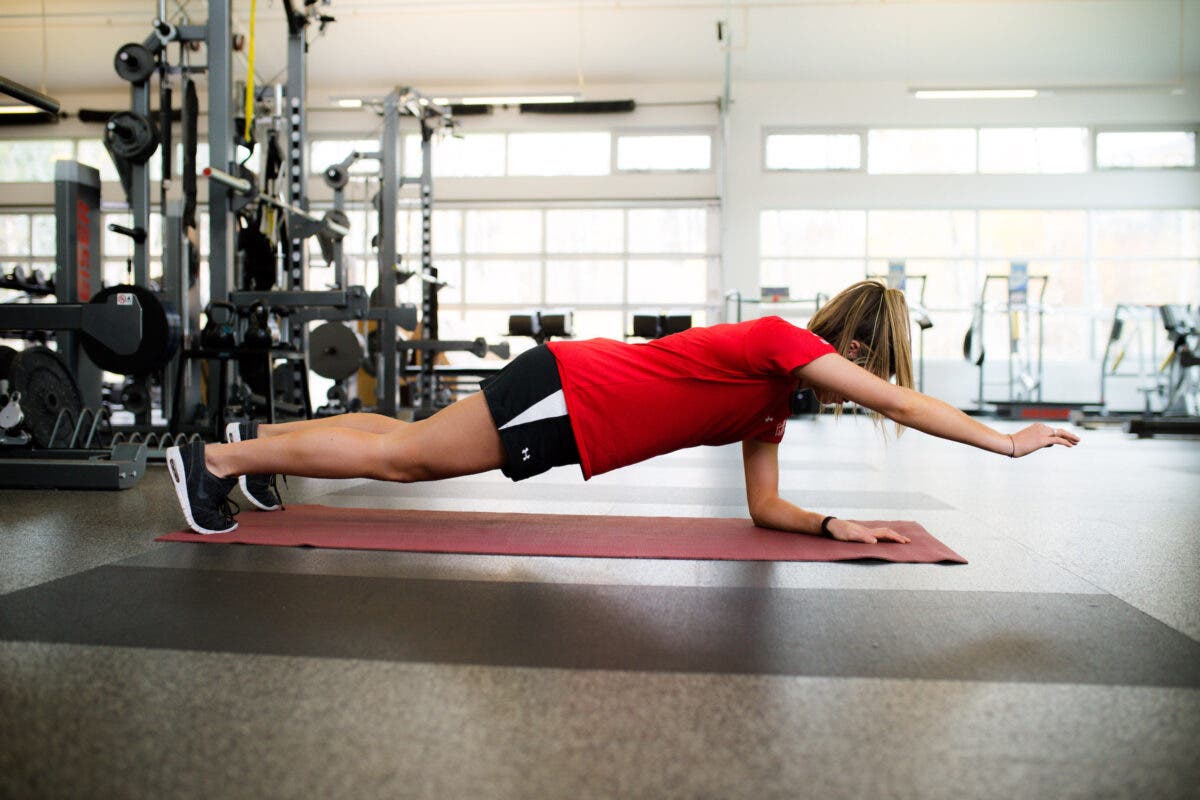
Plank variations are the gold standard for this type of stability. Beyond the standard forearm plank, Dr. Hastings recommends side-planks and "Copenhagen planks"—which target the adductors—to build a comprehensive "cylinder" of strength around the spine. A stable trunk prevents the "backseat" skiing posture, a primary cause of lower back pain and a major contributor to knee ligament strain. When the core is engaged, the power generated by the legs is more effectively transferred to the skis.
Pillar V: Mobility and the Role of Recovery
Strength without mobility is a recipe for injury. In a high-impact environment like skiing, the joints must be able to move through their full range of motion. Dr. Hastings emphasizes that there is no "one-size-fits-all" routine, but focusing on the spine, hips, knees, and ankles is a universal starting point.
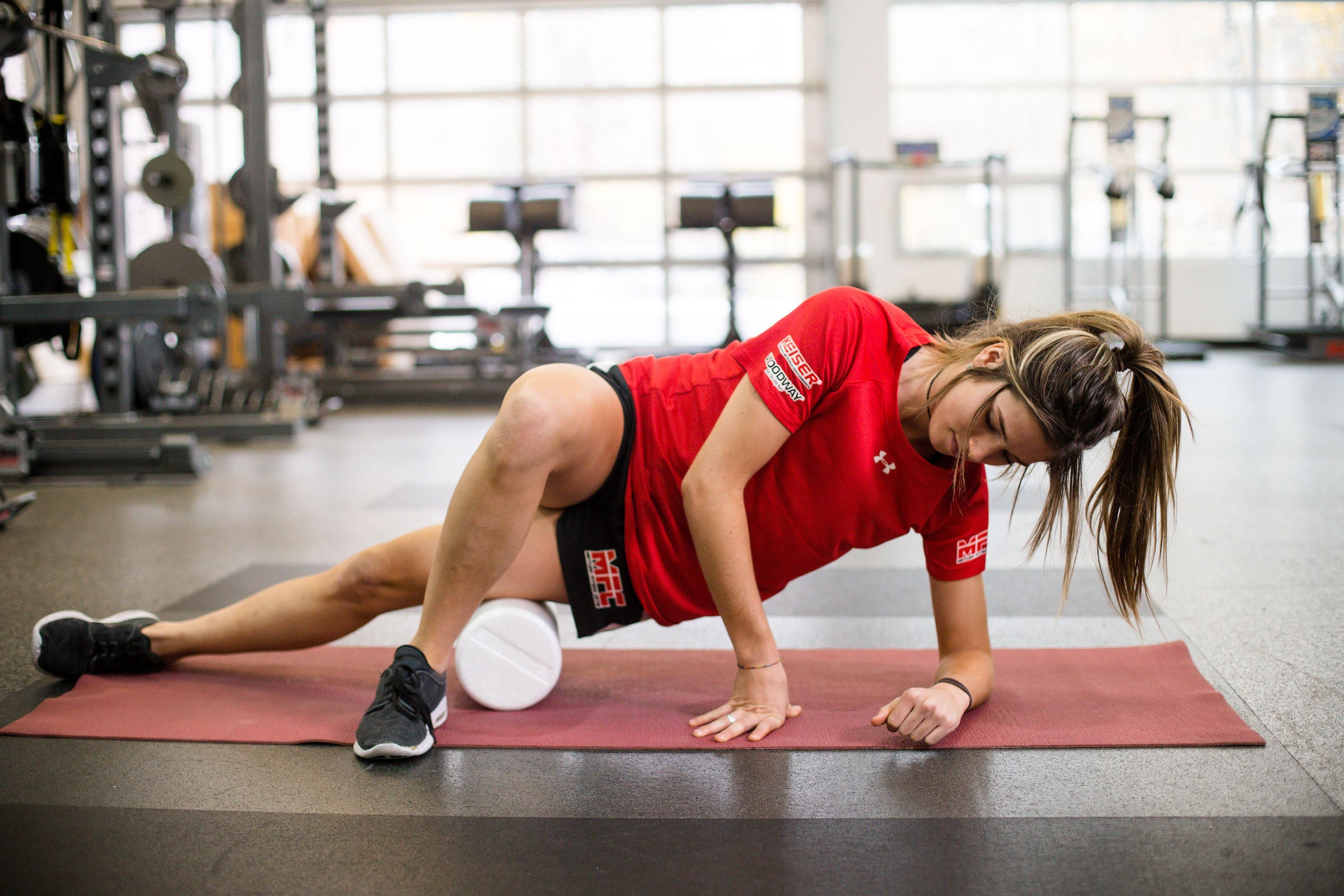
Ankle dorsiflexion—the ability to pull the toes toward the shin—is particularly vital for skiers. Modern ski boots are designed with a forward lean; if a skier lacks the ankle mobility to meet that lean, their body will compensate by rounding the lower back or straining the knees. Utilizing tools such as foam rollers, massage guns, and resistance bands can help maintain tissue elasticity and accelerate recovery between ski days.
Expert Analysis and Broader Implications
The shift toward "pre-habilitation" reflects a broader trend in the sports medicine industry. Historically, athletes sought help after an injury occurred. Today, the economic and physical costs of surgery—often exceeding $20,000 for an ACL reconstruction when factoring in rehabilitation—have made prevention a primary focus.
Industry experts observe that the rise of "smart" ski technology, such as wearable sensors that track G-forces and turn symmetry, has also highlighted the need for better conditioning. Data from these devices often shows that a skier’s form degrades significantly after the first two hours of the day, directly correlating with an increase in "near-miss" incidents.
From a resort management perspective, fitter skiers result in fewer "toboggan rides" provided by Ski Patrol, which in turn reduces the strain on local mountain clinics and emergency services. The proactive adoption of these five exercise pillars—eccentric, isometric, single-leg, core, and mobility—does more than just prevent injury; it enhances the overall quality of the skiing experience, allowing participants to enjoy the mountain with greater confidence and less fatigue.
Conclusion: The Path Forward
As Dr. Matt Hastings and the team at The Alpine Athlete suggest, the goal of a ski fitness routine is to build a body that is as resilient as the equipment it uses. By understanding the biomechanics of the sport and addressing the specific demands placed on the human frame, skiers can ensure that their season is defined by peak performance rather than physical setbacks. As the first snow begins to fall on the peaks, the work done in the gym serves as the ultimate insurance policy for a successful winter on the slopes.

