
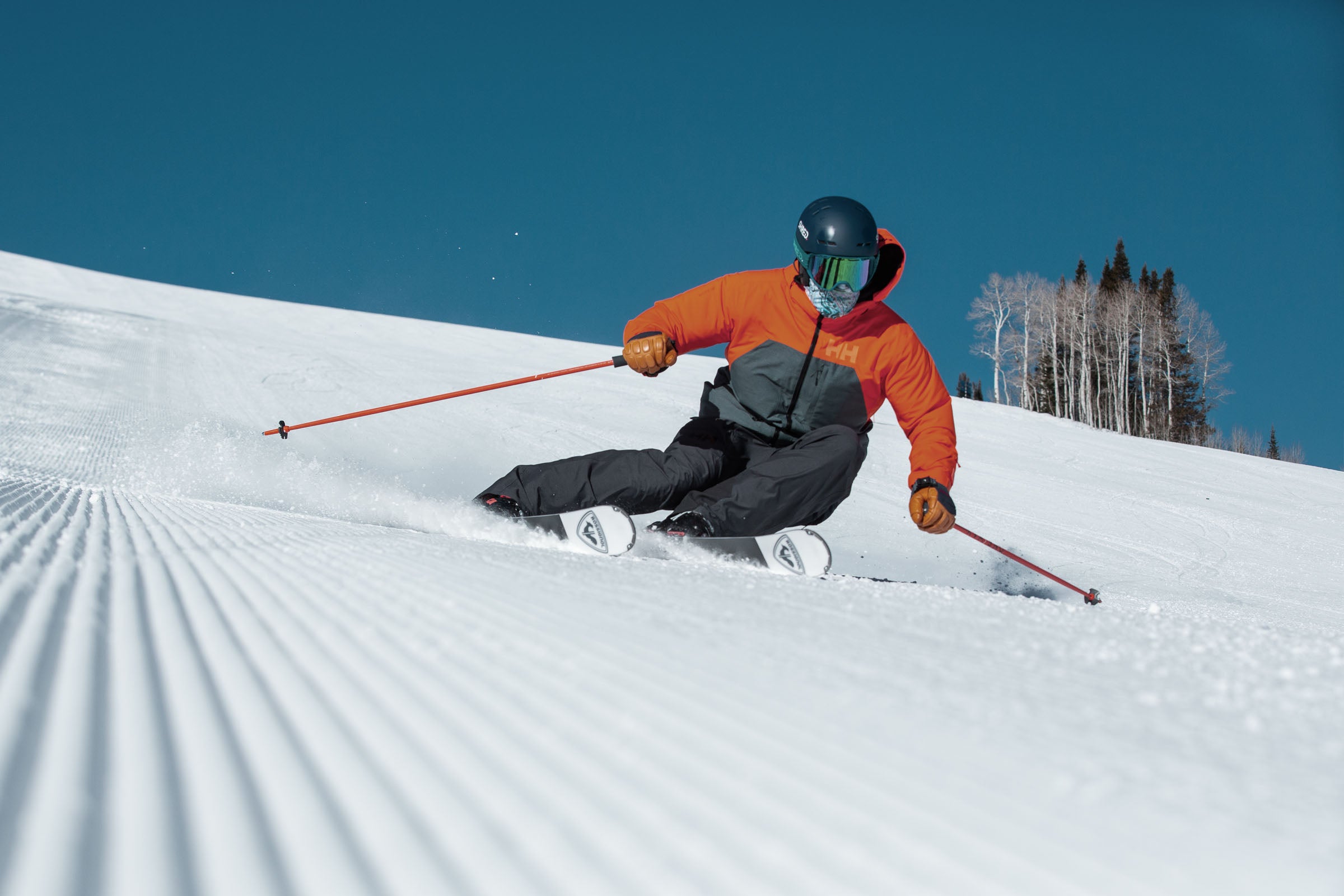
As the winter season approaches, the alpine sports community is shifting its focus from equipment upgrades to physiological readiness, emphasizing a specialized form of fitness known as power endurance. While the aesthetic of the "strong skier" often focuses on muscular hypertrophy, elite coaching circles and sports scientists now argue that the ability to sustain high-intensity output over prolonged periods is the true differentiator between recreational performance and professional-grade mastery. For the modern skier, whether navigating the groomed corduroy of a resort or the unpredictable terrain of the backcountry, the transition from raw strength to functional power endurance represents a critical evolution in pre-season preparation.
The demands of alpine skiing are unique in the realm of athletics. Unlike steady-state endurance sports like marathon running or pure explosive sports like sprinting, skiing requires a hybrid of eccentric strength, anaerobic capacity, and postural stability. According to data from sports medicine clinics specializing in winter sports, a significant percentage of non-contact knee injuries, particularly involving the Anterior Cruciate Ligament (ACL), occur during the final hour of the ski day. This phenomenon is largely attributed to muscular fatigue, which compromises the body’s ability to absorb shock and maintain proper biomechanical alignment. Consequently, the implementation of power endurance protocols is no longer viewed as optional for high-level enthusiasts; it is a fundamental requirement for safety and longevity on the mountain.
The Evolution of Ski Conditioning: From Strength to Power Endurance
Historically, ski conditioning was often synonymous with "leg day" in the gym, focusing heavily on heavy squats and leg presses. However, the contemporary approach, championed by veteran coaches like Chris Miller—who has spent years training world-class ski racers—emphasizes the integration of the kinetic chain. Miller’s philosophy centers on the reality that skiing is a dynamic, multi-planar activity. Raw strength provides the foundation, but power endurance provides the "staying power."
Power endurance is defined as the ability to repeat explosive movements with minimal recovery. In a skiing context, this translates to the ability to execute fifty high-force carving turns on a steep pitch without the quadriceps reaching a state of failure. Physiologically, this requires the body to efficiently clear metabolic byproducts like lactic acid while maintaining the neuromuscular firing rates necessary for balance and coordination. By focusing on power endurance, skiers can bridge the gap between being "gym strong" and "mountain fit."
The Pre-Season Timeline: A Chronological Approach to Readiness
To achieve peak performance by the time resorts open in late November or early December, experts recommend a structured 12-week conditioning cycle. This timeline is typically divided into three distinct phases:
- Phase I: Hypertrophy and Structural Integrity (Weeks 1-4): This initial stage focuses on building a baseline of muscle mass and strengthening connective tissues. Exercises involve traditional resistance training with moderate weights and higher repetitions to prepare the joints for the high-impact forces of skiing.
- Phase II: Maximum Strength and Stability (Weeks 5-8): During this period, the focus shifts to increasing the maximum force the muscles can generate. This involves heavier loads and a greater emphasis on core "anti-movement" stability to ensure the trunk can support the legs during high-speed maneuvers.
- Phase III: Power Endurance and Plyometrics (Weeks 9-12): This final phase is the most specific to skiing. It introduces explosive movements, such as jump squats and skater hops, performed in circuits to simulate the duration of a long downhill run. This is the stage where the power endurance workout protocols are most vital.
Technical Breakdown of the Power Endurance Protocol
The specific workout designed by Chris Miller and featured in recent performance clinics focuses on three primary pillars: neuromuscular activation, lower-body power, and trunk stability. Each component is designed to address a specific challenge encountered on the slopes.
The Quadruped Series: Neuromuscular Activation
Before engaging in high-impact movements, the protocol begins with a quadruped series. This is not merely a warm-up but a method of "turning on" the stabilizers of the hips and shoulders. By performing bird-dogs and controlled limb lifts from an all-fours position, the skier establishes a connection between the upper and lower extremities. This cross-lateral stabilization is essential for maintaining a quiet upper body while the legs are working independently beneath the torso—a hallmark of efficient skiing technique.
Lower-Body Power: The Sandbag and Plyometric Series
The core of the power endurance circuit involves high-intensity leg work. The use of sandbags is particularly effective because the shifting weight mimics the unpredictable nature of snow conditions.
- Sandbag Cleans and Squats: These movements build the explosive upward force needed to exit a turn and the eccentric strength required to "catch" the body’s weight during a compression.
- Skater Hops: Perhaps the most ski-specific movement in the arsenal, skater hops train lateral power and single-leg stability. They replicate the side-to-side weight transfer of carving and help the athlete develop the "edge-to-edge" quickness necessary for navigating moguls or tight trees.
Trunk Stability: Anti-Movement and the Dead Bug
In skiing, the "core" is often misunderstood as the ability to crunch or twist. In reality, the core’s primary job for a skier is to resist unwanted movement. When a skier hits a bump at high speed, the force tries to collapse the torso or rotate the spine. The power endurance protocol utilizes "anti-movement" exercises, such as the Dead Bug, to train the deep abdominal muscles to maintain a rigid, protected spine under duress.

Supporting Data: The Impact of Fatigue on Performance
Statistical analysis of skier performance reveals a sharp decline in technical execution as heart rates remain elevated above 80% of their maximum for extended periods. In a study of amateur skiers, it was found that "edge angle consistency"—a key metric of carving efficiency—dropped by nearly 40% after three minutes of continuous skiing.
Furthermore, data from the National Ski Areas Association (NSAA) suggests that while overall injury rates have declined due to better equipment, the proportion of injuries occurring due to "loss of control" remains high. Power endurance training directly addresses this by extending the window of time an athlete can maintain "active" skiing—where the muscles are actively managing forces—rather than "passive" skiing, where the skeleton and ligaments take the brunt of the impact.
Expert Perspectives and Industry Response
The shift toward these training modalities has been welcomed by the professional skiing community. "We see a lot of athletes who can squat 400 pounds but gass out after 30 seconds of high-intensity carving," says a lead physiotherapist for the U.S. Ski Team. "The focus on power endurance is about making that strength usable. It’s about the quality of the last turn of the day being equal to the first."
Equipment manufacturers are also taking note. Companies like Rossignol and Salomon, who produce high-performance carving skis, have noted that their products require a certain level of physical input to function as designed. A skier who lacks the power endurance to stay over their skis will find that modern, stiff equipment becomes difficult to manage, potentially leading to "back-seat" skiing, which is a primary cause of lower-leg injuries.
Broader Implications: Safety, Economy, and the "Bell-to-Bell" Experience
The implications of widespread power endurance training extend beyond individual performance. From an economic perspective, skiers who are physically prepared are more likely to utilize their lift tickets for the full duration of the day, increasing the "value per visit" and supporting resort economies through food, beverage, and lodging.

More importantly, a fitter skiing population contributes to overall mountain safety. Fatigue-related accidents often involve multiple parties; a tired skier who loses control poses a risk not only to themselves but to everyone else on the run. By promoting "bell-to-bell" fitness, the industry is essentially promoting a safer environment for all participants.
As the 2025-2026 season approaches, the message from coaches and sports scientists is clear: the work done in the gym during the autumn months dictates the quality of the winter experience. By adopting a power endurance mindset—utilizing equipment like sandbags and focusing on plyometric circuits—skiers can ensure that they are not just surviving the mountain, but truly shredding it. The goal is a season defined by progression and enjoyment, free from the setbacks of preventable injury and the limitations of early-afternoon exhaustion.

