
The closing days of the spring ski season in Jackson Hole, Wyoming, have once again been marked by a display of audacious athleticism and pure, unadulterated fun, culminating in a now-viral pond skim event captured in the backcountry. Big mountain skier and mountaineer Owen Leeper has become the focal point of this widespread attention, not only for his successful and exhilarating water crossing but for his commitment to the experience, opting to repeat the feat after an initial successful attempt. The images and videos circulating online showcase a skier, bathed in the bright spring sunshine, launching off a natural ramp and successfully navigating a crystal-clear aquamarine water hazard, a testament to the enduring appeal of traditional spring ski celebrations in a challenging alpine environment.
The Genesis of a Viral Moment
The event, which appears to have taken place on April 27, 2025, according to metadata associated with the primary image, highlights a popular end-of-season tradition that has transcended resort boundaries and found a home in the rugged Jackson Hole backcountry. While organized pond skims are a staple at ski resorts worldwide, Leeper’s exploit takes this concept into a more elemental and potentially hazardous setting. The natural formation of the pond, its striking color, and the dramatic mountainous backdrop combine to create a visually arresting scene that has resonated with skiing enthusiasts globally.
Leeper, known for his expeditions in challenging terrain, shared his enthusiasm for the experience, famously stating, "So fun I hit it twice." This simple yet powerful quote encapsulates the joy and satisfaction derived from successfully executing such a daring maneuver. The implication is that the first attempt was not only successful but also provided enough positive reinforcement to warrant a repeat performance, underscoring the skill and confidence involved.
Chronology of the Spring Skiing Celebration
While a precise timeline of Leeper’s actions is not fully detailed, the narrative suggests a sequence of events:
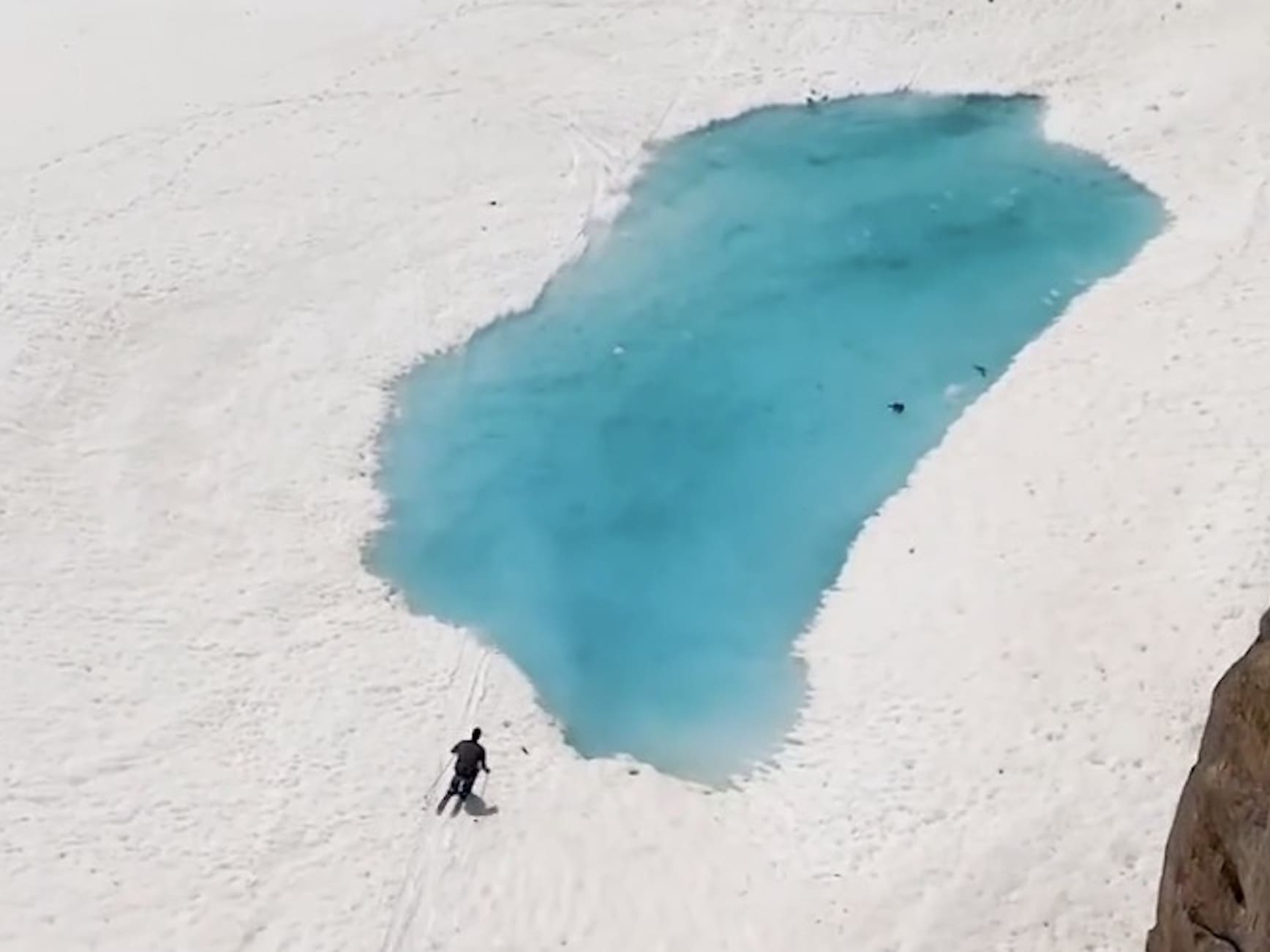
- Discovery and Preparation: Leeper, likely during a backcountry ski tour in the Jackson Hole area, encountered the natural water feature. Given the nature of backcountry skiing, this discovery would have been part of a larger expedition, possibly a descent or traverse. The decision to attempt a pond skim would have involved an assessment of the terrain, the snow conditions leading up to the pond, and the characteristics of the water body itself.
- Initial Successful Attempt: Leeper executed his first pond skim. The success of this attempt is crucial, as it validated the feasibility of the crossing and likely fueled his desire to repeat it. The visual evidence of this successful skim, captured in high-quality imagery, is what initially garnered attention.
- Second Attempt: Buoyed by the success of the first run, Leeper ascended the slope again to re-attempt the pond skim. The fact that he undertook this second run suggests a high level of confidence and a desire to fully savor the unique experience. This repeat performance further amplified the event’s appeal and the skier’s prowess.
- Dissemination of Content: Following the event, Leeper, or individuals accompanying him, shared video footage and photographs of the pond skim across social media platforms, most notably Instagram. This content quickly gained traction, spreading to skiing news outlets and enthusiast websites, leading to its viral status.
The Appeal of Backcountry Pond Skimming
Pond skimming, at its core, is a celebratory ritual marking the end of winter and the transition into spring. It requires a combination of speed, balance, and nerve. Skiers or snowboarders launch themselves from a snow ramp, aiming to skim across a body of water without sinking. Success is often measured by the distance covered and the style with which the crossing is made.
The backcountry element adds a significant layer of complexity and inherent risk. Unlike resort-organized events with controlled environments, safety personnel, and designated ramps, backcountry pond skims rely entirely on natural features and the individual skier’s judgment and preparedness. The aquamarine color of the pond in the Jackson Hole footage suggests it may be a glacial meltwater feature or a high-altitude lake, adding to its exotic appeal. The dramatic mountain scenery provides an awe-inspiring backdrop, elevating the experience from a mere stunt to an artful interaction with nature.
Data and Context
Jackson Hole, renowned for its challenging terrain and abundant snowfall, attracts a dedicated community of skiers and snowboarders. The backcountry surrounding the resort offers vast opportunities for exploration, but it also demands a high degree of skill, avalanche awareness, and self-sufficiency. Spring conditions in the backcountry can be particularly dynamic, with rapid temperature fluctuations leading to freeze-thaw cycles, variable snowpack stability, and the potential for melting snow to form water features like the one Leeper encountered.
The popularity of pond skimming can be traced back to its early days in ski culture, often associated with end-of-season parties and informal gatherings. Over time, it has evolved into a more formalized event at many resorts. However, the spirit of improvisation and the embrace of natural challenges remain central to the allure of backcountry iterations. Leeper’s actions tap into this primal desire for adventure and the celebration of mastering the elements.
Analysis of Implications and Safety Considerations
While Leeper’s successful pond skims are impressive feats, the inclusion of footage showing a failed attempt serves as a crucial reminder of the inherent dangers. The article implicitly highlights this by stating, "Remember folks, no matter how talented you are, not all pond crossings are guaranteed." This cautionary note is vital for responsible outdoor recreation reporting.
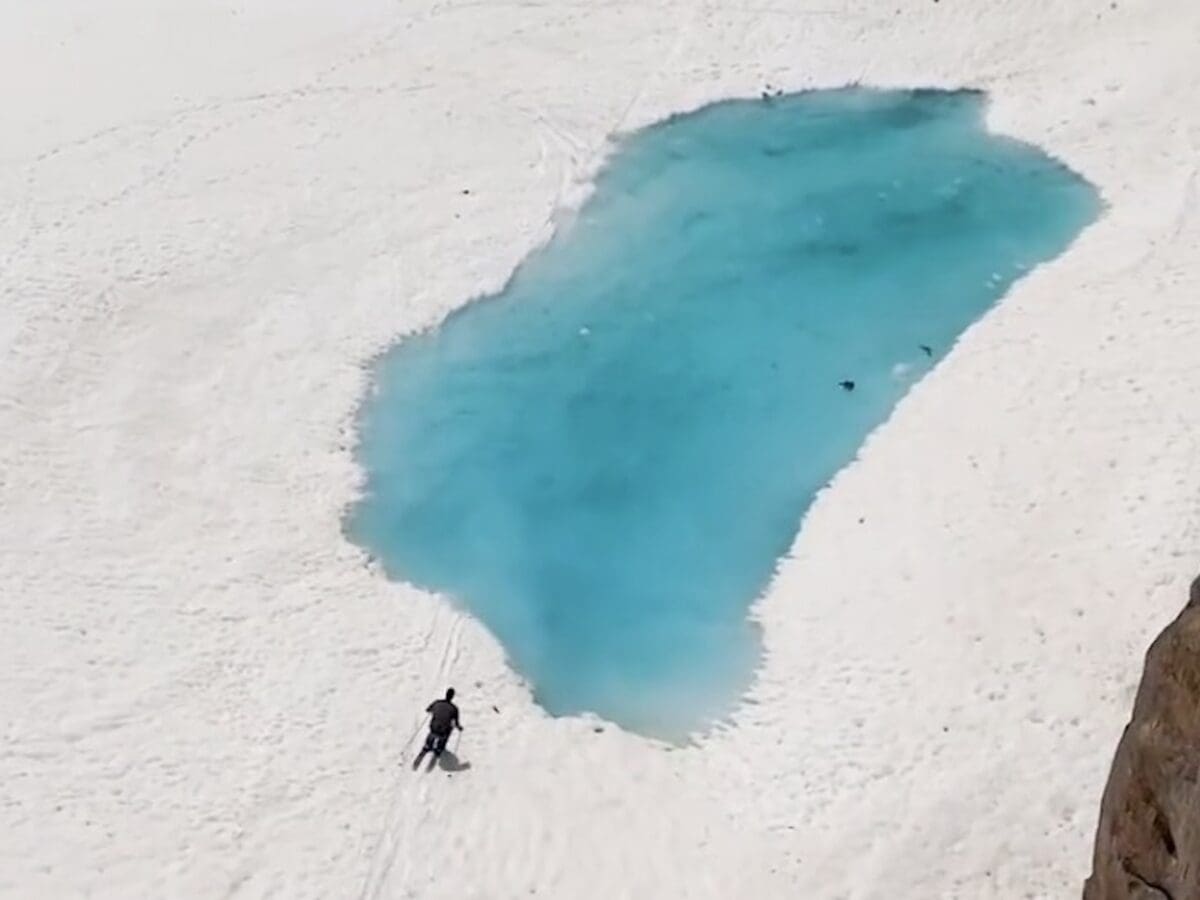
The implication of such a viral event is twofold: it inspires others with its daring spectacle, but it also carries a responsibility to communicate the associated risks. The advice to "Never attempt a pond crossing by yourself and make an exit strategy for instances like this" is paramount. Backcountry adventures require a thorough understanding of risk management, including:
- Avalanche Safety: Backcountry travel in areas like Jackson Hole necessitates constant vigilance regarding avalanche hazards.
- Water Hazards: Melting snow can create hidden water bodies, unexpected drop-offs, and fast-flowing meltwater streams, which can be extremely dangerous.
- Self-Sufficiency: Backcountry skiers must be equipped with navigation tools, communication devices, first-aid supplies, and the knowledge to handle emergencies.
- Buddy System: Skiing with a partner or group is essential for mutual support and in case of injury or accident.
The successful execution of a pond skim requires not only athletic ability but also precise judgment of speed, angle, and the surface tension of the water. A slight miscalculation can lead to an immediate submersion, which, in cold backcountry waters, can quickly lead to hypothermia. The "exit strategy" mentioned refers to having a plan for how to extricate oneself from the water, whether it involves having the right gear, a supportive partner, or a clear understanding of the pond’s edges and accessibility.
Broader Impact and the Spirit of Spring Skiing
Owen Leeper’s pond skim in the Jackson Hole backcountry is more than just a single impressive feat; it is a potent symbol of the unbridled spirit of spring skiing. It embodies the joy of the season, the connection with nature, and the pursuit of exhilarating experiences that define the culture of snow sports. As resorts begin to close their lifts, the backcountry becomes a canvas for skiers and snowboarders to extend their season and test their skills in a more raw and untamed environment.
The viral dissemination of Leeper’s exploits on platforms like Unofficial Networks and Instagram speaks to the power of visual storytelling in the digital age. It allows individuals to share their passion and adventures with a global audience, fostering a sense of community and inspiring others to explore the outdoors. However, this widespread exposure also amplifies the need for responsible messaging, ensuring that the thrill of adventure is always balanced with a profound respect for safety and the natural environment. The Jackson Hole backcountry pond skim, therefore, stands as a vivid illustration of both the exhilarating possibilities and the critical considerations that define modern outdoor adventurism.

