
New York – As the spring thaw accelerates across the Empire State, the 2025-2026 ski season is drawing to a close, with only a select few resorts maintaining operations. A combination of a generally favorable winter with adequate snowfall and cold temperatures, followed by a rapid melt in recent weeks, has dictated the end-of-season push. Four New York ski areas are set to provide the final opportunities for skiers and snowboarders to hit the slopes, with three of these being state-owned facilities that aim to maximize their operational windows, and one privately-owned mountain continuing to offer public access.
The Final Frontier of New York Skiing
The landscape of New York’s ski season is a dynamic one, often dictated by the capricious nature of late winter and early spring weather. This year, the trend points towards a concentrated final weekend for many, with a few resorts extending their runs as far as conditions and operational capacity allow. The state-owned mountains, managed by the Olympic Regional Development Authority (ORDA) and the Department of Environmental Conservation (DEC), often possess the infrastructure and commitment to remain open longer, leveraging their established reputations and dedicated fan bases.
Belleayre Mountain is one such state-owned gem that is poised to offer a final taste of winter. The resort has announced plans to reopen its slopes for a dedicated spring skiing weekend, commencing on Friday and concluding after Sunday’s operations. This strategic reopening is contingent on current snow conditions and grooming capabilities, a common practice for resorts extending their season. While the immediate focus is on this upcoming weekend, Belleayre’s management has indicated a willingness to assess conditions for potential further reopenings in the subsequent weekends, should the snow base and temperatures cooperate. This approach reflects a common strategy to maximize revenue and visitor enjoyment during the shoulder season, while also managing operational costs and risks associated with thinning snowpack.
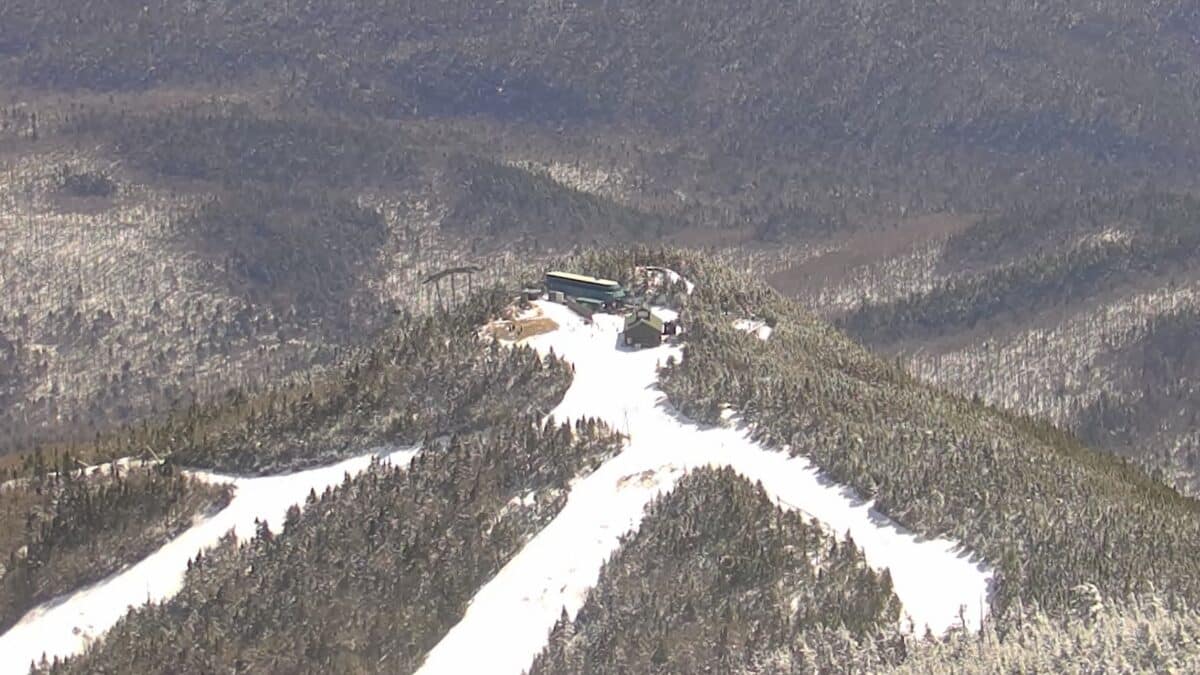
Gore Mountain, another prominent ORDA-managed resort, has recently navigated a brief closure but has since resumed operations. As of the latest reports, Gore Mountain boasts an impressive operational status for this late in the season, with 38 trails and 7 lifts currently open to the public. This level of accessibility signifies a robust snow base and effective grooming efforts, allowing for a significant portion of the mountain to remain enjoyable. Similar to Belleayre, Gore Mountain’s operational future beyond Sunday is subject to ongoing assessment. The resort will be evaluating snow conditions, weather forecasts, and skier demand to determine the feasibility of extending operations for additional weekends. This data-driven approach ensures that decisions are based on practical considerations and the overall viability of continued service.
The sole privately owned ski area among the remaining open resorts is West Mountain. This venue has been particularly resilient, resuming daily operations after a brief, one-day closure. Reports indicate that West Mountain’s snow coverage remains in "pretty, pretty good" condition, a testament to its management and the resort’s specific microclimate or snowmaking capabilities. West Mountain has a projected closing date of April 12th, marking the end of its public ski season. As a privately owned entity, West Mountain’s operational decisions are often driven by a direct correlation between operational costs and revenue generated, making its extended season a positive indicator of its success during the winter months.

Whiteface Mountain, steeped in Olympic history and a cornerstone of New York skiing, continues its season with considerable vigor. The resort has set a daily operational goal to remain open until April 12th. Following this date, Whiteface is committed to offering weekend operations for as long as conditions permit. The mountain’s current snow depth and open trails are noteworthy for early April, with 54 trails and 7 lifts still accessible. Recent guest reports have highlighted favorable powder conditions experienced on the mountain, a welcome surprise for late-season skiers and a testament to the mountain’s ability to retain snow. This consistent performance underscores Whiteface’s reputation as a premier destination, capable of providing excellent skiing well into the spring.
The Context of an Extended Season
The extended operational periods at these four resorts are significant for several reasons. Firstly, they offer a crucial extended revenue stream for the resorts and related local economies. Ski tourism is a vital component of winter economies in the Adirondack and Catskill regions, and the ability to attract visitors for an additional week or two can have a tangible impact on lodging, dining, and retail businesses.
Secondly, for dedicated skiers and snowboarders, these remaining open slopes represent a final opportunity to engage in their favorite winter sport. Spring skiing, often characterized by softer snow and warmer temperatures, offers a different, yet equally enjoyable, experience. The ability to extend this season provides immense value to the skiing community, allowing them to maximize their season passes or enjoy a few last runs before the transition to summer activities.
Supporting Data and Operational Realities
While specific snowfall totals for the entire season are not detailed in the initial report, the fact that these resorts can maintain operations into mid-April suggests a winter with a substantial snow base. Typically, a strong winter season in New York involves average snowfall ranging from 100 to over 200 inches, depending on the elevation and specific location of the resort. For instance, Whiteface Mountain, known for its challenging terrain and high elevation, often receives the most snowfall in the state. The ability to keep over half of its trails open in April is a strong indicator of a successful winter.
The operational metrics provided – the number of open trails and lifts – are critical indicators of the resorts’ capacity to provide a quality experience. For example, Gore Mountain’s 38 open trails and 7 open lifts suggest a substantial portion of its terrain is accessible and serviced by its lift infrastructure. Similarly, Whiteface’s 54 open trails and 7 lifts highlight its extensive operational capacity. These figures are directly linked to the amount of snow on the ground and the resorts’ ability to groom and maintain trails.
Official Responses and Future Outlook
The decision to extend operating seasons, even for limited periods, often involves careful consideration by resort management. Statements from ORDA and the DEC, while not directly quoted, can be inferred to reflect a commitment to maximizing the utility of state-owned assets and providing continued recreational opportunities. For private operators like West Mountain, the decision is likely driven by a positive financial outlook based on the winter’s performance and projected spring demand.
The extended operations at these resorts also serve as a positive signal for the future of skiing in New York. It demonstrates the resilience of the industry, even in the face of a warming climate, and highlights the ongoing investment in snowmaking and grooming technologies that allow resorts to adapt to varying weather patterns. The continued popularity of these destinations underscores the enduring appeal of winter sports in the region.
Broader Impact and Implications
The continued operation of these four ski resorts into mid-April has several broader implications. It contributes to the economic vitality of their respective regions, supporting jobs and local businesses. It also reinforces New York’s position as a significant winter recreation destination. Furthermore, it provides valuable data for the ski industry regarding snow retention, spring skiing viability, and the effectiveness of snow management strategies in a changing climate. As these resorts close their doors, they leave behind a legacy of a successful season and anticipation for the next. The successful conclusion of the 2025-2026 season at these locations sets a positive precedent for future winter seasons, emphasizing adaptability and a commitment to providing exceptional experiences for skiers and snowboarders across New York.

