
YELLOWSTONE NATIONAL PARK, Wyoming – Yellowstone National Park is gearing up for its highly anticipated 2026 summer season, announcing the phased reopening of key roads and entrances commencing on Friday, April 17th, at 8:00 AM. This marks the beginning of access to some of the park’s most iconic and sought-after destinations, signaling a return to vibrant activity after the winter months.
The initial phase of the spring opening will see the North Entrance in Gardiner, Montana, and the West Entrance in West Yellowstone, Montana, welcoming visitors. These gateways will grant access to a substantial portion of the park’s celebrated attractions. Travelers will be able to reach Mammoth Hot Springs, a geothermal wonderland famed for its travertine terraces; the vast and wildlife-rich Lamar Valley, often referred to as the "Serengeti of North America"; the dramatic Norris Geyser Basin, the park’s oldest and hottest thermal area; the breathtaking Grand Canyon of the Yellowstone, with its stunning waterfalls and colorful canyon walls; and the world-renowned Old Faithful geyser, a symbol of Yellowstone’s geothermal power. Furthermore, the opening of these entrances will re-establish connectivity to the Northeast Entrance, providing access to the charming communities of Silver Gate and Cooke City, Montana, nestled at the park’s northeastern boundary.
Phased Reopening and Anticipated Timeline
The park’s road opening schedule is strategically designed to align with the receding winter snowpack and the completion of essential maintenance and safety checks. Following the initial openings on April 17th, additional roads throughout the expansive park are slated to open throughout May. This staggered approach is contingent upon favorable weather conditions and the successful completion of necessary operational preparations. Park officials emphasize that the exact dates for subsequent road openings will be announced as conditions permit, encouraging visitors to stay informed through official park channels.
The National Park Service (NPS) typically releases a detailed schedule for road openings, often differentiating between the northern loop and the southern loop of the park. Historically, the northern loop, which includes roads connecting Mammoth Hot Springs to the Northeast Entrance and Norris to Canyon Village, opens earlier due to its lower elevation and less severe snow accumulation. The southern loop, with higher elevations, often opens later in the spring, typically by early May. This year’s schedule, beginning April 17th, suggests a slightly earlier opening for some sections compared to certain previous years, potentially reflecting a milder winter or efficient early-season preparation.
Preparing for a Spring Visit: Essential Guidance
Yellowstone National Park management strongly advises visitors to undertake thorough preparation before embarking on their spring journey. A critical first step is to consult the "Current Conditions" section of the official Yellowstone website (nps.gov/yell). This resource provides real-time updates on road status, trail conditions, weather forecasts, and any potential closures or advisories. Visitors should anticipate that many trails and boardwalks may still be covered in snow and ice, even with road openings. Therefore, bringing and wearing appropriate footwear, such as waterproof hiking boots with good traction, and layering clothing suitable for variable and potentially harsh winter conditions is paramount. Temperatures can fluctuate significantly, with early mornings and evenings often being frigid, even when daytime highs are moderate.
The park also cautions that services throughout Yellowstone may be limited during the spring season. Lodging, dining, and other visitor services often operate on reduced schedules or may not yet be fully available until later in the season. Visitors are encouraged to plan accordingly, potentially bringing their own provisions and being aware of the operating hours of any facilities they intend to utilize.
Potential for Delays and Travel Flexibility
Travel within Yellowstone National Park during the spring and early summer months can be subject to unexpected delays. Road improvement projects, which are crucial for maintaining the park’s infrastructure, can lead to temporary closures or intermittent delays of up to 30 minutes. Additionally, wildlife activity, such as herds of bison or elk crossing roads, can cause natural traffic stoppages. Visitors are urged to maintain a flexible travel itinerary and to exercise patience and caution when driving. Speed limits are strictly enforced to ensure the safety of both visitors and wildlife.
Broader Context and Significance of Spring Openings
The opening of Yellowstone’s roads is more than just a logistical event; it signifies the return of a vital economic driver to the gateway communities surrounding the park. Towns like Gardiner, West Yellowstone, and Cody, Wyoming, along with Bozeman and Livingston, Montana, rely heavily on tourism generated by Yellowstone. The influx of visitors in the spring and summer months supports local businesses, including hotels, restaurants, retail shops, and tour operators.
Yellowstone National Park, established in 1872, is the world’s first national park and a UNESCO World Heritage Site, renowned for its geothermal features and abundant wildlife. The park spans over 2.2 million acres, encompassing diverse ecosystems that are home to grizzly bears, wolves, bison, elk, and a myriad of other species. Its geothermal activity, including over half of the world’s geysers and hot springs, is a testament to the volcanic forces beneath the Earth’s surface.
The annual opening of the park’s road network is a carefully orchestrated operation. Park staff work diligently throughout the winter and early spring to clear snow from an extensive network of roads, which can reach depths of 15 feet or more in some areas. This process involves specialized plows and heavy machinery, and the effort can take several months to complete. The goal is to ensure safe passage for vehicles while minimizing environmental impact.
Wildlife Encounters and Responsible Visitation
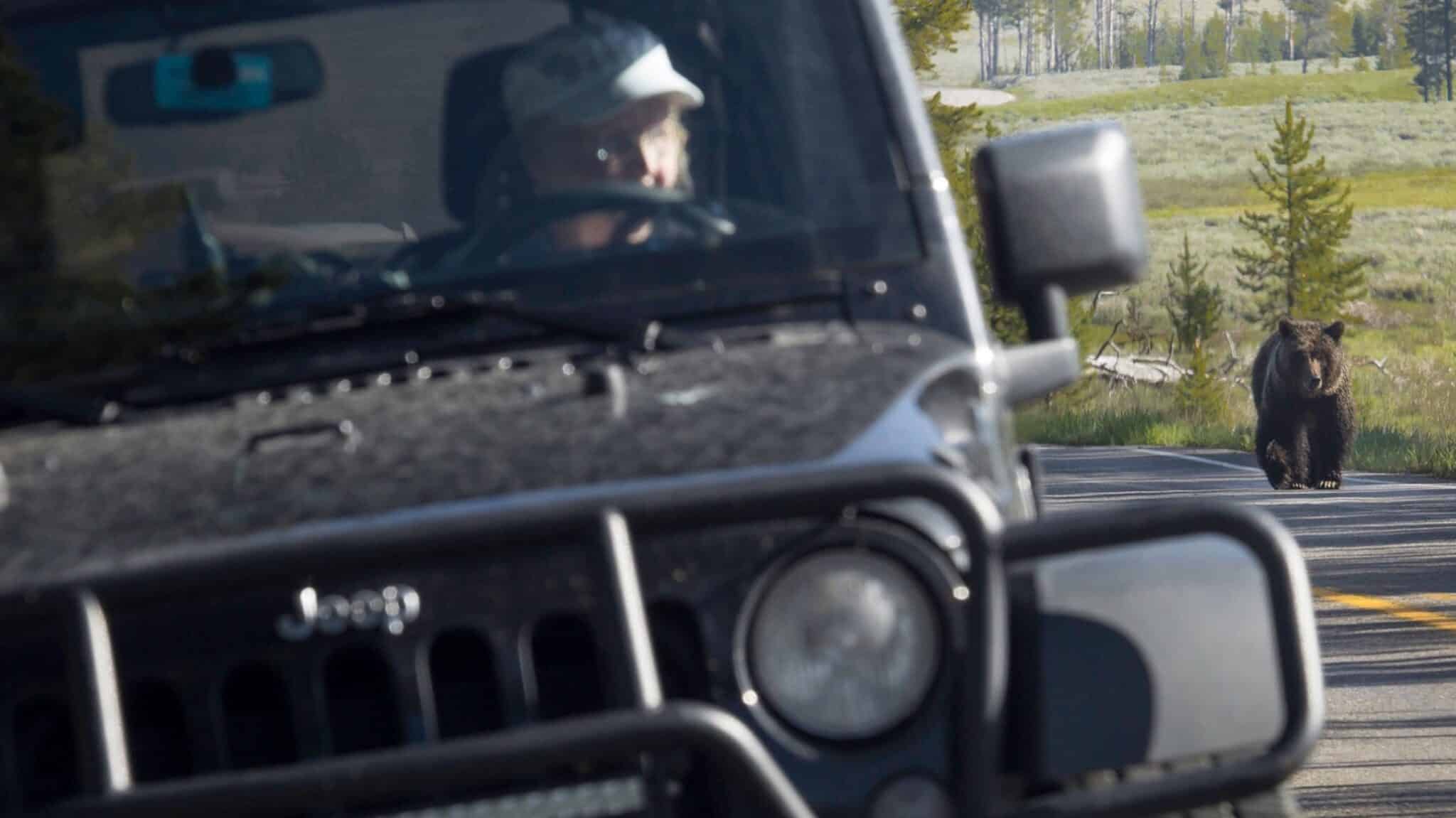
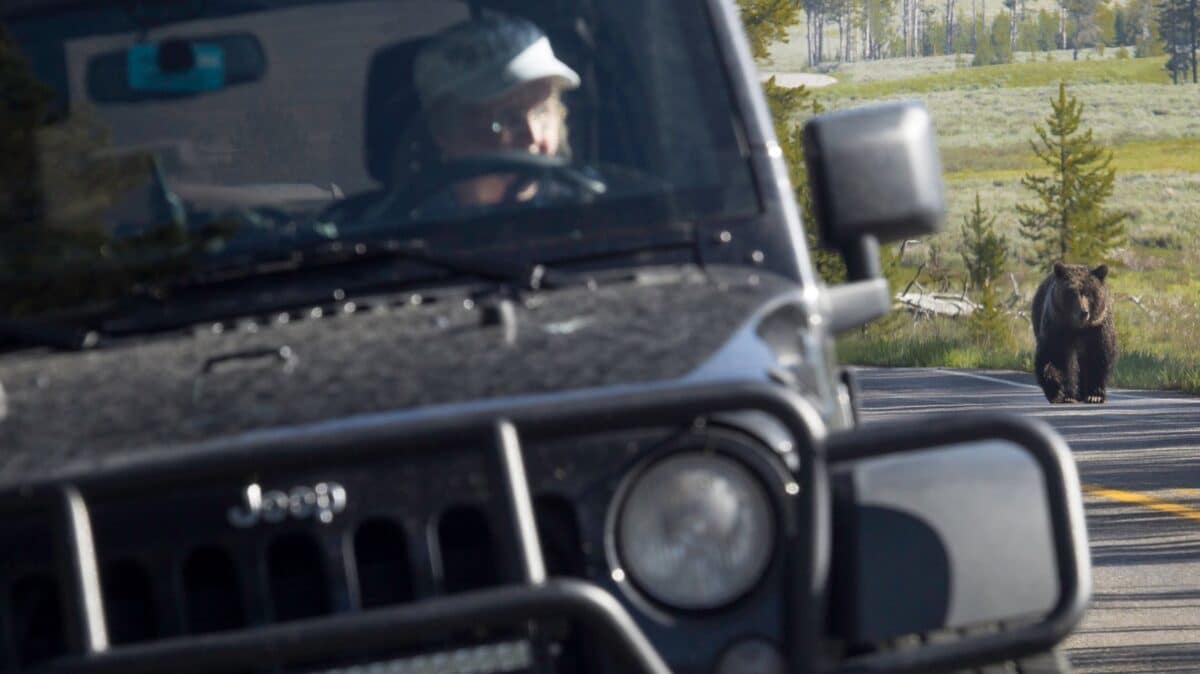
As the park opens, so too does the opportunity for incredible wildlife viewing. The spring season is a particularly active time for many of Yellowstone’s animals. Bison calves are born, elk herds begin to migrate, and bears emerge from their dens. While these encounters are a highlight for many visitors, responsible wildlife observation is critical. The National Park Service strongly emphasizes maintaining a safe and respectful distance from all wildlife, using binoculars or telephoto lenses for observation, and never feeding animals. Feeding wildlife can lead to dangerous habituation, posing risks to both animals and humans, and is strictly prohibited.
The park’s wildlife management policies aim to preserve natural behaviors and ecosystems. Understanding and adhering to these policies, such as staying on designated trails and boardwalks, especially in thermal areas where the ground can be fragile and dangerously hot, is essential for a safe and enjoyable visit.
Looking Ahead: The Summer Season
The April 17th opening is the initial step towards the full operational capacity of Yellowstone National Park for its peak summer season. As more roads become accessible in May, the park anticipates a significant increase in visitor numbers. The NPS continually monitors conditions and visitor trends to ensure the best possible experience while prioritizing the preservation of the park’s natural and cultural resources. Further announcements regarding the opening of additional roads and facilities will be disseminated through the park’s official website and social media channels, providing timely information for all prospective visitors planning their 2026 Yellowstone adventure. The park remains committed to providing a safe, accessible, and awe-inspiring experience for all who venture into its wild and magnificent landscapes.

