
The allure of Tuckerman Ravine, a legendary East Coast skiing destination nestled within the White Mountains of New Hampshire, draws countless adventurers each spring. However, a recent vlog by YouTuber Leah 💕 offers a visceral, unvarnished look at the strenuous journey required to experience its famed slopes, dispelling any notions of an easy trek to this hallowed ground. While the visual spectacle of skiers navigating its challenging terrain and the inevitable snow slides are captivating from afar, Leah’s firsthand account underscores the significant physical and mental fortitude demanded by the ascent and descent of Tuckerman Ravine.
The Grueling Reality of the Tuckerman Ravine Hike
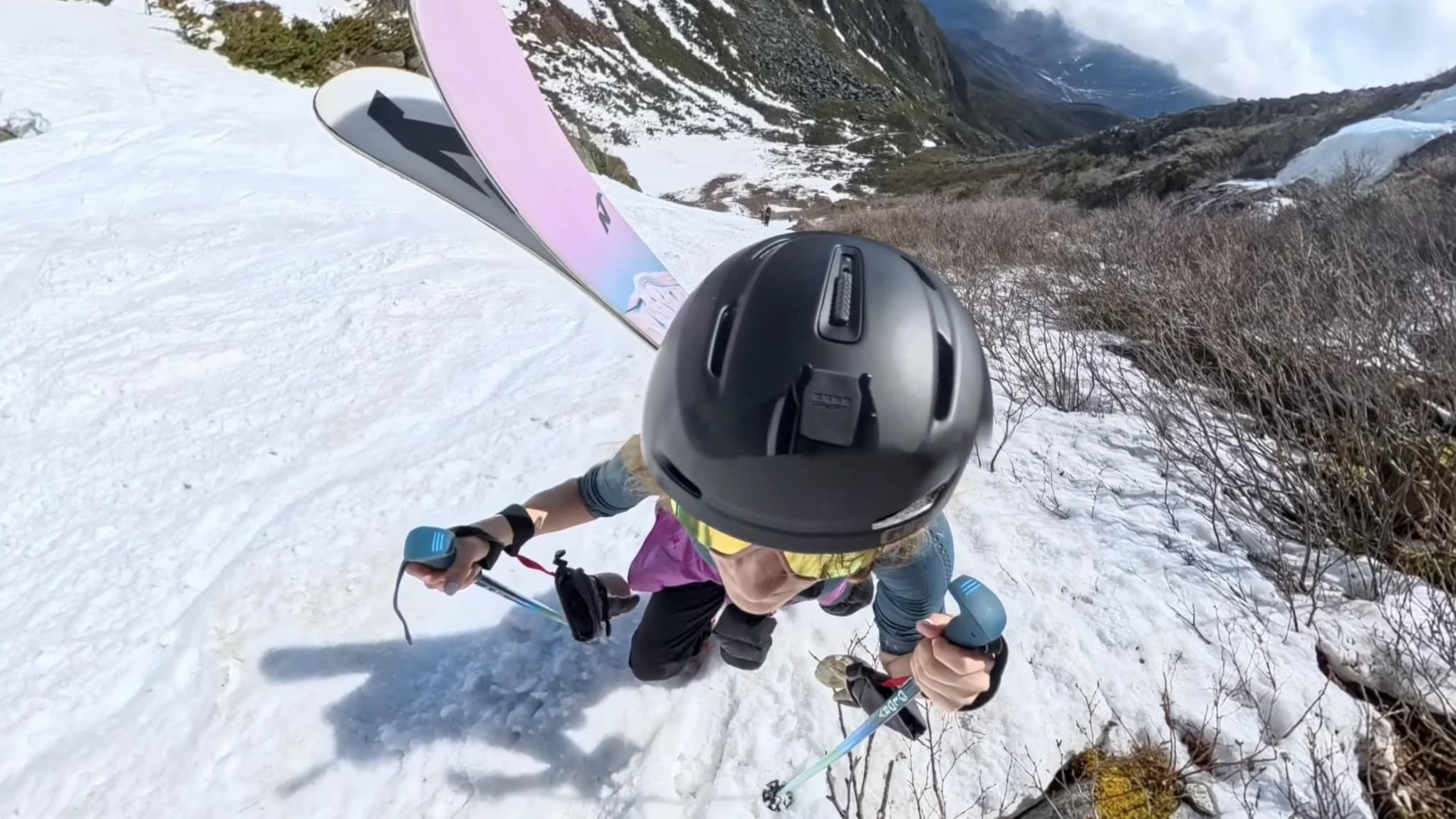
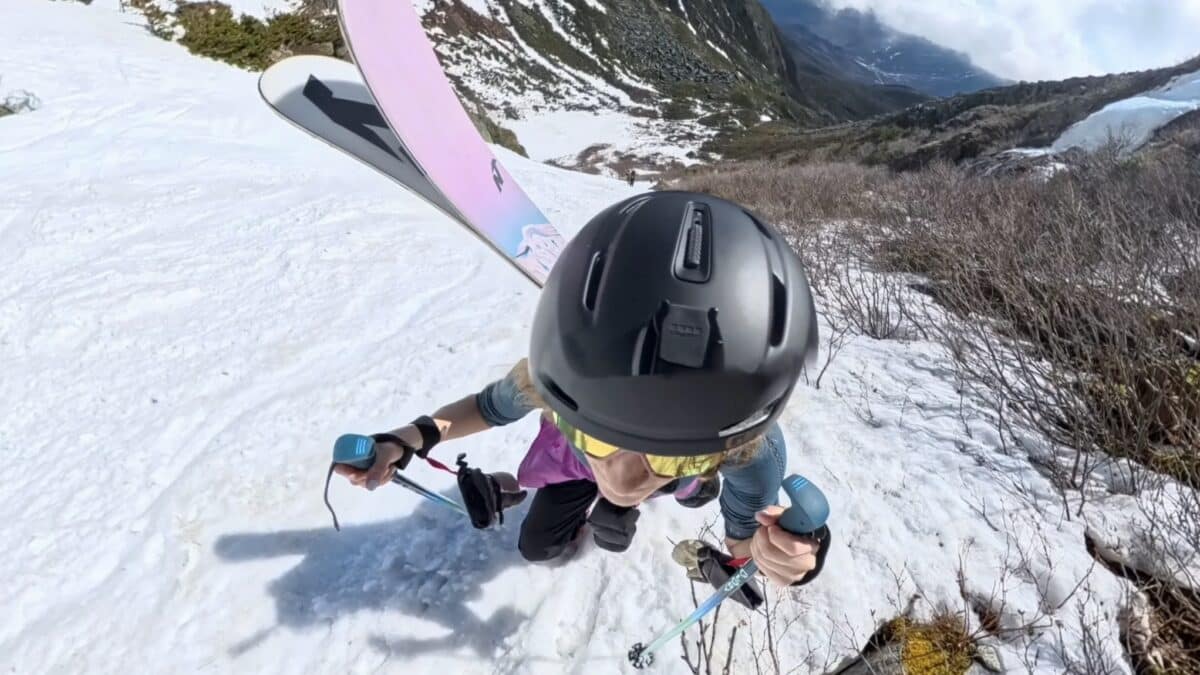
Leah’s vlog, captured on April 18th, meticulously documents the arduous process of reaching the top of Tuckerman Ravine. The journey begins with the initial hike into the bowl, a preliminary phase that already tests endurance. The video then transitions to the more demanding segment: donning ski equipment and embarking on the steep, unrelenting climb up the ravine itself. Leah’s candid expressions of exhaustion upon reaching the summit serve as a powerful testament to the exceptional physical condition required for this undertaking. The footage doesn’t stop at the summit; it also provides a compelling perspective of the skiing experience, showcasing the scale of the hikers below and the dynamic flow of snow and debris, known as "sluff," cascading down the mountainside. This visual narrative emphasizes that Tuckerman Ravine is not merely a ski run, but a formidable mountain environment that demands respect and preparedness.
The physical exertion involved in ascending Tuckerman Ravine is substantial. The trail, particularly the final push to the top, involves significant elevation gain over a relatively short distance. Hikers are essentially skinning or boot-packing up a steep, often icy, and exposed mountainside. This requires a high level of cardiovascular fitness, leg strength, and stamina. Anecdotal evidence and expert opinions consistently highlight the difficulty, with many describing it as akin to climbing a very steep staircase for miles. The mental challenge is equally significant, requiring sustained focus and determination in the face of fatigue and potentially adverse weather conditions.
Springtime Crowds and Essential Preparations
The popularity of Tuckerman Ravine, especially during the spring skiing season, has led to significant crowds, as evidenced by reports of a bustling Pinkham Notch Visitor Center. This surge in visitors necessitates arriving early to secure parking and avoid the longest queues. The Pinkham Notch Visitor Center, operated by the Appalachian Mountain Club (AMC), serves as the primary trailhead and staging area for those venturing into Tuckerman Ravine. Its location provides essential services and information for hikers and skiers, but its capacity is often tested during peak times.
Beyond logistical planning, safety is paramount. The Mt. Washington Avalanche Center (MWAC) provides critical daily reports on avalanche conditions, snowpack stability, and weather forecasts. These advisories are indispensable for anyone planning to ski or ride Tuckerman Ravine. The dynamic nature of mountain snow necessitates constant vigilance and adherence to safety protocols. Hazards can emerge unexpectedly, and staying informed about current conditions is not merely advisable but essential for survival. The fact that an upper portion of the Tuckerman Ravine trail has been closed due to emerging hazards underscores the inherent risks associated with this environment and the importance of heeding official advisories.
Understanding the Tuckerman Ravine Ecosystem
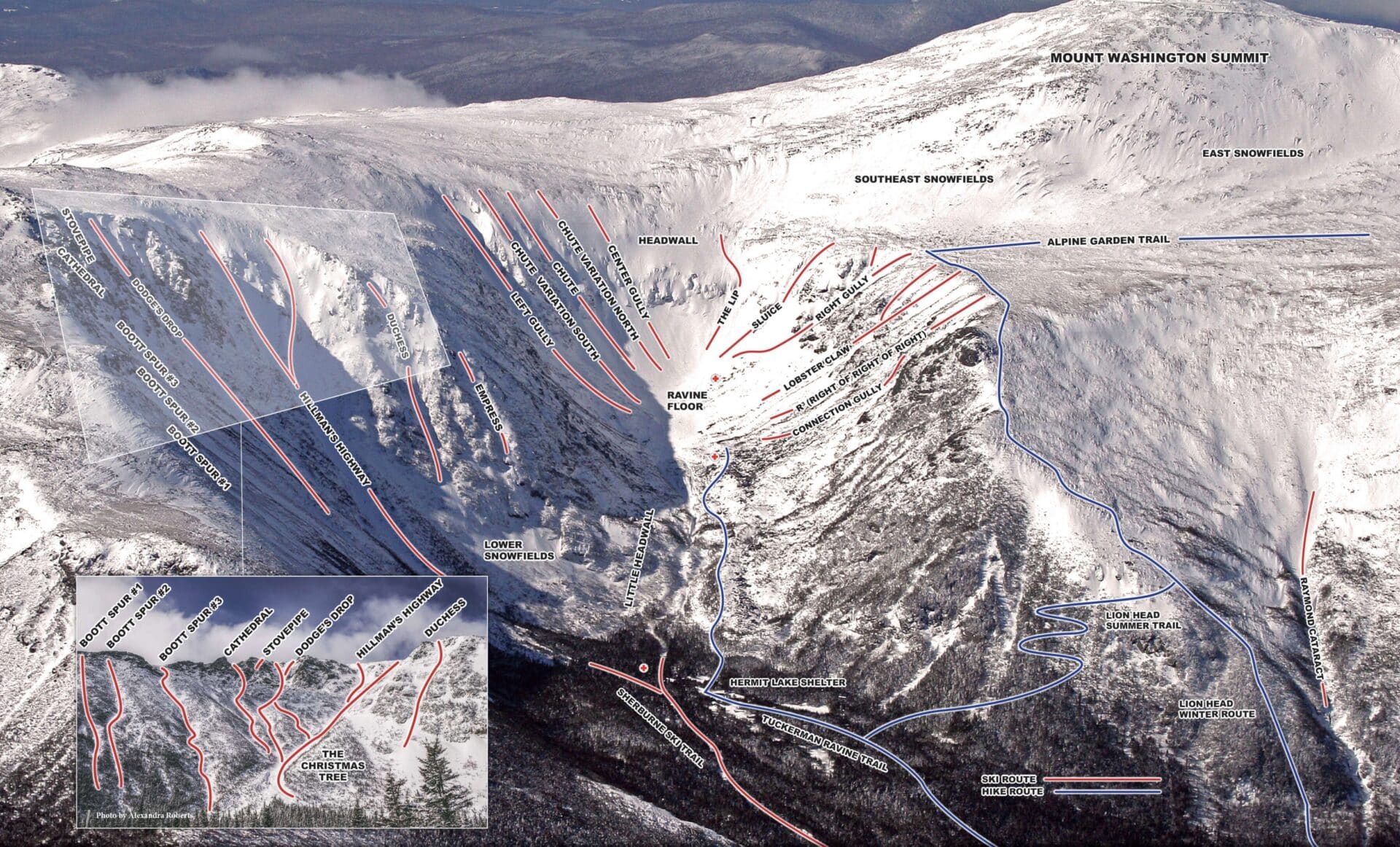
Tuckerman Ravine is more than just a steep slope; it’s a natural amphitheater carved by glacial forces, renowned for its challenging ski terrain and the unique springtime phenomenon of "sluffing." The ravine itself is a cirque, a bowl-shaped depression formed by a glacier. Its steep walls and consistent snowpack during the spring months create a prime location for advanced skiers and snowboarders. The sheer pitch of the headwall, often exceeding 40 degrees, presents a significant technical challenge.
The phenomenon of "sluff" is a direct consequence of the steepness and snow conditions. As skiers descend, they dislodge loose snow, which then cascades down the slope in a continuous flow. While often not a direct avalanche threat in the traditional sense, large sluff slides can be powerful and disorienting, capable of sweeping skiers off their feet and posing a hazard, especially when they reach the lower sections of the ravine where hikers are ascending. The video effectively captures the visual drama of these sluff rivers, illustrating the dynamic and potentially dangerous nature of the descent.
Historical Context and the Evolution of Skiing Tuckerman Ravine
The history of skiing Tuckerman Ravine is intertwined with the development of mountaineering and winter sports in the White Mountains. For decades, it has been a pilgrimage site for skiers seeking challenging terrain and a true wilderness experience. Early adventurers braved the elements with rudimentary equipment, paving the way for the modern era of backcountry skiing. The establishment of the AMC and its Pinkham Notch basecamp in the early 20th century further facilitated access and safety for those venturing into the Presidential Range.
The "spring skiing" season at Tuckerman Ravine has become a cultural institution. As lower elevation resorts close, the reliable snowpack in the ravines of Mount Washington attracts a dedicated following. This period is characterized by warmer temperatures, longer daylight hours, and the unique challenges and rewards of skiing steep, natural snow. However, this popularity also brings with it increased traffic and a greater need for responsible outdoor ethics.
Data and Analysis: The Demands of the Terrain
While precise, universally agreed-upon data for the physical demands of ascending Tuckerman Ravine can be elusive, general principles of mountaineering and backcountry skiing provide a framework for understanding. The elevation gain from the Ravine floor to the summit of the headwall is approximately 900 vertical feet. However, this is achieved over a very steep and often uneven surface. For comparison, a challenging sustained uphill hike in many mountain ranges might involve a gradient of 1,000 feet per mile. The Tuckerman Ravine ascent, while shorter in distance, can have significantly steeper gradients, requiring considerably more effort per vertical foot.
A well-conditioned individual undertaking this climb can expect to expend a significant number of calories, comparable to strenuous hiking or trail running. Estimates suggest that a round trip hike and ski of Tuckerman Ravine can burn upwards of 3,000 to 4,000 calories, depending on individual metabolism, pack weight, and the duration of the activity. This highlights the necessity of proper nutrition and hydration for anyone attempting the ascent.
Official Perspectives and Safety Imperatives
Representatives from the Mt. Washington Avalanche Center and the AMC consistently emphasize the importance of preparation and respect for the mountain environment. Their messaging revolves around several key pillars:
- Know Before You Go: Thoroughly research conditions, weather forecasts, and avalanche reports.
- Gear Up Appropriately: This includes skis or a snowboard with touring bindings, climbing skins, appropriate outerwear, avalanche safety equipment (transceiver, shovel, probe), and emergency supplies.
- Assess Your Abilities: Be honest about your physical fitness and technical skiing skills. Tuckerman Ravine is not a place for beginners.
- Travel with a Partner: Never attempt the climb or descent alone.
- Understand the Risks: Be aware of the potential for avalanches, rockfall, icefall, and rapidly changing weather.
The closure of sections of the trail serves as a stark reminder that the mountain’s conditions are not static. These decisions are made by authorities with the explicit goal of preventing injury or loss of life. Adherence to these closures is non-negotiable for the safety of all users and the integrity of the natural environment.
Broader Impact and Implications
The experience captured by Leah and the ongoing popularity of Tuckerman Ravine highlight several broader implications for outdoor recreation:
- The Rise of Vlogging in Adventure Sports: Platforms like YouTube have democratized the sharing of extreme outdoor experiences, offering valuable insights to potential participants. However, this also necessitates a responsibility to accurately portray the risks involved.
- Balancing Accessibility and Safety: The increasing number of visitors to popular backcountry destinations like Tuckerman Ravine presents a challenge for land managers in balancing access with ensuring visitor safety and minimizing environmental impact.
- The Importance of Stewardship: The continued preservation and accessibility of natural wonders like Tuckerman Ravine depend on responsible stewardship by both visitors and the organizations that manage these areas. This includes respecting trail closures, packing out all trash, and practicing Leave No Trace principles.
In conclusion, while the visual allure of Tuckerman Ravine is undeniable, Leah’s vlog serves as a crucial reminder of the significant physical demands, meticulous preparation, and unwavering respect for the mountain that are required to experience its legendary slopes. It is a testament to the spirit of adventure that drives individuals to seek out such challenging environments, but also a sobering illustration of the inherent risks and the profound commitment necessary for a safe and rewarding journey. The stark reality of the ascent, as vividly depicted, underscores that Tuckerman Ravine remains a true test of skill, endurance, and a deep appreciation for the raw power of nature.

