
As the autumnal equinox marks the transition toward the winter sports season, the focus for the global skiing community shifts from summer leisure to rigorous physical preparation. Sports scientists and orthopedic specialists emphasize that the period between September and November is a critical window for establishing the physiological foundation necessary to navigate alpine environments safely and effectively. The transition is not merely a matter of equipment maintenance but a vital phase for neuromuscular conditioning, which has been proven to significantly mitigate the risk of catastrophic musculoskeletal injuries.
According to a longitudinal Swedish study involving alpine ski students, the implementation of preseason neuromuscular training protocols resulted in a reduction of anterior cruciate ligament (ACL) injuries by nearly 50% over a two-season period. This data underscores a growing consensus within the sports medicine community: physical preparation is the primary variable in determining both performance longevity and safety on the slopes. For the modern skier, particularly those entering the fourth or fifth decade of life, the objective of autumn training has evolved from simple cardiovascular fitness to a multi-faceted approach involving endurance, eccentric muscle strength, and proprioceptive balance.
The Physiological Demands of Alpine Skiing
To understand the necessity of preseason conditioning, one must analyze the unique biomechanical stresses imposed by alpine skiing. Unlike traditional endurance sports such as long-distance running or cycling, skiing requires high-intensity bursts of activity characterized by powerful eccentric contractions. In these movements, muscles lengthen under tension—such as when a skier resists centrifugal force during a high-speed carve or absorbs the impact of a mogul.
Furthermore, skiing takes place in environments that challenge the body’s aerobic and anaerobic systems simultaneously. The combination of cold temperatures, high altitude, and high-velocity movement creates a "perfect storm" for physical fatigue. When fatigue sets in, proprioception—the body’s ability to sense its position in space—diminishes, leading to the technical errors that often result in ACL tears, tibial fractures, or meniscus damage. Consequently, a structured preseason timeline is essential for building the resilience required to withstand these pressures.
A Chronology of Preseason Preparation
The ideal training cycle for an alpine skier typically begins in late summer and intensifies as the first snowfall approaches. This chronology allows for a gradual buildup of intensity, reducing the risk of overtraining injuries.
Phase I: Late Summer (August – Early September)
During this phase, the primary goal is aerobic base-building. Athletes focus on low-intensity, long-duration activities to improve mitochondrial density and cardiovascular efficiency. This provides the "engine" necessary for a full day of skiing without premature exhaustion.
Phase II: Mid-Autumn (September – October)
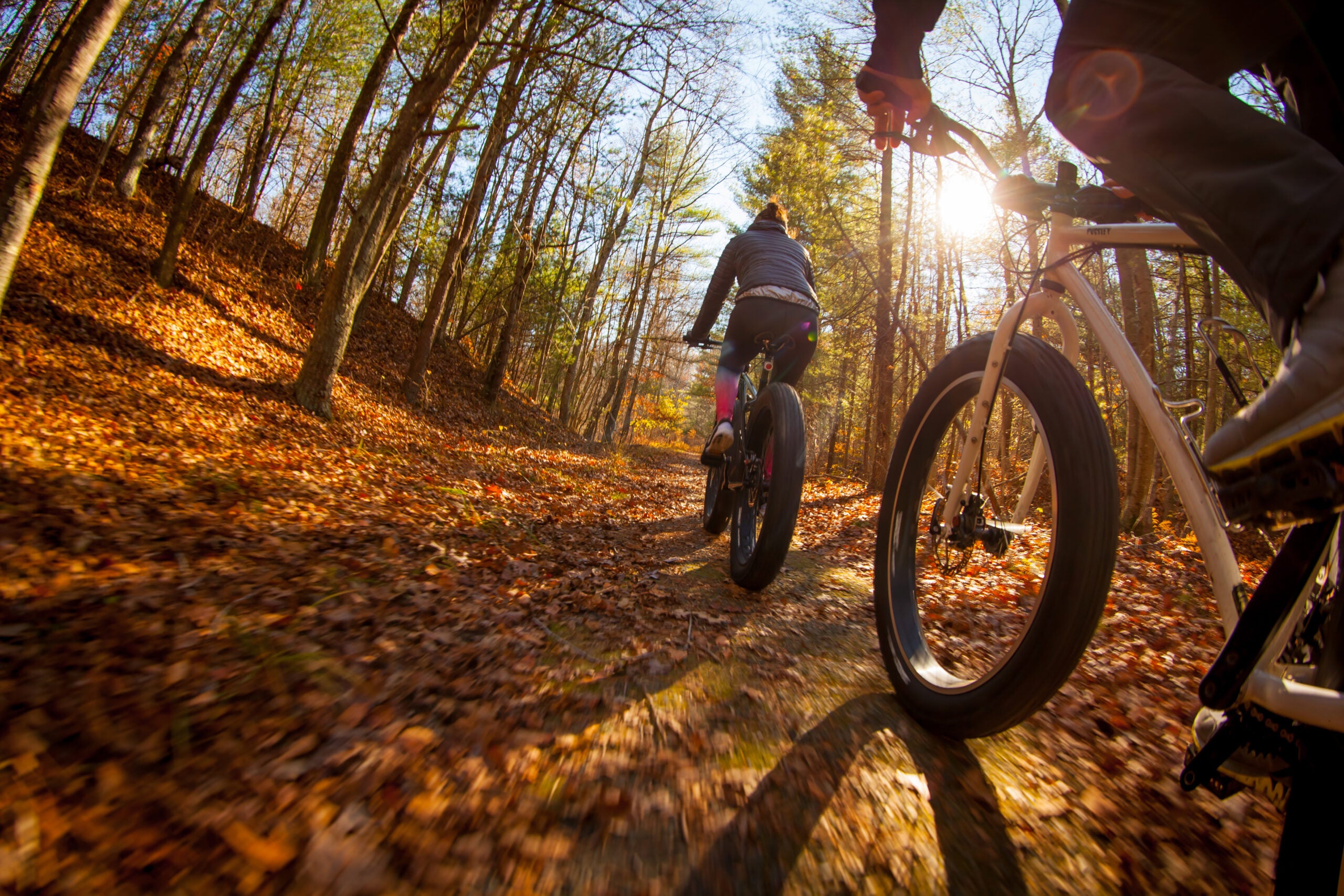
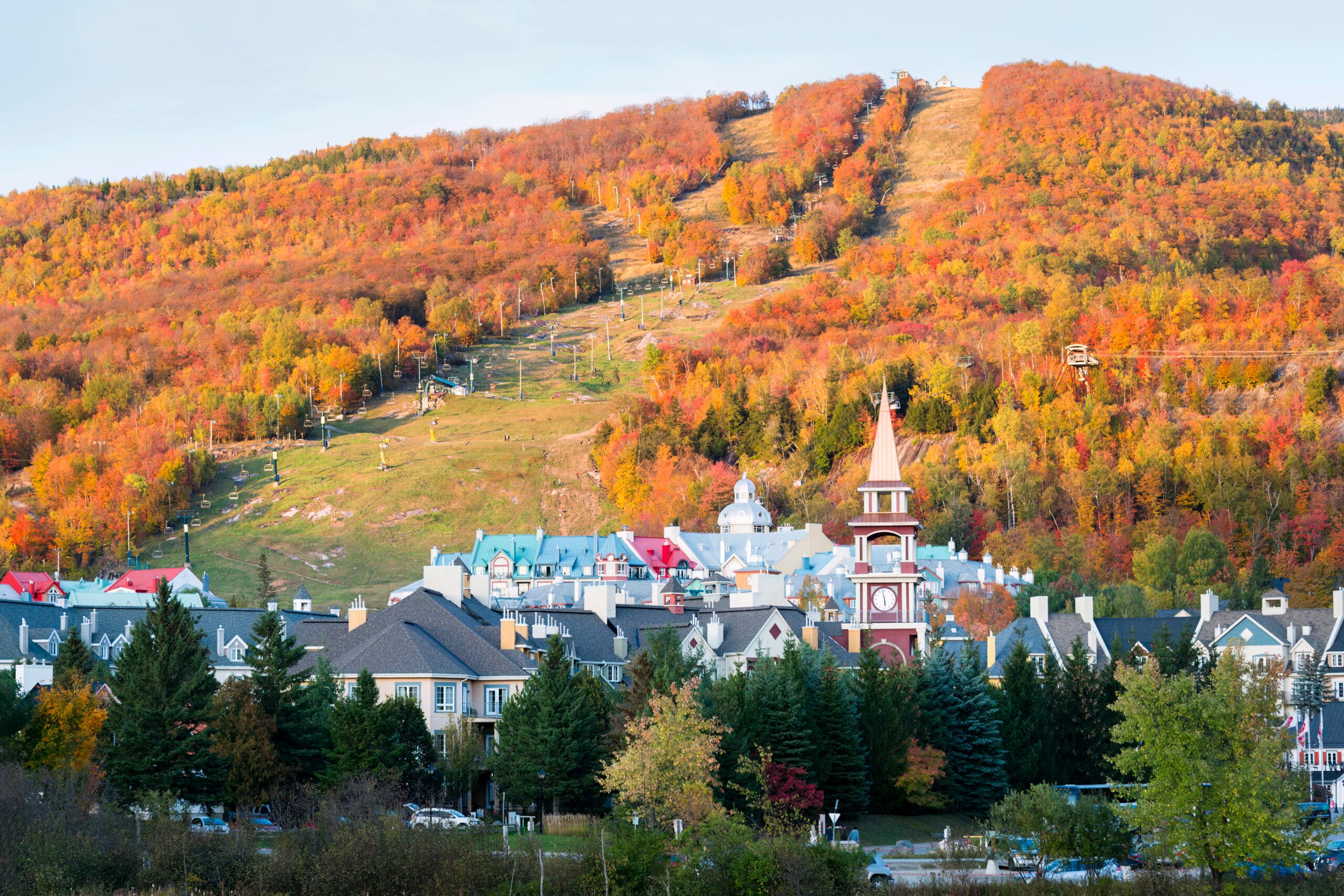
The focus shifts toward "ski-specific" movements. This includes vertical terrain training, lateral agility drills, and strength training targeting the posterior chain (glutes, hamstrings, and lower back) and the quadriceps. This is the period where athletes integrate hiking, mountain biking, and via ferrata climbing to challenge their balance and core stability.
Phase III: Late Autumn (November – Opening Day)
The final phase involves high-intensity interval training (HIIT) and neuromuscular "honing." This phase often utilizes specialized technology, such as ski simulators or indoor ski slopes, to replicate the exact motor patterns used on snow. The objective is to sharpen the mind-body connection so that technical maneuvers become instinctive by the first run of the season.
Strategic Training Modalities for Vertical Environments
Professional trainers and U.S. Ski Team consultants frequently recommend specific outdoor activities that mirror the demands of the mountain. These activities are designed to build functional strength that traditional gym workouts may overlook.
Vertical Terrain Hiking and Weighted Ascents
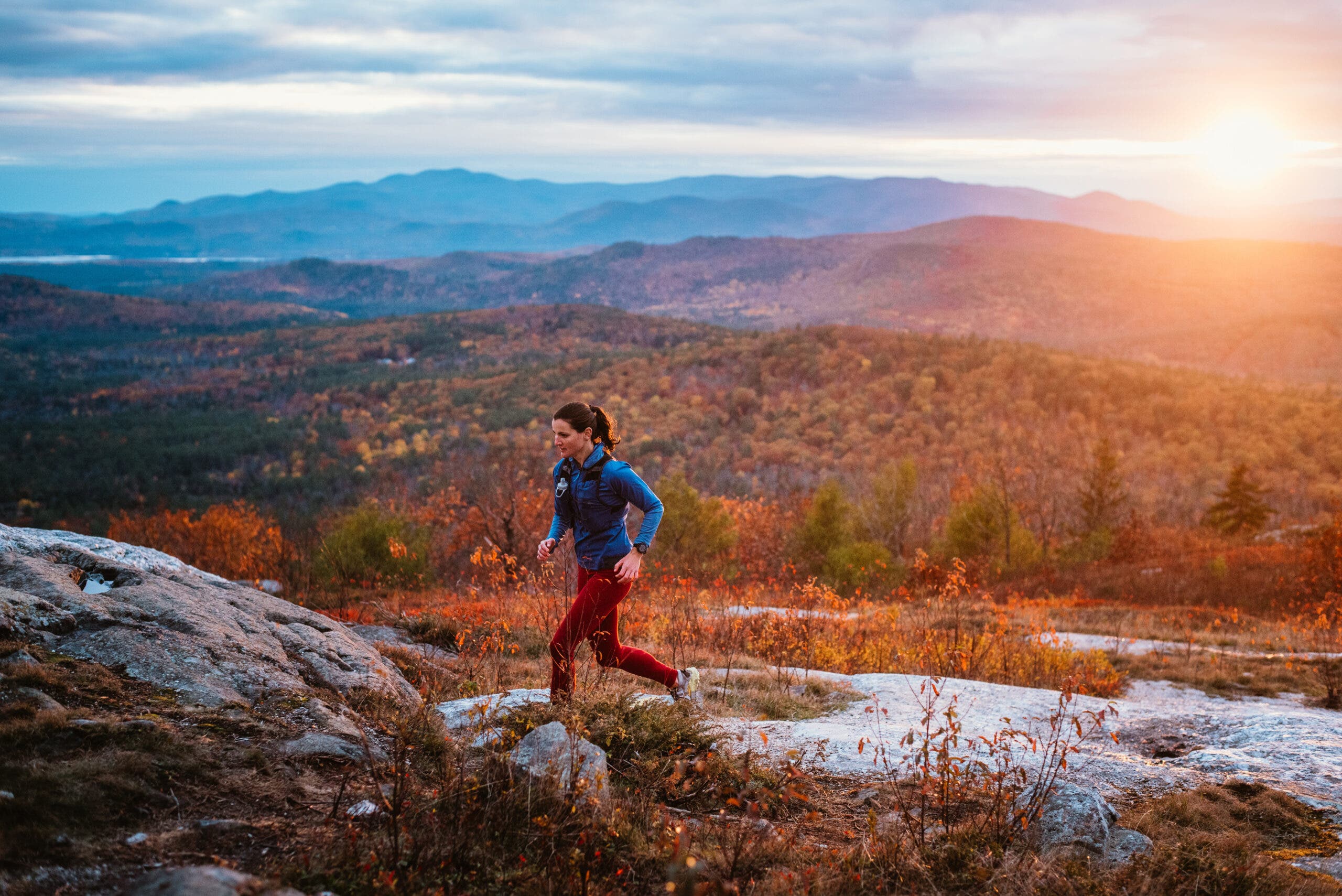
Hiking up active ski slopes or steep mountain trails is considered one of the most effective preseason workouts. This activity serves a dual purpose: it builds cardiovascular capacity while forcing the lower body to adapt to significant elevation gains. The ascent "torches" the lungs and engages the glutes and quads in a manner that closely mimics the exertion required during a long descent or backcountry skinning.
To increase the specificity of this training, many athletes utilize weighted vests. Adding 10 to 20 pounds mimics the weight of a standard ski kit, including boots, layers, and an avalanche safety pack. This additional load increases the demand on the core and stabilizer muscles, ensuring that the athlete is accustomed to moving under weight before the season begins.
Mountain Biking and Edge Control Simulation
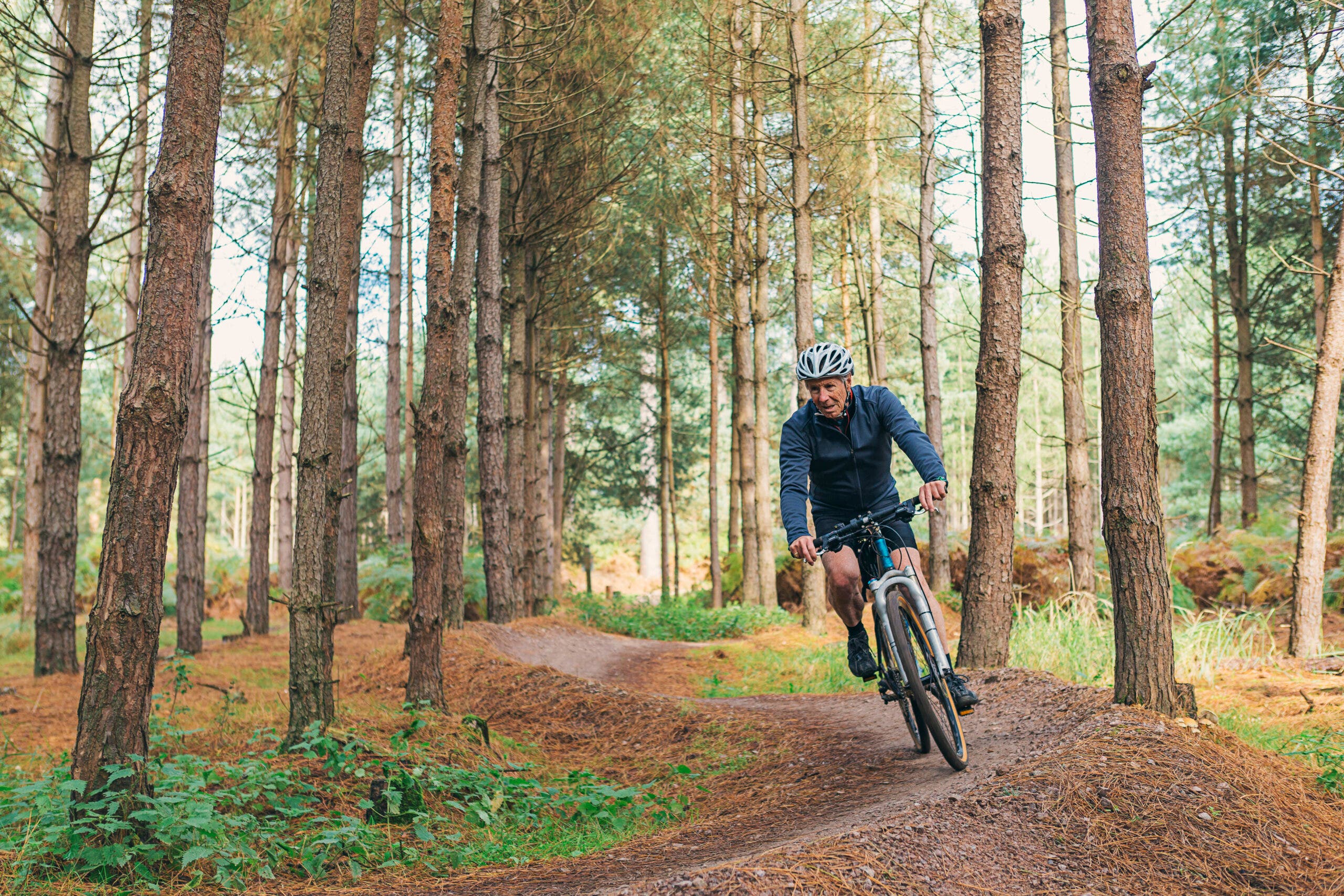
Mountain biking has become a staple of the off-season for professional and amateur skiers alike. The sport requires constant gear shifting, rapid weight distribution, and high-level stamina. Crucially, cornering on loose dirt or technical terrain trains the athlete in "line choice" and "edge control." The physical requirement of maintaining balance over uneven surfaces translates directly to the micro-adjustments needed when skiing variable snow conditions or icy patches.
The rise of e-bikes has also modified this training landscape. While some purists argue for traditional pedaling, e-bikes allow skiers to achieve higher volumes of vertical gain in a single session, focusing on the technical aspects of descending and high-speed balance without reaching total cardiovascular failure too early in the workout.
Via Ferrata: Enhancing Core Stability and Mental Focus
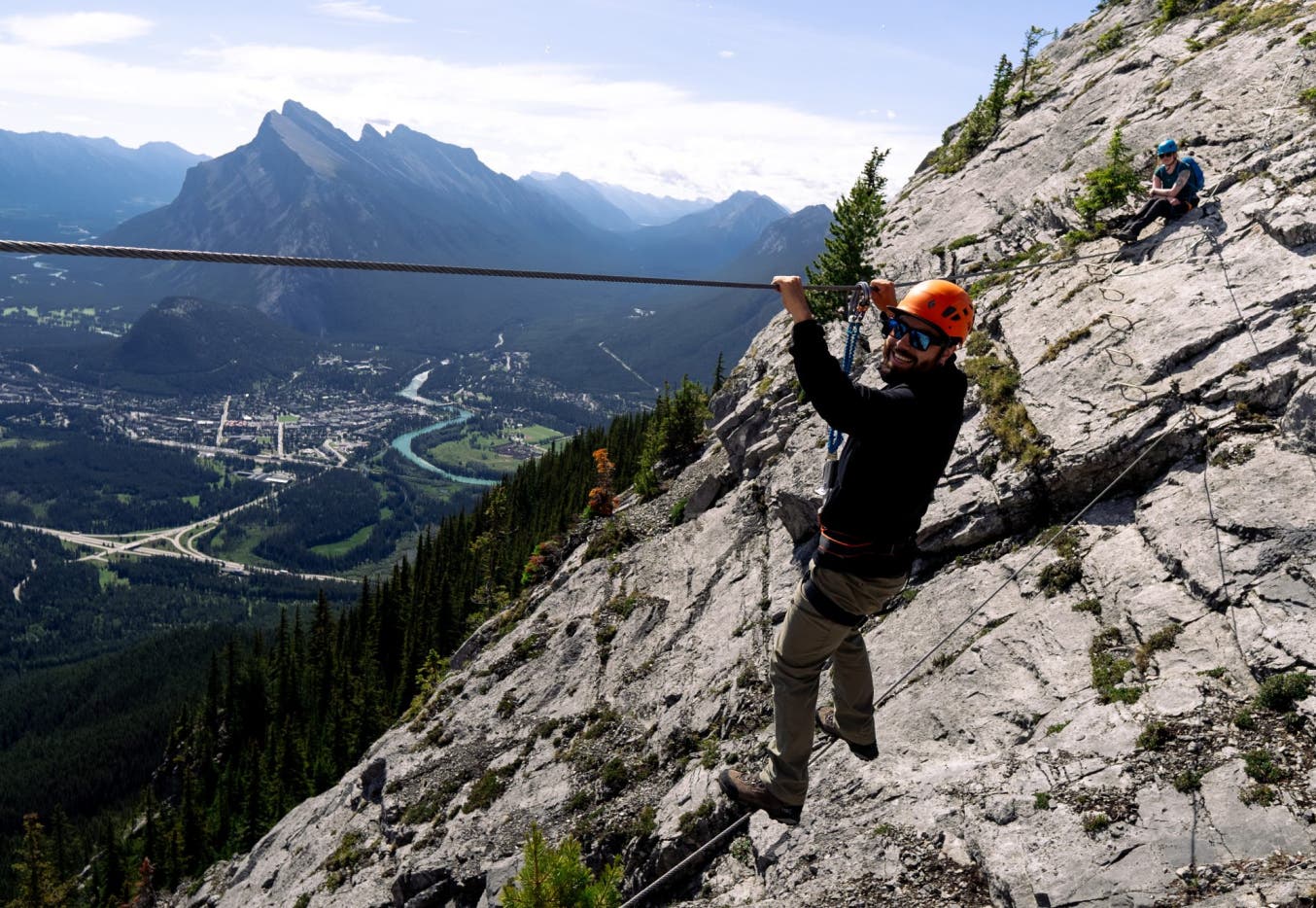
The "Via Ferrata"—a protected climbing route found in the Italian Dolomites and increasingly across North America—offers a unique training stimulus. These routes involve navigating cliff faces using iron rungs and safety cables. From a physiological standpoint, via ferrata climbing demands exceptional grip strength, core engagement, and isometric leg strength.
Beyond the physical benefits, via ferrata training addresses the psychological aspect of skiing. It requires intense focus and the ability to manage "exposure" (the sensation of height and risk). This mental conditioning is invaluable for skiers who plan to tackle steep chutes or technical terrain where composure is just as important as physical strength.
High-Altitude Cardiovascular Adaptation
For skiers planning trips to major resorts in the Rocky Mountains or the Alps, altitude acclimatization is a significant concern. Trail running at altitude is a preferred method for forcing the cardiovascular system to adapt to thinner air. This hypoxic training triggers the production of more red blood cells, improving oxygen transport throughout the body.
For athletes living at sea level, the challenge is replicated through high-incline treadmill sessions or "stair-climbing" workouts. The goal is to maintain a high heart rate while performing vertical movement, ensuring that the heart and lungs are prepared for the 8,000 to 12,000-foot elevations common in major ski destinations.
The Role of Technology: Simulators and Indoor Facilities
In recent years, the "urban skier" has gained access to sophisticated training tools that were once reserved for Olympic athletes. Facilities like "Big Snow" in New Jersey or "Bluerun" training centers utilize revolving slopes and interactive simulators to provide year-round access to skiing mechanics.
Infinite Slopes and Biomechanical Feedback
"Infinite Slopes" are essentially giant treadmills covered in synthetic ski turf. These machines allow for continuous carving and edging practice. Because the environment is controlled, skiers can focus entirely on their form—specifically upper-lower body separation and hip angulation—without the distractions of weather or other skiers. This high-volume repetition is essential for "muscle memory," ensuring that the body defaults to correct form when faced with the stresses of a real mountain.
Digital Simulators
Advanced ski simulators use sensors to track a skier’s weight distribution and edge angle in real-time. This data-driven approach allows athletes to identify weaknesses in their technique, such as a tendency to "back-seat" or an imbalance between the left and right legs. Correcting these issues in the preseason significantly reduces the likelihood of the technical failures that lead to injury.
Broader Implications: Longevity and Economic Impact
The push for preseason conditioning is not merely a matter of personal fitness; it has broader implications for the ski industry and public health. As the average age of the skiing population increases, the importance of "functional longevity" grows. Maintaining the ability to ski into one’s 60s and 70s requires a proactive approach to joint health and muscle density.
Furthermore, the economic impact of ski injuries is substantial. Beyond medical costs, injuries result in lost lift ticket revenue, canceled lodging, and a decrease in overall participation. By promoting preseason training, resorts and gear manufacturers are investing in a more resilient and consistent customer base.
Conclusion
The transition from autumn to winter represents a critical juncture for any alpine athlete. The evidence is clear: those who treat the fall season as a dedicated training period are rewarded with better performance, higher endurance, and, most importantly, a lower risk of season-ending injuries. Whether through the natural resistance of a mountain hike, the technical challenge of a via ferrata, or the high-tech precision of a ski simulator, preseason conditioning is the most effective tool for ensuring a successful and safe winter on the slopes. As the lifts prepare to turn, the work done in the colorful woods of October will inevitably define the quality of the turns made in the white powder of January.

