
The landscape of high-intensity boutique fitness in New York City has expanded with the introduction of NRTHRN Strong, a Danish-born fitness concept that translates the physiological demands of cross-country skiing into a controlled, indoor environment. Located in the Flatiron District—a neighborhood often referred to as the epicenter of Manhattan’s fitness industry—the studio utilizes a proprietary training apparatus known as the NRTHRN Trainer. This expansion marks a significant step in the commercialization of sport-specific training tools, moving specialized athletic equipment from professional training centers into the mainstream wellness market. The program aims to solve the dual challenges of accessibility and seasonality that have traditionally limited the practice of cross-country skiing to specific geographic regions and winter months.
The Physiological Foundation of Nordic Training
Cross-country skiing has long been recognized by exercise physiologists as one of the most effective full-body cardiovascular exercises available. Unlike sports that focus primarily on the lower body, such as cycling or running, Nordic skiing requires the synchronized engagement of the cardiovascular system, upper body, lower body, and core. Research indicates that the sport demands a unique combination of endurance and explosive power, leading to some of the highest recorded VO2 max levels—a measure of the body’s ability to utilize oxygen—among professional athletes.
Data supported by the National Institutes of Health and various sports medicine journals suggests that cross-country skiing at a moderate pace can burn between 400 and 700 calories per hour. A comparative study published in the Journal of Sports Sciences highlights the efficiency of the movement, noting that it takes approximately two and a half hours of downhill skiing to achieve the same caloric expenditure as one hour of cross-country skiing. This efficiency is attributed to the "total-body" nature of the movement, which recruits major muscle groups including the latissimus dorsi, triceps, quadriceps, hamstrings, and the deep stabilizing muscles of the core.
The Technological Development of the NRTHRN Trainer
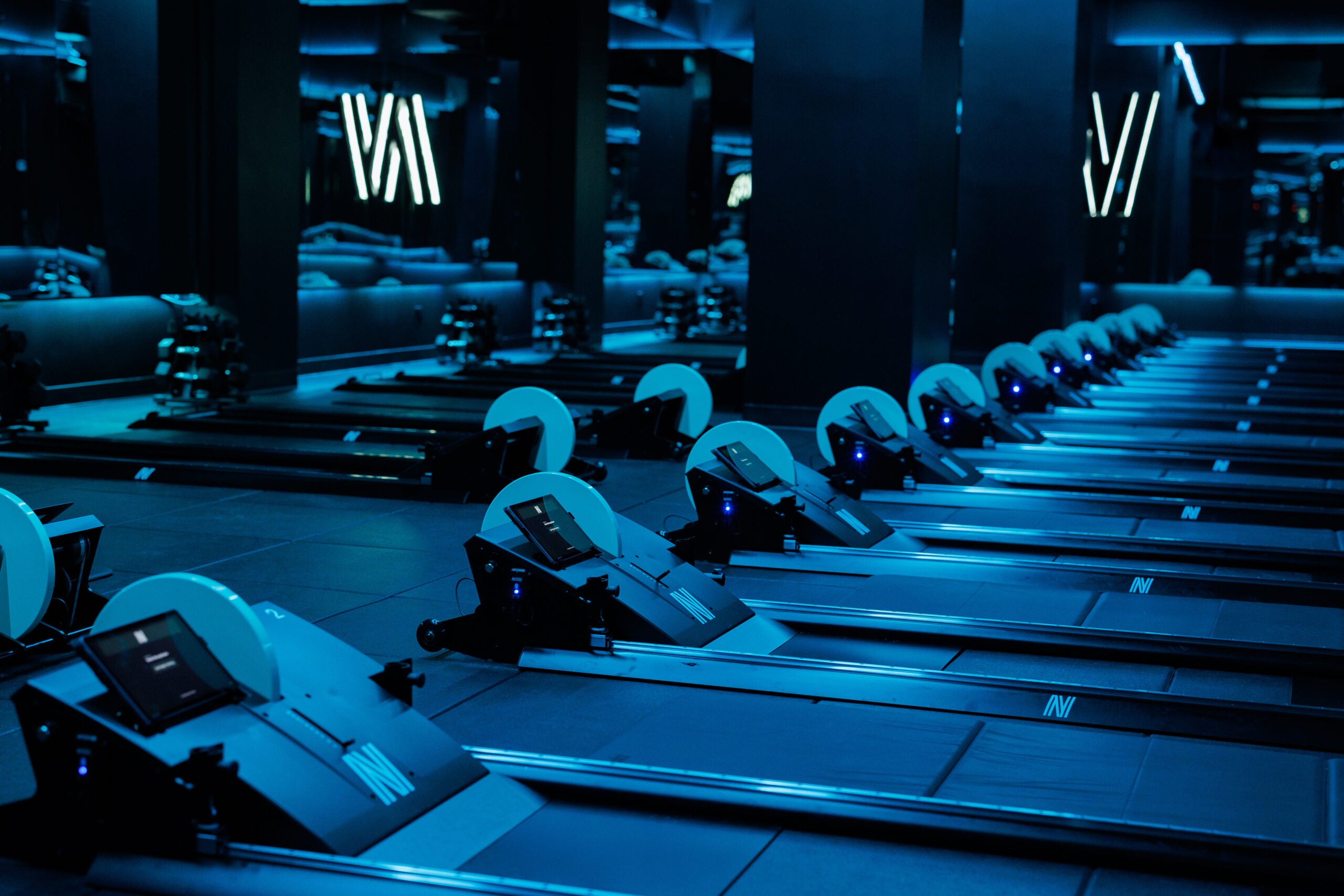
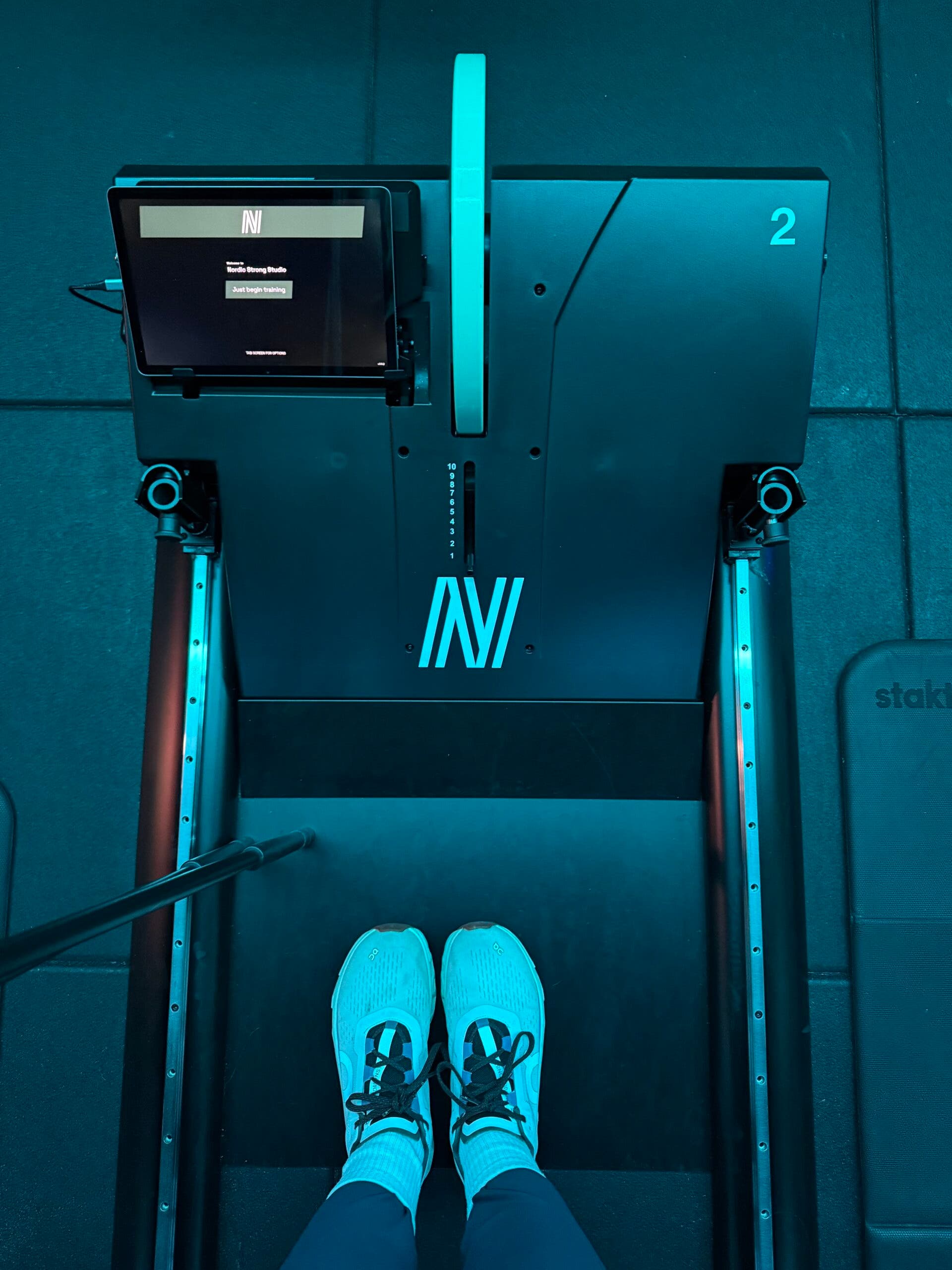
The core of the NRTHRN Strong methodology is the NRTHRN Trainer, a machine designed to mimic the mechanics of Nordic skiing without the need for snow or expansive outdoor tracks. While indoor rowing machines (ergs) and stationary cycles have long dominated the market, the NRTHRN Trainer introduces a hybrid mechanical system that combines the resistance profile of a rowing ergometer with the linear motion of a shuffleboard.
The machine’s design is rooted in the equipment used by professional Scandinavian cross-country athletes for off-season training. The interface consists of two specialized poles that fit into sliding sockets on either side of a central platform. These poles move along a track system, providing resistance during both the push and pull phases of the stroke. Unlike standard gym equipment, the NRTHRN Trainer is designed to be user-controlled; the intensity of the workout is determined by the force applied by the participant, allowing for a scalable experience that accommodates both elite athletes and beginners.
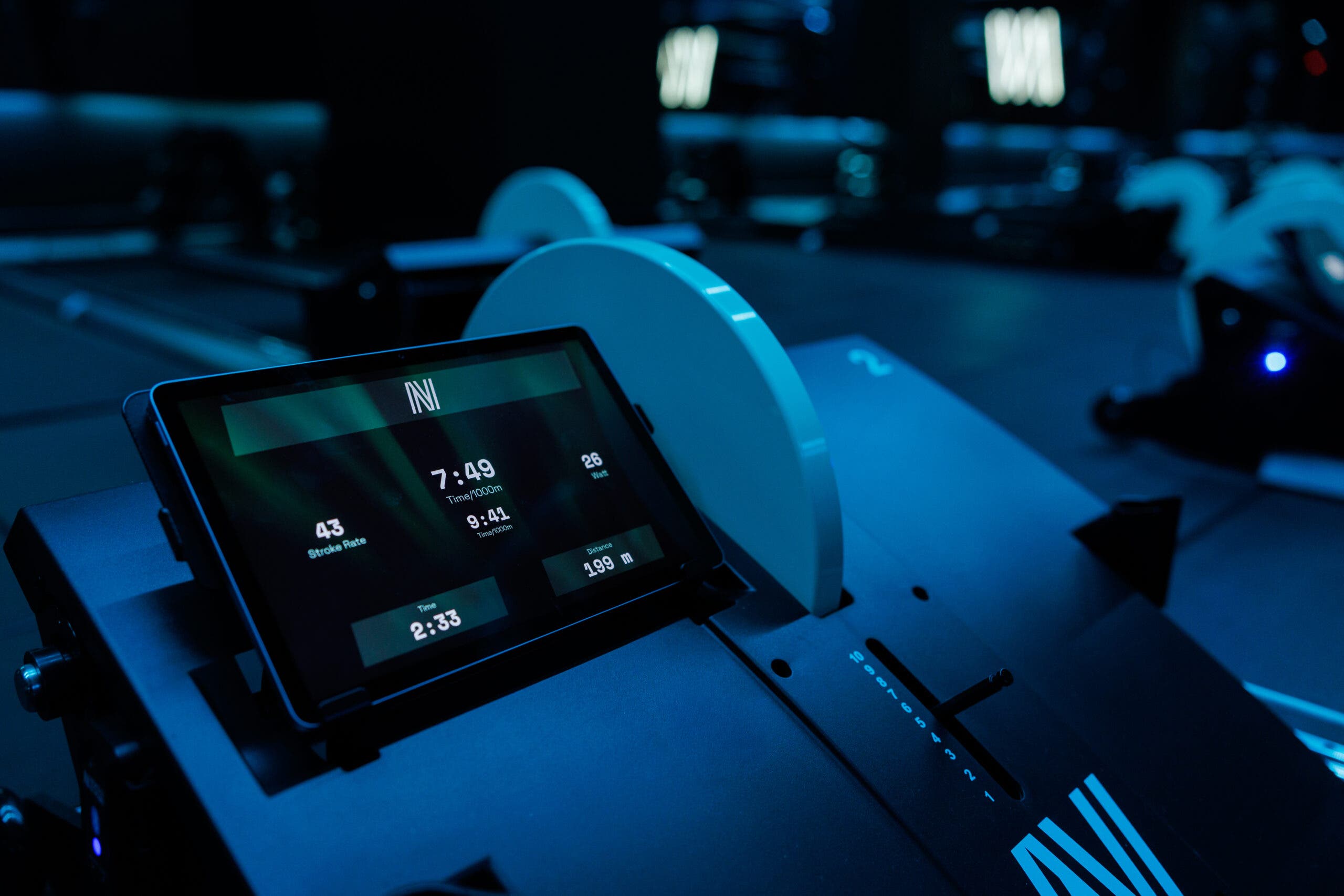
Each machine is equipped with a digital monitor that provides real-time performance metrics. These include:
- Stroke Rate: The number of complete cycles performed per minute.
- Pace per 1,000 Meters: A standardized measure of speed and efficiency.
- Distance and Time: Essential for tracking progress over HIIT intervals.
- Power Output: Measured in watts to gauge the force of each explosive movement.
Chronology of the NRTHRN Strong Expansion
The journey of NRTHRN Strong from a niche athletic concept to an international fitness brand follows a strategic timeline of development and market entry.
- Conceptualization (Copenhagen): The brand originated in Denmark, where Nordic skiing is culturally significant but often limited by the region’s flat terrain and variable winter conditions. The founders sought to create a studio environment that captured the "hygge" (comfort and coziness) of Danish culture alongside the rigor of Nordic sport.
- Product Refinement: Before the public launch, the NRTHRN Trainer underwent several iterations to ensure that the "feel" of the glide and the resistance of the poles accurately reflected the physics of skiing on snow.
- European Launch: The first studio opened in Copenhagen, catering to a demographic of urban professionals seeking low-impact, high-efficiency workouts.
- North American Entry (January 2026): Recognizing New York City as a primary hub for global fitness trends, the brand opened its flagship U.S. location in the Flatiron neighborhood. This move aligns with a broader industry trend of "low-impact, high-intensity" (LIHI) training gaining favor over high-impact plyometrics that can lead to joint wear and tear.
The Structural Mechanics of the Workout
The NRTHRN Strong class structure is designed around High-Intensity Interval Training (HIIT), a method proven to maximize metabolic rate and improve cardiovascular health. The standard 50-minute session is divided into distinct circuits that alternate between the NRTHRN Trainer and floor-based exercises.
A typical session follows a specific rotation:
- Machine Intervals (10 Minutes): Participants engage in various "strokes," ranging from double-poling (focusing on core and triceps) to staggered-leg glides that emphasize the posterior chain. Instructors often set target stroke rates to challenge aerobic capacity.
- Functional Strength (10 Minutes): On mats adjacent to the machines, participants perform lower-body and core exercises. These movements often incorporate plyometrics—explosive movements like jump squats or mountain climbers—to complement the tension-based work on the trainer.
- Cyclical Rotation: The circuit repeats several times, ensuring that the heart rate remains elevated while preventing muscle fatigue in any single area.
The environment of the studio is also engineered to enhance the experience. Borrowing from the "mood-lighting" trend in boutique fitness, the space is illuminated with colors inspired by the Aurora Borealis (Northern Lights), creating a focused, immersive atmosphere that departs from the traditional brightly lit gym setting.
Expert Analysis: Low-Impact Benefits and Accessibility
Fitness professionals and kinesiologists have noted that the NRTHRN Trainer addresses a critical gap in the fitness market: the need for high-intensity training that is safe for individuals with joint sensitivities or limited mobility. Because the movement is linear and the participant’s feet remain in contact with the platform, the "jarring" force associated with running is eliminated.

Exercise science experts suggest that this type of movement is particularly beneficial for:
- Post-Rehabilitative Training: The controlled resistance allows for muscle strengthening without placing undue stress on the knees or ankles.
- Aging Populations: As bone density and joint health become concerns, low-impact resistance training provides a way to maintain cardiovascular health and muscle mass.
- Cross-Training for Athletes: Runners and cyclists often use Nordic skiing to maintain their aerobic base while giving their primary "impact" muscles a rest.
"The machine is designed so that the user controls the movement, not the other way around," noted one instructor during the NYC launch. This philosophy of user-centric resistance is a cornerstone of the brand’s appeal, as it reduces the risk of injury often seen in motorized or momentum-based equipment.
Market Implications and the Future of Sport-Specific Fitness
The opening of NRTHRN Strong in New York City reflects a broader shift in the $96 billion global fitness industry. Consumers are increasingly moving away from "general" gym memberships in favor of specialized, community-driven experiences that offer a specific "edge" or skill set.
By branding the workout as "Danish-inspired," NRTHRN Strong leverages the global popularity of Scandinavian lifestyle trends. Furthermore, by making cross-country skiing—a sport usually reserved for those with access to mountain resorts—available in the heart of Manhattan, the brand is democratizing a high-tier athletic experience.
The implications for the urban fitness market are significant. If NRTHRN Strong succeeds in NYC, it could pave the way for other sport-specific indoor concepts, such as advanced surfing simulators or indoor climbing HIIT programs, to take up residence in major metropolitan areas. As of early 2026, the brand operates seven days a week, offering a variety of classes tailored to different goals, including "Strength," "Sculpt," and "Endurance."
In conclusion, NRTHRN Strong represents more than just a new way to sweat; it is a sophisticated integration of sports science, specialized technology, and cultural branding. By addressing the barriers of equipment and environment, the studio has made the "best full-body workout" accessible to a population that may never have set foot on a snowy trail, potentially redefining the standards for indoor cardiovascular training in the years to come.

