
The inherent risks of alpine skiing are as diverse as the terrain itself, ranging from the unpredictable nature of early-season "white ribbons of death" to the high-velocity hazards of peak winter conditions. Whether navigating hidden obstacles such as buried rocks and fallen timber or managing the kinetic energy of crowded slopes, the physical demands placed upon a skier’s body are immense. According to data from the National Ski Areas Association (NSAA) and various orthopedic studies, knee injuries—specifically tears of the anterior cruciate ligament (ACL) and medial collateral ligament (MCL)—remain the most prevalent orthopedic concern in the sport, accounting for nearly 30% of all reported incidents. While environmental factors remain outside an individual’s control, the physiological readiness of the athlete serves as the primary line of defense against catastrophic failure.
Dr. Matt Hastings, a Doctor of Physical Therapy (DPT) at The Alpine Athlete in Denver, Colorado, emphasizes that injury prevention is not a reactive measure but a proactive, year-round commitment. As a specialist in treating alpine sports injuries, Hastings argues that a robust ski fitness routine must be established well before the first snowflake falls. His methodology focuses on the "brain-body connection," a neurological synergy that allows the muscular system to respond reflexively to the dynamic and often chaotic inputs of a downhill run. By integrating five specific pillars of physical conditioning—eccentric loading, isometric stability, unilateral strength, core integration, and mobility—skiers can significantly alter their risk profile and improve their longevity on the hill.
The Mechanics of Control: Eccentric Strengthening
In the realm of biomechanics, muscle contractions are categorized into three phases: concentric (shortening), isometric (static), and eccentric (lengthening). For the downhill skier, the eccentric phase is perhaps the most critical. When a skier descends a slope, their muscles—particularly the quadriceps and gluteals—act as shock absorbers, lengthening under tension to mitigate the forces of gravity and terrain changes. This is the "lowering" phase of the movement.
"Eccentric movements describe the type of muscle contraction involving an exercise’s lowering phase," explains Dr. Hastings. "When we absorb the terrain, our legs are working as shock absorbers. As we take on the forces of the downhill, we are eccentrically loading our legs, so it makes sense to cater our training to these movements."
To implement this into a training regimen, athletes are encouraged to focus on the "tempo" of their lifts. For example, when performing a traditional squat, the descent should be slow and controlled—often lasting three to five seconds—while the ascent remains explosive. This sustained tension increases the structural integrity of the tendons and improves the muscle’s ability to withstand high-velocity loads, which is essential when a skier hits an unexpected bump or experiences a "chatter" on icy surfaces.
Endurance Under Tension: Isometric Stability
While eccentric strength handles the movement, isometric strength manages the hold. An isometric contraction occurs when a muscle fires without changing the angle of the joint. In skiing, this is most evident during long, high-G-force carving turns or when maintaining a tuck position on a cat-track. The "quad burn" that many skiers experience halfway down a mountain is often a sign of isometric fatigue.
Data suggests that as muscles fatigue isometrically, the body begins to compensate by shifting weight or altering form, which often leads to "back-weighted" skiing. This posture is a leading cause of ACL injuries, as it puts the knee joint in a vulnerable position where the boot can act as a lever against the tibia.
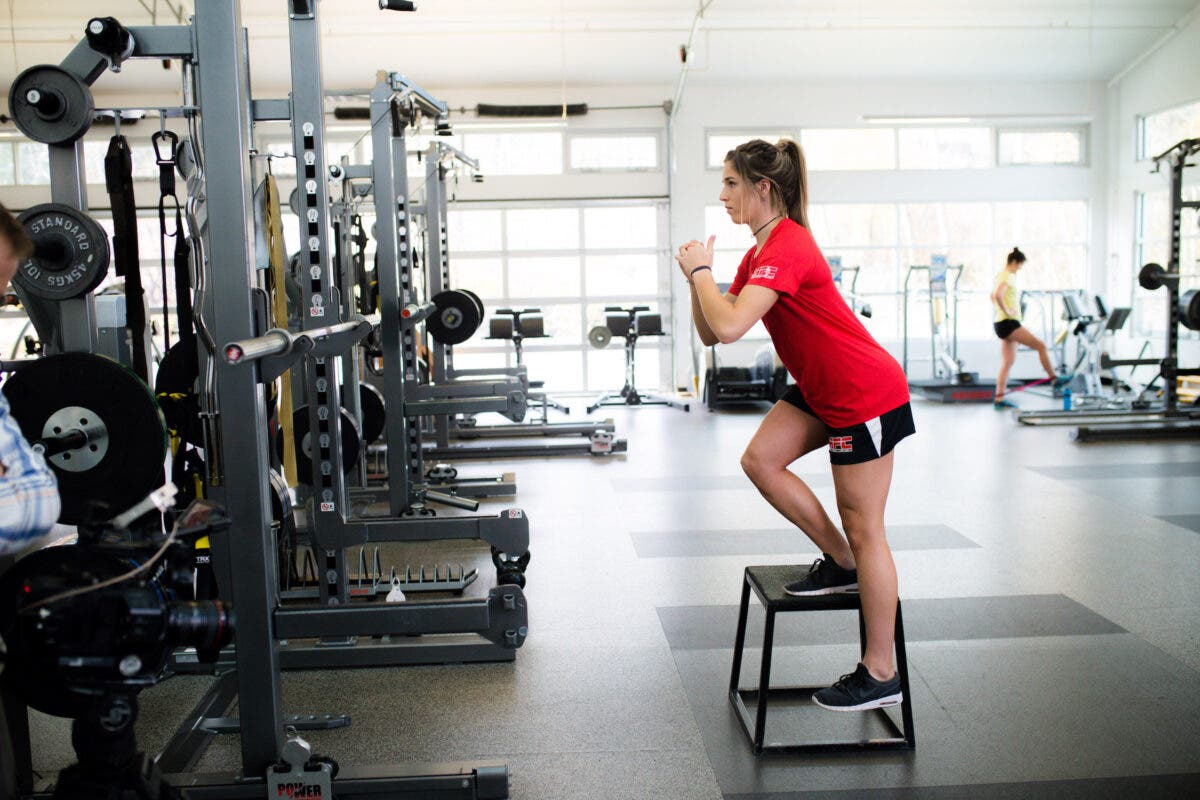
Dr. Hastings suggests that the "old reliable" wall sit remains one of the most effective tools for building this specific type of endurance. To progress this movement, athletes can add weighted resistance or incorporate unstable surfaces to challenge the stabilizers. By increasing isometric tolerance, skiers can maintain a more athletic, forward-leaning stance even during the final runs of the day, thereby reducing the likelihood of fatigue-induced errors.
The Unilateral Nature of Alpine Movement
Despite the appearance of symmetry, skiing is fundamentally a single-leg sport. The mechanics of a turn require a constant shift of weight from the inside edge of one ski to the outside edge of the other. At any given moment during a high-performance turn, the majority of the skier’s weight—and the resultant centrifugal force—is concentrated on the downhill leg.
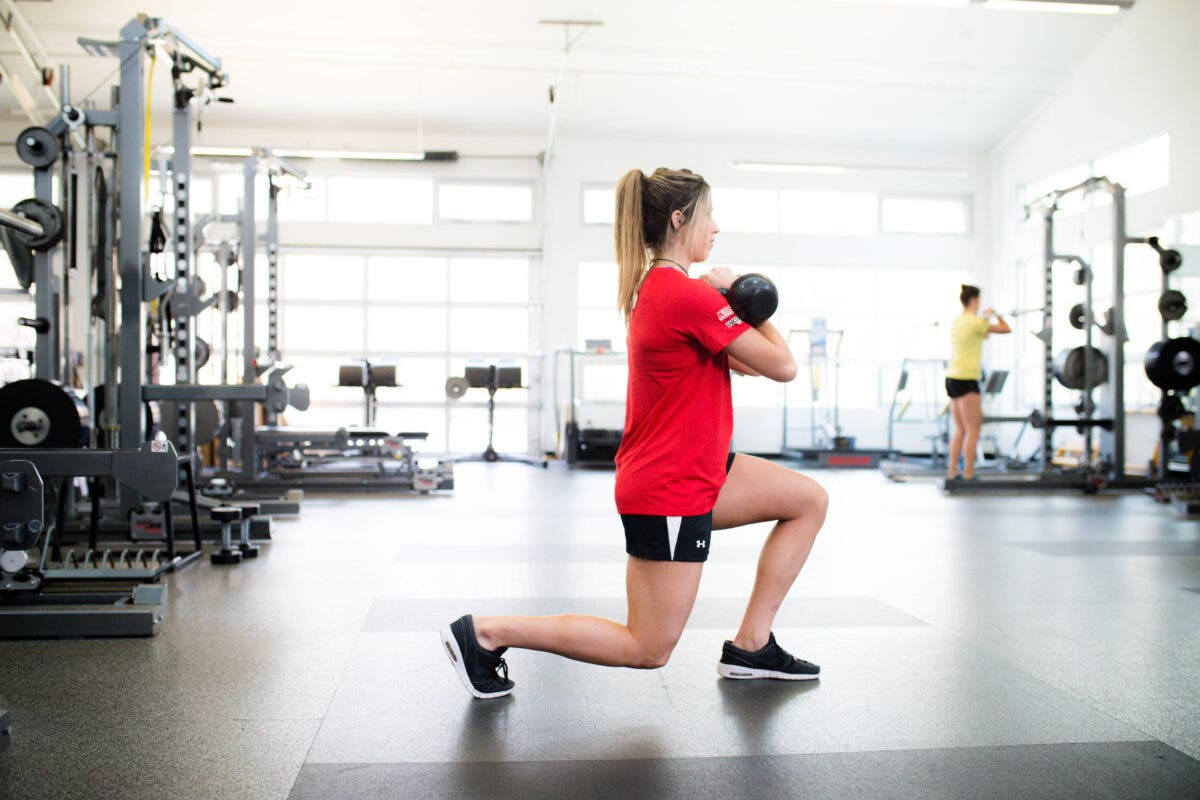
Developing unilateral (single-leg) strength is therefore paramount for balance and joint stability. Dr. Hastings recommends lunges across multiple planes of movement: lateral, forward, and reverse. "Improving strength with single-leg exercises is a great way to increase one’s balance and stability for the dynamic demands of skiing," he notes.
Lateral lunges, in particular, mimic the side-to-side weight transfer required for slalom-style turns. By strengthening the gluteus medius—a key hip stabilizer—unilateral exercises help prevent "valgus collapse," a condition where the knee caves inward. This specific movement pattern is a known precursor to ligamentous injury. Training the body to maintain alignment under single-leg loads ensures that the joints remain protected even when the terrain becomes unpredictable.
Core Integration and Trunk Stability
The "core" in skiing is often misunderstood as merely the abdominal muscles. In reality, it serves as the essential bridge between the upper body and the lower extremities. A stable trunk allows a skier to keep their shoulders facing downhill while their hips and legs rotate beneath them—a concept known as "separation." Without a strong core, the upper body often follows the skis, leading to "over-rotation" and a loss of edge control.
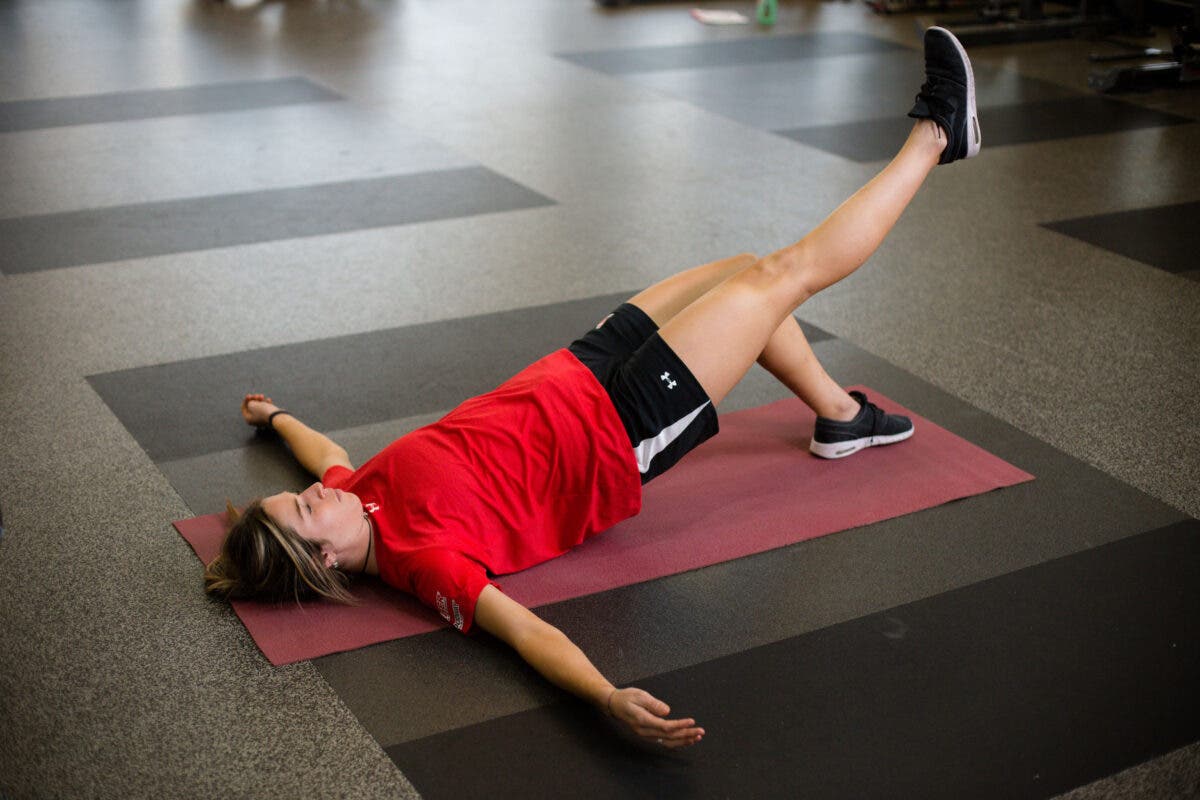
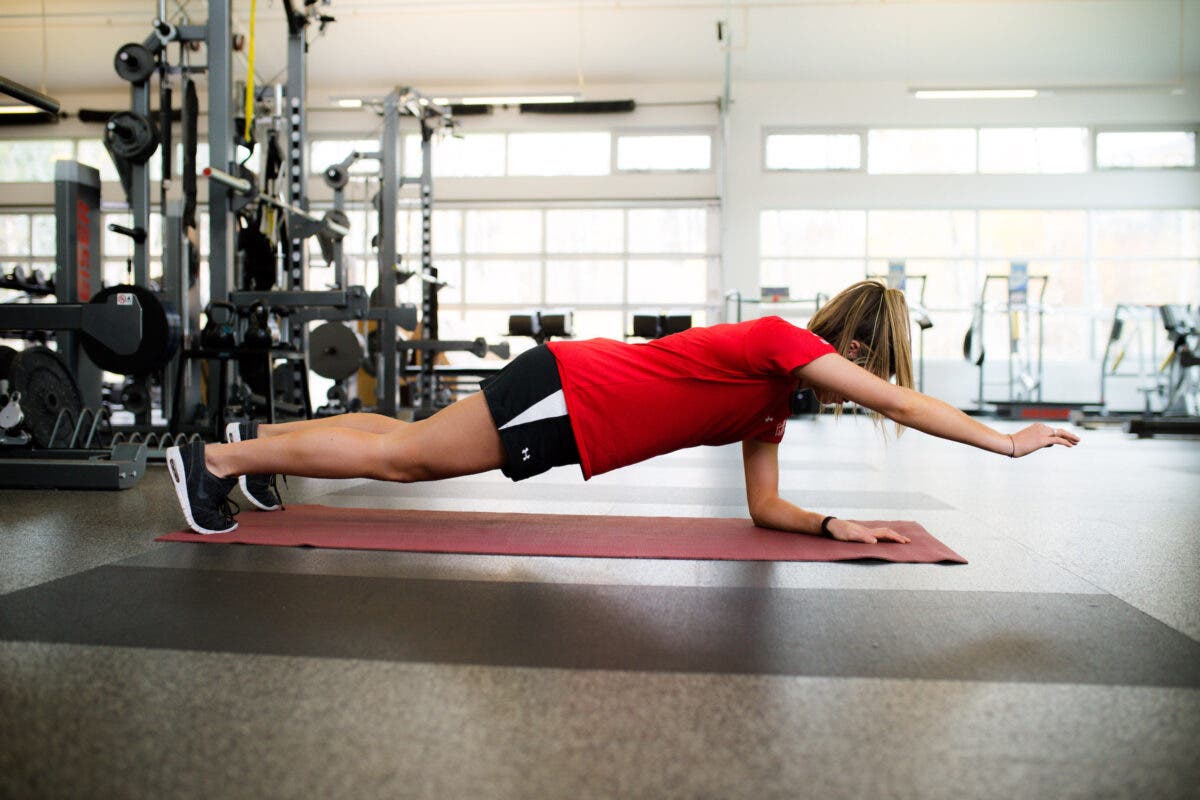
Plank variations are the gold standard for developing this "anti-rotational" strength. Dr. Hastings advises moving beyond the standard forearm plank to include side-lying planks and advanced maneuvers like the Copenhagen plank, which specifically targets the adductors and internal stabilizers.
"Skiing requires you to control your upper and lower extremities while maintaining a stable trunk," says Hastings. By incorporating variations that involve alternating arm reaches or leg lifts, the athlete trains their nervous system to maintain a rigid midsection while the limbs are in motion. This stability is crucial for absorbing the impact of moguls and maintaining a "quiet" upper body during high-speed descents.
The Recovery Timeline: Mobility and "Pre-hab"
The final, and perhaps most overlooked, component of a professional-grade ski routine is mobility. Unlike flexibility, which refers to the passive stretch of a muscle, mobility refers to the active range of motion within a joint. For skiers, restricted mobility in the ankles and hips can be detrimental. Stiff ankles, for instance, prevent a skier from "flexing" into the front of their boots, which is necessary for proper ski pressure and steering.
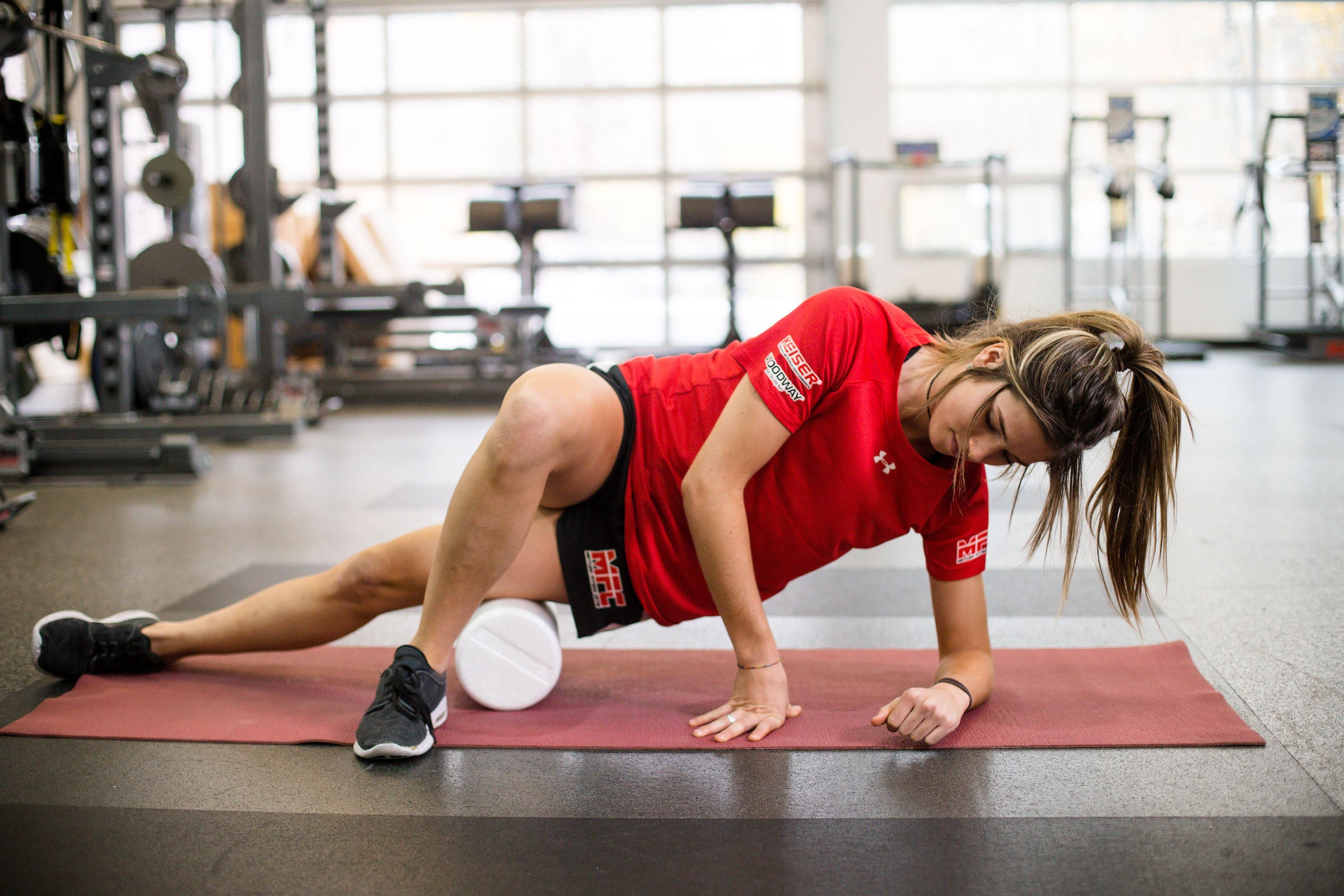
Dr. Hastings emphasizes a "pre- and post-ski" routine to aid in recovery and performance. This includes the use of mobility tools such as foam rollers, massage guns, and resistance bands to target the spine, hips, knees, and ankles. "Assess areas where you feel stiff or limited… use mobility tools to target your sore or stiff muscles," he advises.
The chronology of a successful ski season begins months before the resorts open. A typical timeline for an elite-level "pre-hab" program looks like this:
- 12-16 Weeks Out: Focus on base aerobic capacity and general hypertrophy.
- 8-12 Weeks Out: Transition to eccentric loading and unilateral strength.
- 4-8 Weeks Out: Incorporate plyometrics (explosive jumping) and high-intensity isometric holds.
- In-Season: Shift focus to maintenance and aggressive mobility work to combat the inflammatory effects of cold weather and repetitive impact.
Broader Implications and the Future of Mountain Safety
The shift toward physical-therapy-based training reflects a broader trend in the outdoor industry: the professionalization of the amateur athlete. As equipment technology allows skiers to go faster and tackle steeper terrain, the physical consequences of failure have increased. This has led to a growing "pre-habilitation" culture among enthusiasts who view their time on the mountain as an athletic endeavor rather than a casual hobby.
From an economic perspective, reducing injury rates has a significant impact on the ski industry. Orthopedic surgeries and physical therapy can cost tens of thousands of dollars, and a single injury can sideline a consumer for an entire season, affecting resort revenue and local mountain economies. More importantly, the integration of these five pillars of fitness fosters a safer environment for all participants.
In conclusion, while the allure of the mountains lies in their wild and unpredictable nature, the athlete’s response to that environment should be anything but accidental. Through the strategic application of eccentric, isometric, and unilateral training, combined with core stability and mobility work, skiers can ensure that their bodies are as resilient as the gear they wear. As Dr. Hastings and the team at The Alpine Athlete demonstrate, the secret to a long and successful season is not found on the slopes, but in the disciplined preparation that happens long before the first chairlift spins.

