
Captivating footage emerging from the remote wilderness of northern Minnesota showcases a rare and breathtaking encounter with a Canada lynx, captured by a trail camera deployed by the Voyageurs Wolf Project. The elusive feline, known for its solitary and nocturnal habits, appeared to deliberately position itself directly in front of the camera, offering a prolonged and intense gaze that has enthralled wildlife enthusiasts. This remarkable sighting underscores the vital work of organizations like the Voyageurs Wolf Project in documenting and understanding the region’s diverse and often unseen wildlife populations.

The encounter occurred within the expansive and pristine landscape of Voyageurs National Park, a vast expanse of over 218,000 acres characterized by its intricate network of interconnected lakes, dense forests, and winding streams. The Voyageurs Wolf Project, dedicated to the study of wolf packs and other mesocarnivores within this ecologically significant area, utilizes a network of motion-sensitive trail cameras to monitor wildlife activity. This particular camera, strategically placed to observe natural animal corridors, serendipitously captured the striking presence of the lynx, providing a rare glimpse into the life of this seldom-seen predator.
A Rare Encounter with an Elusive Predator
Canada lynx (Lynx canadensis) are renowned for their shy nature and preference for remote, undisturbed habitats. Their populations are primarily concentrated in boreal forests across North America, where they are apex predators, preying mainly on snowshoe hares. Encounters with humans are exceptionally rare, contributing to the mystique surrounding these magnificent cats. The fact that this lynx remained in front of the camera for an extended period suggests a degree of comfort or curiosity, which is unusual for such a wary species.

Distinguishing lynx from their more common relative, the bobcat (Lynx rufus), can be challenging for the untrained eye. However, several key physical characteristics differentiate them. Canada lynx possess notably longer ear tufts, often described as looking like they’ve been dipped in ink, and exceptionally large, snowshoe-like paws that are adapted for navigating deep snow. Another distinctive feature is their gait; lynx tend to have a higher hindquarters relative to their shoulders, creating a unique silhouette as they move, a trait not observed in bobcats. The clear imagery captured by the trail camera likely exhibits these defining features, allowing for confident identification.
The Voyageurs Wolf Project: Guardians of the Boreal Wild
The Voyageurs Wolf Project is a crucial initiative operating within one of the most significant natural preserves in the contiguous United States. Established to research and conserve the wolf population in Voyageurs National Park and its surrounding areas, the project has expanded its scope to encompass a broader understanding of the park’s biodiversity. Their trail camera program, a cornerstone of their research, is instrumental in gathering data on various species, providing insights into their behavior, distribution, and population dynamics.
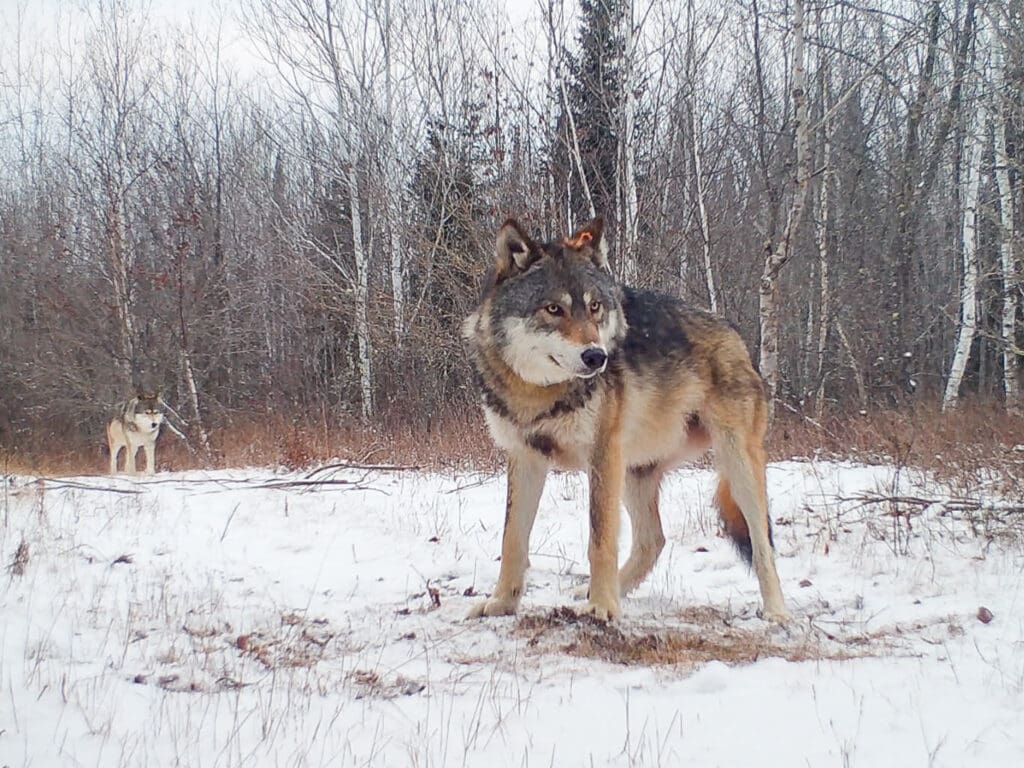
Funding for the Voyageurs Wolf Project’s trail camera program is significantly supported by the Minnesota Environment and Natural Resources Trust Fund. This vital funding mechanism allows for the deployment and maintenance of advanced monitoring equipment, enabling researchers to meticulously document wildlife, including elusive species like the Canada lynx. The data collected contributes to essential scientific research, aiding in conservation strategies and informed management of these precious natural resources. The project’s work is not only crucial for understanding wolf populations but also for cataloging the presence and activity of a wide array of forest-dwelling creatures.
Beyond the Lynx: A Glimpse into the Park’s Wildlife
While the lynx sighting has garnered significant attention, the Voyageurs Wolf Project’s trail cameras consistently capture a diverse array of wildlife. These cameras act as silent observers, documenting the daily lives of the park’s inhabitants, from large mammals to smaller, more secretive creatures. The footage shared from the project often includes glimpses of deer, foxes, coyotes, various bird species, and, of course, the wolves for which the project is named. These supplementary images provide a broader context for the ecological health of Voyageurs National Park and highlight the interconnectedness of its ecosystem.
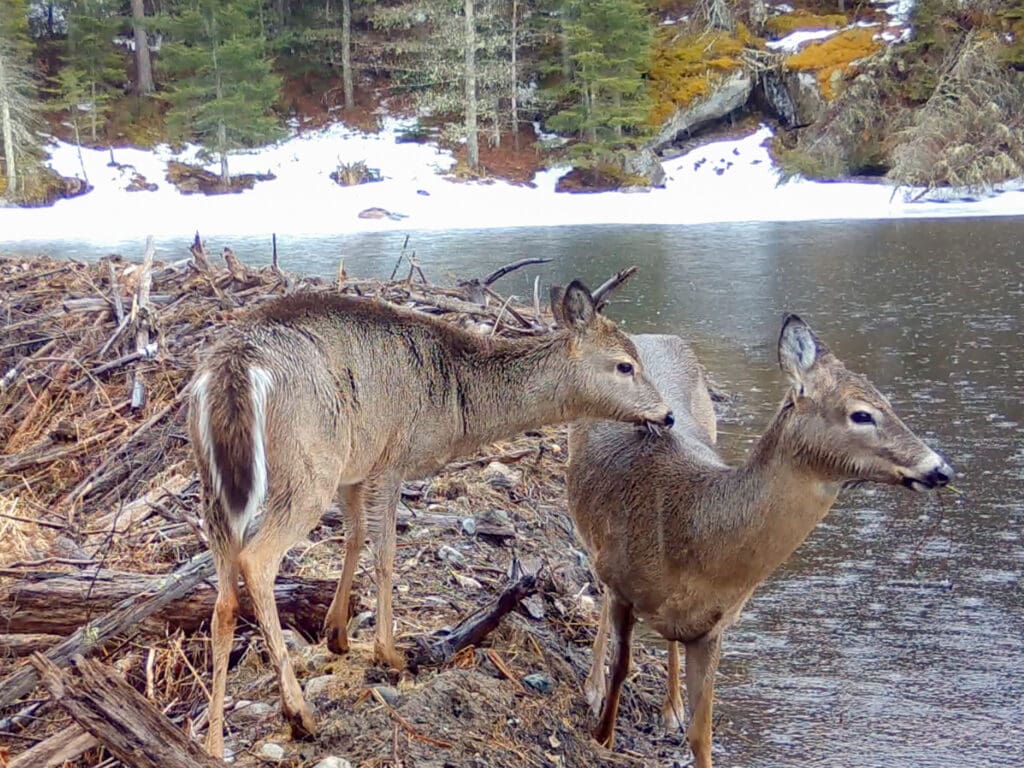
The provided images, captured through the project’s extensive network, offer a compelling visual narrative of the park’s rich biodiversity. They showcase a range of species, from the majestic to the more common, all contributing to the intricate tapestry of life in this northern wilderness. Each photograph serves as a testament to the success of the monitoring program and the enduring wildness of Voyageurs National Park.
The Significance of the Lynx Sighting
The appearance of a Canada lynx in front of a trail camera is more than just a visually striking event; it is a significant indicator of the health and resilience of the boreal ecosystem. Lynx are sensitive to habitat fragmentation and prey availability, particularly their reliance on snowshoe hares. Their presence suggests that the extensive forests and varied terrain of Voyageurs National Park continue to provide suitable habitat for these specialized predators.

Furthermore, the successful identification of the lynx by the Voyageurs Wolf Project highlights the effectiveness of their research methodologies. Accurate species identification is critical for ecological studies, allowing researchers to draw meaningful conclusions about population trends, habitat use, and the overall health of the environment. The project’s ability to differentiate lynx from bobcats, for instance, contributes to a more nuanced understanding of the predator-prey dynamics within the park.
Broader Implications for Conservation and Research
The data gathered by the Voyageurs Wolf Project has far-reaching implications for wildlife conservation not only in Minnesota but across the broader North American boreal region. By understanding the presence, distribution, and behavior of key species like the Canada lynx and wolves, conservationists can develop more effective strategies for habitat protection and wildlife management. The Minnesota Environment and Natural Resources Trust Fund’s support for such initiatives is crucial, enabling long-term research that informs policy and ensures the preservation of these vital ecosystems for future generations.

This remarkable lynx sighting serves as a powerful reminder of the wildness that still exists in our world and the importance of protecting these last wild places. It underscores the value of dedicated research and the role that technology, such as trail cameras, plays in unlocking the secrets of the natural world. As the Voyageurs Wolf Project continues its work, each captured image and video clip adds another piece to the complex puzzle of understanding and conserving the magnificent biodiversity of Voyageurs National Park. The haunting gaze of the lynx, frozen in time by a camera’s lens, is a compelling call to appreciate and protect the wild heart of Minnesota.

