
As the first snowflakes begin to dust the peaks of the Rocky Mountains and the Alps, millions of recreational skiers prepare for their annual pilgrimage to the slopes. However, for many, the realization that they are physically unprepared for the rigors of downhill skiing often arrives too late—frequently in the form of burning quadriceps on the first run or, more severely, a season-ending injury. According to Dr. Kevin Stone, an orthopedic surgeon at The Stone Clinic in San Francisco and a former physician for the U.S. Ski Team, the optimal window for pre-season training does not open in November; it begins the moment the previous season concludes.
The physiological demands of skiing are unique, requiring a combination of explosive power, eccentric muscle control, and cardiovascular endurance. Dr. Stone emphasizes that the traditional "cramming" of exercises in the weeks leading up to a trip is a suboptimal strategy. Instead, a year-round approach to "total body fitness" has replaced the older, more rigid models of sport-specific isolation training. By maintaining a baseline of strength and agility throughout the spring and summer, athletes can avoid the "start from zero" phenomenon that plagues seasonal vacationers.
The Chronology of Seasonal Preparation
To understand the ideal preparation timeline, one must look at the physiological cycle of an alpine athlete. In the immediate "off-season" (April through June), the focus remains on maintenance. Dr. Stone suggests that rather than grueling, ski-specific drills, athletes should engage in activities they enjoy, such as cycling, trail running, or swimming. This period is less about mimicking the motion of a ski turn and more about maintaining the "quad strength" and aerobic capacity built during the winter.
As the calendar turns to late summer and early autumn (August through October), the training should transition into more dynamic movements. This is the period where the "king of ski fitness"—the dynamic squat—takes center stage. Unlike a static gym squat, a dynamic side-to-side squat reproduces the lateral forces and terrain variations inherent in skiing. This phase is critical for "pre-hab," or pre-habilitation, which prepares the joints for the high-impact loads they will soon face. By the time November arrives, the focus shifts from building muscle to mental sharpening and equipment audits.
The Biomechanics of the Dynamic Squat and Total Body Fitness
The shift toward total body fitness reflects a broader evolution in sports medicine. Historically, skiers were encouraged to focus almost exclusively on leg strength. Modern research, however, indicates that core stability and upper-body balance are equally vital in preventing the "backseat" skiing posture that often leads to ACL tears.
Dr. Stone argues that the most efficient exercise for any skier remains the dynamic squat. "If your goal is to be a dynamic skier, then exercises you do that reproduce the sport are a better use of your time," Stone noted in a recent SnowBrains Podcast appearance. The lateral movement involved in these squats trains the neuromuscular system to react to the unpredictable "chatter" of icy slopes or the heavy resistance of deep powder. Furthermore, engaging in these activities in a group setting is highly recommended. Social fitness environments tend to increase intensity and consistency, two factors that are paramount for long-term athletic retention.
The Cognitive Element: Mental Errors as a Catalyst for Injury
While physical conditioning is the foundation of safety, Dr. Stone highlights a frequently overlooked factor: the mind. Data from The Stone Clinic suggests that a significant plurality of skiing injuries are not the result of mechanical failure or lack of muscle power, but rather mental lapses. "The most common cause of sports-related injuries we see are mental errors," Stone explains.
Injuries often occur when a skier’s focus drifts from the immediate terrain to external distractions, such as social dynamics or evening plans. There is a documented phenomenon among injured athletes who report a "premonition" or a sense that "something was off" just seconds before an accident. This suggests that proprioception—the body’s ability to sense its position in space—is heavily influenced by cognitive load. To mitigate this, experts suggest "putting your mind in the game" before clicking into bindings, treating the first few runs with a high degree of mindfulness to calibrate the brain to the snow conditions.
The Role of Modern Equipment in Injury Mitigation
For decades, a segment of the skiing community believed that high-performance required "suffering" through rigid, stiff boots and heavy skis. Dr. Stone asserts that this mindset is not only outdated but dangerous. Advances in materials science have revolutionized gear, making modern equipment significantly safer than its predecessors from even a decade ago.
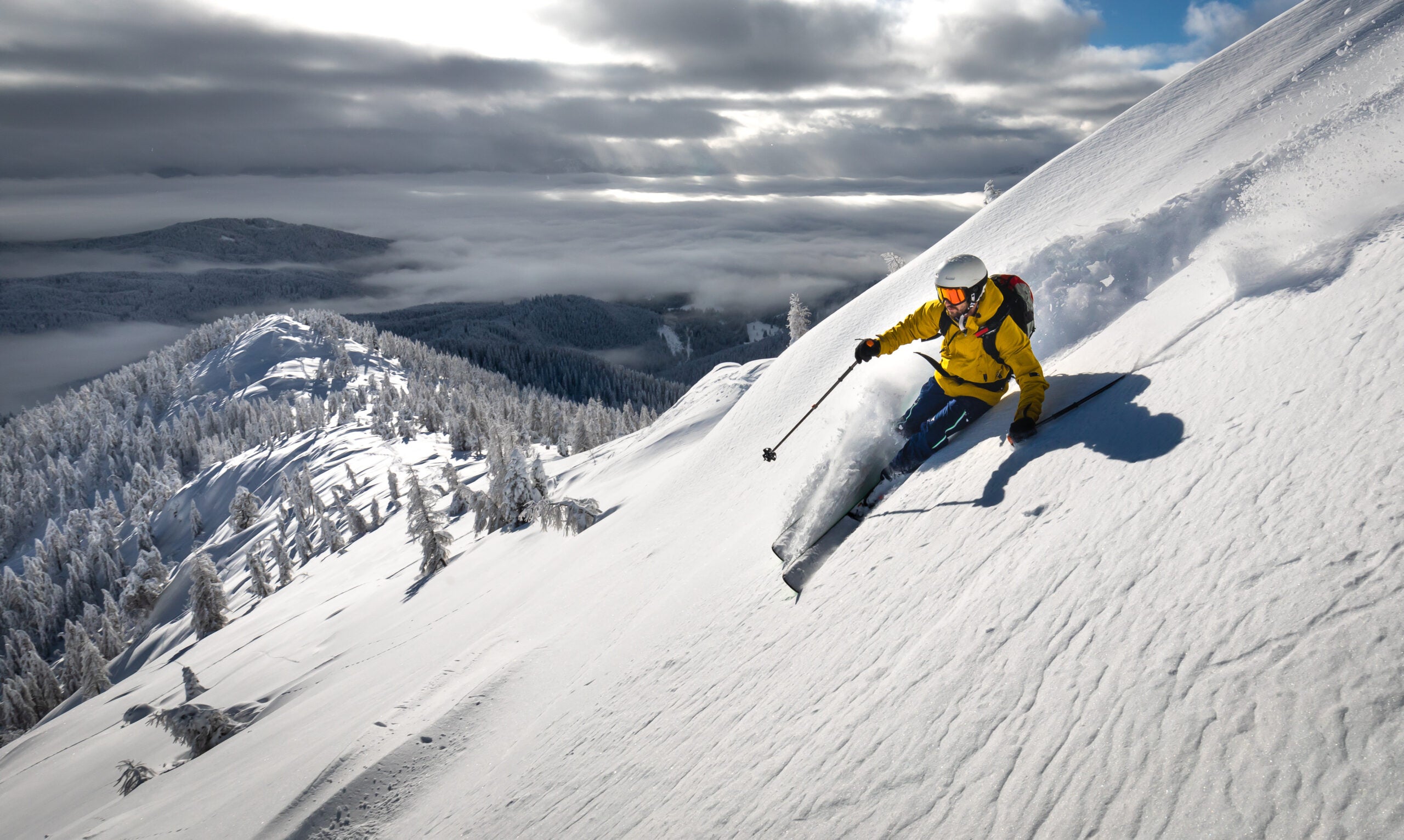
A critical recommendation for 90 percent of recreational skiers is the transition to a softer-flexing boot. While professional racers require extreme rigidity for millisecond response times, the average skier benefits from a boot that permits ankle and knee flexion. This flexibility allows the skier to maintain a forward-leaning, athletic stance, which is the primary defense against knee injuries. Furthermore, modern "step-in" technologies and advanced binding release systems have become more sophisticated in distinguishing between a high-pressure turn and a bone-breaking torque, significantly reducing the incidence of tibia fractures.
Demographic Injury Patterns: Youth vs. Experience
The types of injuries treated at specialized clinics like Dr. Stone’s often fall into distinct demographic categories. In younger, more aggressive skiers, the most common diagnoses include:
- Torn ACLs and Meniscus Cartilage: Usually resulting from high-velocity "catch-and-twist" incidents.
- Shoulder Dislocations and Rotator Cuff Tears: Often caused by "outstretched hand" falls on hardpack snow.
In these cases, Stone advocates for a "fitter, faster, stronger" recovery philosophy. For ACL reconstructions, he specifically recommends the use of donor tissue (allografts) over autografts (taking tissue from the patient’s own hamstring or patellar tendon). The rationale is that harvesting a patient’s own tissue can weaken the knee’s secondary stabilizers, potentially hindering their ability to hold a firm edge on ice post-recovery.
Conversely, older skiers—often referred to as the "Silver Skiers"—frequently battle degenerative conditions like osteoarthritis. For this demographic, the goal is often "joint preservation" rather than replacement.
The Revolution in Biologics and Joint Preservation
One of the most significant shifts in orthopedic medicine is the use of biologics to extend the "skiing life" of aging athletes. Dr. Stone notes that injections of hyaluronic acid (lubricants) and Platelet-Rich Plasma (PRP) have allowed patients with "bone-on-bone" arthritis to continue skiing into their 80s and 90s.
These treatments work by recruiting the body’s own signaling cells to reduce inflammation and improve joint lubrication. "I have many patients who come in just before ski season… and say, ‘Doc, that injection got me through the ski season last year—let’s do it again,’" Stone says. By delaying total joint replacements through these "bio-lubrication" techniques, skiers can maintain their natural joint mechanics for as long as possible, which is crucial for the complex balance required in alpine sports.
Broader Implications for the Ski Industry and Public Health
The move toward year-round fitness and advanced medical intervention has broader implications for the ski industry. As the "Baby Boomer" generation remains active longer, resorts are seeing a shift in demographics. This necessitates a greater focus on "safety-first" mountain management and a demand for high-quality medical facilities near ski hubs.
Furthermore, the economic impact of skiing injuries is substantial. A season-ending injury doesn’t just affect the individual; it impacts resort revenue, equipment sales, and local tourism. By promoting a culture of "pre-hab" and mental focus, the industry can ensure a more sustainable and safer environment for its patrons.
Ultimately, the message from the medical community is clear: skiing is an inherently high-risk sport, but it is also one of the most rewarding forms of physical activity. The secret to longevity on the mountain lies in a holistic approach that treats the body as a year-round machine. Whether it is through the adoption of softer, more responsive boots, the use of regenerative injections, or simply the commitment to a daily dynamic squat, the tools to ski "fitter, faster, and stronger" are more accessible than ever before. For those who miss the seven-month training window, the time to start is not tomorrow, but today.

