
The Swedish orienteering team, renowned for its dominance in the sport, faces a significantly altered lineup as the World Cup circuit commences in Locarno, Switzerland, from April 24th to 26th. A notable absence of several of the nation’s top sprinters, including the reigning World Cup champion, a current sprint world champion, and a former European champion, has reshaped expectations for the opening event. This strategic withdrawal by key athletes highlights a broader trend within Swedish orienteering, where a distinct preference for forest and mountain terrain often takes precedence over urban sprint disciplines.
Tove Alexandersson Prioritizes Trail Running Over Urban Sprints
Perhaps the most keenly felt absence is that of Tove Alexandersson, a name synonymous with orienteering excellence. Alexandersson, a multi-time World Champion and the reigning World Cup winner, has once again opted to forgo the sprint format in urban environments. This decision aligns with her continued dedication to trail running in mountainous terrain, a discipline where she has established unparalleled dominance on the global stage. Her focus this spring remains on these more rugged, natural landscapes, a strategic choice that sidelines her from the World Cup sprint races. This commitment to trail running underscores Alexandersson’s versatility and her pursuit of challenging, varied environments within the sport. Her consistent success in both forest and mountain disciplines has cemented her legacy as one of the greatest orienteers of all time, and her strategic choices reflect a long-term vision for her athletic career.
Max Peter Bejmer Shifts Focus to Forest Distances
Another significant absentee is Max Peter Bejmer, the victor of last season’s World Cup. Bejmer secured the overall title in a thrilling final against Norway’s Kasper Fosser, a dramatic conclusion that went down to the wire in a knockout sprint in Switzerland. Their intense rivalry, stemming from their days as teammates at IFK Göteborg, captivated audiences. However, this season, Bejmer will not be present to defend his title in the Swiss setting. The Swedish Orienteering Federation has confirmed that Bejmer has also chosen to concentrate his efforts on forest-based disciplines, indicating a strategic pivot away from the sprint format. This decision is a notable one, given his recent World Cup success in sprint events. His shift in focus suggests a desire to broaden his competitive scope or to dedicate more energy to areas where he believes he can achieve further success.
Health and Personal Milestones Impact Team Composition
Beyond these strategic choices, other factors have led to the absence of prominent Swedish sprinters. Martin Regborn, the 2024 World Champion in sprint orienteering, is currently sidelined due to illness. This unfortunate circumstance prevents the experienced runner from Örebro from competing in Locarno. Adding to the list of notable absentees is Sara Hagström, a former European Champion and sister to the well-known cross-country skier Johanna Hagström. Hagström is currently pregnant and will not be participating in spring competitions. These personal circumstances, while regrettable for the team’s sprint ambitions, are understandable and reflect the diverse paths athletes pursue.
Karolin Ohlsson’s Return Bolsters the Women’s Squad
Despite the significant withdrawals, Sweden still fields a formidable team, considered one of the strongest in the World Cup. A significant boost for the women’s squad is the return of Karolin Ohlsson. Ohlsson, who earned a silver medal in the knockout sprint at the 2024 World Championships in Scotland, is making a comeback after becoming a mother and undergoing surgery for a hip injury. Her return is timely, and her form has been demonstrated by her victory in the Swedish League sprint selection race in Rinkeby, Stockholm. Ohlsson’s experience and proven ability in sprint events will be crucial for the Swedish women’s team as they navigate the early stages of the World Cup. Her journey back to elite competition after personal milestones and injury serves as an inspiring narrative for the sport.
National Team Leadership Expresses Optimism Amidst Absences
Håkan Carlsson, the Swedish National Team Director, acknowledged the impact of these absences while maintaining a positive outlook. "Despite the absence of some highly decorated athletes, we are fielding a strong Swedish team for the World Cup premiere," Carlsson stated in a press release. "It will be exciting to see where we stand after the winter. The feeling is that many runners from various countries are very strong heading into the upcoming season." This statement suggests an awareness of a competitive landscape that is constantly evolving, with other nations also showing significant strength. Carlsson’s anticipation of a challenging season highlights the depth and breadth of talent emerging across the international orienteering community.
Carlsson further expressed enthusiasm for the upcoming event in Switzerland. "The Swiss always provide exciting and well-organized competitions, so we are really looking forward to starting the international season," he added. The opening leg of the World Cup in Locarno promises a demanding program. Competition begins on Friday, April 24th, with an individual sprint race that also serves as a qualifier for the knockout sprint on Sunday. Saturday will feature a sprint relay, with Sweden able to field four teams. This format offers multiple opportunities for the Swedish team to showcase their strengths and accumulate valuable World Cup points.
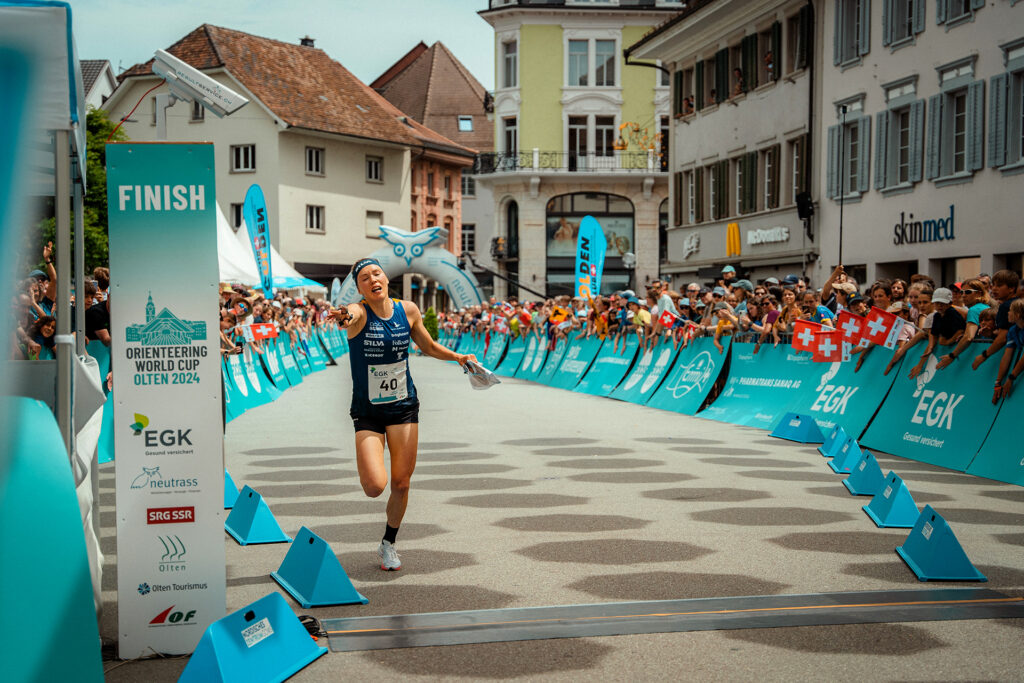
The Swiss World Cup: A Detailed Look at the Locarno Program
The Locarno World Cup event is structured to test athletes across various sprint formats. The opening day, Friday, April 24th, will see an individual sprint race. This format typically involves a longer course designed to challenge athletes’ navigation skills and speed over a sustained distance in an urban or semi-urban environment. Crucially, this individual sprint also serves as a qualification event for the highly anticipated knockout sprint on Sunday. The knockout sprint is a dynamic and exciting format that sees runners compete in heats, with progressively fewer athletes advancing through each stage until a champion is crowned. This format often leads to thrilling head-to-head battles and unexpected outcomes.
Saturday, April 25th, is dedicated to the sprint relay. This team-based event requires exceptional coordination and consistency from all team members. Each runner completes a leg of the relay, and the cumulative time determines the team’s final standing. Sweden’s ability to field four teams in this event underscores the depth of their roster, even with some key individuals absent. The sprint relay is a highly tactical discipline, demanding not only individual speed but also seamless transitions between teammates.
Understanding the World Cup Scoring System
The World Cup points system is designed to reward consistent performance throughout the season. In the individual World Cup competitions, the winner receives 100 points, with points awarded to the top 40 finishers. This structure incentivizes athletes to compete in multiple events and aim for strong placings across the circuit. While sprint events form the core of the Locarno competition, the overall World Cup standings are influenced by results across various disciplines and terrains. The team competition, including the sprint relay, operates under its own set of rules, with relay performances contributing significantly to the overall team standings. This multi-faceted scoring system ensures that a variety of skills and strategic approaches are rewarded throughout the World Cup season.
Swedish Squad for the Locarno World Cup
Women:
- Eleonora Alinder, Göteborg-Majorna OK
- Alva Björk, OK Pan-Kristianstad
- Sanna Fasth, IFK Göteborg
- Vilma von Krusenstierna, OK Käre Falun
- Hanna Lundberg, OK Renen Lulå
- Karolin Ohlsson, Järla Orientering
- Alva Sonesson, Falköpings AIK
- Frida Vikström, Sundsvalls OK
- Reserve: Elsa Sonesson, Falköpings OK
Men:
- Gustav Bergman, OK Ravinen (Initially listed, but later replaced by a reserve due to illness)
- Axel Granqvist, OK Ravinen
- Isac von Krusenstierna, OK Käre Falun
- Jonatan Gustafsson, KFUM Örebro
- August Möllén, OK Denseln
- Gustav Runefors, IFK Göteborg
- Emil Svensk, Stora Tuna OK
- Viktor Svensk, Stora Tuna OK
- Reserve: Albin Warvelin, NTNUI (Stepping in for the ill Gustav Bergman)
The inclusion of a reserve for Gustav Bergman, who was initially listed but later had to withdraw due to illness, highlights the dynamic nature of team selections in elite sports. Albin Warvelin’s addition to the men’s team underscores the depth of talent available within the Swedish orienteering system. The team composition, even with notable absences, reflects a strategic blend of experienced athletes and emerging talent, poised to compete at the highest level. The participation of brothers Emil and Viktor Svensk from Stora Tuna OK adds a compelling narrative to the men’s team, showcasing the strong orienteering tradition within their club.
Broader Implications for the World Cup Season
The significant presence of Swedish athletes in the sport of orienteering means that their absences, even in specific disciplines, will undoubtedly be noted by competitors and followers of the sport. However, the continued participation of a strong Swedish contingent ensures that the World Cup remains highly competitive. The strategic decisions made by top athletes like Alexandersson and Bejmer to prioritize different terrains or disciplines reflect the evolving nature of elite orienteering, where specialization and long-term career planning play a crucial role. This also presents an opportunity for athletes from other nations to step into the spotlight and gain valuable World Cup points. The Locarno event, therefore, serves not only as the season opener but also as an indicator of the shifting dynamics and emerging talents within the international orienteering community. The focus on sprint disciplines in this opening leg also sets a specific tone for the early part of the season, potentially influencing training strategies for athletes and teams preparing for subsequent events. The Swiss organization’s reputation for excellent event management further amplifies the anticipation for a successful and well-executed World Cup start.

