
The physiological demands of alpine skiing require a level of physical preparedness that extends far beyond the winter months, yet a significant portion of the skiing population remains seasonal in their approach to fitness. While the average ski season in North America spans approximately five to six months, the muscular and neurological adaptations required to navigate high-velocity descents, uneven moguls, and variable powder conditions necessitate a year-round commitment to "ski shape." Professional trainers and sports kinesiologists increasingly advocate for a "pre-habilitation" model—a proactive approach to strength and conditioning designed to mitigate the inherent risks of a high-impact sport while maximizing performance longevity.

Building a solid foundation of functional strength is not merely about aesthetic muscle gain; it is a critical strategy for preventing common orthopedic injuries, particularly those involving the anterior cruciate ligament (ACL), the lower back, and the hip complex. According to data from the National Ski Areas Association (NSAA), while overall injury rates have declined over the past several decades due to improvements in binding technology, knee and back strains remain the most prevalent issues for recreational skiers. By implementing a targeted off-season regimen, athletes can ensure that their bodies are prepared to absorb the eccentric loads and rotational forces that define the sport.
The Side Plank Diagnostic: Assessing Lateral Chain Integrity
Before embarking on a rigorous training program, it is essential to establish a baseline of current physical capabilities. One of the most effective, low-equipment assessments for skiers is the Side Plank Test. While the standard plank evaluates the anterior core, the side plank specifically targets the lateral chain, including the obliques, the quadratus lumborum, and the gluteus medius. These muscles are the primary stabilizers when a skier is on edge, providing the lateral resistance necessary to maintain a line through a turn.
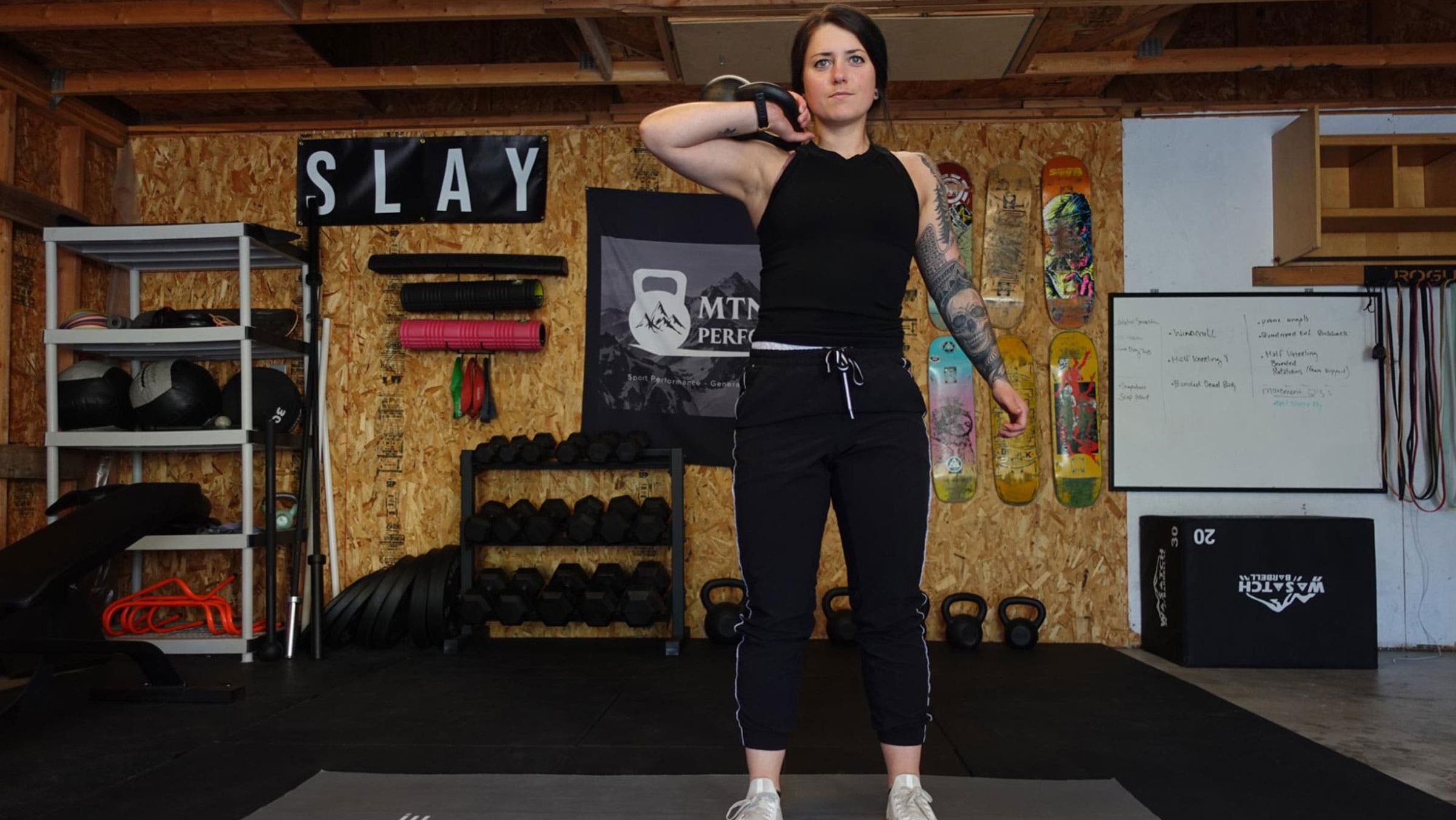
The Side Plank Test serves as a diagnostic tool to identify asymmetries and weaknesses in the trunk and hips. In a sport where weight is constantly shifting from one leg to the other, any imbalance in lateral strength can lead to compensatory movements. These compensations often manifest as "knee valgus" (the knee caving inward) or excessive spinal flexion, both of which are primary precursors to acute injury.
To perform the test, an individual lies on their side with the elbow positioned directly beneath the shoulder and the legs stacked. Upon lifting the hips to create a straight line from head to toe, the individual must then flex the top foot and lift it to hip height. For a seasoned skier, the benchmark for functional stability is the ability to complete 10 to 15 controlled repetitions per side. A failure to reach five repetitions—characterized by sagging hips, a collapsing shoulder, or a loss of spinal alignment—indicates a significant deficit in the deep stabilizers required for safe skiing.
The Evolution of Ski Conditioning: From Endurance to Functional Power
Historically, ski preparation focused heavily on cardiovascular endurance and static leg strength, often exemplified by the "wall sit." However, modern sports science has shifted the focus toward multi-planar movements and eccentric control. Skiing is a dynamic activity that occurs in the frontal, sagittal, and transverse planes. Therefore, an effective off-season workout must move beyond linear exercises to incorporate lateral stability, rotational power, and unilateral balance.
The following five exercises represent a comprehensive approach to off-season conditioning, targeting the specific muscle groups and movement patterns essential for the slopes.
1. Lateral Lunges: Building Frontal Plane Robustness
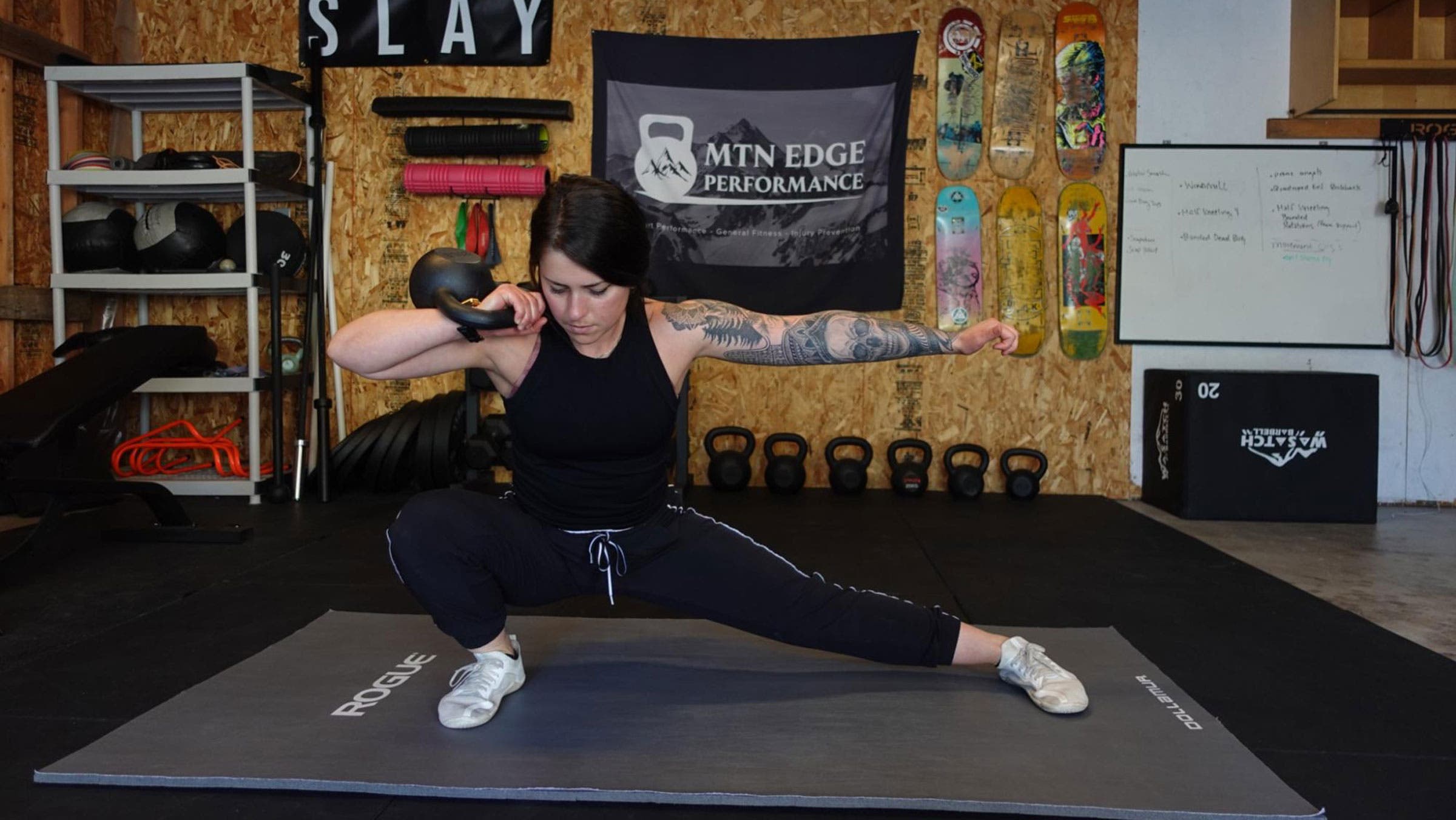
While traditional forward lunges are beneficial, the lateral lunge is far more specific to the mechanics of skiing. When a skier initiates a turn, they are moving their center of mass laterally across their skis. This requires significant strength in the hip abductors and adductors.
The lateral lunge forces the body to manage weight in the frontal plane, strengthening the glutes and the connective tissues around the knee. To execute this movement, one stands with feet hip-width apart and takes a wide step to the side, hinging at the hips and sitting back into the heel of the working leg while keeping the trailing leg straight. For those looking to progress, adding a kettlebell in the "front rack" position introduces a core-stability challenge, mimicking the upright torso required in steep terrain.
2. Step-Ups: Addressing Unilateral Imbalances
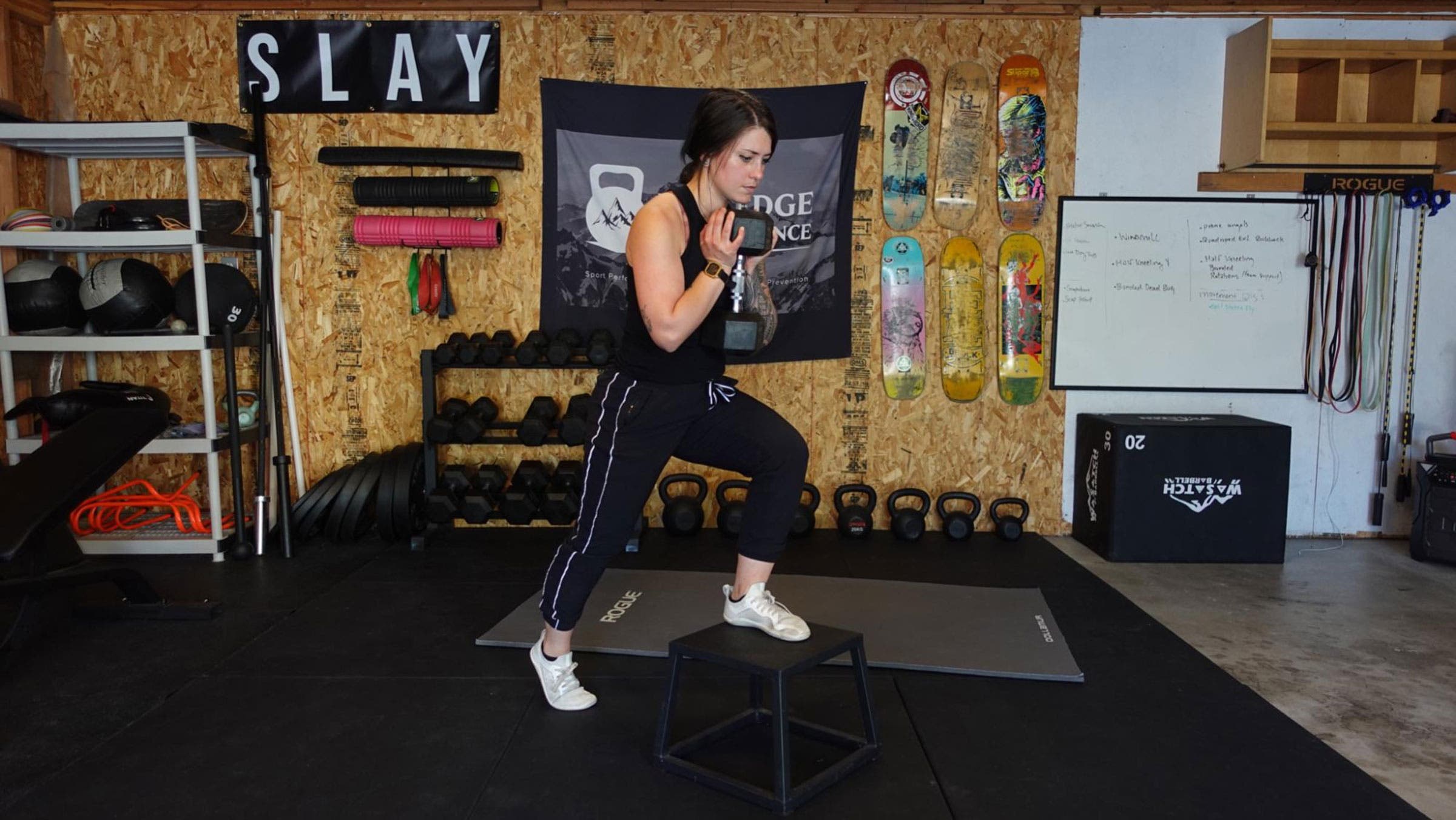
Skiing is essentially a series of unilateral movements; weight is rarely distributed 50/50 between both legs during a turn. Step-ups are an elite tool for developing single-leg power and eliminating strength discrepancies between the dominant and non-dominant leg.
Utilizing a box or bench at knee height, the athlete drives through the heel of the leading foot to elevate the body, focusing on a controlled descent. The "eccentric" or lowering phase of the step-up is particularly important for skiers, as it mimics the way muscles must lengthen under tension when absorbing the shock of a bump or a landing. Research indicates that eccentric strength is one of the single greatest predictors of injury prevention in alpine sports.
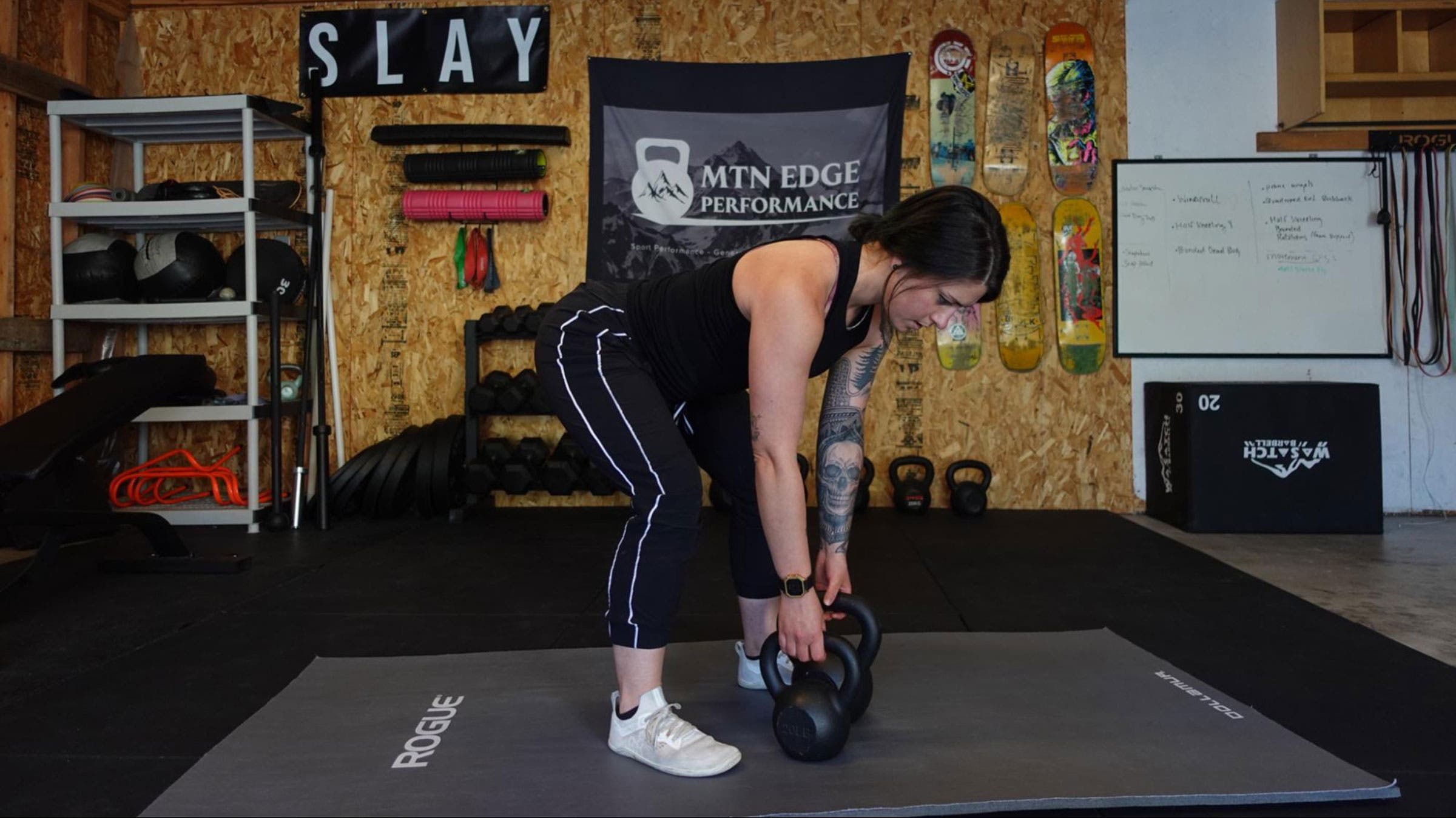
3. Gorilla Rows: Posterior Chain and Impact Absorption
The "Gorilla Row" is a specialized variation of the bent-over row that utilizes a deep hinge position. This exercise is invaluable for skiers because it targets the erector spinae and the lower back—muscles that are constantly engaged to maintain an athletic "ready" stance.
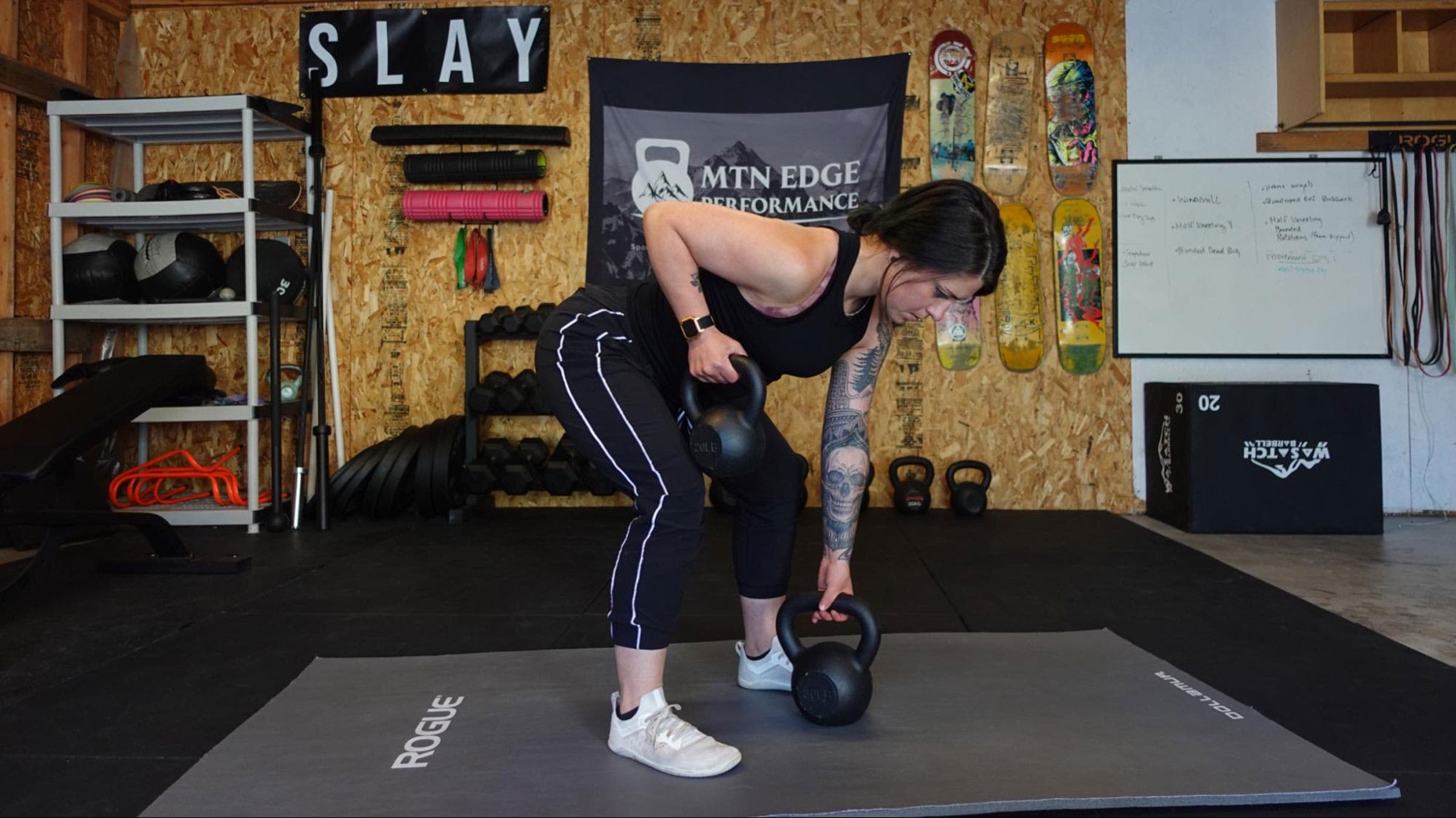
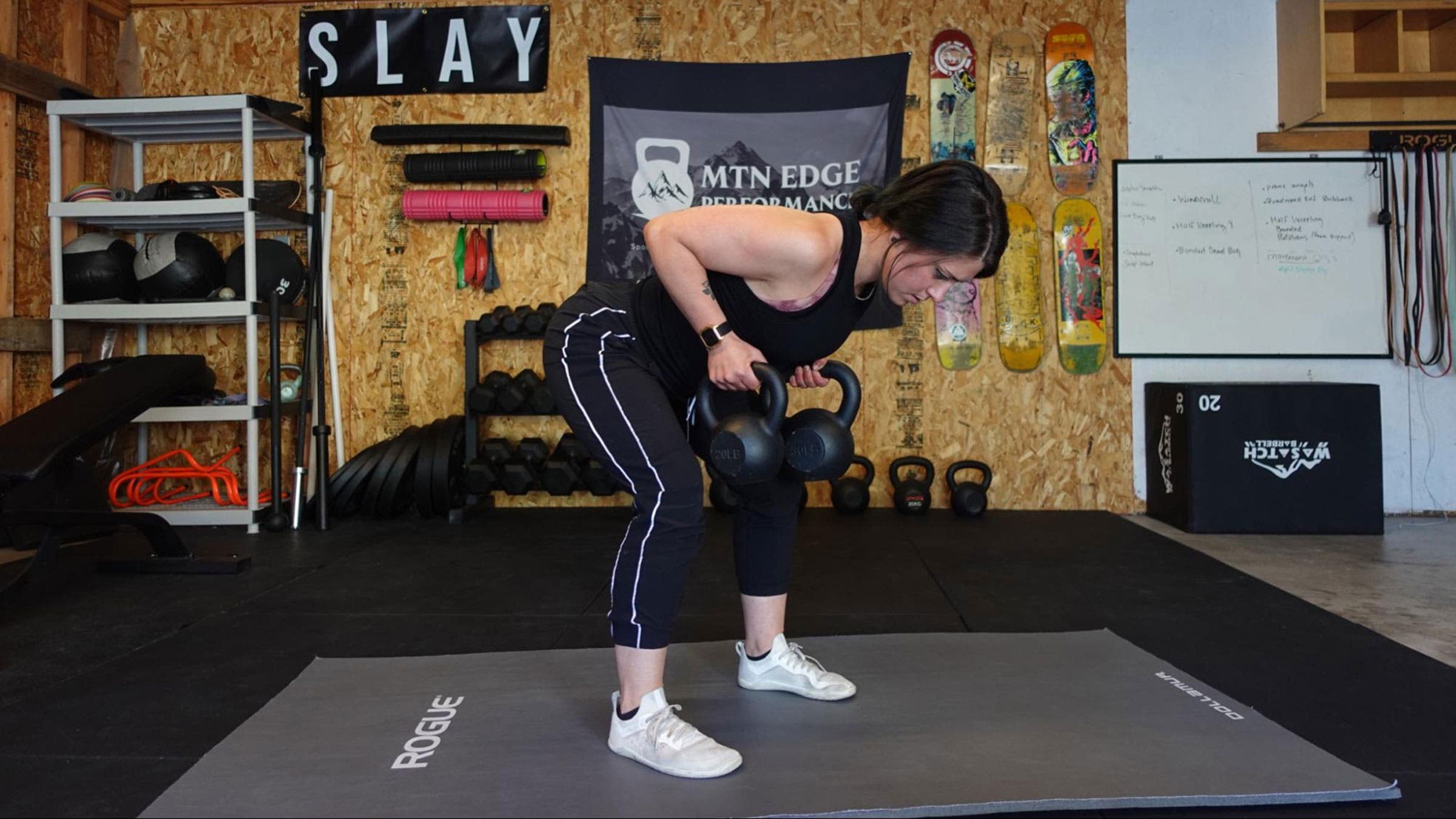
By standing over two kettlebells with a wide stance and a flat back, the athlete rows one weight at a time toward the hip while maintaining a stable, non-rotating torso. This "anti-rotation" element is key; it trains the core to resist twisting forces, which is exactly what happens when a ski catches an edge or hits a patch of ice. Strengthening the deep muscles of the back ensures that the spine can absorb the vertical impact of charging through moguls without succumbing to fatigue-related injury.
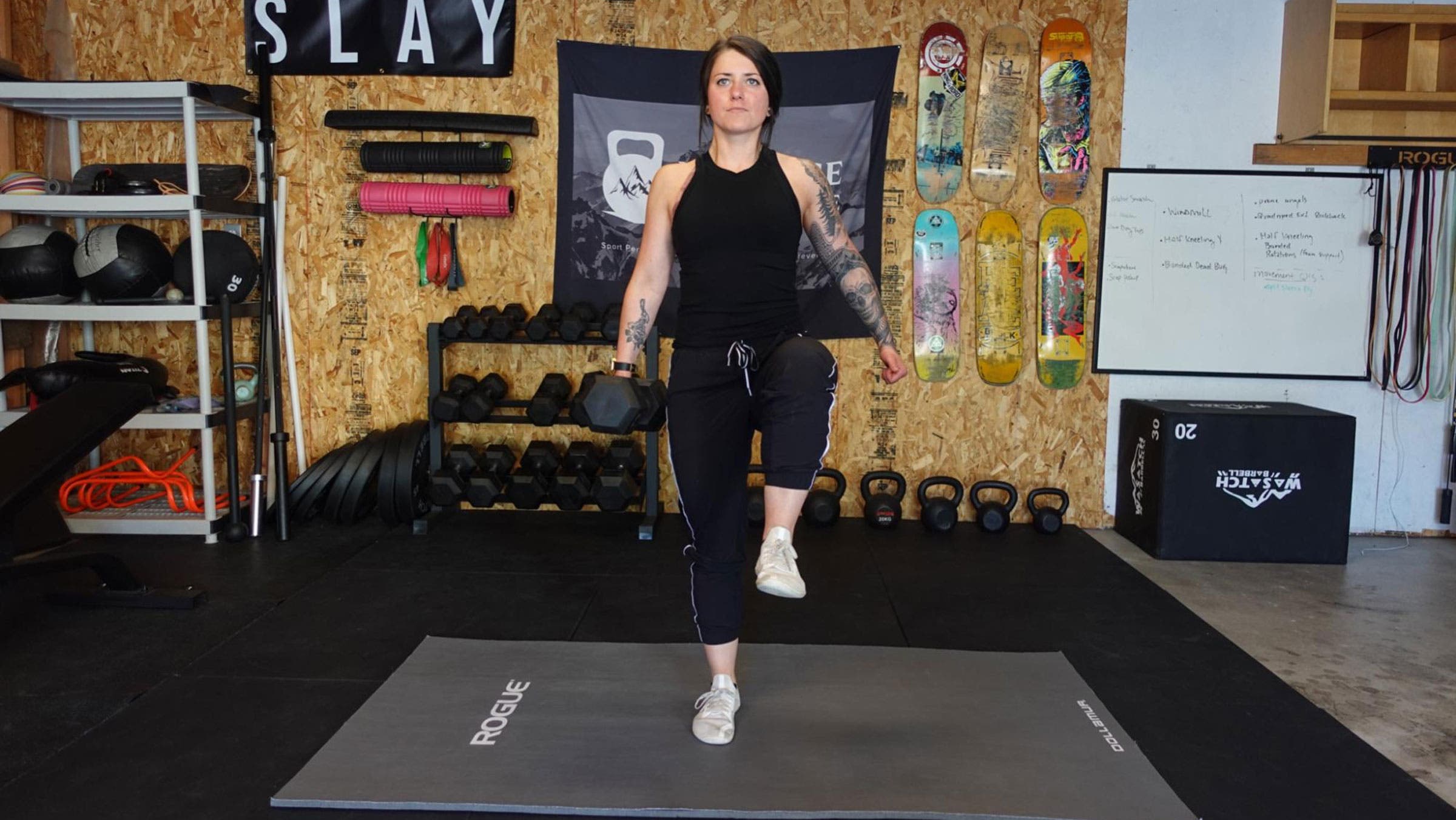
4. Suitcase March: Deep Stabilizer Activation
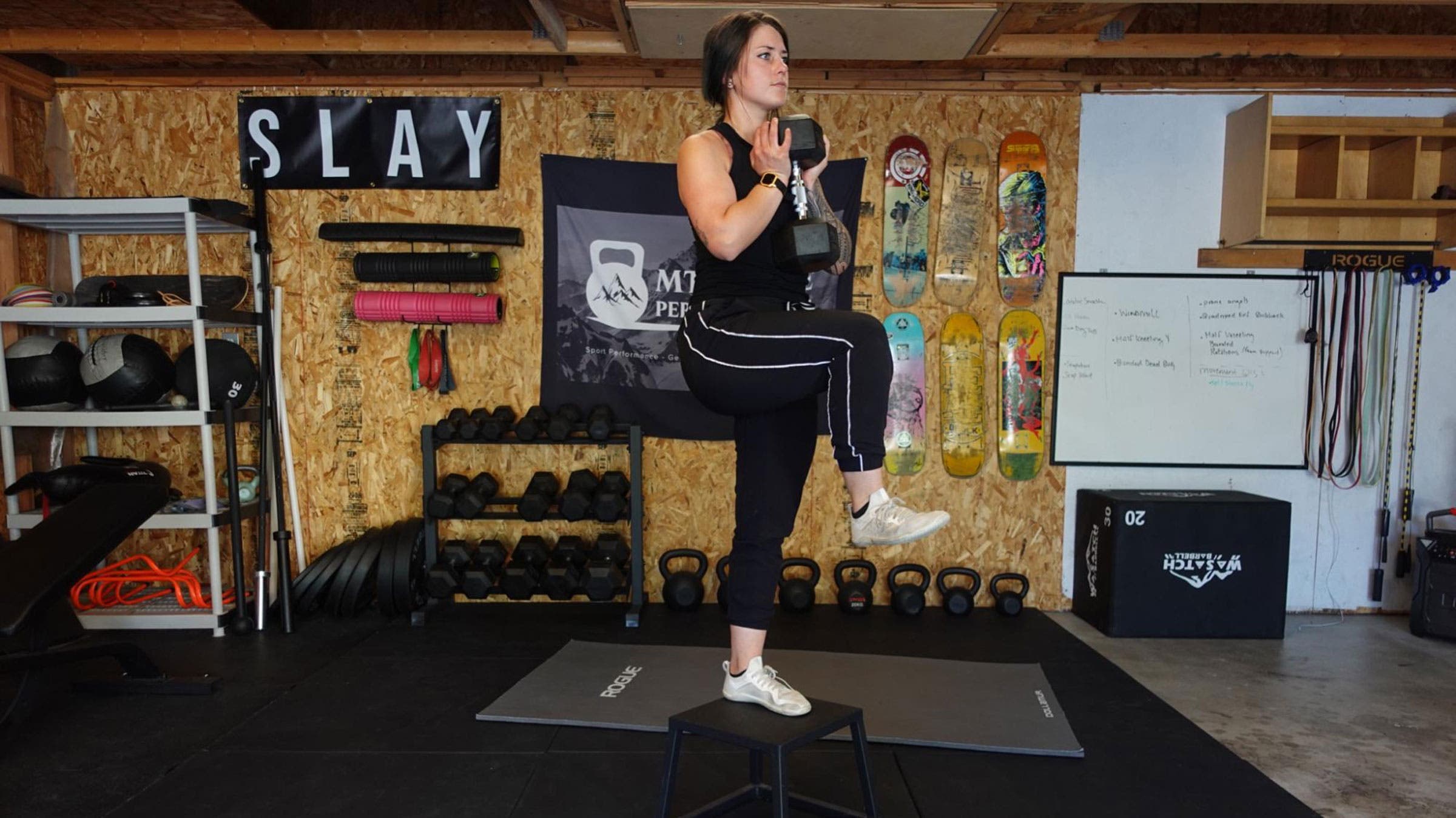
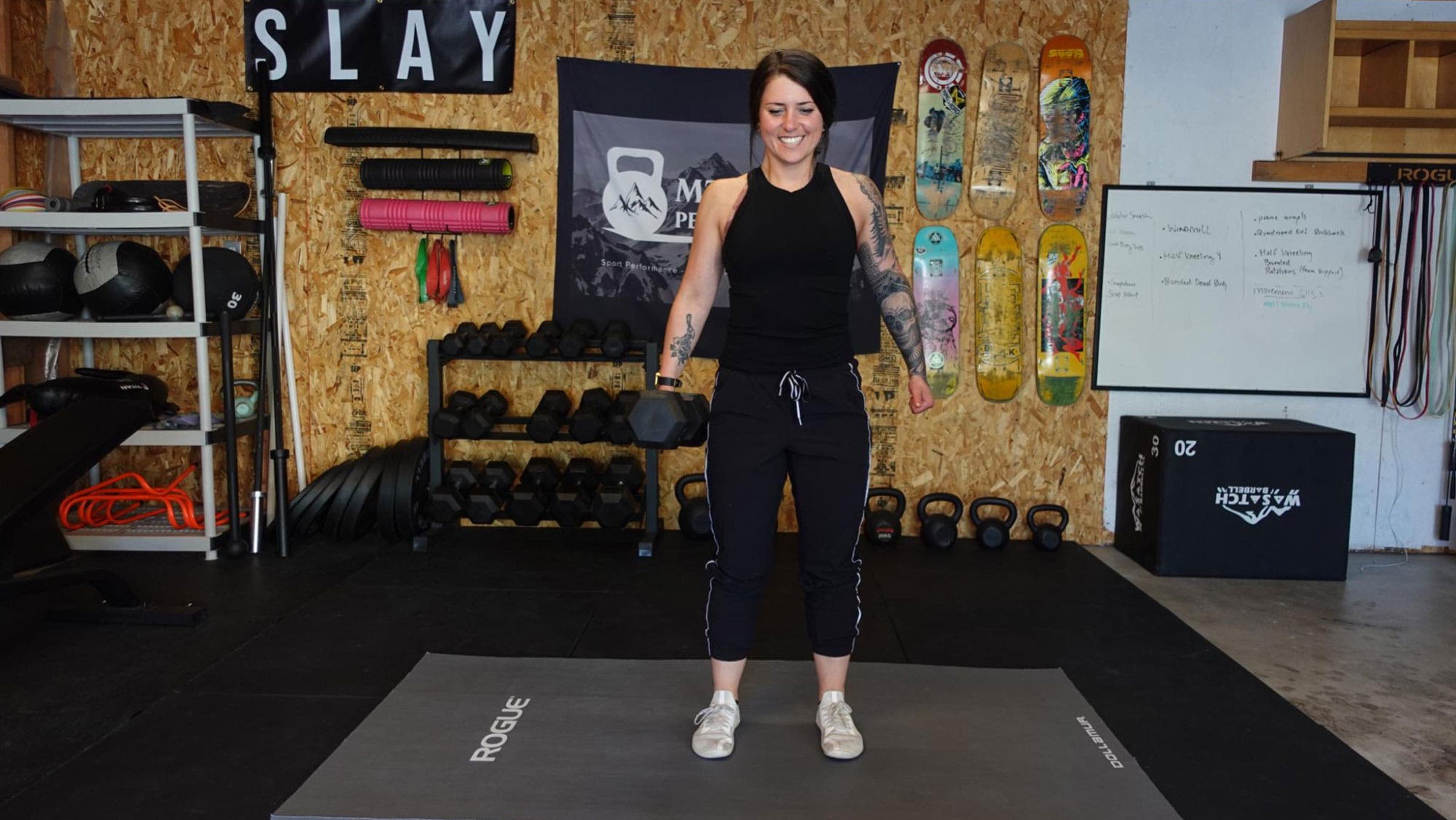
The Suitcase March is a deceptive exercise that focuses on the deep stabilizers of the spine and the pelvis. By holding a heavy weight in only one hand (like a suitcase) and marching in place, the athlete forces the contralateral (opposite) side of the core to work overtime to prevent the torso from leaning toward the weighted side.
This movement directly translates to the mountain, where skiers must maintain a quiet upper body while their lower body navigates complex terrain. Strengthening the internal and external obliques through the Suitcase March provides the "chassis" stability needed to carve powerful turns without losing control of the upper body’s momentum.
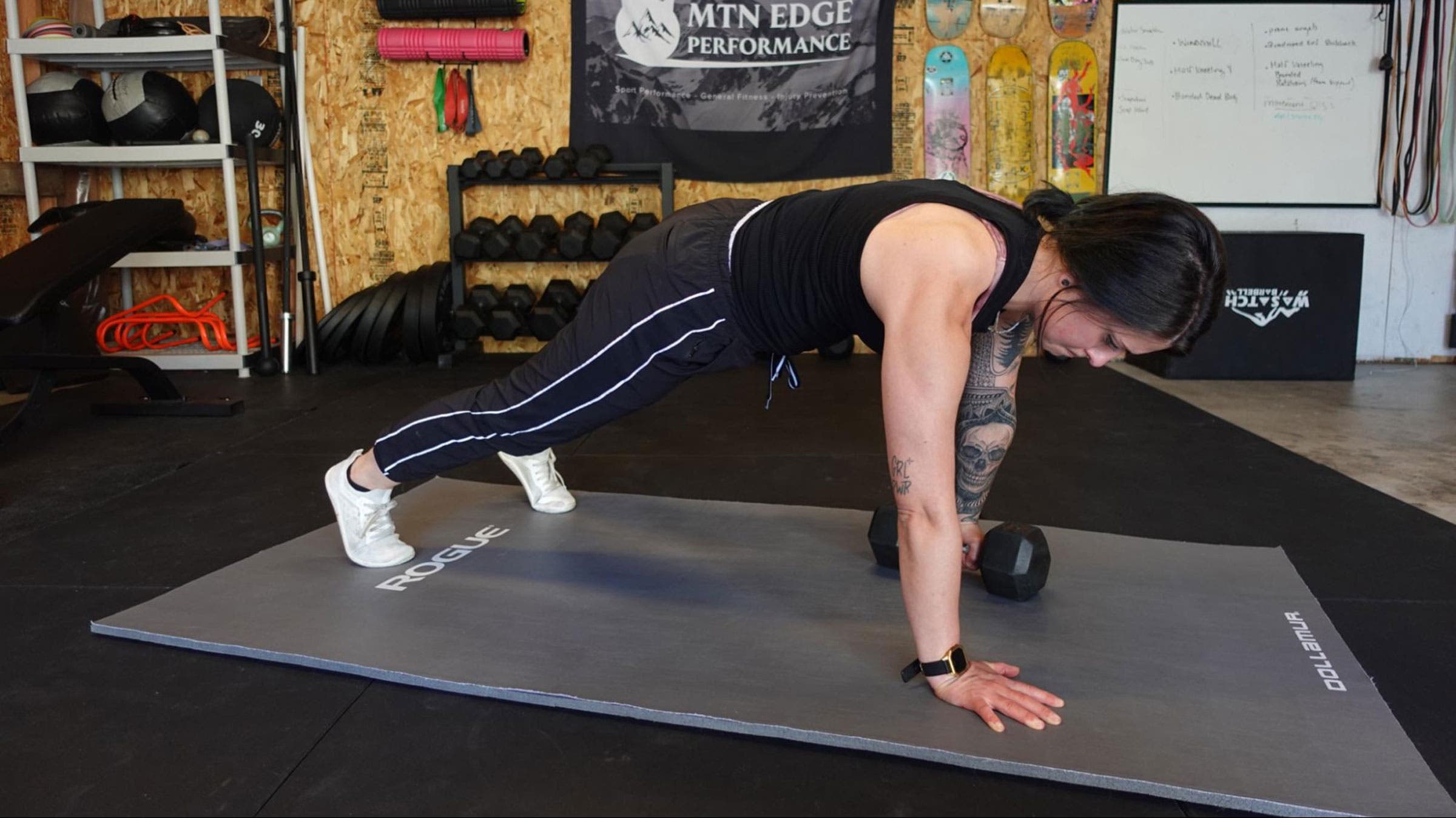
5. Plank Pull-Throughs: Reactive Core Stability
The Plank Pull-Through takes the traditional plank and adds a dynamic component. Starting in a high plank position with a weight placed behind one hand, the athlete reaches across their body with the opposite hand to pull the weight to the other side.
The objective is to keep the hips perfectly level throughout the movement. This exercise trains the "reactive" core—the ability of the abdominal muscles to respond to shifting loads. On the snow, conditions change in milliseconds; a patch of ice or a hidden rock can suddenly shift a skier’s center of gravity. A core trained in pull-throughs is better equipped to "catch" the body and prevent a fall.
Statistical Context and the Economic Impact of Training
The move toward year-round conditioning is supported by a growing body of data regarding the economic and physical costs of ski injuries. A study published in the Journal of Science and Medicine in Sport found that skiers who participated in a structured pre-season strength program reduced their risk of non-contact ACL injuries by nearly 50%.
Beyond the physical toll, the financial implications of seasonal injuries are substantial. With the average cost of an ACL reconstruction and subsequent physical therapy ranging from $20,000 to $50,000 in the United States, the "investment" of time in a preventive workout routine offers a significant return. Furthermore, for the resort industry, "skier days" lost to injury represent a multi-million dollar deficit in annual revenue, prompting many mountain resorts to partner with fitness experts to promote pre-season conditioning to their pass holders.
Analysis of Long-Term Implications: Longevity in the Sport
The shift toward functional, year-round training is fundamentally changing the demographic profile of the sport. Traditionally, skiing was seen as a young person’s game due to the high impact on the joints. However, with the integration of modern kinesiology and targeted strength training, the "master" category of skiers (ages 50+) is one of the fastest-growing segments in the industry.
By focusing on hip mobility, eccentric leg strength, and core stability, older athletes are able to maintain the "ski shape" necessary to continue the sport well into their 70s and 80s. This paradigm shift emphasizes that the body is not a static machine that wears out, but a dynamic system that adapts to the stresses placed upon it.
Conclusion: The Path Forward for the Modern Skier
As the 2025-2026 winter season approaches, the message for enthusiasts is clear: the most important piece of equipment is not the latest carbon-fiber ski or high-flex boot, but the athlete’s own musculoskeletal system. The transition from the "off-season" to the "pre-season" should be seamless, characterized by a consistent dedication to the five pillars of movement: lateral stability, unilateral strength, posterior chain resilience, anti-rotational core power, and reactive balance.
By utilizing the Side Plank Test as a recurring metric and integrating exercises like the Gorilla Row and Lateral Lunge into a weekly routine, skiers can ensure they arrive at the first chairlift of the season not just ready to participate, but ready to excel. In the high-stakes environment of the mountains, strength is the ultimate insurance policy.

