
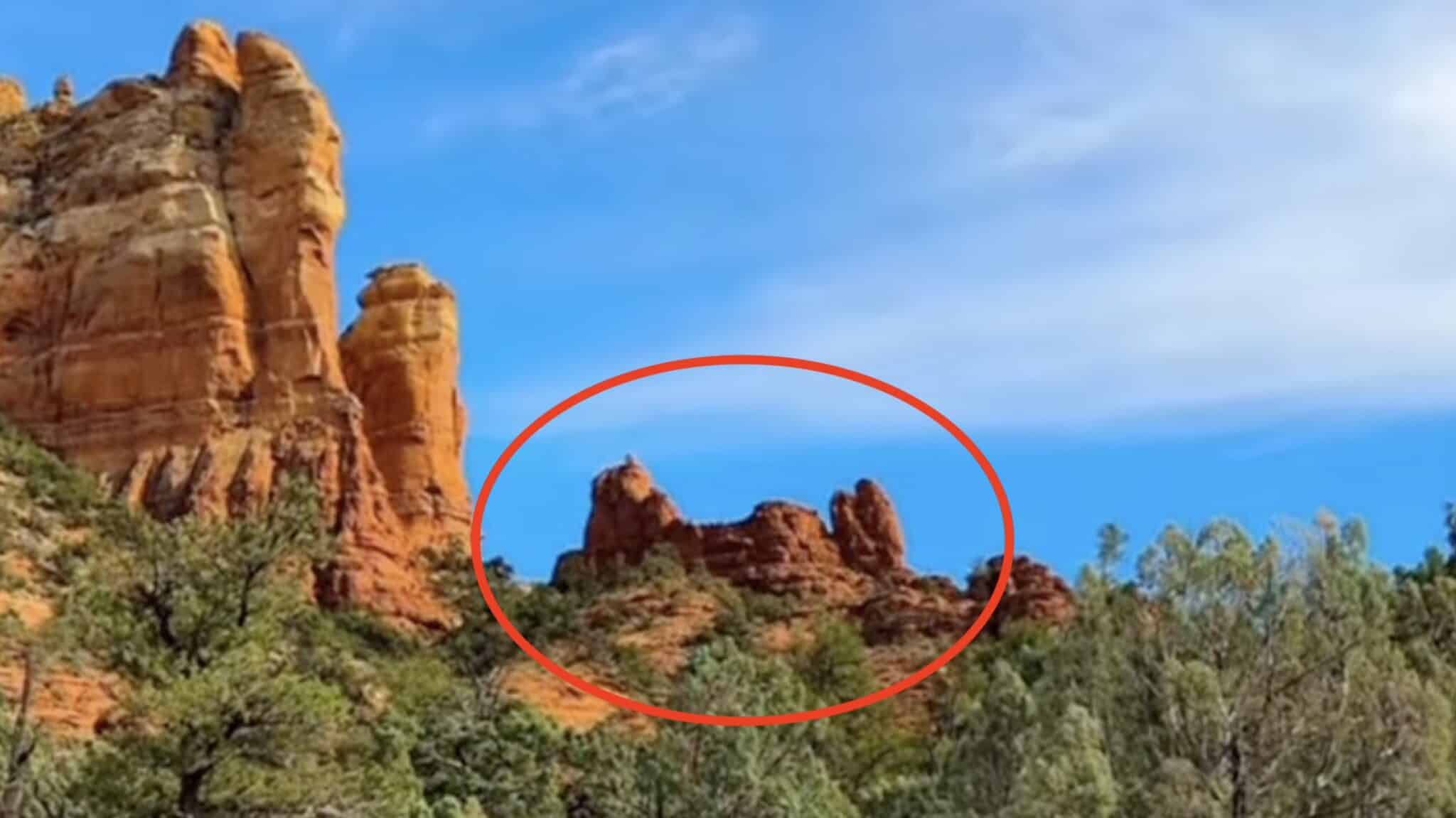
Sedona, Arizona, a destination renowned for its breathtaking crimson landscapes and spiritual vortexes, is home to a geological marvel that has captured the imagination of locals and tourists alike: Snoopy Rock. This distinctive red rock formation, perched on a bluff overlooking the vibrant city, bears an uncanny resemblance to the beloved Peanuts comic strip character, Snoopy, in his iconic pose, lounging on his doghouse with the tiny bird Woodstock perched on his nose. The uncanny likeness has made Snoopy Rock a unique point of interest in an area already brimming with natural wonders.
The Geological Narrative of Snoopy Rock
The formation of Snoopy Rock, like the other iconic red rock formations of Sedona, is a testament to millions of years of geological processes. These towering structures are primarily composed of Permian-era sedimentary rocks, predominantly sandstone, laid down by ancient seas and rivers. Over eons, these layers were uplifted by tectonic forces, forming the Colorado Plateau. Subsequently, erosion, driven by wind, water, and the freeze-thaw cycle, sculpted the landscape, carving out the distinctive shapes we see today. The specific features that give Snoopy Rock its anthropomorphic character—the subtle curves, protrusions, and indentations—are the result of differential erosion, where softer rock layers wear away more quickly than harder ones, leaving behind the recognizable silhouette. Geologists explain that such pareidolia, the tendency to perceive familiar patterns in random stimuli, is common in erosional landscapes, but Snoopy Rock stands out for its striking clarity and connection to popular culture.
Optimal Viewing and Accessibility for Visitors
Snoopy Rock offers multiple vantage points for appreciation, catering to various visitor preferences. The most accessible and arguably the most popular viewing location is from Uptown Sedona. The main thoroughfare, lined with an array of eclectic shops, art galleries, and restaurants, provides clear, unobstructed sightlines of the formation. Specific parking areas, such as the lot behind the Sedona Arts Center and the Chamber of Commerce Visitor Center on State Route 89A, are particularly well-situated for capturing the best photographic opportunities. These locations allow visitors to experience the grandeur of the rock formations without the need for strenuous activity, making it an inclusive attraction.
The Adventurous Trek: Margs Draw Trail
For those seeking a more immersive and physically engaging experience, the hike via the Margs Draw Trail offers a closer encounter with Snoopy Rock. The trailhead is situated on Sombart Lane, a point accessible by heading south on Highway 179 from the junction of Routes 89A and 179, followed by a left turn. This out-and-back route spans approximately 2.1 miles and is classified as challenging by hiking authorities. The trail leads to an unmarked social trail that branches off, guiding hikers to the base of the formation. This path requires a degree of navigation and an appreciation for off-trail exploration. Hikers should be prepared for uneven terrain and a moderate scramble near the summit to reach the most compelling viewpoints. The reward for this effort is a unique perspective of Snoopy Rock, allowing for a more intimate connection with the natural sculpture.
Planning Your Visit and Essential Information
Visitors planning to explore the hiking trails around Snoopy Rock, particularly those accessing trailheads like Schnebly Hill, are advised to obtain the necessary permits. A Red Rock Pass or an America the Beautiful Pass is typically required for entry into these protected areas. The most favorable season for hiking in Sedona, including the trails leading to Snoopy Rock, runs from September through May. During these months, the weather is generally cooler and more conducive to outdoor activities, offering pleasant temperatures for exploration. Summer months can be extremely hot, making strenuous hikes potentially hazardous.

While dogs are permitted on leash along the trails, it is crucial to note that the scramble section near the top of Snoopy Rock may not be suitable for all animals due to its challenging nature and potential for loose rock. Responsible pet ownership and careful assessment of the dog’s capabilities are essential for a safe and enjoyable outing.
Alternative Ways to Experience Snoopy Rock
Beyond hiking, Snoopy Rock is a regular feature on many of Sedona’s popular guided tours. Off-road Jeep tours and helicopter excursions frequently highlight the formation, providing visitors with guided insights into its geological significance and cultural appeal. These tours offer a convenient way to see Snoopy Rock and other remarkable geological features without the physical exertion of hiking, making them an excellent option for those with limited mobility or time constraints. These narrated tours often provide historical context and geological explanations, enriching the visitor’s understanding of the landscape.
Broader Impact and Significance
The presence of Snoopy Rock contributes significantly to Sedona’s appeal as a tourist destination. It transforms a natural wonder into a recognizable cultural icon, resonating with a broad audience, including fans of the Peanuts comic strip. This unique intersection of nature and pop culture fosters a sense of wonder and accessibility, drawing visitors who might otherwise be unfamiliar with the region’s geological heritage. The formation serves as a powerful ambassador for Sedona’s natural beauty, encouraging exploration and appreciation of the unique landscapes of the American Southwest. Its popularity underscores the human tendency to find narrative and connection in the natural world, turning a geological anomaly into a beloved landmark. The economic impact of such attractions is substantial, driving tourism revenue and supporting local businesses that cater to visitors drawn by the allure of Snoopy Rock and the surrounding red rock country. The ongoing preservation efforts for these natural sites are crucial to ensure that future generations can continue to marvel at these geological wonders and their cultural interpretations.

