
The Northwest Avalanche Center (NWAC) has announced the appointment of a new Volunteer and Communications Coordinator, a move aimed at bolstering its outreach efforts and strengthening its commitment to avalanche safety education across the Pacific Northwest. This strategic hire signifies NWAC’s dedication to expanding its reach to a diverse range of backcountry enthusiasts and ensuring vital safety information is accessible to all.
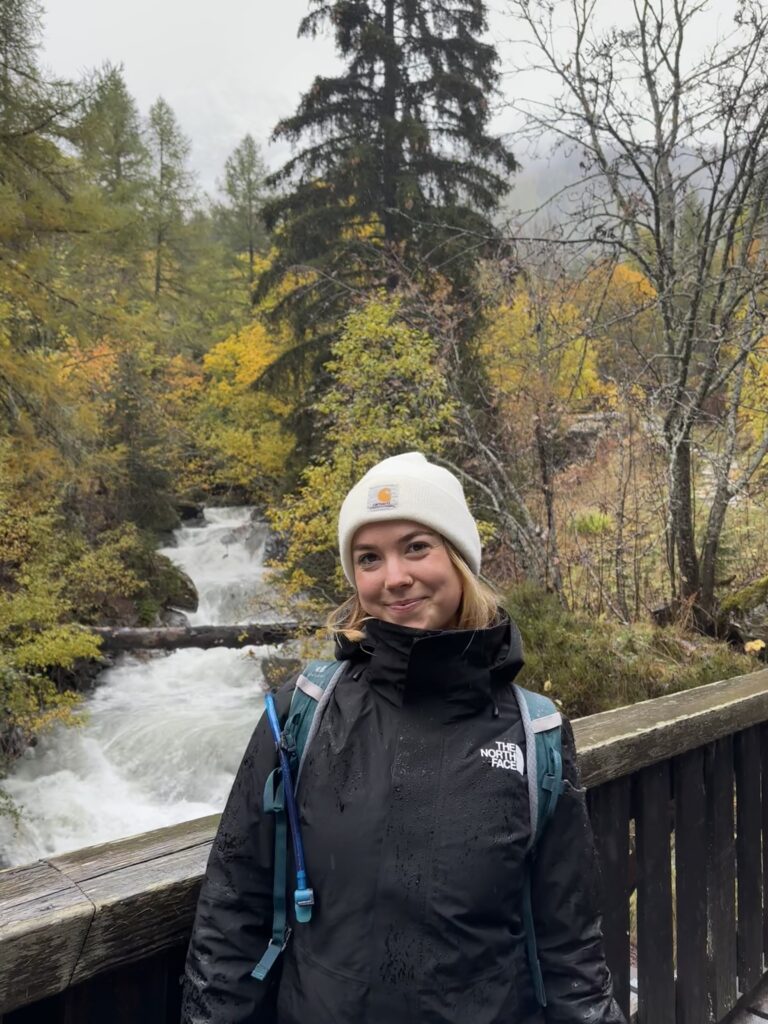
The new coordinator, whose identity is being highlighted by NWAC as part of its ongoing transparency and community engagement, brings a unique blend of communications expertise and a deep-seated passion for the outdoor industry. Having recently returned to the Pacific Northwest after a two-year tenure teaching English and exploring the French Alps, the coordinator expressed enthusiasm for applying their skills in a mission-driven organization. This return to their regional roots is seen as a valuable asset, reconnecting the organization with a local perspective while leveraging international experience.
"NWAC has been the perfect place to combine my passion for mission-driven work with a great community excited about getting into the mountains," the coordinator stated in an introductory interview. This sentiment underscores a key objective for NWAC: fostering a robust community of individuals dedicated to safe backcountry travel. The organization recognizes that a strong volunteer base and effective communication are paramount to achieving its safety goals.
Role and Responsibilities: Expanding NWAC’s Impact
In their new capacity as Volunteer and Communications Coordinator, the individual will be tasked with a multifaceted set of responsibilities designed to enhance NWAC’s operational efficiency and public engagement. This includes providing crucial support to NWAC’s extensive network of volunteers, who are instrumental in data collection, forecasting, and public education efforts. The role will also involve developing and implementing social media strategies, contributing to the creation of compelling content that informs and engages the backcountry community.
Furthermore, the coordinator will play a significant role in event planning, helping to organize workshops, public awareness campaigns, and fundraising initiatives. The overarching goal is to support and expand NWAC’s reach to backcountry enthusiasts of all levels and backgrounds. This inclusive approach is critical in an era where outdoor recreation is experiencing a surge in popularity, bringing new and often inexperienced individuals into avalanche-prone terrain.
The typical day for the Volunteer and Communications Coordinator is expected to be dynamic, reflecting the varied demands of the role. This will likely involve managing volunteer communications, analyzing social media engagement, coordinating logistics for events, and collaborating with various NWAC departments to ensure a cohesive and impactful message. The ability to "wear lots of different hats" is a testament to the comprehensive nature of the position and its importance in the organization’s strategic direction.
Roots in the Mountains: A Lifelong Connection to the PNW
The coordinator’s personal connection to the Pacific Northwest’s mountainous landscape is a significant factor in their suitability for this role. Growing up skiing at Crystal Mountain has fostered a particular affinity for the West South zone, a sentiment that resonates with many long-time residents and outdoor enthusiasts in the region. However, the coordinator also expressed eagerness to explore the Snoqualmie Pass zone, describing it as "our office backyard." This local knowledge and enthusiasm for regional exploration are invaluable for an organization whose primary focus is the safety and well-being of those venturing into these very areas.
The Snoqualmie Pass zone, in particular, is a highly trafficked area for winter recreation, making it a critical focus for NWAC’s forecasting and education programs. Its accessibility from the Seattle metropolitan area means it draws a diverse user base, from seasoned backcountry skiers to day-trippers seeking winter wonderlands. By focusing on this area, NWAC can directly impact a large segment of the recreational community.

A Universal Message: Avalanche Safety for All
A core tenet of the coordinator’s philosophy, and a central message from NWAC, is the universal applicability of avalanche safety. "The moment you step foot (or ski or board or sled!) into backcountry terrain, you are a backcountry skier/rider/snowshoer/user," they emphasized. This statement challenges the notion that avalanche safety is only relevant for expert-level participants. NWAC advocates for the principle that "avalanche safety still applies!" regardless of an individual’s experience level.
This inclusive approach to safety is a critical component of NWAC’s mission. The organization recognizes that increased participation in outdoor activities necessitates a broader dissemination of safety knowledge. The surge in popularity of activities like snowshoeing, backcountry skiing, and splitboarding means that individuals with varying levels of experience are venturing into avalanche-prone areas. NWAC’s commitment to accessibility extends to ensuring that educational resources are available and understandable to everyone.
The coordinator further elaborated on this, stating, "Everyone deserves access to the outdoors, regardless of their experience level, but that also means learning about and respecting the mountain conditions, no matter what adventure takes you out there." This highlights a dual focus: promoting equitable access to nature while simultaneously instilling a culture of respect for the inherent risks associated with the backcountry environment. This balance is crucial for fostering responsible outdoor stewardship.
The Future of NWAC and Avalanche Safety
Looking ahead, the coordinator expressed significant optimism regarding the future of NWAC and the broader landscape of avalanche safety. A key area of excitement is NWAC’s commitment to making avalanche resources as accessible as possible for all backcountry enthusiasts. This commitment is not merely aspirational; it is being translated into concrete initiatives.
Among the most significant upcoming projects is the development of a new website designed to centralize avalanche center forecasts from across the country. This ambitious undertaking aims to create a unified platform, simplifying access to crucial forecasting information for users who may travel beyond the immediate Pacific Northwest. Such a resource could revolutionize how backcountry users plan their trips, providing a one-stop shop for vital safety data.
Continued efforts to build NWAC’s community of volunteers and members are also a focal point. This involves not only recruiting new individuals but also nurturing the existing volunteer base, providing them with the training and support they need to effectively contribute to NWAC’s mission. Furthermore, the development of more programs and opportunities for people of all backgrounds to get involved with NWAC is a testament to the organization’s dedication to diversity and inclusion within the outdoor community.
A Memorable Day in the Alps: Lessons Learned
The coordinator’s recent experiences in the French Alps provided a backdrop for a particularly memorable day on snow. Skiing in Chamonix on a "bluebird day surrounded by a cathedral of alpine peaks" created an "epic ski memory." This experience was characterized by moments of profound connection with nature, where the sheer beauty of the surroundings prompted the coordinator to pause and reflect on the privilege of experiencing the mountains in such a profound way.
"I had multiple moments of slowing down just to take in the surroundings, reminding myself of how special it is to be able to connect to nature and the mountains this way!" they shared. This personal anecdote underscores the intrinsic value of outdoor recreation and the deep connection many individuals feel with the natural world. It also subtly reinforces the importance of preserving these environments and ensuring safe access for future generations.
This experience, while rooted in personal enjoyment, also informs the coordinator’s professional perspective. It highlights the transformative power of the mountains and the importance of sharing these experiences responsibly. The lessons learned from navigating challenging alpine terrain, appreciating the majesty of the landscape, and experiencing moments of awe are all elements that can be translated into more effective communication and engagement strategies for NWAC.
Supporting Data and Context
The increased popularity of outdoor recreation has been a well-documented trend in recent years. According to data from the Outdoor Industry Association, participation in outdoor activities surged significantly during the COVID-19 pandemic and has largely maintained elevated levels. This trend directly impacts avalanche centers like NWAC, as more individuals are venturing into backcountry areas.
For example, data from the Colorado Avalanche Information Center (CAIC), a similar organization in a different mountainous region, indicates a consistent rise in backcountry user numbers. While specific NWAC user data is proprietary, anecdotal evidence and increased engagement on social media platforms suggest a similar pattern in the Pacific Northwest. This growth underscores the critical need for enhanced safety education and accessible forecasting information.
The economic impact of outdoor recreation is also substantial. Studies have shown that outdoor recreation contributes billions of dollars to local and national economies annually, supporting jobs in retail, tourism, and guiding services. Ensuring the safety of these activities is therefore not only a matter of public well-being but also of economic sustainability for communities that rely on outdoor enthusiasts.
NWAC’s Broader Mission and Impact
NWAC operates as a non-profit organization dedicated to providing avalanche information, education, and advocacy for the benefit of the public. It serves a vast and diverse region encompassing Washington, Oregon, and the Idaho Panhandle, a geographical area known for its challenging and dynamic mountain environments. The organization relies heavily on a network of trained observers and volunteers who contribute valuable data to the forecasting process.
The forecasts provided by NWAC are a critical tool for backcountry users, offering daily assessments of avalanche danger levels, snowpack conditions, and weather patterns. These forecasts are compiled and disseminated through various channels, including their website, social media, and partner radio stations. The effectiveness of these communications is directly linked to the organization’s ability to reach its target audience.
The strategic hiring of a Volunteer and Communications Coordinator signifies NWAC’s proactive approach to meeting the evolving needs of the backcountry community. By investing in outreach and volunteer support, NWAC aims to:
- Enhance Public Safety: Ensure that more individuals have access to and understand critical avalanche safety information, thereby reducing the risk of avalanche-related incidents.
- Foster Community Engagement: Build a stronger and more connected community of backcountry enthusiasts who are invested in safety and responsible outdoor practices.
- Expand Reach and Accessibility: Make NWAC’s resources and educational programs available to a wider and more diverse audience, including those who may be new to the backcountry.
- Strengthen Volunteer Network: Provide better support and resources for the dedicated volunteers who are the backbone of NWAC’s data collection and outreach efforts.
The future of avalanche safety in the Pacific Northwest, and indeed across the country, hinges on the ability of organizations like NWAC to adapt to changing participation trends and to effectively communicate vital safety messages. The appointment of the new Volunteer and Communications Coordinator marks a significant step forward in this ongoing endeavor, promising a more connected, informed, and safer backcountry community.

