
As the snow recedes and the vibrant tapestry of spring unfolds across Grand Teton National Park, a renewed surge of wildlife activity heralds the arrival of a popular tourist season. The park, a sanctuary for an impressive array of animals including grizzly and black bears, bison, moose, elk, and pronghorn, is urging visitors to adhere to crucial safety protocols to ensure both human and animal well-being. This proactive announcement from park officials underscores the delicate balance between experiencing the natural wonders of the park and maintaining the integrity of its wild inhabitants.
The warming weather and the burgeoning bloom of wildflowers, sagebrush flats, and meandering creeks create an idyllic setting for wildlife viewing. However, this increased accessibility and visibility also present potential challenges. Grand Teton National Park, in anticipation of the influx of visitors, has reissued a comprehensive set of guidelines aimed at promoting responsible wildlife observation. These recommendations are not merely suggestions but are vital for preventing negative interactions that can have lasting detrimental effects on the park’s delicate ecosystem.

The Importance of Responsible Wildlife Viewing
The core of Grand Teton’s message revolves around the concept of respectful distance and non-interference. Park officials emphasize that "harassment is any human action that causes unusual behavior, or a change of behavior, in an animal." The park’s statement further elaborates on the severe consequences of such actions: "Repeated encounters with people can have negative, long-term impacts on wildlife, including increased levels of stress and the avoidance of essential feeding areas." This highlights that even seemingly innocuous actions, such as approaching too closely for a photograph or attempting to feed an animal, can disrupt natural behaviors essential for survival.
The park’s proactive approach is particularly timely as spring marks a critical period for many species. Bears emerge from hibernation, often thin and seeking sustenance. Elk and deer, having navigated the leaner winter months, are preparing for calving seasons. Migratory birds return, adding to the park’s rich biodiversity. This increased vulnerability and activity among wildlife necessitate heightened awareness and caution from all visitors.
Understanding Harassment: More Than Just Direct Confrontation
It is crucial for visitors to understand that wildlife harassment extends beyond direct physical interaction or aggressive pursuit. The park’s definition encompasses any behavior that causes an animal to alter its natural state. This can include:

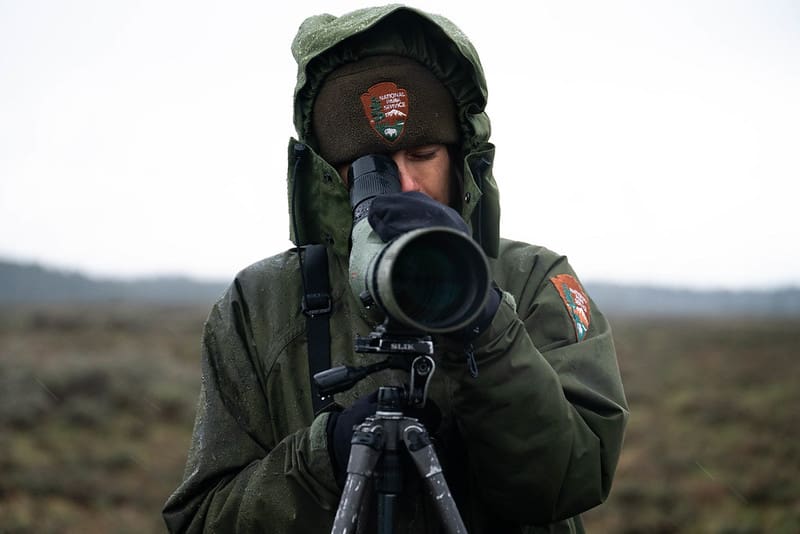
- Approaching too closely: While the allure of a close-up photograph is understandable, encroaching on an animal’s personal space can trigger stress responses. The park explicitly recommends using binoculars, spotting scopes, or telephoto lenses for viewing and photography, rather than closing the distance.
- Making loud noises: Shouting, playing loud music, or sudden movements can startle animals and disrupt their foraging or resting patterns.
- Feeding wildlife: This is not only illegal but profoundly damaging. It habituates animals to human presence, leading them to associate people with food. This can result in aggressive behavior, increased risk of injury or death for the animal (often through euthanasia if they become a public safety threat), and the spread of diseases.
- Blocking an animal’s path: Intentionally or unintentionally positioning oneself between an adult animal and its offspring is exceptionally dangerous. Mothers, especially, are fiercely protective and will defend their young. This applies to all species, from the smallest rodent to the largest bear.
- Allowing pets to roam freely: Domestic animals can disturb, chase, or even attack wildlife, posing a threat to both the wildlife and the pet.
Official Guidelines for Safe and Responsible Wildlife Encounters
Grand Teton National Park has provided a clear set of directives to ensure visitor safety and protect wildlife:
- Maintain a Safe Distance: The park mandates specific minimum distances:
- 100 yards (300 feet) from bears and wolves.
- 25 yards (75 feet) from all other wildlife, including bison, elk, moose, and pronghorn.
These distances are not arbitrary; they are scientifically determined to allow animals to behave naturally without feeling threatened.
- Never Position Yourself Between an Adult and Offspring: This is a critical safety rule, particularly during calving and nesting seasons.
- Never Feed Wild Animals: Feeding wildlife is illegal and detrimental to their health and behavior.
- Use Designated Pull-Outs for Viewing: When observing wildlife from your vehicle, always use designated pull-outs. Never stop or park in the roadway, as this can obstruct traffic and create hazardous conditions.
- Be Cautious While Driving: Migration seasons, mornings, and evenings are times of increased wildlife activity on roadways. Adhere to posted speed limits, especially the night speed limit of 45 mph on the main highway. Be alert for animals crossing the road.
- Carry Bear Spray and Know How to Use It: For those venturing into areas with higher bear activity, carrying bear spray is strongly recommended. Visitors should familiarize themselves with its proper deployment before their trip.
A Deeper Look at Bear Safety in Grand Teton
The park’s emphasis on bear safety is particularly pronounced, given the significant population of grizzly and black bears within its boundaries and the adjacent John D. Rockefeller, Jr. Memorial Parkway. The park acknowledges that encounters can occur "anywhere at anytime," as popular trails and areas are often situated within prime bear habitat. The statement "Your safety cannot be guaranteed" serves as a stark reminder of the wild nature of these animals.
The federal regulation requiring a 100-yard buffer from bears and wolves, even from within a vehicle, is a cornerstone of bear safety. This distance is crucial because bears have a keen sense of smell and can detect food or perceived threats from a considerable distance. Approaching them, even if they appear calm, can provoke a defensive reaction. Information on bear behavior, safe viewing practices, and the correct use of bear spray is readily available on the park’s official website, under the "Safety in Bear Country" section.
The Broader Context: Balancing Tourism and Conservation
Grand Teton National Park’s annual visitor numbers reflect its status as a premier natural destination. In recent years, national parks across the United States have experienced record or near-record attendance, placing increased pressure on park resources and wildlife. This surge in visitation, while economically beneficial, necessitates a heightened focus on conservation and visitor education.
The park’s public service announcement can be viewed as part of a larger, ongoing effort by the National Park Service to foster a culture of responsible stewardship. By providing clear, accessible information and emphasizing the interconnectedness of human actions and wildlife well-being, parks aim to transform visitors from mere observers into active participants in conservation.
Analysis of Implications: Long-Term Ecological Health
The implications of adhering to these wildlife safety guidelines extend far beyond immediate visitor safety. When wildlife is consistently harassed or stressed by human proximity, it can lead to:
- Disrupted Reproduction: Stress can negatively impact breeding success and cub or fawn survival rates.
- Altered Migration Patterns: Animals may abandon traditional migration routes or foraging grounds if they become too frequented by humans.
- Increased Aggression: Habituation to humans can lead to animals becoming bolder, increasing the likelihood of negative encounters and potentially resulting in the animal’s removal or termination.
- Ecosystem Imbalance: The displacement of key species can have cascading effects throughout the food web.
The proactive stance taken by Grand Teton National Park is essential for maintaining the ecological integrity of this iconic landscape. By empowering visitors with knowledge and emphasizing the importance of respect for the wild, the park aims to ensure that future generations can continue to experience the awe-inspiring presence of its diverse wildlife. The message is clear: the privilege of witnessing these magnificent creatures in their natural habitat comes with a profound responsibility to protect them.

