
As the autumnal equinox marks the transition toward the winter months, the window for preseason physical preparation for the alpine ski season narrows, necessitating a structured approach to conditioning. While the fall season is often associated with a decrease in outdoor intensity, sports medicine professionals and veteran skiers emphasize that this period is critical for building the physiological foundation required to navigate high-alpine environments safely. For many, the transition from summer recreation to the rigors of downhill skiing is a period fraught with risk; a lack of preparation frequently results in early-season fatigue or acute musculoskeletal injuries. Data supports the efficacy of dedicated preparation; a comprehensive Swedish study involving alpine ski students demonstrated that structured preseason neuromuscular training reduced the incidence of Anterior Cruciate Ligament (ACL) injuries by nearly 50% over two consecutive seasons.
This focus on health and longevity is particularly relevant for the "Master Athlete" demographic—skiers aged 40 and older—who aim to maintain performance levels into their 60s and 70s. However, the requirement for preseason conditioning is universal, applying to weekend commuters navigating the high-traffic corridors of Colorado’s I-70 or Utah’s Little Cottonwood Canyon, as well as destination travelers preparing for the sustained vertical descents of the European Alps. The current consensus among sports scientists is that fall training should prioritize three pillars: cardiovascular endurance, sport-specific muscular strength, and neuromuscular balance.
The Science of Injury Prevention and Neuromuscular Training
The high rate of ACL injuries in skiing is often attributed to the "phantom foot" phenomenon or the "boot-induced" strain, where the stiff rear of the ski boot acts as a lever that can apply sudden force to the knee. According to surgeons affiliated with the U.S. Ski Team, the most effective defense against these mechanical stressors is a robust neuromuscular system. Neuromuscular training involves exercises that improve the brain’s ability to communicate with the muscles to stabilize joints during dynamic movements.
The Swedish study mentioned previously highlights that it is not merely strength that protects the athlete, but the timing and coordination of muscle contractions. By engaging in activities that mimic the multi-planar movements of skiing—such as lateral stabilizers and core engagement—skiers can create a "functional armor" that protects the ligaments. This is especially vital as athletes age, as proprioception and muscle elasticity naturally decline without targeted intervention.
High-Altitude Hiking and Eccentric Loading
One of the most effective methods for preseason conditioning is hiking directly on ski resort terrain. This activity provides a dual benefit: cardiovascular conditioning through significant elevation gain and sport-specific muscle engagement. Climbing steep inclines "torches" the lungs, while the descent provides a critical workout for the quadriceps and glutes.
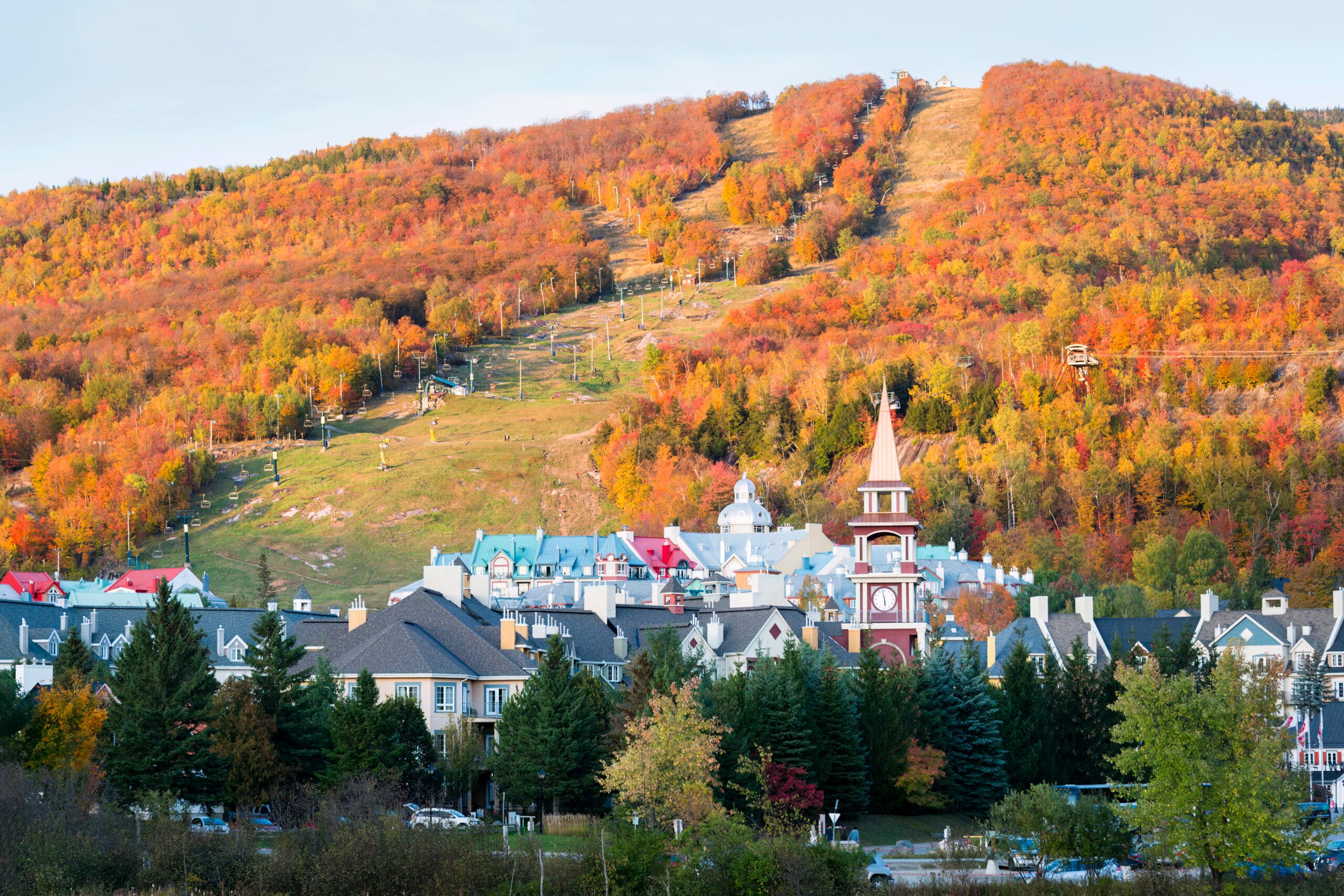
From a physiological perspective, the descent is perhaps more important than the ascent for skiers. Hiking downhill requires eccentric muscle contractions—where the muscle lengthens under tension. This is the same type of muscle action required to control speed and absorb shocks while skiing. Training the body to handle eccentric loads in the fall reduces the likelihood of the "delayed onset muscle soreness" (DOMS) that often plagues skiers during their first week on the snow. Furthermore, many athletes are now incorporating weighted vests into their autumn hikes to simulate the weight of an avalanche pack or heavy winter gear, further increasing the intensity and specificity of the workout.
Mountain Biking as a Tool for Line Choice and Edge Control
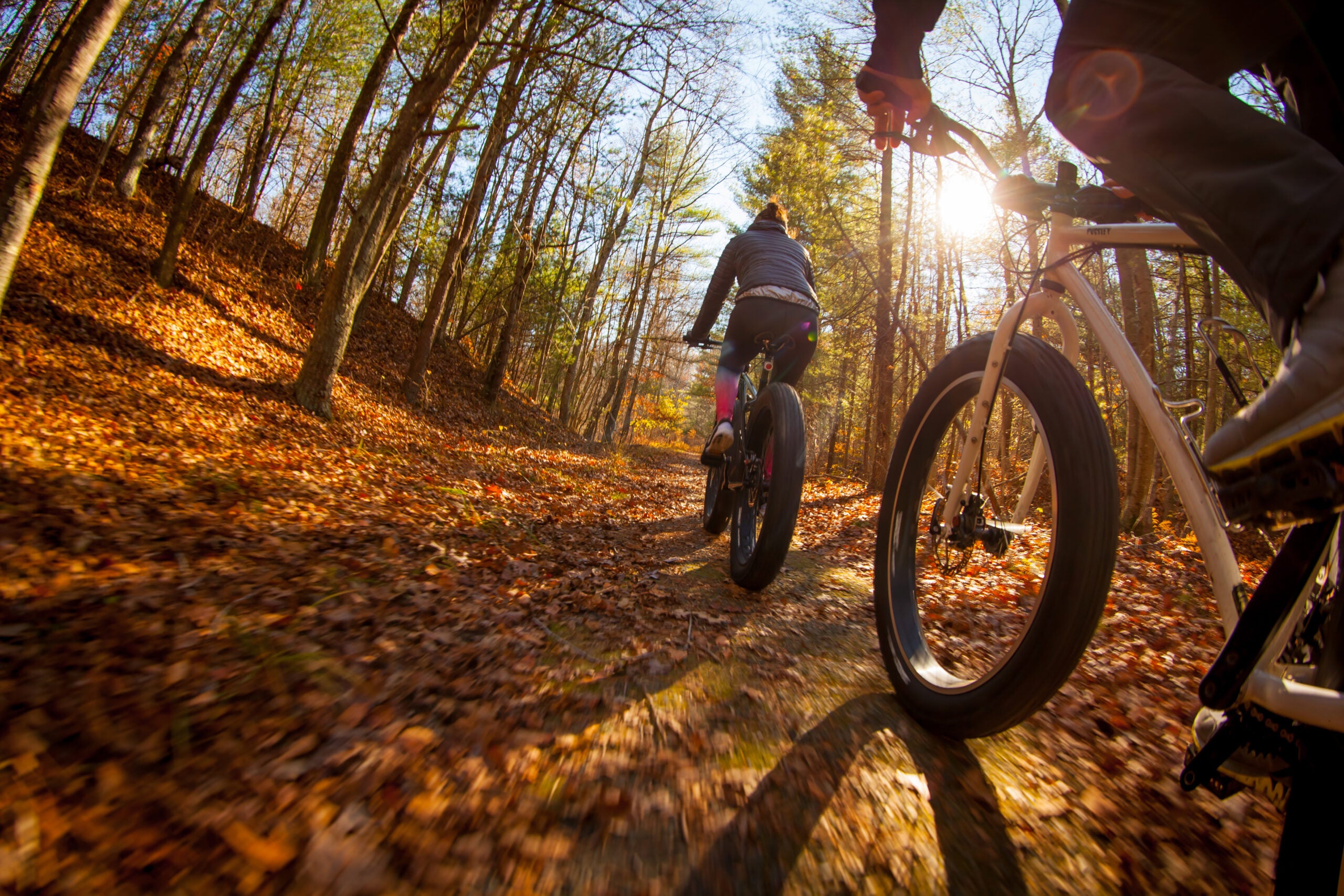
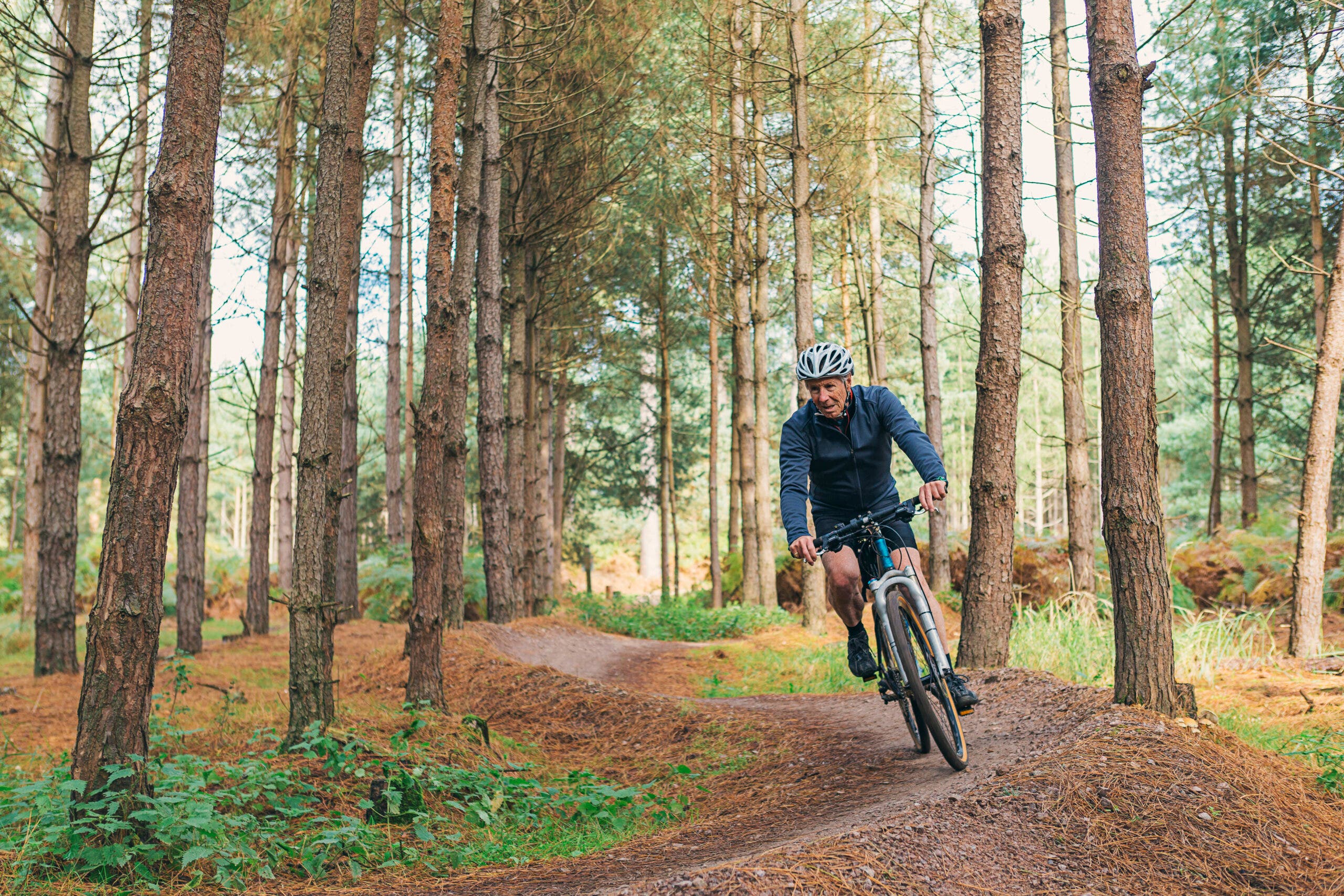
Mountain biking has evolved into the primary off-season sport for the alpine community due to the direct crossover in physical and mental demands. The sport requires constant gear shifting, balance over uneven terrain, and sustained cardiovascular output. Beyond the aerobic benefits, mountain biking trains the eyes and the brain for "line choice." Navigating a technical descent on a mountain bike requires the same rapid-fire decision-making used when skiing through glades or variable snow conditions.
Moreover, cornering on loose dirt or "tacky" trails mimics the mechanics of edge control. The ability to lean a bike into a turn while maintaining traction is a direct analog to the angulation required to carve a ski. In recent years, the rise of electric mountain bikes (e-bikes) has allowed athletes to increase their total volume of climbing, enabling longer training sessions that build the "leg memory" necessary for long, top-to-bottom ski runs. For those in metropolitan areas without access to trails, indoor cycling and high-intensity interval training (HIIT) spin classes provide a comparable cardiovascular stimulus.
The Rise of Via Ferrata in North American Training Regimens
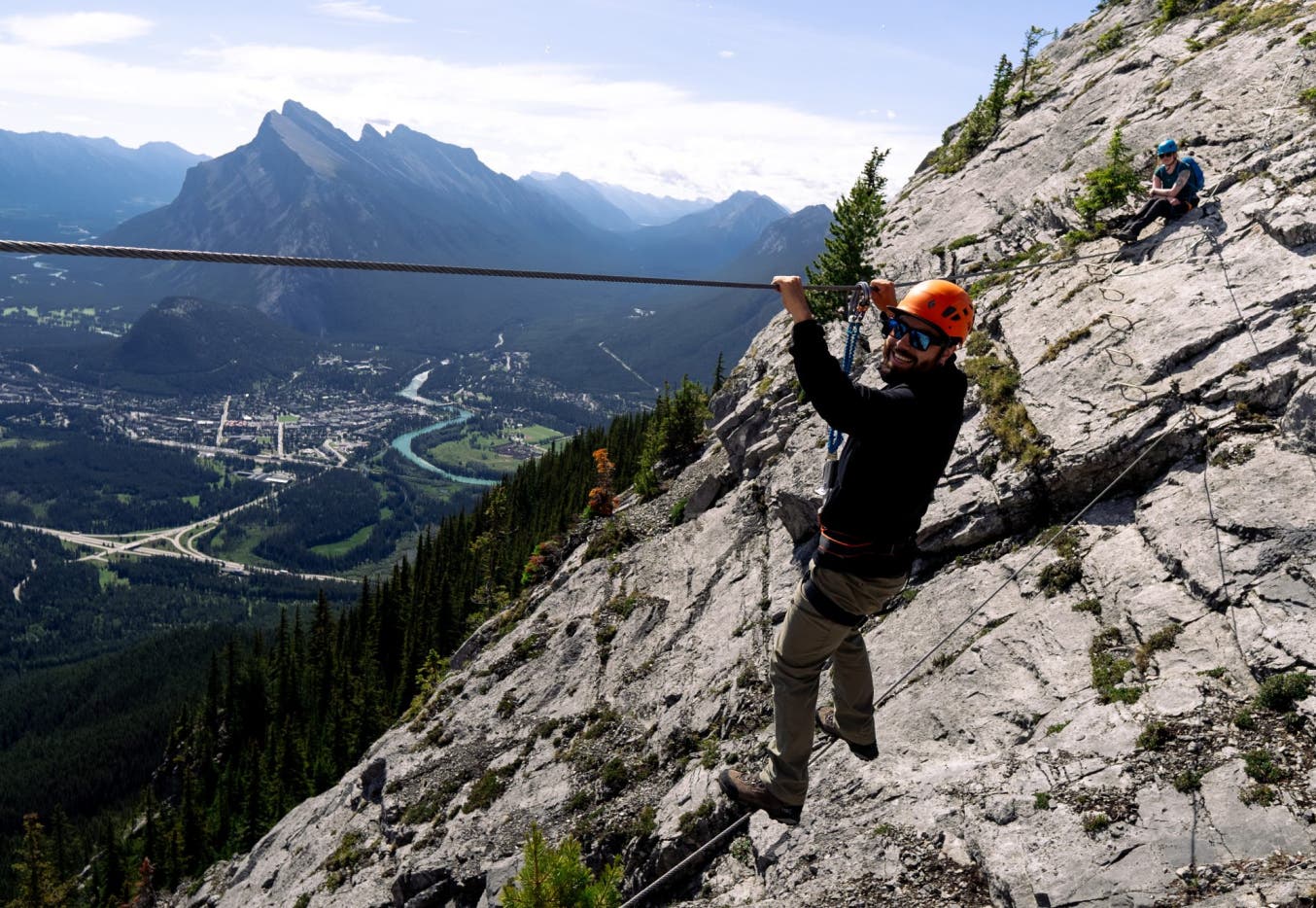
Originating in the Italian Dolomites during World War I to move troops across rugged peaks, the via ferrata—or "iron path"—has become a popular training tool in the modern era. These routes consist of steel cables, rungs, and ladders fixed to rock faces, allowing individuals to traverse dramatic alpine terrain with the safety of a harness and carabiners.
While often viewed as a recreational adventure, the via ferrata is an exceptional full-body workout. It tests grip strength, core stability, and leg endurance simultaneously. The mental focus required to navigate a cliff face mirrors the "flow state" and concentration needed for high-stakes skiing. Resorts across North America, including Mt. Norquay in Banff and various sites in the Appalachian and Rocky Mountains, have installed via ferrata routes to cater to this growing demand for alpine-adjacent fitness. The activity emphasizes "closed-chain" movements, where the hands and feet are in constant contact with a surface, which is ideal for developing the stabilizer muscles surrounding the knees and ankles.
Physiological Adaptations to Trail Running and Altitude
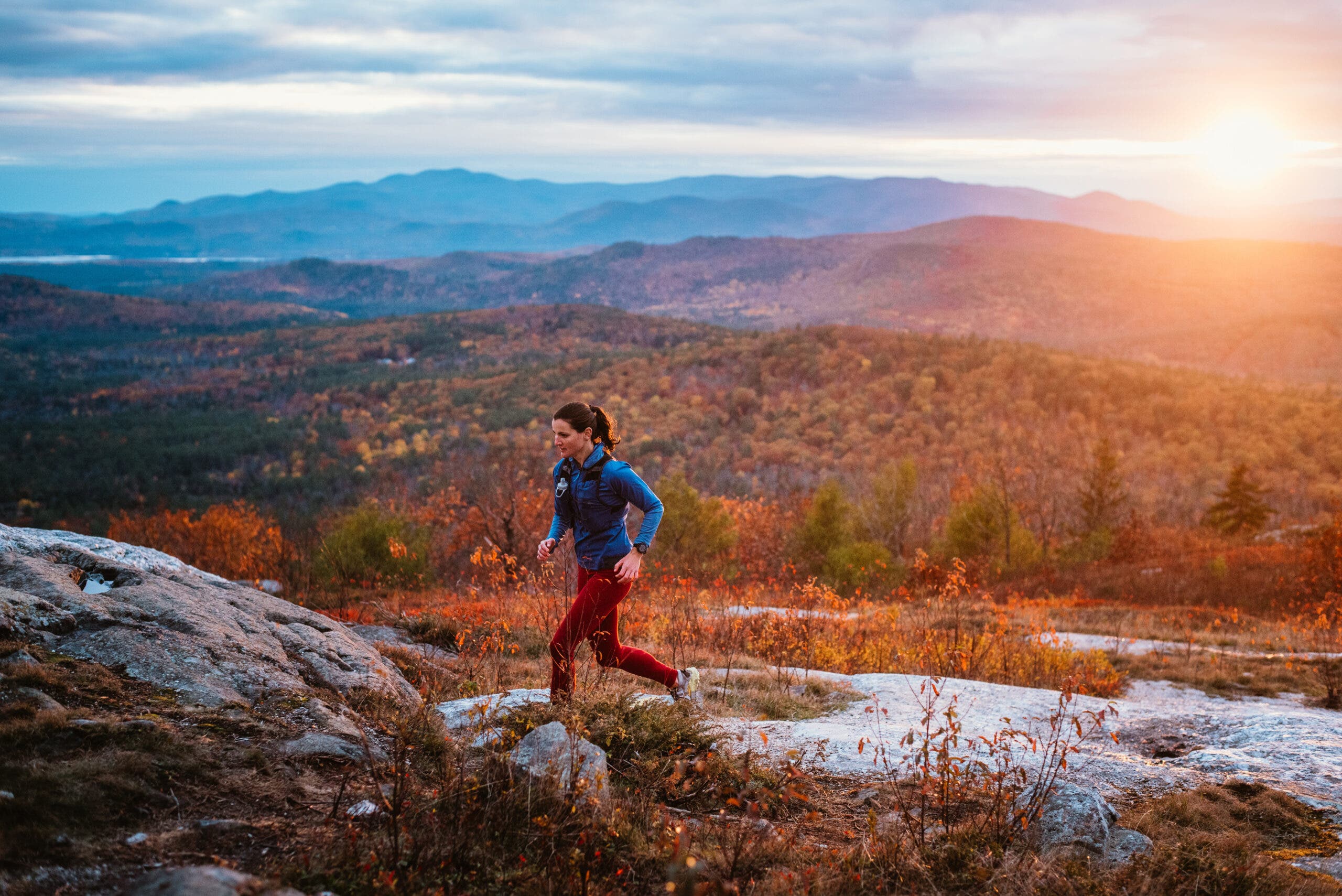
Trail running at high altitudes offers a distinct advantage through the process of erythropoiesis—the production of more red blood cells in response to lower oxygen levels. For skiers who live at sea level but vacation at high altitudes, early fall training on hilly trails is essential. The uneven nature of trail running forces the body to utilize stabilizer muscles that are rarely engaged on flat pavement or treadmills.
The cardiovascular strain of navigating an alpine ridgeline strengthens the heart’s stroke volume and improves the body’s ability to clear lactic acid. For urban-based skiers, sports physiologists recommend using treadmill inclines of 10% to 15% to simulate these conditions. The objective is to push the cardiovascular system to its upper thresholds, ensuring that when the athlete reaches the 10,000-foot mark in the winter, their body is already accustomed to operating under oxygen-deprived conditions.
Technological Integration: Ski Simulators and Indoor Slopes
The final phase of preseason preparation often involves technical refinement through the use of technology. For those without immediate access to mountains, indoor ski centers and revolving "infinite slopes" have revolutionized the off-season. Facilities like Big Snow in New Jersey offer a temperature-controlled environment with real snow, allowing skiers to maintain their "snow feel" year-round.
More recently, sophisticated ski simulators, such as those offered by companies like Bluerun, have gained traction. These machines utilize revolving carpet technology or mechanical platforms that mimic the physics of a ski turn. They allow for high-repetition training of specific movements: carving, edging, weight shifting, and upper-lower body separation. The primary benefit of these simulators is the ability to focus on form without the distractions of weather, lift lines, or terrain hazards. By isolating hip angulation and core activation in a controlled setting, skiers can correct technical flaws before they are amplified on the mountain.
Broader Economic and Health Implications
The trend toward rigorous preseason training reflects a broader shift in the ski industry toward "adventure wellness" and longevity. As lift ticket and season pass prices continue to rise, the economic incentive to avoid injury and maximize "on-snow time" has never been higher. A single ACL tear can result in medical costs exceeding $20,000 and a recovery period of nine to twelve months, effectively ending a season and impacting the following year.
Furthermore, the "silvering" of the ski population—where older, more affluent skiers remain active later in life—has created a market for specialized training programs. Resorts and fitness centers are increasingly offering "Ski Fit" clinics that combine the activities mentioned above with nutritional guidance and recovery protocols.
In conclusion, the transition from fall to winter should be viewed not as a period of rest, but as a critical preparatory phase. Whether through the rugged exertion of hiking ski slopes, the technical demands of mountain biking, or the precision of indoor simulators, the evidence is clear: the most successful ski seasons are built in the months preceding the first snowfall. By prioritizing neuromuscular training and cardiovascular endurance now, skiers of all ages can ensure they are prepared for the physical demands of the mountains, reducing the risk of injury and enhancing their overall performance on the slopes.

