
Published April 15, 2026 10:01AM
The scene is familiar to many dedicated skiers: standing by a dumpster, a moment of poignant farewell as cherished gear, having reached its functional zenith, is discarded. This recent ritual involved the author’s beloved Tecnica Mach1 LV 130 ski boots, their once vibrant orange plastic now faded and cracked after more than 200 demanding days on the slopes. However, the story did not end with the boots; it merely marked a transition for a crucial component: the trusty, aftermarket Zipfit Gara LV liners, which were carefully removed and subsequently installed into their new home, a pair of Armada AR ONE 130 shells. This transfer marks the third set of ski boot shells these particular liners have inhabited, underscoring a remarkable longevity that challenges conventional expectations for high-performance ski equipment and highlights a paradigm shift in how serious skiers approach boot fit and sustainability.
The Longevity Phenomenon: A Six-Season Case Study
The narrative of these Zipfit Gara LV liners is a compelling testament to their durability and design philosophy. Having served across three distinct boot shells, these liners have accumulated an impressive track record of nearly 500 ski days, far exceeding the typical lifespan of conventional foam liners, which often degrade significantly after 50 to 75 days of use. This extended service life stands in stark contrast to the author’s discarded Tecnica shells, which, despite their premium quality, succumbed to material fatigue after approximately 200 days. This discrepancy highlights a fundamental advantage of Zipfit technology: its capacity to outlast multiple boot shells, offering consistent performance long after other components have failed.
The initial acquisition of these liners in 2020 was prompted by a common frustration among skiers: persistent boot issues. The author, like many enthusiasts, had grappled with discomfort and fit problems that often plague even the most meticulously chosen factory boots. The decision to invest in Zipfits, influenced by a roommate’s transformative experience and supported by pandemic-era unemployment benefits, represented a significant financial outlay at the time. Yet, as the subsequent six seasons have demonstrated, this initial investment has yielded substantial returns in both performance and product lifespan, fundamentally altering the author’s skiing experience and relationship with gear. This experience, later reinforced by a professional stint as a bootfitter selling Zipfits, provides a unique, informed perspective on the product’s capabilities and market position.
Sven Coomer’s Vision: A Legacy of Innovation in Ski Boot Design
To fully appreciate the Zipfit liner, one must delve into its origins and the visionary mind behind it: Sven Coomer. The author’s purchase from Mammoth’s Footloose Sports connects directly to this history, as Coomer co-founded the iconic ski shop in 1979. Coomer, a figure of immense influence in the ski industry, was deservedly inducted into the U.S. Ski and Snowboard Hall of Fame in 2021, a recognition of his profound impact on hardgoods innovation. His pioneering work predates Zipfit and includes contributions to some of the most recognizable and performance-driven ski boot designs in history.
Coomer’s design fingerprints can be found across a spectrum of boot categories. He was instrumental in the development of "plug race boots," known for their ultra-precise fit and direct power transmission, which remain a staple in competitive skiing. His expertise also extended to more accessible performance boots like the Atomic Hawx series, known for blending comfort with aggressive performance. Furthermore, Coomer played a pivotal role in popularizing the "cabrio" boot design, characterized by a three-piece shell construction that offers a progressive flex and easier entry, exemplified by brands like Full Tilt and K2 Fl3x. This extensive background demonstrates Coomer’s deep understanding of ski biomechanics, material science, and the diverse needs of skiers, laying the groundwork for his most revolutionary contribution: the Zipfit liner.
The Genesis of Zipfit: Non-Toxic Customization and a Sustainable Leap
Before founding Zipfit in 1989, Coomer was already exploring innovative approaches to custom fit, notably experimenting with ground-up Birkenstock cork to create custom footbeds. This early work with cork proved foundational, as it highlighted the material’s unique properties for support and comfort. The prevailing custom liner solutions of the 1980s often relied on chemical foams, which, while offering a custom fit, presented several drawbacks. These foams frequently contained toxic components, posing environmental concerns during manufacturing and disposal, and sometimes health concerns for bootfitters and users during the molding process. More critically from a performance standpoint, foam liners were prone to "packing out"—compressing and losing their custom fit and support relatively quickly, necessitating frequent replacement.
Zipfit emerged as a direct response to these limitations. Coomer’s vision was to create the first custom liner that eliminated the need for toxic foams, instead leveraging the natural and superior properties of cork. This was a significant departure from industry norms, offering not just a healthier alternative but also a fundamentally more durable and adaptable product. The core design of Zipfit liners, which has remained remarkably consistent since its inception, reflects this innovative spirit. They are meticulously constructed from a blend of high-quality materials: durable leather for structure, resilient neoprene for flexibility, and warm wool for insulation. Crucially, they incorporate internal bladders within the tongue and ankle pockets, which are filled with OMFit cork—a proprietary mixture of cork granules and oil. This composite material is designed to flow and redistribute when warmed by body heat, allowing for a precise, dynamic custom fit without the compression issues inherent to foam.
Engineering for Endurance: The OMFit Cork Advantage
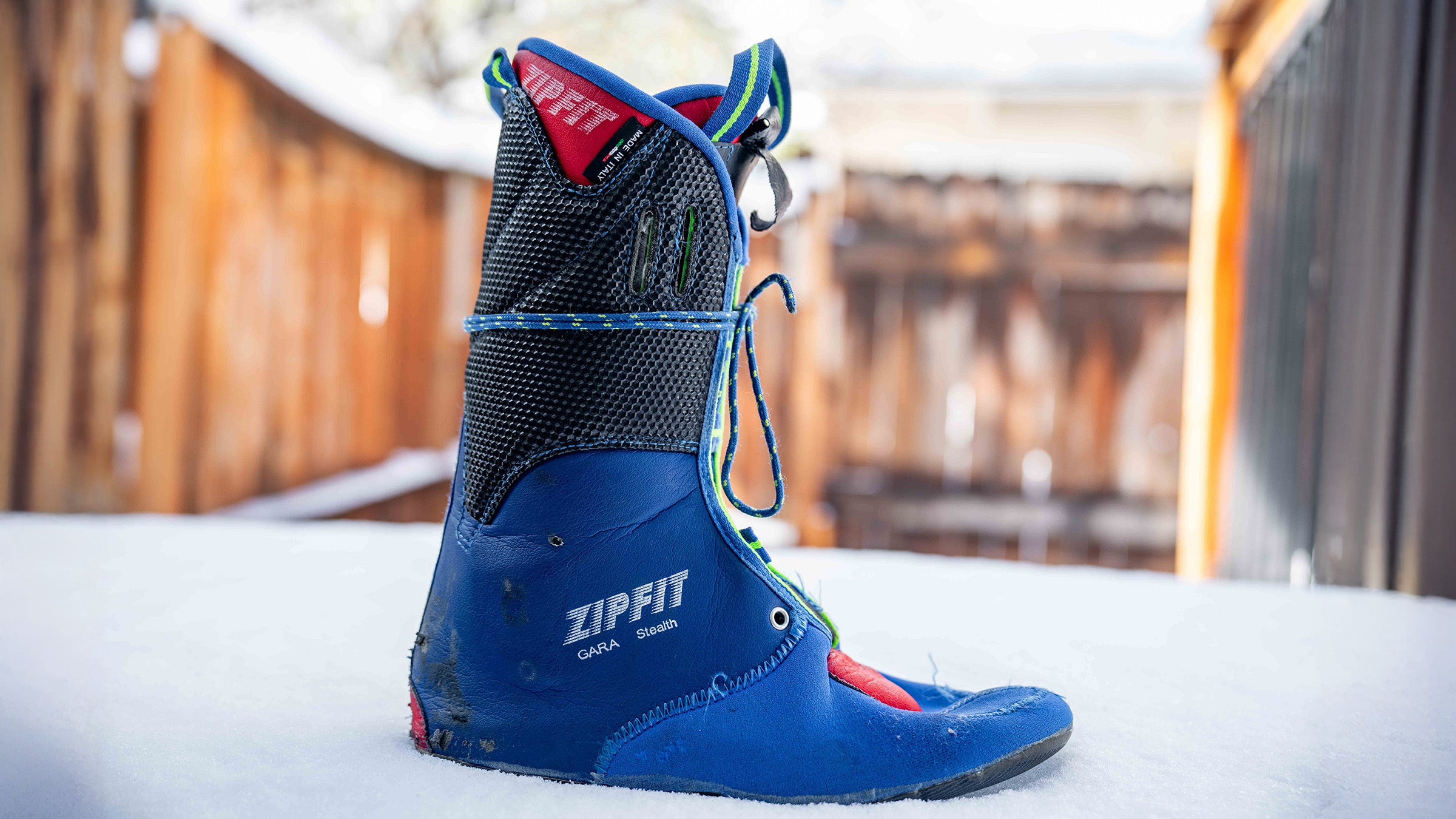
The secret to Zipfit’s unparalleled longevity and performance lies in the unique properties of its OMFit cork material. Unlike traditional foam, which compresses and permanently deforms over time under pressure, cork exhibits a different behavior: it redistributes. When pressure is applied, the cork-oil mixture flows within the bladders, adapting to the contours of the foot and shell. Once the pressure is released, or as the material cools, it retains this new configuration, effectively "remolding" itself to maintain a snug, supportive fit. This dynamic adaptability means that the liner continually customizes itself to the skier’s foot and the shell’s interior, providing consistent support without the "packing out" phenomenon that plagues foam liners.
This fundamental difference is what makes Zipfits not only remoldable but, critically, transferable between different boot shells. A foam liner, once packed out to fit a specific shell and foot, cannot effectively adapt to a new shell’s geometry or provide the same level of support. Zipfits, however, can be adjusted by adding or removing OMFit cork, allowing them to be fine-tuned for subsequent shells, thereby extending their useful life far beyond that of a single pair of boots. This inherent adaptability represents a significant economic and environmental advantage for the consumer, reducing the frequency of liner replacement and the associated waste.
Transforming the Skiing Experience: User Performance Benefits
For many skiers, the investment in Zipfit liners represents a profound upgrade to their on-snow experience. The author’s personal account, spanning seven years as a gear writer and hundreds of equipment tests, unequivocally states that no other single piece of equipment has impacted their skiing as significantly as these liners. While the initial break-in period can be demanding—often requiring at least five days of skiing before optimal performance is achieved and additional cork is considered—the long-term benefits are substantial.
Once properly broken in and customized, the connection between foot and shell becomes exceptionally intimate. Skiers report a feeling of being "fully mated" to the shell, a sensation of direct control previously unattainable with stock liners. This translates into several key performance enhancements:
- Exceptional Heel Hold: The cork material provides a secure anchor for the heel, eliminating lift and movement that can compromise control and cause discomfort.
- Enhanced Power Transfer: With the foot locked securely in place, every movement and input from the skier is transmitted more directly and efficiently to the ski. This results in quicker edge engagement and more consistent power delivery through turns, particularly crucial for aggressive skiing.
- Improved Comfort: Paradoxically, while offering a snug fit, Zipfits can also enhance comfort. The unstructured toe box, a common feature, provides more room for the toes to splay naturally, preventing common issues like cramped toes or "toe bang." Because the heel is so securely anchored, this extra space in the front becomes a comfort bonus rather than a stability problem.
Off-piste performance also sees a marked improvement. The enhanced stability and precise fit afforded by the Zipfit Gara liners allow skiers to maintain better balance over their outside edge, crucial for navigating variable snow conditions and challenging terrain. The integrated lacing system further contributes to this precision, enabling skiers to fine-tune the fit to their preference, ensuring optimal foot position for driving skis in steep pitches, flowing through moguls, and transitioning seamlessly between different maneuvers.
Adaptability Across the Spectrum: From Race to All-Mountain
One of the most compelling attributes of Zipfit liners is their remarkable adaptability across a wide range of ski boot shells. The author’s experience exemplifies this, having successfully transferred the Gara LVs from ultra-low-volume race-oriented boots like the Tecnica Firebird 130R (a 96 mm "cheater plug boot" designed for maximum precision) to roomier, all-mountain cabrio designs such as the 100 mm Armada AR ONE. This versatility is a rare trait in custom fit solutions.
The exceptional heel hold provided by the OMFit cork allows skiers the flexibility to "size up" slightly in shell volume without sacrificing the critical connection and performance. In a roomier boot like the Armada AR ONE, the Zipfits can still provide a secure, performance-oriented fit while simultaneously offering the added benefit of increased toe room, which often translates to greater warmth and comfort without feeling disconnected from the ski. This adaptability means that a single pair of Zipfit liners can serve a skier through various phases of their skiing journey, accommodating changes in boot preferences, skiing style, or even foot shape over time, further solidifying their value proposition.
The Economics of Longevity: Cost-Benefit Analysis and Environmental Impact
While the initial purchase price of Zipfit liners is undeniably higher than that of most stock or even some aftermarket foam liners—often ranging from $400 to $600 or more—a comprehensive cost-benefit analysis reveals a compelling long-term value proposition. A typical high-performance foam liner might offer peak performance for 50-75 days before significant packing out occurs, and even if it "lasts" 150 days, its effective performance often declines sharply. Over six seasons and nearly 500 ski days, a skier using foam liners might have replaced them 4-10 times, incurring costs that quickly surpass the initial Zipfit investment. Factoring in the superior, sustained performance throughout the Zipfit’s lifespan, the value becomes even clearer.
Beyond the personal economic benefits, the extended lifespan of Zipfit liners carries significant environmental implications. In an industry increasingly conscious of its ecological footprint, the concept of "sustainability" is often a marketing buzzword. However, a product that demonstrably lasts for more than six seasons directly contributes to reducing waste. By allowing skiers to extend the usable life of their boot shells—and by outlasting multiple shells themselves—Zipfits significantly decrease the consumption of new materials, energy expended in manufacturing, and the volume of discarded gear ending up in landfills. This tangible contribution to reducing the churn of ski equipment offers a practical example of sustainable product design in a gear-intensive sport.
Customization and Maintenance: User Modifications and Expert Advice
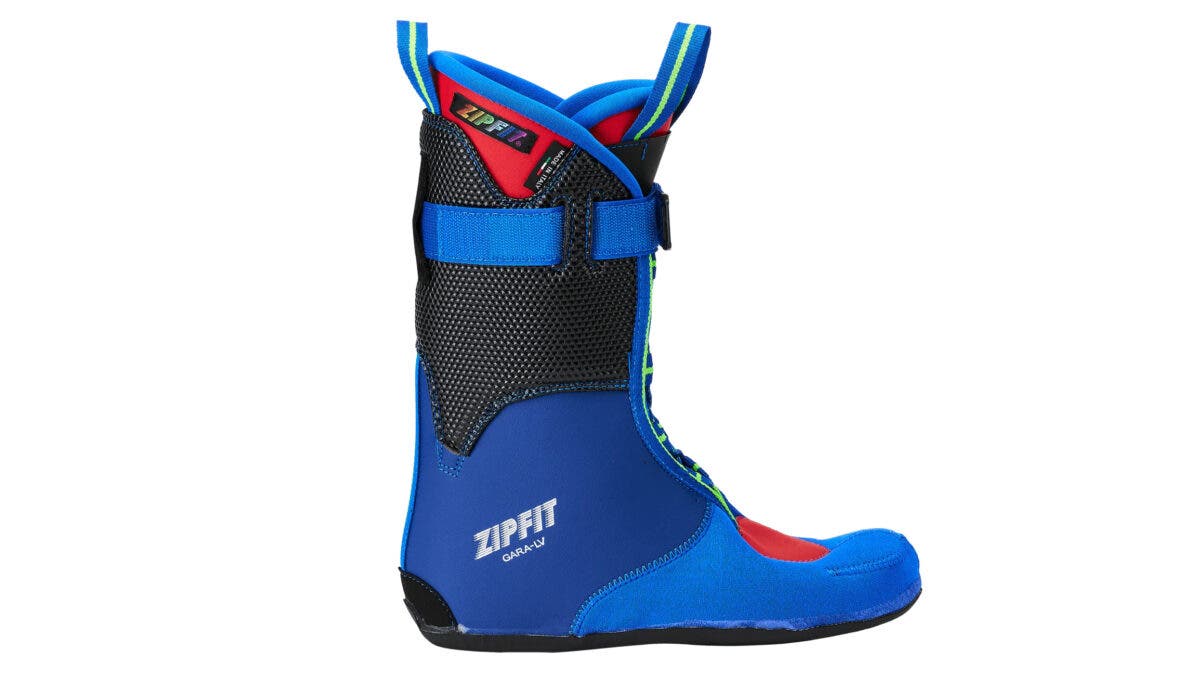
The Zipfit design, while robust, also allows for user-level customization and ongoing maintenance to optimize performance and comfort. The author’s experience details several such modifications. Initially, the integrated power straps were removed, as they were found to add unnecessary bulk within the shell and create a slight gap between the liner tongue and cuff, hindering optimal power transmission. This highlights a common practice among expert users to streamline their setup for maximum efficiency.
The lacing system, a distinctive feature of Zipfit liners, was also modified based on expert advice from Jeff Colt, a Zipfit employee and experienced skier. The author now skips the bottom two eyelets to alleviate pressure on the instep, a common pressure point for many skiers, then wraps the laces around the back of the liner before tying them high on the tongue. This "World Cup" lacing technique, while requiring the liner to be laced onto the foot before stepping into the boot, ensures a highly personalized and secure fit that prevents heel lift and enhances overall control. While this "World Cup" entry can be perceived as an inconvenience, particularly for skiers with mobility limitations, the author notes that it quickly becomes routine, especially with the aid of a shoehorn. This simple tool, initially overlooked, significantly eases entry even into cold shells.
Ongoing maintenance primarily involves replenishing the OMFit cork. The author found the initial cork fill sufficient for the first three years. As the material naturally redistributed and thinned in areas like the tongue and ankle pockets, additional cork was added, effectively restoring the liner’s original performance and fit. Now, in the sixth season, the author is considering a second cork replenishment, demonstrating the liners’ capacity for continuous rejuvenation. This ability to add cork as needed is a critical differentiator from foam liners, whose degradation is irreversible.
Zipfit vs. Conventional Liners: A Performance and Durability Showdown
The debate between custom foam-injected liners and Zipfits often centers on a trade-off between peak performance and sustained performance. Foam-injected liners, when perfectly molded with a precise shell fit and custom footbed, can indeed deliver an exceptionally high "peak performance." The expanding foam walls lock the foot exactly into place, potentially offering an unparalleled, immediate connection to the ski. However, this peak is often fleeting. The inherent nature of foam means it compresses and packs out relatively quickly, leading to a rapid decline in performance after as few as 50-75 ski days, even if the liner physically remains intact for longer. Once foam packs out, its structural integrity and custom fit are compromised, rendering it less effective and often necessitating replacement.
Zipfits, by contrast, offer a more enduring performance curve. While their initial break-in period may require patience, the OMFit cork’s ability to redistribute rather than compress ensures a consistent, high level of performance over hundreds of ski days. The option to add cork as needed means that any perceived decline in fit or support can be easily rectified, effectively "resetting" the liner’s performance. This longevity and maintainability translate into a different kind of performance advantage: sustained, reliable, high-level function over a much longer period, making them a more practical choice for avid skiers seeking consistency and durability.
Broader Implications: Sustainability and the Ski Gear Market
The enduring success and practical longevity of Zipfit liners carry broader implications for the ski gear market and consumer culture. In an era increasingly dominated by planned obsolescence and rapid product cycles, Zipfit offers a counter-narrative. Its design emphasizes durability, repairability, and adaptability, challenging manufacturers to consider the long-term lifecycle of their products. This approach resonates with a growing segment of consumers who prioritize sustainability, value, and performance over frequent upgrades.
While Zipfit remains a niche, premium product, its impact extends beyond its direct sales. It demonstrates the viability of high-performance gear that is also environmentally conscious and economically sensible in the long run. The continued relevance of a design from 1989, relying on natural materials, underscores the power of fundamental engineering principles over fleeting trends. As consumers become more discerning and demand greater transparency and longevity from their gear, the Zipfit model may serve as a blueprint for other segments of the outdoor industry, fostering a shift towards more sustainable consumption patterns.
Conclusion: An Enduring Legacy on the Slopes
After six full seasons and countless ski days, the author’s Zipfit Gara LV liners continue to perform, albeit showing the undeniable marks of a well-lived life. The stitching on one toe box is beginning to fray, the heels bear the scars of years of forceful entry without a shoehorn, and the tongue foam, while still functional, shows signs of thinning. Yet, despite these cosmetic and minor structural wear points, the core functionality and performance of the liners remain robust. The crucial OMFit cork continues to provide its unparalleled support and adaptability, maintaining a connection to the ski that few other products can replicate.
The sentiment expressed by the author—that there has been "not once felt the urge to replace these Zipfit liners," and a humorous consideration of an "estate lawyer to decide who gets them next"—encapsulates the profound impact of this product. It is a testament to intelligent design, durable materials, and a commitment to sustained performance. In a world of transient gear, the Zipfit Gara LV liner stands as an enduring symbol of innovation, reliability, and a sustainable approach to the pursuit of skiing excellence. It’s more than just a liner; it’s a long-term partner on the slopes, consistently delivering performance and comfort that transcends the lifespan of the boots it inhabits.

