
The Northwest Avalanche Center (NWAC) is spearheading a significant national initiative to overhaul how avalanche and mountain weather forecasts are delivered, aiming for greater accessibility, consistency, and effectiveness for outdoor enthusiasts across the United States. This ambitious undertaking, driven by NWAC’s dedicated technology team, codenamed "Avy," fosters a collaborative environment among avalanche centers nationwide to develop shared digital tools. The project seeks to move beyond fragmented, independently managed systems towards a unified digital ecosystem that enhances safety and information dissemination for all who venture into the backcountry.
The "Avy" initiative is comprised of two core digital products: AvyWeb, a comprehensive web-based platform, and AvyApp, a mobile application designed for on-the-go access to critical safety information. These tools are built upon the foundation of existing collaborative infrastructure, building upon the success of the Avalanche Forecast Platform (AFP), a widely adopted system used by nearly all U.S. avalanche centers for publishing forecasts, managing observations, and other essential operational tasks. NWAC’s leadership in this technological advancement is deeply rooted in its mission to broaden access to vital backcountry safety resources.
The Genesis of a Unified Approach: NWAC’s Strategic Vision
NWAC’s commitment to technological innovation is not merely an operational enhancement but a fundamental aspect of its mission. By making avalanche and mountain weather information more accessible through multiple digital modalities, NWAC aims to democratize access to critical safety knowledge, empowering a wider range of individuals to make informed decisions in the mountains. The existing Avalanche Forecast Platform (AFP), a testament to inter-agency cooperation, has laid crucial groundwork by standardizing forecast publication and data management processes. As one of the largest and most well-resourced centers utilizing the AFP, NWAC recognized a unique opportunity to extend this spirit of collaboration into user-facing technologies, creating a more cohesive and user-friendly experience.
Historically, the landscape of avalanche forecasting information has been characterized by decentralization. Each avalanche center typically managed its own website, often requiring significant investment in development and maintenance every few years. This model presented a substantial challenge, particularly for smaller centers with limited budgets, forcing staff to either possess specialized technical expertise or incur considerable costs to hire external developers. The constant need to rebuild and redevelop individual platforms was not only resource-intensive but also led to inconsistencies in the quality and accessibility of information across different regions.

The "Avy" project directly addresses these historical limitations by fostering a paradigm of collaboration over duplication. By pooling resources, expertise, and financial contributions, smaller avalanche centers gain access to sophisticated digital tools and ongoing technological support that would otherwise be beyond their reach. Simultaneously, NWAC benefits from the valuable feedback and shared investment from participating centers, creating a mutually beneficial ecosystem. The Avy team’s dedicated focus on technology development allows the essential staff at each avalanche center to concentrate on their core expertise: avalanche forecasting, public education, and field observations. This strategic division of labor ensures that the critical work of avalanche safety is not hindered by technological bottlenecks.
A Phased Rollout: Current Status and Early Successes
The development and deployment of AvyWeb and AvyApp have followed a carefully managed, phased approach, prioritizing stability and functionality. Both platforms are now launched and operating reliably, with the foundational infrastructure in place for the integration of new features. This deliberate strategy underscores NWAC’s commitment to prudent financial management, ensuring that every dollar invested yields maximum benefit and robust, sustainable solutions.
AvyApp has reached a stable operational status, allowing the development team to begin prioritizing new feature enhancements. The mobile application has already seen significant adoption, with 15 avalanche centers actively utilizing its capabilities. This widespread integration signifies a growing trust in the platform and its potential to connect backcountry users with timely safety information directly through their mobile devices.
On the AvyWeb front, significant milestones have been achieved. The Sierra Avalanche Center and the Sawtooth Avalanche Center have successfully launched their respective websites on Version 1 of the platform. Furthermore, a dedicated course catalog for the American Avalanche Association has been developed as a standalone product. This embedded module is designed for seamless integration into various online platforms and is slated for nationwide deployment across avalanche center websites. The development team is currently focused on refining existing features, implementing general enhancements, and addressing minor functionalities. The upcoming holiday season will see a shift towards maintenance and bug fixing, with a temporary pause on new feature development before a renewed push in the new year.
The Road Ahead: A Vision for Enhanced Mountain Safety
The roadmap for AvyWeb and AvyApp is extensive and ambitious, outlining a clear vision for the future of avalanche forecasting and mountain safety information. The collaborative nature of these platforms is instrumental in achieving these future goals, which would be difficult, if not impossible, to realize through individual efforts. Notably, NWAC itself is slated to transition to the new AvyWeb platform for the 25/26 season, marking a significant step in the nationwide adoption of this modernized system.
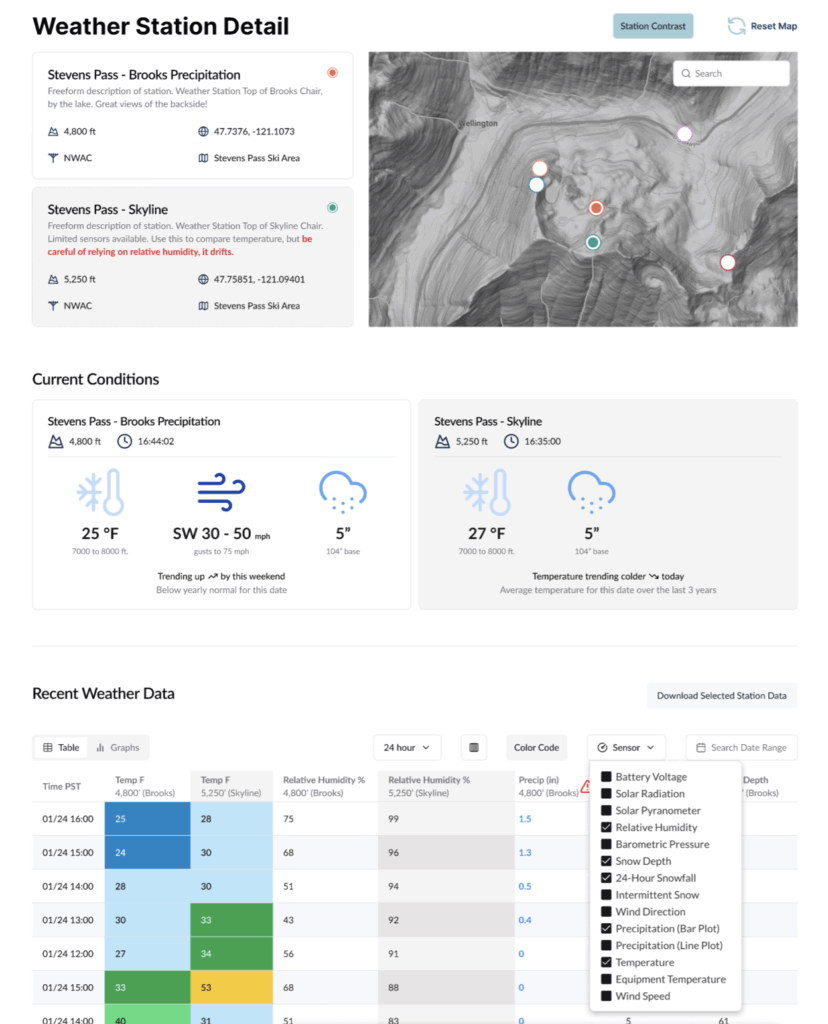
AvyApp: Expanding Mobile Functionality and Reach
The future development of AvyApp is focused on enhancing user experience and providing an even richer set of features for backcountry users. Key planned enhancements include:
- Interactive Maps with Real-Time Data Integration: Future iterations of AvyApp will feature highly interactive maps that can display real-time weather data, snowpack information, and observed avalanche activity. This will allow users to visualize current conditions across a wider area, aiding in route planning and risk assessment.
- Personalized Alerts and Notifications: Users will be able to set up personalized alerts for specific geographic areas or weather conditions, ensuring they receive timely notifications about changing avalanche danger levels or critical weather events.
- Offline Access to Forecasts and Essential Data: Recognizing that mobile service can be unreliable in remote mountain terrain, a crucial development will be the ability to download forecasts and essential safety information for offline access. This feature will significantly enhance safety for users venturing into areas with limited connectivity.
- Streamlined Observation Reporting: The app will aim to simplify the process of user-submitted observations, making it easier for backcountry users to contribute valuable real-time information to avalanche centers, thereby improving the accuracy and timeliness of forecasts.
- Integration with Wearable Devices: Future plans may include integration with popular wearable devices, allowing for the discreet display of critical safety alerts and basic forecast information, further enhancing situational awareness for users.
AvyWeb: A Comprehensive Hub for Avalanche Information
AvyWeb is envisioned as a central, dynamic hub for all avalanche-related information, offering a sophisticated and user-friendly interface for both the public and avalanche professionals. Planned enhancements include:
- Advanced Weather Visualization Tools: Beyond basic forecasts, AvyWeb will offer advanced tools for visualizing complex weather patterns, including wind direction and speed, temperature gradients, and precipitation types, providing forecasters and users with a more nuanced understanding of mountain weather.
- Detailed Snowpack Analysis and Modeling: The platform will incorporate more sophisticated snowpack analysis tools, potentially including 3D visualizations of snow layers, data from snow pits, and even predictive modeling of snowpack stability under various stress factors.
- Interactive Avalanche Incident Databases: A robust and searchable database of past avalanche incidents, including detailed reports and analyses, will be a valuable resource for education, research, and understanding historical trends in avalanche activity.
- Enhanced Educational Content Integration: AvyWeb will serve as a platform for seamlessly integrating a wider array of educational resources, including videos, tutorials, and interactive learning modules on avalanche safety, rescue techniques, and risk management.
- Customizable Dashboard for Avalanche Centers: Avalanche centers will have access to a customizable dashboard that allows them to tailor the presentation of information to their specific regional needs and user demographics, enhancing the relevance and effectiveness of their forecasts.
- Integration of Real-Time Remote Sensing Data: Future developments may see the integration of data from remote sensing technologies, such as satellite imagery and drone-based surveys, to provide a more comprehensive and up-to-date picture of snowpack conditions and potential hazards across vast mountainous regions.
Data and Evidence: The Foundation of Modern Forecasting
The success of initiatives like Avy relies heavily on robust data collection and analysis. The increasing volume of data available, from automated weather stations and remote sensing technologies to user-submitted observations, provides an unprecedented opportunity to refine avalanche forecasting models. For instance, studies have shown that incorporating detailed wind data can significantly improve the accuracy of avalanche predictions in specific terrain types. Similarly, the analysis of historical avalanche incidents has revealed critical patterns related to snowpack structure, weather events, and human factors, informing preventative strategies.
The National Avalanche Center (NAC) has been instrumental in promoting data standardization and sharing across U.S. avalanche centers. The Avalanche Forecast Platform (AFP), which serves as the backbone for forecast publication, also facilitates the collection and aggregation of observational data. This shared infrastructure is crucial for identifying macro-level trends in avalanche activity and climate change impacts on snowpack stability. The ongoing development of Avy builds directly upon this data-rich environment, aiming to make this information more accessible and actionable for a broader audience.
Broader Impact and Implications: A Safer Future in the Mountains
The implications of NWAC’s leadership in modernizing avalanche forecasting are far-reaching. By creating a unified, accessible, and user-friendly digital ecosystem, the "Avy" project has the potential to significantly enhance safety for the growing number of individuals participating in backcountry recreation. This includes skiers, snowboarders, snowshoers, and other outdoor enthusiasts who increasingly venture into avalanche-prone terrain.
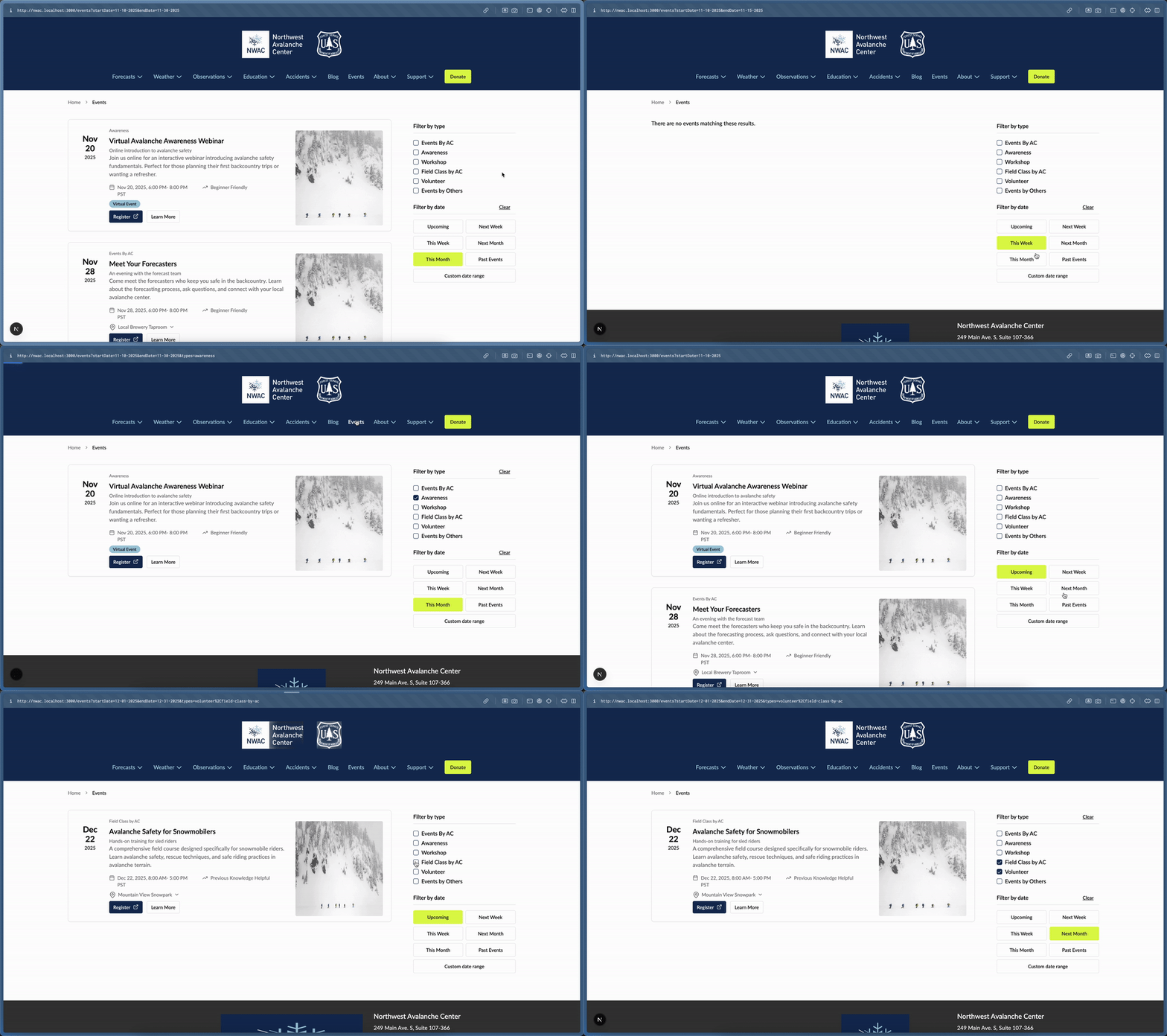
The consistent delivery of information across different regions will reduce confusion and improve decision-making capabilities for users who travel between different forecasting zones. For avalanche centers, the collaborative development of shared tools translates into more efficient operations, allowing them to allocate resources more effectively towards their core mission of public safety.
Furthermore, the enhanced accessibility of educational materials and real-time safety information can foster a stronger culture of safety and preparedness within the backcountry community. As climate change continues to influence snowpack dynamics and weather patterns, the ability to deliver timely, accurate, and easily digestible information becomes ever more critical. The "Avy" project represents a forward-thinking investment in the safety and well-being of all who enjoy the mountain environment. The initiative’s success is not only a testament to NWAC’s technological prowess but also to the power of collaboration in addressing complex challenges and building a safer future for mountain recreation. The visual mockups, showcasing interactive maps and streamlined app interfaces, offer a tangible glimpse into this future, promising a more informed and safer experience for every backcountry adventurer.

