
The permanent suspension of summer skiing operations on the Horstman Glacier at Whistler Blackcomb marks a definitive turning point for the North American winter sports industry, signaling an end to a thirty-year era of year-round alpine training. For Mike Douglas, a professional Salomon athlete and a foundational figure in the freeskiing movement, the loss of this glacier is not merely a logistical change but a visceral indicator of a broader environmental crisis. What was once a high-altitude proving ground for the world’s elite winter athletes in the 1990s has succumbed to the realities of a warming climate, forcing brands and athletes to transition from passive observation to aggressive climate advocacy. This shift has culminated in a strategic partnership between Salomon and the non-profit organization Protect Our Winters (POW), aiming to bridge the gap between industrial manufacturing and environmental stewardship.
The Decline of the Horstman Glacier: A Chronological Overview
To understand the gravity of the current situation, one must look at the historical significance of the Horstman Glacier. Located on Blackcomb Mountain in British Columbia, the glacier served as the epicenter of summer skiing and snowboarding in North America for decades. During the 1990s, when Mike Douglas was beginning his career, the glacier hosted legendary summer camps that produced generations of Olympic medalists and X-Games champions.
However, the timeline of its decline has been accelerating. By the mid-2010s, Whistler Blackcomb began implementing snow-harvesting and snowmaking efforts specifically to preserve the glacier’s surface. Despite these interventions, the physical mass of the ice continued to retreat. In 2020, the resort announced that summer skiing would be suspended due to safety concerns and the receding ice line, which made the installation of seasonal T-bars increasingly difficult. By last year, the decision was made to close summer operations indefinitely. This event serves as a localized case study for a global phenomenon: the thinning of the mountain cryosphere.
Scientific Context and the Shrinking Snowpack
The challenges faced by Whistler Blackcomb are mirrored across the global ski industry. According to data from the Intergovernmental Panel on Climate Change (IPCC), mountain glaciers are losing mass at rates unprecedented in the last two millennia. In Western North America, the spring snowpack has declined by an estimated 15% to 30% since the mid-20th century.
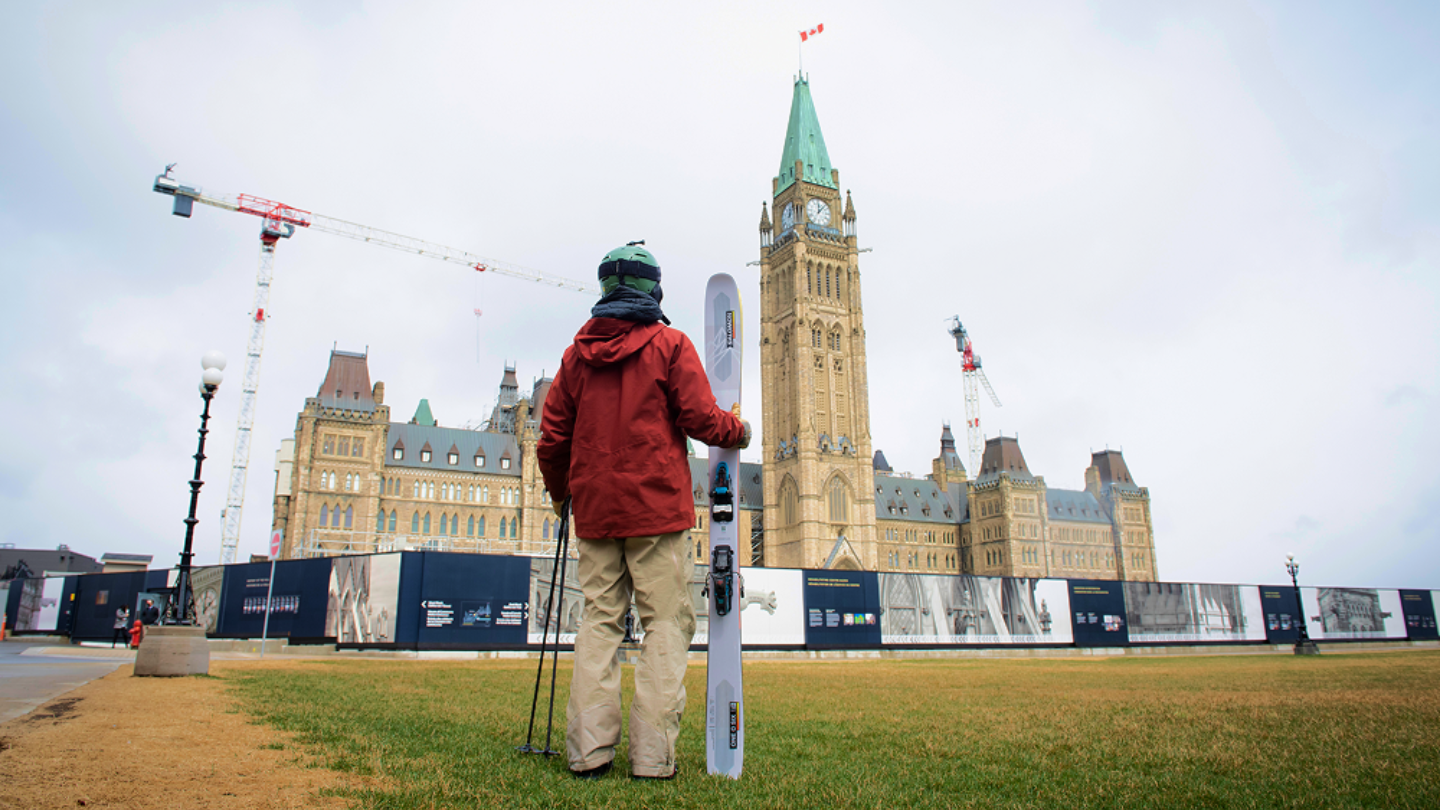
For the outdoor industry, these statistics translate to shorter seasons and increased operational costs. A study published in the journal Current Issues in Tourism suggests that by 2050, more than half of the ski resorts in the Northeast United States may no longer be economically viable without massive investments in snowmaking—a process that is itself energy-intensive. This environmental reality has created an "all hands on deck" moment, where the survival of the sport depends on the industry’s ability to mitigate its own carbon footprint while lobbying for systemic policy change.
The Evolution of Corporate Responsibility at Salomon
Salomon, a global leader in outdoor equipment, has recognized that its role must extend beyond the production of high-performance gear. The company has integrated sustainability into its core business model through a multi-faceted approach focused on circularity and supply chain transparency.
A key component of this strategy is the "Index.01" project, which introduced a fully recyclable performance running shoe. This initiative was designed to address the end-of-life cycle of sporting goods, which traditionally end up in landfills. In the realm of winter sports, Salomon has begun incorporating recycled materials into ski edges and using bio-based resins in core construction.
"I like to think I can help balance the desire for net zero from the team at Salomon HQ and the practical realities of participating in high-level sports," Douglas stated. He emphasized that because Salomon operates on a global scale, even incremental changes in how equipment is manufactured and shipped can lead to significant reductions in the brand’s total carbon equivalent emissions. The company’s goal is to reduce its overall carbon footprint by 30% by 2030, a target that requires a fundamental restructuring of its logistics and material sourcing.
The Strategic Partnership with Protect Our Winters (POW)
While manufacturing changes address the "supply" side of the environmental equation, advocacy addresses the "policy" side. This is where the partnership with Protect Our Winters (POW) becomes critical. Founded by professional snowboarder Jeremy Jones, POW has evolved into a sophisticated political force that mobilizes the "Outdoor State"—the millions of people who identify as outdoor enthusiasts—to vote and lobby for climate legislation.
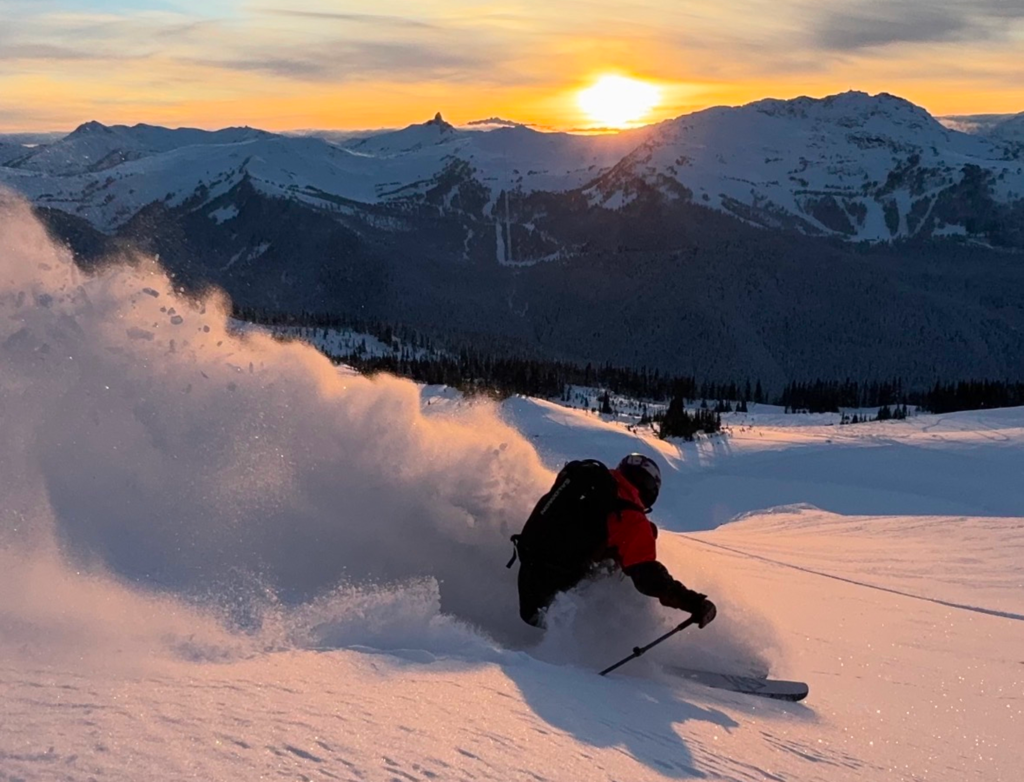
Salomon’s involvement with POW goes beyond financial sponsorship. The brand supports the Quality Ski Time (QST) tour, which combines film screenings with climate education, and provides advocacy training for its athletes. By equipping athletes like Mike Douglas with the tools to speak effectively about climate science and policy, Salomon is leveraging the cultural influence of its ambassadors to drive civic engagement.
Douglas, who has been a member of the POW Canada Alliance since 2018, views this as the most significant move a brand can make. Athletes act as first-hand witnesses to the changing landscape; they see the receding glaciers and the erratic weather patterns long before they are reflected in annual reports. This authenticity gives them a unique platform to speak to audiences that might otherwise be indifferent to climate messaging.
Economic Implications and Industry-Wide Impact
The transition toward sustainable manufacturing and climate advocacy is not merely an ethical choice; it is an economic necessity. The outdoor recreation economy contributes billions of dollars to the global GDP. In the United States alone, the outdoor industry accounts for roughly 2% of the national GDP, supporting millions of jobs.
When glaciers melt and winters become unpredictable, the economic stability of mountain communities is jeopardized. Resort operators, equipment manufacturers, and local hospitality businesses all face a direct threat to their revenue streams. Consequently, many industry analysts argue that "green" initiatives are a form of risk management. By investing in renewable energy for resorts and circular manufacturing for gear, the industry is attempting to future-proof itself against the very climate volatility it helped create during the industrial era.
Furthermore, consumer behavior is shifting. A 2023 report on retail trends indicated that Gen Z and Millennial consumers—the next generation of skiers and riders—are significantly more likely to purchase from brands that demonstrate a commitment to environmental and social responsibility. For Salomon, being a "business of integrity" is a critical component of brand loyalty in an increasingly crowded market.

The Athlete’s Role: From Performance to Advocacy
The role of the professional athlete is undergoing a paradigm shift. Historically, an athlete’s value was measured by their competitive results or their ability to capture stunning footage in remote locations. Today, that value is increasingly tied to their social and environmental impact.
"If we don’t speak up, who will?" Douglas asks. This sentiment is shared by an increasing number of professionals who are trading powder days for days spent in courthouses or boardrooms. The challenge for these athletes is navigating the "hypocrisy trap"—the criticism that their lifestyle, which often involves global travel and the consumption of high-tech gear, is at odds with their environmental message.
However, POW and Salomon advocate for "imperfect advocacy." The goal is not individual purity but systemic change. By using their platforms to push for clean energy grids, carbon pricing, and public land protection, athletes can drive changes that far outweigh their individual carbon footprints.
Conclusion: A Closing Window for Action
The story of the Horstman Glacier is a microcosm of the challenges facing the modern world. It is a reminder that the places we love are not guaranteed to exist for future generations. However, the proactive response from Salomon and the collaborative efforts with Protect Our Winters provide a blueprint for how the private sector can engage with the climate crisis.
The integration of responsible manufacturing, athlete-led advocacy, and strategic partnerships represents a new standard for the outdoor industry. As Mike Douglas observed, the tools and the language for this work have improved vastly since the 1990s, but the window for effective action is narrowing. The "all hands on deck" moment has arrived, and the industry’s ability to adapt will determine whether the next generation of athletes will have a proving ground of their own, or if they will be left with only stories of the ice that once was.

