
At the remote southern reaches of the globe, where the Southern Ocean meets the frozen expanse of the Antarctic continent, a critical scientific inquiry is unfolding that may dictate the future of global coastlines. Dr. Ali Banwell, a Research Scientist at the University of Colorado Boulder and a Professor in Glaciology at Northumbria University, has recently concluded a pivotal field season on the McMurdo Ice Shelf. As a member of the Protect Our Winters (POW) Science Alliance, Dr. Banwell’s mission transcends mere observation; she is leading an investigation into the structural integrity of the ice shelves that act as the primary barrier between the massive Antarctic ice sheets and a rapidly warming ocean.
The stakes of this research are grounded in a singular, sobering statistic: if the entirety of the Antarctic Ice Sheet were to melt, global sea levels would rise by approximately 190 feet. While scientists consider a total collapse to be a long-term risk rather than an immediate certainty, the mechanisms that facilitate such a collapse are currently active. Dr. Banwell’s research focuses on the "buttressing" effect of ice shelves—vast, floating extensions of glacial ice that ring 75% of the Antarctic continent. These shelves serve as a physical brake, slowing the flow of land-based glaciers into the sea. Should these shelves fail, the inland ice would accelerate its descent into the ocean, triggering a catastrophic rise in sea levels that would submerge coastal cities worldwide.
The Mechanics of Ice Shelf Stability and the Mystery of Rumples
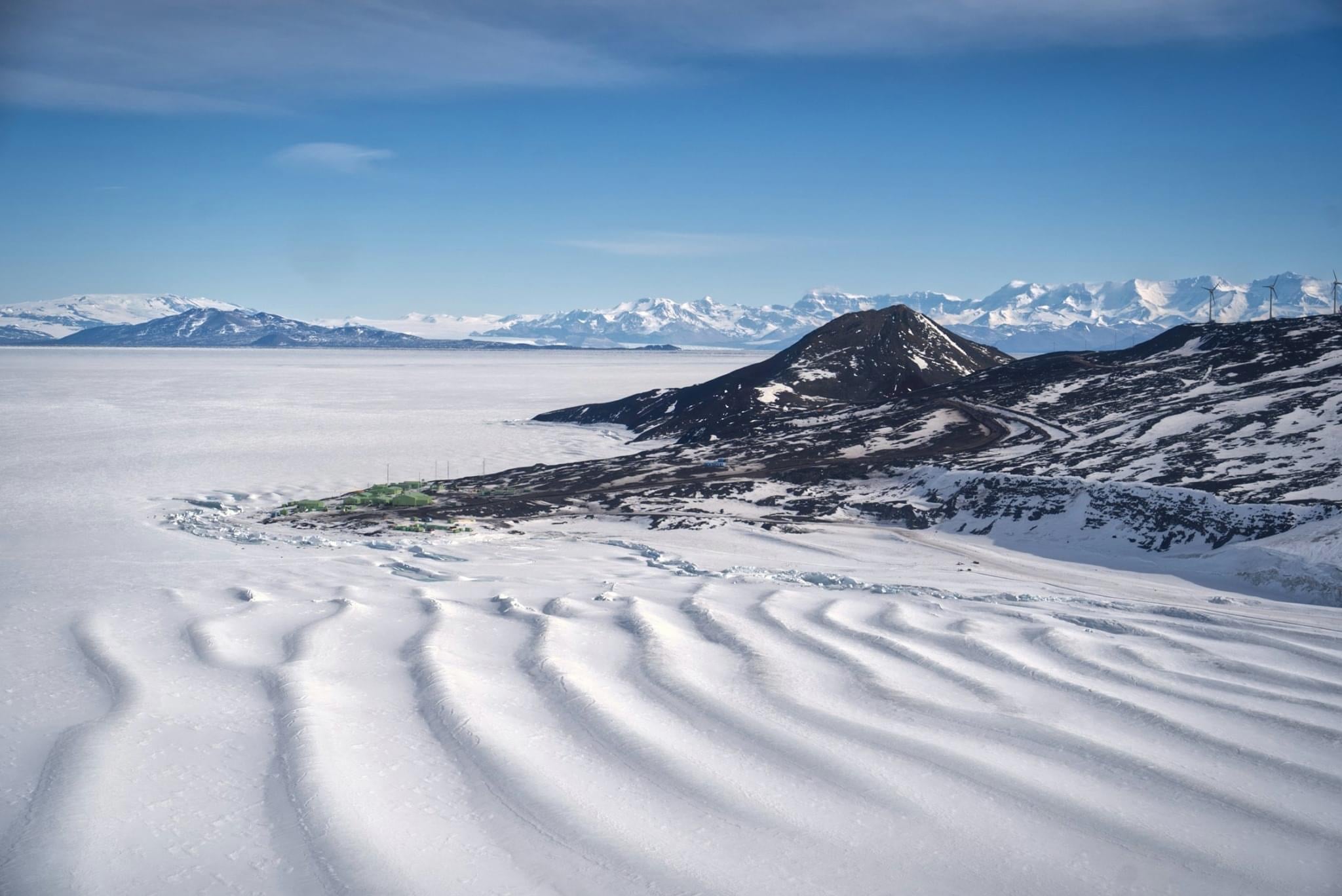
The focus of Dr. Banwell’s National Science Foundation (NSF)-funded project is the McMurdo Ice Shelf, a region near the United States’ McMurdo Research Station on Ross Island. While most ice shelves are characterized by a steady outward flow toward the open sea, the McMurdo Ice Shelf exhibits a peculiar and complex behavior. In certain sectors, the ice is not flowing freely but is instead being forced against land masses or grounded features.
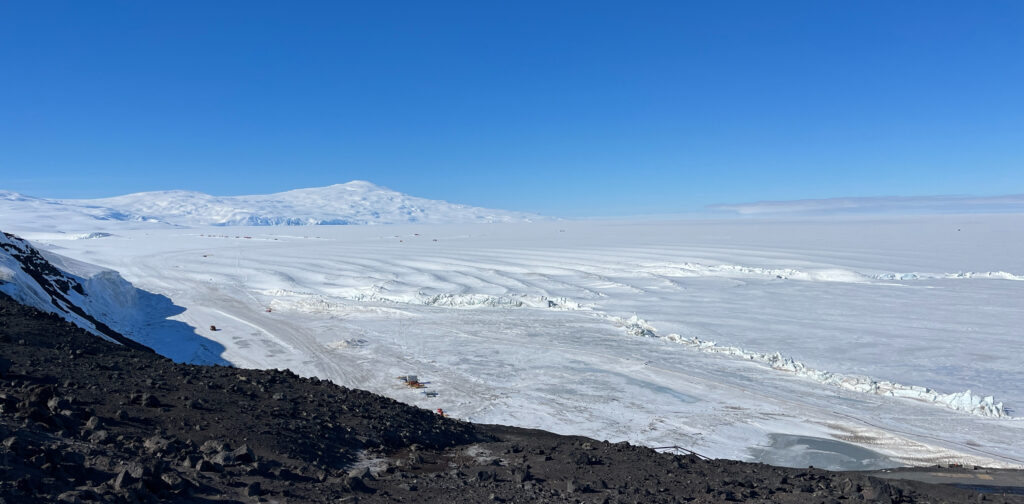
This physical obstruction results in a phenomenon known as "ice shelf rumples." These are wave-like ridges and topographical undulations that stretch across the surface of the ice. "Instead of simply flowing out to sea, parts of the ice shelf are actually being pushed into areas of land," Dr. Banwell explains. This compression causes the ice to buckle, crumple, and in many instances, fracture. The central scientific question driving the expedition is whether these rumples act as a stabilizing force—essentially anchoring the shelf—or if they represent points of structural failure that make the shelf more vulnerable to total disintegration.
To answer this, Dr. Banwell and her team are analyzing the internal stresses of the ice. If the rumples provide enough friction to slow the glacier’s progress, they are a vital asset in the fight against sea-level rise. However, if the buckling creates deep fractures and crevasses, the rumples may be the "Achilles’ heel" of the shelf, providing a pathway for meltwater to penetrate the ice and accelerate its breakup.
Chronology of the Six-Week Expedition
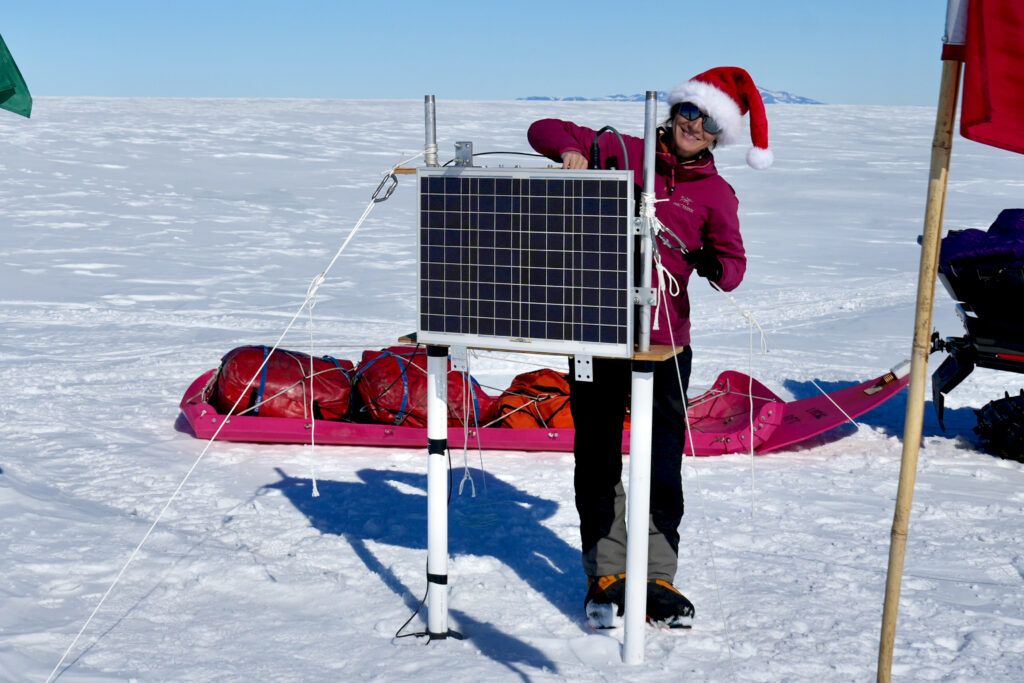
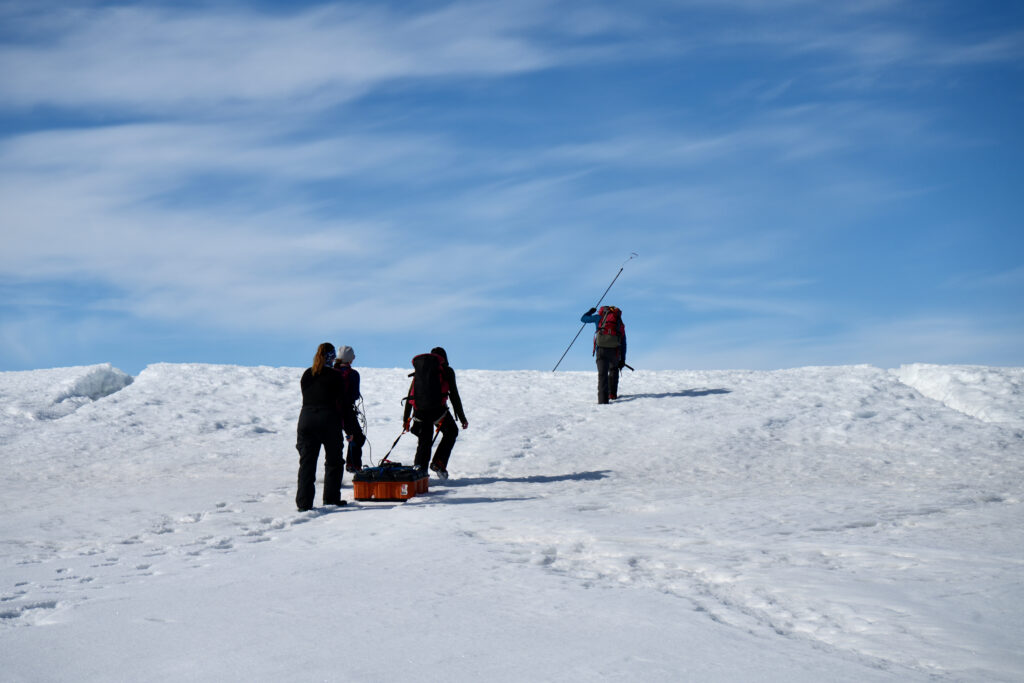
The field season involved a six-week deployment on the ice, characterized by grueling physical labor and high-stakes technical installations. Dr. Banwell led a specialized team of four, including Co-Principal Investigator Ryan Cassotto from the University of Colorado Boulder and the University of Maine, and PhD students Allie Berry (University of Maine) and Michela Savignano (University of Colorado Boulder).
The team’s daily routine involved departing from McMurdo Station via snowmobile, navigating a landscape that Dr. Banwell describes as "vast, remote, and at times almost otherworldly." The primary objective of the first two weeks was the deployment of a sophisticated sensor network designed to monitor the ice shelf’s "vital signs" throughout the harsh Antarctic winter.
By the midpoint of the expedition, the team had established a grid of high-precision instruments. These included:
- Seismometers: Sensitive devices placed deep within the ice to detect "icequakes" or the acoustic signals of internal cracking.
- Centimeter-Scale GPS Units: Trackers capable of measuring the minute-by-minute movement of the ice shelf with surgical precision.
- Radar Systems: Instruments used to peer through the ice to measure its thickness and identify internal deformation layers.
- Automated Weather Stations: Hubs for collecting atmospheric data, including wind speed, solar radiation, and temperature.
- Time-Lapse Cameras: Positioned to capture high-resolution images every 30 minutes, providing a visual record of surface changes.
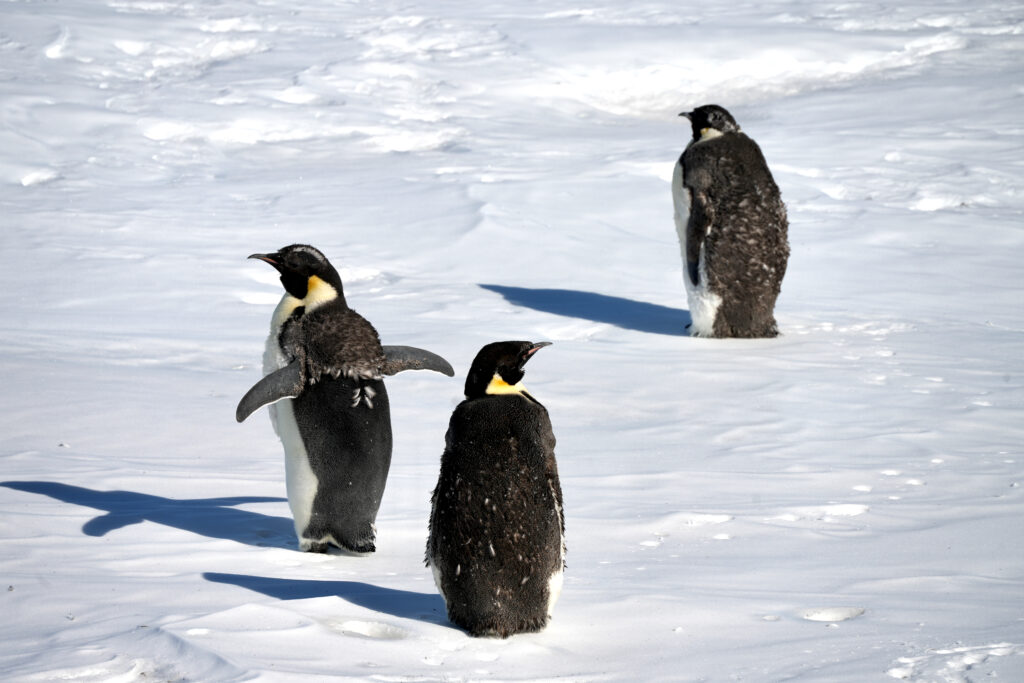
During the final weeks, the team performed maintenance on these systems and conducted manual surveys of the "rumple zone." Amidst the technical work, the researchers shared their environment with local wildlife; three emperor penguins, in the midst of their annual molt, became regular fixtures near the field site. Because molting penguins lose their waterproof feathers and cannot swim, they are forced to remain on the ice for weeks, providing the scientists with a rare, close-up look at the continent’s most famous residents.
Preliminary Findings and Unexpected Anomalies
Although the full data set will not be retrieved until the following field season, early observations from the team have already raised eyebrows in the glaciological community. First, the rate of ice movement was higher than anticipated. The team recorded the glacier moving at a rate of one to two feet per day. While this may seem slow by human standards, for a massive geological feature, it represents a highly dynamic and potentially unstable state.
Furthermore, the 2023-2024 field season was marked by record-breaking warmth. Dr. Banwell, a veteran of seven Antarctic summers, noted that this was the warmest season she had ever experienced. The implications of this heat were immediately visible on the surface of the ice. As the seasonal snowpack melted earlier than usual, it revealed a "far more fractured ice surface" than previous satellite imagery had suggested.
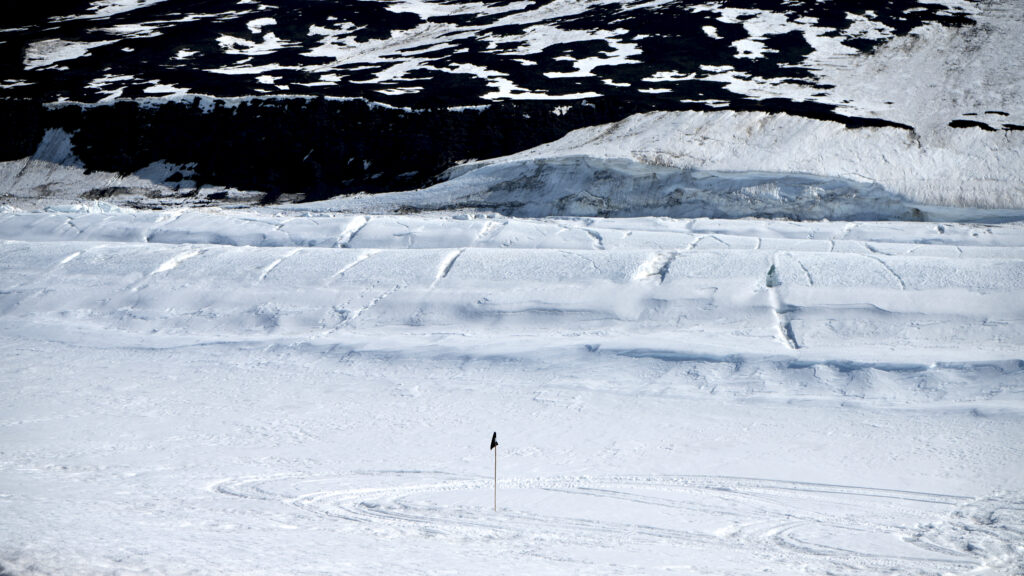
The team encountered a significantly higher number of crevasses—deep, dangerous cracks in the ice—than they had prepared for. This increased fracturing is a direct symptom of thermal stress and physical compression. The prevalence of these crevasses necessitated constant vigilance and relied heavily on the team’s mountaineering and crevasse-rescue training, highlighting the physical dangers inherent in modern climate science.
Supporting Data: The Broader Context of Antarctic Melt
Dr. Banwell’s research sits within a broader context of alarming trends across the Antarctic continent. According to the Intergovernmental Panel on Climate Change (IPCC), the rate of ice loss from the Antarctic Ice Sheet has tripled over the last three decades. The West Antarctic Ice Sheet (WAIS), in particular, is considered to be in a state of "unstable retreat."
Data from the National Snow and Ice Data Center (NSIDC) indicates that Antarctic sea ice reached record lows in 2023, reducing the protective buffer that prevents ocean swells from battering the edges of the ice shelves. When ice shelves like McMurdo or the more famous Thwaites (the "Doomsday Glacier") thin or fracture, the "cork is removed from the bottle," allowing the massive inland glaciers to slide into the sea.
The McMurdo Ice Shelf serves as a critical test case. Because it is accessible from the U.S. Antarctic Program’s main hub, it allows for the kind of intensive, ground-based monitoring that is difficult to achieve on more remote shelves. The data gathered here regarding "rumples" will be used to calibrate satellite models that monitor the entire continent, providing more accurate predictions for ice shelves globally.
Institutional Analysis and Global Implications
The collaboration between the University of Colorado Boulder, Northumbria University, and the University of Maine underscores the international nature of climate research. Funding from the National Science Foundation (NSF) highlights the strategic importance the United States places on understanding sea-level rise, which poses a direct threat to American infrastructure, from the naval bases in Norfolk, Virginia, to the financial hubs of Lower Manhattan.
Scientific analysts suggest that the "rumple" research could lead to a paradigm shift in how glaciologists view ice shelf topography. If the data shows that rumples are predominantly structural weaknesses, current models may be underestimating the speed of potential ice shelf collapses.
The human cost of these changes is immense. Current projections suggest a global sea-level rise of one to three feet by the end of the century. According to data from Climate Central, a three-foot rise would result in the permanent flooding of lands currently home to over 100 million people. In the United States alone, billions of dollars in real estate and critical infrastructure would be at risk.
Conclusion: Listening to the Ice
As the Antarctic winter sets in, Dr. Banwell’s instruments remain on the McMurdo Ice Shelf, silently recording the movements and groans of the ice in total darkness. The team will return in the next field season to retrieve the data loggers and begin the arduous process of analysis.
The work being done by Dr. Banwell and her colleagues represents the front line of climate defense. In a world where "one to two feet" can represent either the daily movement of a glacier or the century-long rise of an ocean, the precision of this data is paramount. By drilling into the cold, navigating the crevasses, and documenting the transformation of the McMurdo Ice Shelf, these scientists are providing the essential clarity needed to prepare for a changing global landscape. The fate of the world’s coastlines may well be written in the wave-like ridges of the Antarctic ice, waiting to be decoded by those brave enough to listen to what the ice is saying.

