
The federal government initiated the first of five mandated oil and gas lease sales in Alaska’s Western Arctic on March 18, marking a significant escalation in the industrial development of the nation’s largest single block of public land. This move, directed by federal mandates to pursue an expeditious program of competitive leasing, encompasses more than 5.5 million acres, including the ecologically sensitive Teshekpuk Lake wetlands. The current administration’s push to expand drilling operations comes exactly a century after the region was first designated for resource extraction, highlighting a long-standing tension between the historical identity of the land as a strategic energy reserve and its modern recognition as a critical, intact ecosystem.
The Historical Foundation of the NPR-A
The administrative history of the National Petroleum Reserve-Alaska (NPR-A) dates back to 1923, when President Warren G. Harding signed an executive order setting aside a vast portion of Alaska’s North Slope. Originally designated as "Naval Petroleum Reserve No. 4," the 23-million-acre tract was intended to secure a domestic oil supply for the United States Navy, which was then transitioning its fleet from coal to oil. Early geological surveys had identified oil seeps along the Arctic coast, and in the wake of the Alaskan gold rush, the federal government viewed the territory as a primary resource colony.
The designation remained under naval jurisdiction for over half a century. In 1976, the Naval Petroleum Reserves Production Act transferred management of the area to the Department of the Interior, specifically the Bureau of Land Management (BLM). While the transfer moved the land into civilian hands, the name was merely updated to the National Petroleum Reserve-Alaska, reinforcing its primary bureaucratic identity as a source of fossil fuels.
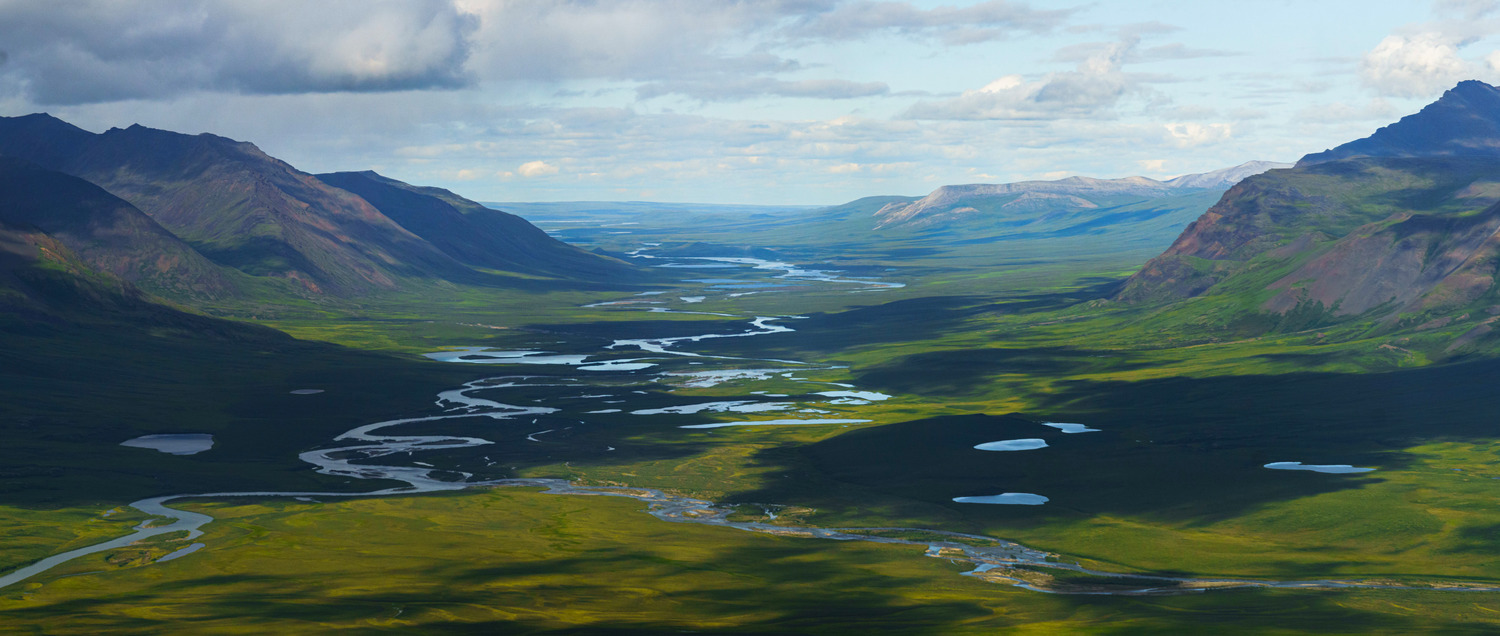
The NPR-A is a massive expanse of tundra and wetlands, spanning roughly 22.8 million acres—an area nearly the size of the state of Indiana or the entirety of President Harding’s home state of Ohio. Despite its industrial name, the region remained largely undeveloped for much of the 20th century, serving as a de facto wilderness. However, the legacy of its founding has created a legal framework that prioritizes "expeditious" energy development, a mandate that current federal policies are now aggressively utilizing.
Chronology of Modern Development and Policy Shifts
The trajectory of the Western Arctic has been defined by a series of political and industrial milestones that have accelerated in the 21st century:
- 1923: President Harding establishes Naval Petroleum Reserve No. 4.
- 1976: Congress passes the Naval Petroleum Reserves Production Act, renaming the area NPR-A and transferring it to the Department of the Interior.
- 1977: The first oil flows through the Trans-Alaska Pipeline System (TAPS) from the nearby Prudhoe Bay field.
- 2013: The Obama administration implements an Integrated Activity Plan (IAP) that protects roughly half of the NPR-A, including the Teshekpuk Lake area, from leasing.
- 2017–2020: The Trump administration initiates a rewrite of the IAP to open the vast majority of the reserve to development.
- 2023–2024: Final approvals and legal mandates solidify the schedule for five major lease sales over a ten-year period, alongside the progression of the massive Willow oil project.
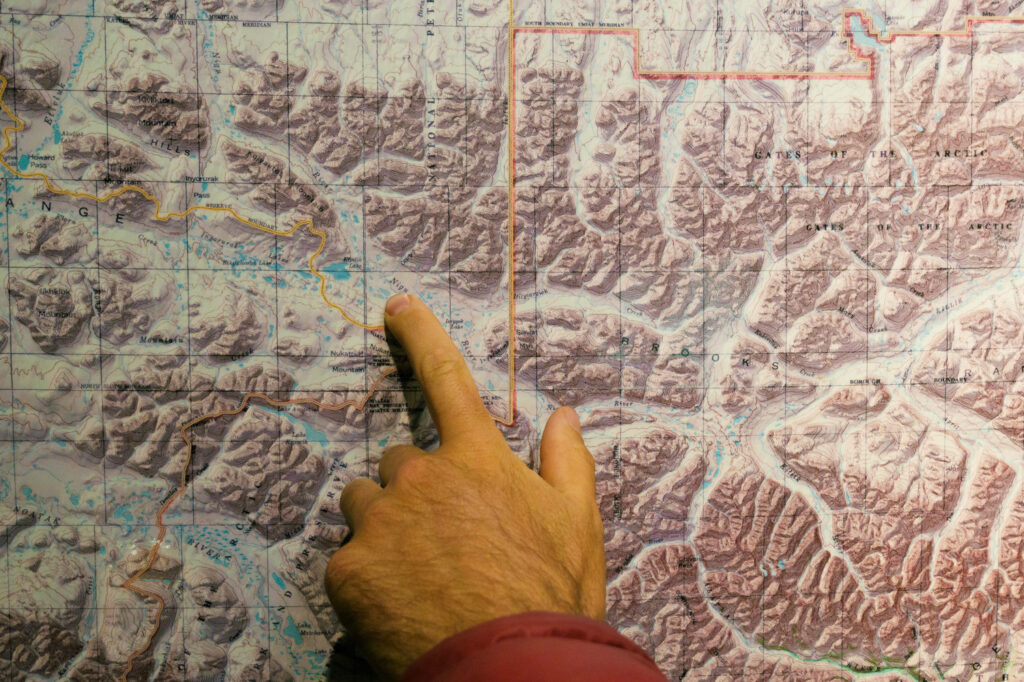
The recent opening of lease sales in the Western Arctic is part of a broader strategy to maximize domestic energy production. This strategy includes not only the NPR-A but also attempts to open the Coastal Plain of the Arctic National Wildlife Refuge (ANWR) and the development of the Ambler Mining District road, a 211-mile industrial corridor designed to provide access to mineral deposits in the Brooks Range.
Ecological Significance and the Teshekpuk Lake Wetlands
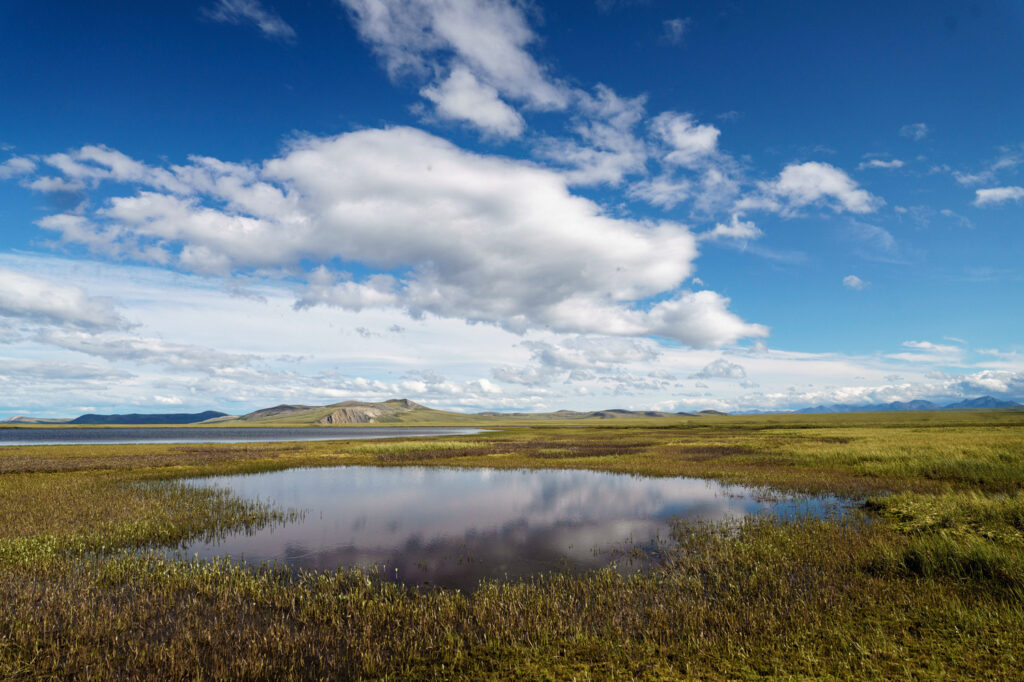
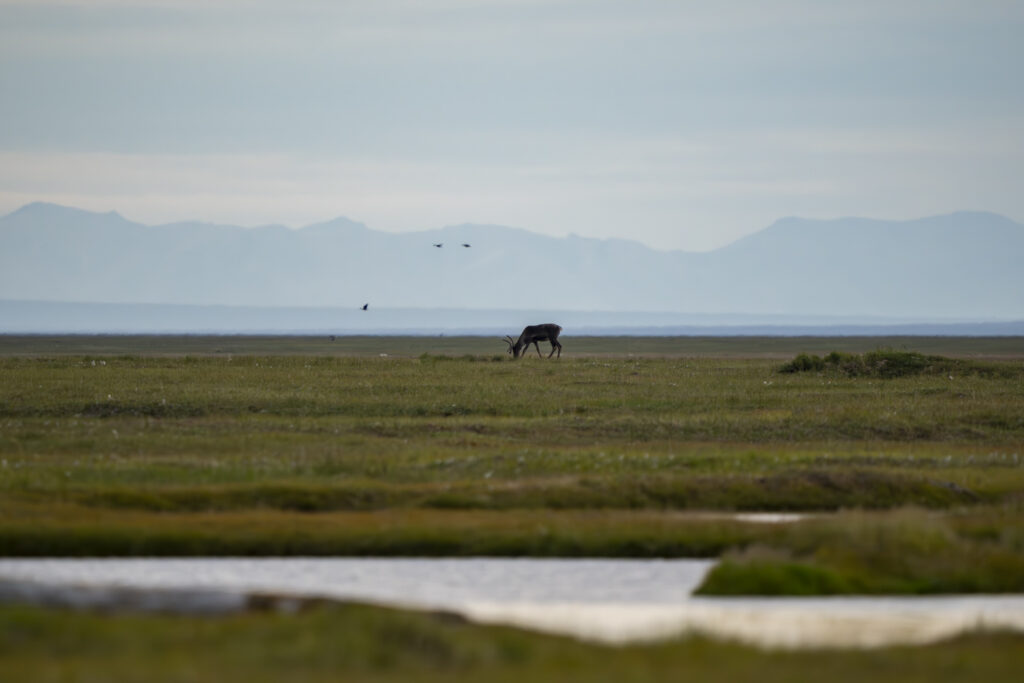
While the NPR-A is legally defined by its petroleum potential, biologists and conservationists define it by its staggering biodiversity. The region is home to the Teshekpuk Lake wetlands, a globally critical habitat that serves as the primary calving ground for the Teshekpuk Lake caribou herd. This herd is a vital subsistence resource for North Slope Iñupiat communities.
The NPR-A is also recognized as the most important avian nursery in the circumpolar North. An estimated 5.4 million aquatic birds migrate to the reserve each season. These birds represent species from six continents and every U.S. state, making the NPR-A a central hub in global migratory flyways. For decades, Teshekpuk Lake was shielded from industrial activity due to its role as a premier molting habitat for migratory waterfowl. The current leasing program, however, removes many of these long-standing protections, allowing for infrastructure and drilling pads in areas previously deemed too sensitive for development.
Economic Data and Technical Challenges
The drive to develop the Western Arctic is fueled by significant resource estimates provided by the U.S. Geological Survey (USGS). According to federal data, Northern Alaska may contain nearly half of all undiscovered, technically recoverable oil on federal lands in the United States. Specifically, the NPR-A is estimated to hold approximately 896 million barrels of conventional oil and 52.8 trillion cubic feet of natural gas.
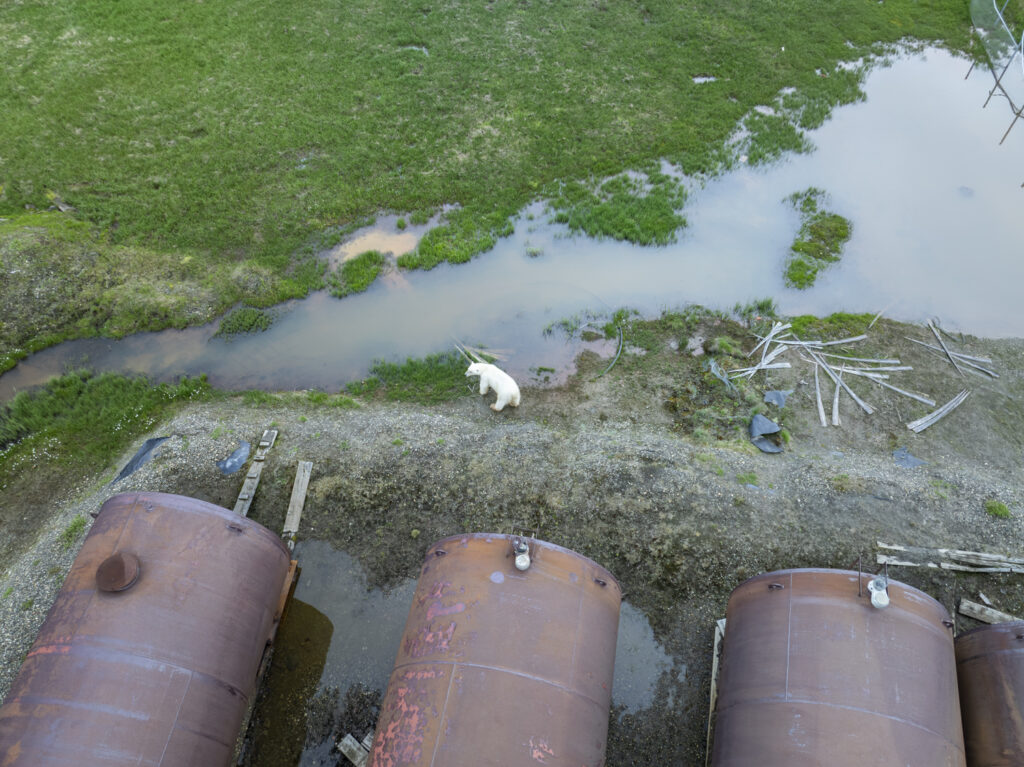
However, the economic reality of Arctic drilling is complex. Extraction in the North Slope is among the most expensive in the world due to the extreme environment, the lack of existing infrastructure, and the necessity of building seasonal ice roads. Projects like ConocoPhillips’ Willow project, which is estimated to produce 750 million barrels over its lifetime, require billions of dollars in capital investment.
Critics of the expansion argue that Arctic oil requires significant public subsidies and that the high "break-even" price per barrel makes it a volatile investment compared to cheaper domestic sources in the Permian Basin or offshore in the Gulf of Mexico. Furthermore, as the global energy transition progresses, the long-term viability of 30-year capital horizons in the Arctic faces increasing scrutiny from financial institutions and insurance companies, many of which have begun to restrict funding for Arctic projects due to environmental and social risks.
Broader Implications and Regional Impacts
The industrialization of the NPR-A is not occurring in a vacuum. It is part of a converging set of pressures on the North Slope. Alaska’s state budget, which is heavily dependent on oil revenue, has faced years of volatility as production from legacy fields like Prudhoe Bay—which has yielded 13.5 billion barrels over 50 years—continues to decline. The state government has aggressively supported new developments to refill the Trans-Alaska Pipeline and shore up its fiscal future.
From a climate perspective, the Arctic is warming three to five times faster than the global average. This warming is already altering the landscape through permafrost degradation, coastal erosion, and changes in sea ice extent. Industrial development introduces additional stressors to an ecosystem already in flux. The construction of permanent roads, gravel pads, and pipelines fragments habitat, potentially disrupting the migration patterns of the Western Arctic caribou herd, which numbers nearly 200,000 animals.
Stakeholder Perspectives and Public Reaction
The federal leasing program has drawn a range of responses from various stakeholders:
- State and Federal Proponents: Government officials argue that the "Petroleum Reserve" designation carries a clear congressional intent for leasing. They emphasize national energy security, job creation, and the generation of billions of dollars in royalties and taxes.
- Indigenous Communities: Perspectives among Alaska Native groups are diverse. Some regional corporations and leadership see development as a path to economic self-determination and funding for essential services like schools and healthcare. Conversely, many subsistence hunters and village residents express deep concern over the impact of industrial noise and infrastructure on caribou and whale migrations.
- Conservation Organizations: Groups such as Protect Our Winters (POW) and the Arctic Slope Regional Corporation (ASRC) critics argue that the NPR-A represents a "last whole place"—one of the few remaining intact ecosystems of its scale in the world. They advocate for a policy of restraint, suggesting that the long-term value of a functioning Arctic ecosystem outweighs the short-term gains of fossil fuel extraction.
Conclusion: The Conflict of Names and Nature
As the legal machinery of the 1976 Act continues to drive lease sales, the Western Arctic stands at a critical juncture. The name "National Petroleum Reserve" continues to function as a powerful legal scaffolding for development, rooted in a 1923 military calculation. Yet, a century of scientific advancement has revealed that the land is far more than a stockpile of fuel; it is a vital organ in the planet’s ecological system.
The ongoing lease sales will determine the character of the North Slope for the next century. While the federal government is currently bound by mandates for "expeditious" leasing, the ultimate fate of the NPR-A may depend on the evolving economic landscape and the political will of future administrations. As the first of five sales concludes, the transition of the Western Arctic from a remote wilderness to an industrial frontier remains one of the most significant environmental and economic shifts in modern American history.

