
The MoonPay X Games League (XGL), in a strategic collaboration with Exodus Movement, Inc. (NYSE American: EXOD), has officially launched a new era of professional athlete compensation by integrating digital asset technology into its inaugural Summer Draft. On March 12, 2026, the organizations announced that 40 athletes selected in the league’s first-ever Summer Draft would receive their signing bonuses in the form of XO Cash ($XO), a new USD-backed stablecoin developed by Exodus. This initiative represents one of the most significant and structured adoptions of blockchain-based payments within a professional sports league to date, signaling a shift in how global sports entities manage payroll and athlete financial liquidity.
Each of the 40 drafted athletes is slated to receive an immediate deposit of $2,500 in XO Cash into their respective Exodus Wallets. This payment model is designed to provide professional competitors with instant access to funds, bypassing the traditional multi-day clearing cycles associated with legacy banking systems. The move is part of a broader Title Partnership between MoonPay and the X Games, which seeks to modernize the financial infrastructure of action sports through decentralized finance (DeFi) tools and self-custodial payment solutions.
The Mechanics of XO Cash and the Exodus Ecosystem
The core of this financial initiative is XO Cash ($XO), a stablecoin designed for high-velocity transactions and institutional-grade stability. Issued and managed by MoonPay, XO Cash is built on the M0 open stablecoin infrastructure. As a fully reserved, USD-backed asset, the stablecoin is intended to maintain a one-to-one peg with the United States dollar, providing athletes with a digital medium of exchange that avoids the volatility often associated with traditional cryptocurrencies like Bitcoin or Ethereum.
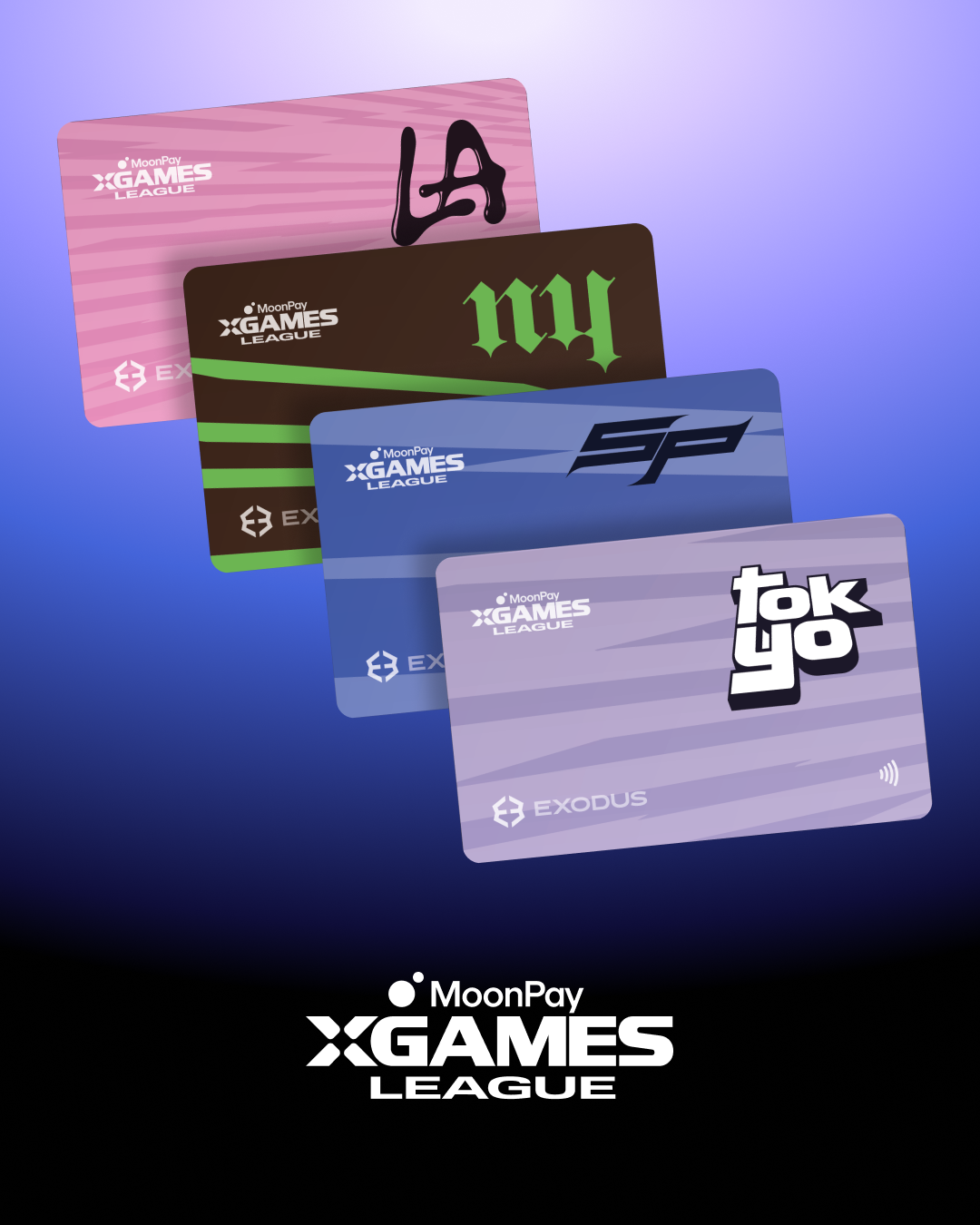
Beyond its role as a compensation vehicle, XO Cash serves as the foundational liquidity layer for Exodus Pay. Scheduled for a full rollout in the second quarter of 2026, Exodus Pay is a self-custodial payments platform that allows users to engage in instant peer-to-peer transactions, spend assets via physical or digital cards, and earn rewards within a secure ecosystem. For the XGL athletes, this integration is further enhanced by the provision of a custom MoonPay XGL Exodus Card. This card is linked directly to the athletes’ self-custodial accounts, allowing them to convert their $XO holdings into fiat currency at the point of sale, enabling global spending at any merchant that accepts standard debit payments.
The emphasis on "self-custody" is a critical component of the Exodus philosophy. Unlike traditional bank accounts or custodial crypto exchanges, where a third party holds the private keys to the funds, the Exodus Wallet allows athletes to maintain total control over their assets. This approach aligns with the growing demand among high-net-worth individuals and professional athletes for financial sovereignty and direct ownership of their wealth.
The Evolution of the X Games: From Events to a Global League
The introduction of stablecoin bonuses is a secondary milestone to the fundamental transformation of the X Games itself. Traditionally known as a series of standalone, invite-only competitions held in summer and winter locations, the X Games has transitioned into the MoonPay X Games League (XGL). This new structure mimics the format of established professional leagues like the NFL or NBA, featuring a co-ed, team-based environment.
The XGL provides athletes with more than just a platform for competition; it introduces a standardized professional environment that includes salaries, health and wellness benefits, and a season-long points race. This structured approach is intended to provide action sports athletes—who have historically relied heavily on inconsistent sponsorship deals and winner-take-all prize purses—with a more predictable and sustainable career path. The Summer Draft is the mechanism by which these teams are formed, and the inclusion of the $XO signing bonus serves as the first financial touchpoint in this new professionalized journey.
Industry analysts suggest that the X Games’ decision to pivot to a league format is a response to the changing landscape of sports consumption. By creating a year-round narrative and team loyalties, the XGL aims to capture a more consistent audience and provide greater value to sponsors. The partnership with MoonPay as a Title Partner further cements the league’s position as a tech-forward entity targeting a younger, digital-native demographic.
A Chronology of Crypto Integration in Action Sports
The March 2026 announcement is the culmination of a multi-year trend of digital asset integration within the X Games ecosystem. The relationship between MoonPay and the action sports world began to solidify during the X Games Aspen events in previous years.
A notable precursor to the Summer Draft initiative occurred when MoonPay matched the gold medal winnings of legendary snowboarder Mark McMorris in cryptocurrency. This event marked the first time an X Games athlete received prize money in digital assets, serving as a successful pilot program for the broader integration now seen in the XGL. Following the success of the McMorris partnership, MoonPay and X Games executives began developing a more comprehensive framework to move beyond one-off marketing stunts toward a functional, league-wide financial infrastructure.
The timeline of this integration reflects a broader trend in the sports industry. Starting in 2021, various crypto firms began securing naming rights to major stadiums and sponsoring jerseys. However, the 2026 XGL Summer Draft represents a "second wave" of crypto-sports partnerships, focusing on utility and infrastructure rather than just brand awareness. By using stablecoins for payroll and bonuses, the XGL is demonstrating a practical use case for blockchain technology in streamlining the business operations of a global sports league.
Strategic Perspectives from Industry Leaders
The leadership of both Exodus and MoonPay has framed this initiative as a necessary disruption of "legacy systems." JP Richardson, CEO and Co-Founder of Exodus, emphasized the global nature of action sports as a primary driver for the adoption of stablecoin payments. Richardson noted that because athletes in the XGL compete across international borders, they require a financial system that is equally mobile and borderless. By utilizing the Exodus Wallet and XO Cash, the league eliminates the delays and fees associated with international wire transfers and currency conversions.
Ivan Soto-Wright, CEO and Founder of MoonPay, echoed these sentiments, drawing a parallel between the rebellious, innovative spirit of action sports and the decentralizing mission of the crypto industry. Soto-Wright stated that the partnership is a natural fit because both entities are focused on building new systems that challenge established norms. He positioned the XGL as one of the most forward-thinking leagues in the world, suggesting that the adoption of digital assets for compensation is an inevitable step for any organization looking to remain relevant in a digital-first economy.
Broader Economic and Industrial Implications
The move to pay athletes in stablecoins has several implications for the broader financial and sporting sectors. First, it highlights the increasing legitimacy of stablecoins as a medium of exchange. While Bitcoin remains a popular investment vehicle, its volatility makes it difficult for use in standard payroll. USD-backed stablecoins like $XO provide the technological benefits of the blockchain—speed, transparency, and 24/7 availability—without the price instability.
Second, the use of the M0 infrastructure suggests a move toward "open" financial systems. M0 is designed to allow different entities to issue stablecoins on a shared, transparent protocol, which could lead to greater interoperability between different digital wallets and payment platforms. As more leagues and corporations look for efficient ways to pay international contractors and employees, the M0-backed XO Cash model may serve as a blueprint.
Furthermore, the listing of Exodus on the NYSE American (EXOD) provides a layer of regulatory oversight and institutional credibility to the project. As a publicly traded company in the United States, Exodus is subject to rigorous reporting and compliance standards, which may alleviate concerns among athletes and regulators regarding the security and transparency of the digital asset ecosystem.
Future Outlook for the MoonPay X Games League
As the inaugural season of the MoonPay X Games League progresses, the focus will likely shift from the draft and signing bonuses to the long-term viability of the league’s economic model. The launch of Exodus Pay in Q2 2026 will be a critical milestone, as it will determine how effectively athletes and fans can utilize $XO in their daily lives.
If the XGL’s model proves successful, it could prompt other mid-tier and niche sports leagues to explore similar digital-first compensation strategies. The ability to provide instant, global payments and direct-to-consumer financial tools offers a competitive advantage in attracting top-tier talent who are increasingly savvy about their financial independence.
The inaugural MoonPay X Games League Summer Draft has set a precedent that extends beyond the ramps and halfpipes of action sports. By merging the high-energy world of the X Games with the cutting-edge financial technology of MoonPay and Exodus, the league is not only crown-funding a new generation of champions but also pioneering a new standard for the global sports economy. The 40 athletes drafted today are more than just competitors; they are the first participants in a large-scale experiment that could redefine the intersection of professional sports and decentralized finance for years to come.

