
The trajectory of freestyle skiing was irrevocably altered in 1998 when Jonny Moseley captured the gold medal at the Nagano Winter Olympics. While the public focused on his charismatic "new-school" style and the gravity-defying 360 mute grab that challenged the rigid standards of the International Ski Federation (FIS), the foundation of that victory was built on a training methodology that was decades ahead of its time. Today, Moseley is translating those early lessons in biometric tracking and recovery into a new era of wellness, partnering with Velvaere, a specialized residential community in Deer Valley, Utah, to define the future of athletic longevity.
The 1998 Paradigm Shift: Data Before the Digital Age
In the late 1990s, the concept of "marginal gains" had not yet become the standard vernacular of professional sports. Most freestyle skiers trained through repetition and raw athleticism. Moseley, however, approached the 1998 Olympic cycle with a revolutionary focus on physiological data. He began meticulously tracking his heart rate and maintaining detailed journals of his daily performance, specifically monitoring "second-day soreness" as a primary metric for evaluating his body’s peak performance window.
This focus on the internal metrics of strain and recovery allowed Moseley to navigate the high-pressure environment of the Olympic cycle. "You exist in this cycle where you only get basically one shot every four years on the main big stage," Moseley reflected. This scarcity of opportunity created a psychological and physical environment where timing the peak of one’s athletic cycle became as important as the technical skill of the sport itself. By understanding his Heart Rate Variability (HRV) and recovery needs long before such metrics were automated by wearable technology, Moseley was able to dominate the 1998 World Cup circuit, winning the first two events of the season before securing gold in Japan.
The Technological Evolution of Recovery
The tools that Moseley once used to gain a competitive edge—manual heart rate monitors and paper journals—have evolved into the sophisticated, AI-driven systems now found at Velvaere. The Deer Valley wellness community represents a significant shift in how high-performance athletes and dedicated amateurs approach the concept of "rest."
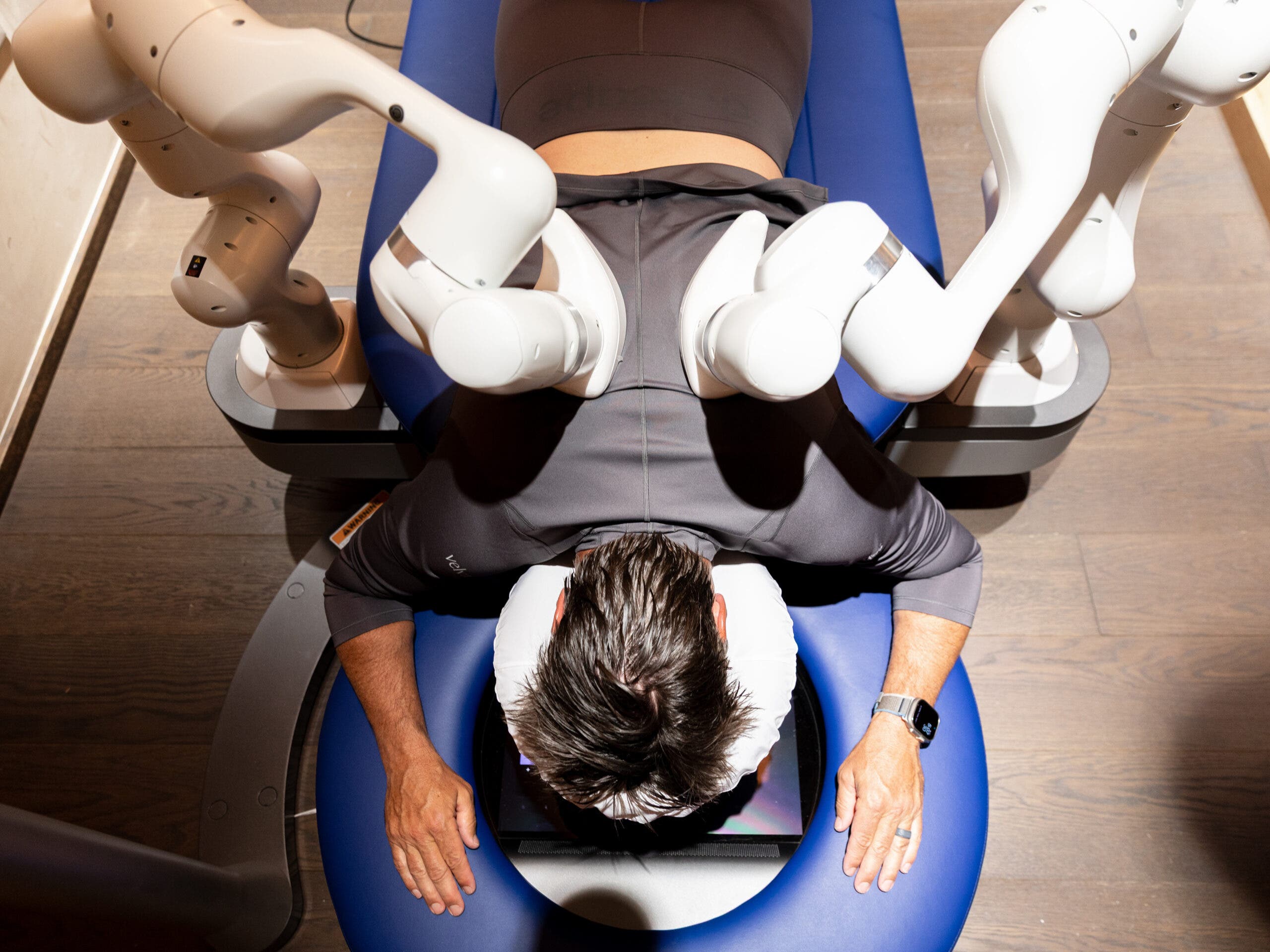
Among the most striking advancements at the Velvaere facility is an AI-powered robotic massage system. This technology utilizes computer vision and biometric sensors to evaluate the human body’s specific muscle tension and postural misalignments before administering a customized treatment. For Moseley, this level of precision mirrors the exclusive access he once had at the United States Olympic & Paralympic Training Centers.
"It reminds me a little bit of when we had access to the Olympic Training Center, or even the US geeking facility, where they’re constantly on the cutting edge of what’s going to be beneficial to athletic potential," Moseley noted. The integration of such technology into a residential setting signifies a broader trend in the sports world: the democratization of elite-level recovery tools.
Advanced Modalities in Modern Wellness
The Velvaere ecosystem incorporates a suite of recovery modalities that target the physiological stressors unique to alpine sports:
- Cryotherapy: Utilizing sub-zero temperatures to reduce systemic inflammation and accelerate tissue repair.
- LightStim LED Therapy: Employing specific wavelengths of light to trigger cellular regeneration and alleviate joint pain.
- Flotation Therapy: Providing a sensory-deprivation environment to lower cortisol levels and facilitate deep neurological recovery.
- Thermal Cycling: The use of traditional saunas followed by cold plunges to improve vascular health and metabolic efficiency.
The historical context of these technologies is noteworthy. While heart rate tracking was introduced to the consumer market as early as 1982, it took nearly two decades for the broader coaching community to recognize the influence of HRV and VO2 max on performance. We are currently seeing a similar adoption curve with AI-driven physical therapy and light-based cellular recovery.
The Seasonal Training Architecture
Despite the availability of high-tech recovery tools, Moseley maintains that the core of athletic readiness remains rooted in consistent, seasonal training blocks. His current regimen is a blueprint for maintaining elite-level function into middle age, focusing on a transition from raw strength to sport-specific endurance.
Summer: The Strength Phase
During the early summer months, Moseley’s routine focuses on foundational strength. This involves heavy compound lifts and a strict morning routine that begins with 30 to 60 minutes of cardiovascular work—often a mix of treadmill sessions and outdoor activity in the Tahoe or Park City mountains. This phase is designed to build the muscular "armor" required to withstand the high-impact forces of skiing.
Autumn: The Endurance and Lateral Shift
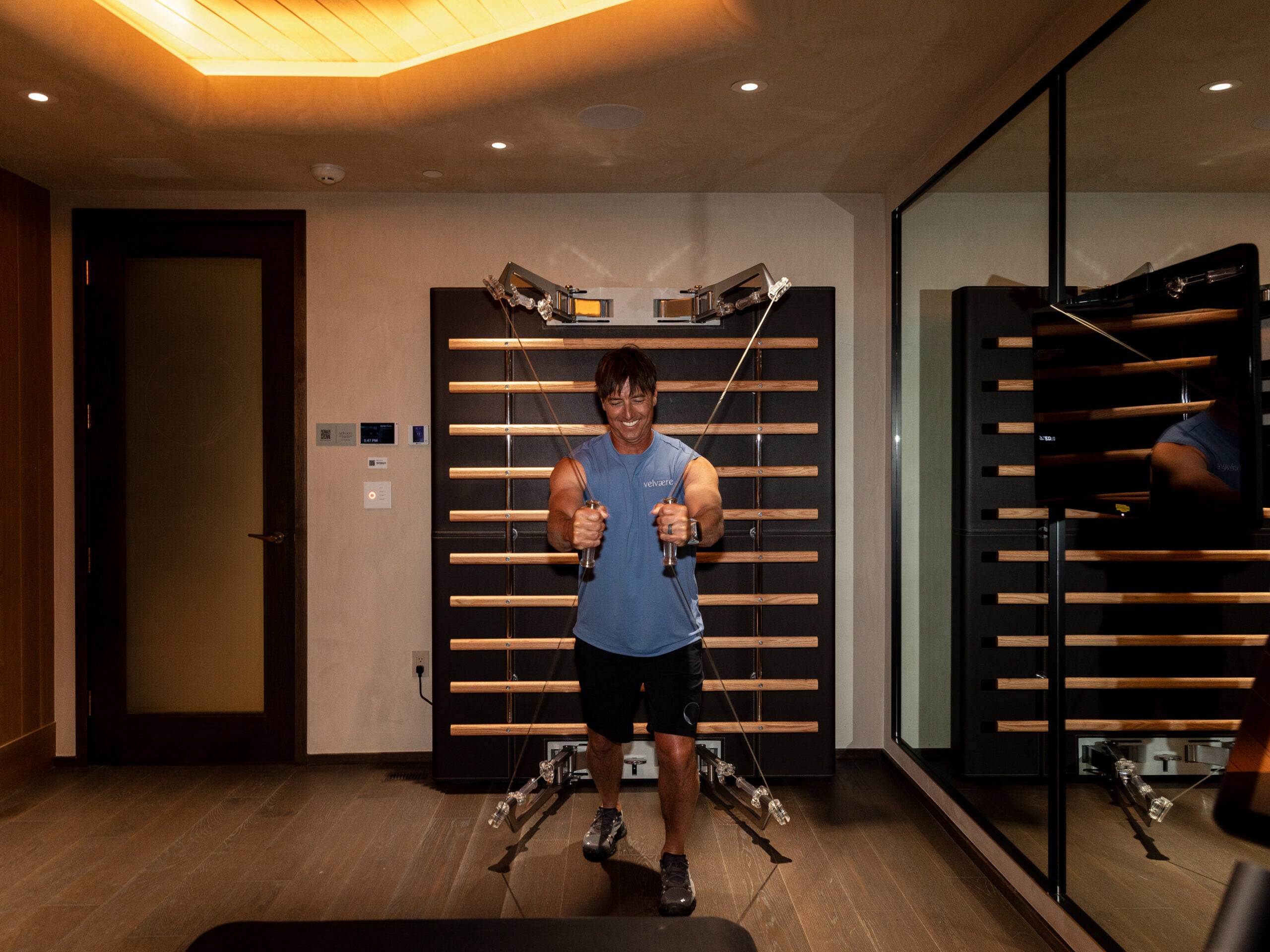
As temperatures drop, the training philosophy shifts toward endurance and lateral stability. For skiers, side-to-side movement is the primary mechanical requirement. Moseley utilizes slide boards and other unilateral (one-leg) training tools to mimic the weight transfer and edge-pressure demands of a downhill run.
Winter: The Plyometric Mode
Immediately preceding the ski season, Moseley enters what he calls "plyometric mode." This involves explosive movements designed to prime the central nervous system. "Box jumps are sort of the gold standard," Moseley says, though he cautions that the transition from a sedentary state to high-impact jumping must be gradual to avoid injury. Starting with lower heights and focusing on the mechanics of landing is essential for "waking up" the fast-twitch muscle fibers required for mogul skiing and high-speed carving.
The Role of Mobility and Aging
One of the most significant changes in Moseley’s routine since his Olympic days is the prioritization of mobility over pure power. "I’m a hot yoga guy," Moseley admits, acknowledging that as an athlete ages, the ability to remain limber becomes the primary bottleneck for performance.
In his youth, Moseley’s training was almost exclusively focused on the lower body. Today, he emphasizes a balanced approach that integrates upper-body stability and spinal mobility. This holistic view of the body is reflected in his interest in "wing foiling"—a sport that requires significant core strength and balance—which he uses to supplement his traditional gym work.
The emphasis on mobility is not merely about comfort; it is a calculated strategy for injury prevention. For an athlete whose career was defined by the "360 mute grab"—a move that requires extreme hip and spinal flexibility—maintaining those ranges of motion is the key to continuing to ski at a high level into his late 40s and beyond.
Implications for the Wellness Industry and Ski Communities
The partnership between an Olympic icon like Moseley and a development like Velvaere highlights a growing trend in the luxury real estate and hospitality sectors: the shift from "amenity-rich" to "wellness-integrated" living.
The global wellness economy is currently valued at over $5.6 trillion, with wellness real estate being one of its fastest-growing segments. By integrating AI-powered recovery, medical-grade fitness equipment, and a community-centric approach to health, developments are catering to a demographic that views health as their primary currency.
Moseley argues that the community aspect is perhaps the most underrated component of success. Being part of an environment where wellness is the default lifestyle, rather than an elective activity, creates a psychological "nudge" toward better habits. For Moseley, who admits he is not naturally inclined toward self-care or "slowing down" unless forced by injury, the structured environment of a wellness community provides the necessary guardrails for longevity.
Conclusion: The Legacy of Innovation
Jonny Moseley’s journey from the top of the Nagano mogul course to the recovery suites of Deer Valley represents the full circle of modern sports science. His career has been defined by a willingness to embrace the "new-school," whether that meant bringing snowboard culture into the rigid world of freestyle skiing or adopting biometric tracking before it was fashionable.
As the ski season approaches, Moseley’s focus remains on the synergy between dynamic movement and intentional rest. By combining the "gumption" required for high-intensity training with the precision of AI-driven recovery, he continues to redefine what is possible for the aging athlete. The lesson for the broader public is clear: elite performance is no longer just about how hard one can train, but how intelligently one can recover. In the high-altitude environments of Tahoe and Park City, the next generation of "new-school" skiing is being built not just on the slopes, but in the cold plunges and under the lenses of AI massage robots.

