
While most aspiring medical professionals spend their gap years in laboratories or shadowing general practitioners in urban centers, Dr. Greg Lichtman chose a path that aligned his surgical ambitions with the rugged terrain of the Colorado Rockies. His tenure at Vail’s prestigious Steadman Philippon Research Institute (SPRI) served as a foundational chapter in a career now dedicated to the intersection of orthopedic excellence and elite athletic performance. During that year in Vail, Lichtman was not merely an observer; he was immersed in the high-stakes world of sports medicine, working alongside U.S. Ski Team athletes as they underwent complex reconstructive surgeries. This period of intense clinical exposure, combined with his own time on the slopes, catalyzed a professional obsession with the Anterior Cruciate Ligament (ACL) and the specific biomechanical failures that lead to its rupture.
Today, Dr. Lichtman operates a practice in Auburn, California, strategically located near the world-class resorts of the Lake Tahoe basin. As an orthopedic surgeon, he is frequently tasked with repairing the damage done by the mountains, yet he remains vocal about a counter-intuitive professional goal: he would prefer his patients never see the inside of his operating room. His commitment to injury prevention is not merely a personal philosophy but a clinical mission shaped by a sports medicine fellowship at the University of Massachusetts and years spent navigating the unforgiving hardpack of East Coast ski resorts.
The Biomechanics of Failure: Understanding the Mechanism of Injury
The ACL is a critical stabilizer of the knee, preventing the tibia (shin bone) from sliding in front of the femur (thigh bone) and providing rotational stability. In the context of alpine skiing, the forces applied to this ligament are immense. Dr. Lichtman notes that while ACL tears are ubiquitous across all skill levels, from novices on the bunny hill to World Cup racers, the mechanisms of injury are remarkably consistent.
The primary culprit in a significant majority of skiing-related ACL injuries is the "backseat" position. When a skier’s center of gravity shifts too far behind their boots, they lose the ability to modulate the pressure on their edges through their shins. This lack of control often leads to a cascade of events that culminates in a tear. According to Dr. Lichtman, the most dangerous window of time is a mere 60-millisecond interval.
One specific mechanism Lichtman highlights is the "Slip-catch." This occurs when a skier is carving a turn and the downhill ski loses its grip on the snow. As the skier attempts to regain balance, the leg straightens and then abruptly flexes as the edge catches the snow again. This rapid compression, combined with the internal rotation of the tibia, creates a valgus (knock-kneed) force that the ACL cannot withstand.
Another frequent cause of injury is the "Phantom Foot" mechanism. This scenario typically involves a skier falling backward and to the side. As the skier’s hips drop below the knees, the tail of the downhill ski—acting as a lever or a "phantom foot"—applies a twisting force to the knee. Because the skier is in the backseat, the traditional safety release mechanisms of the binding are often unable to detect the torque in time to eject the boot, leading to a catastrophic failure of the ligament.
The Data Disparity: Why Skiing Lags Behind Field Sports
One of Dr. Lichtman’s primary concerns is the lack of standardized, validated injury prevention programs for skiing compared to land-based sports. In sports like soccer and basketball, data-driven "FIFA 11+" or similar neuromuscular training programs have been shown to reduce ACL injury rates by as much as 40 to 60 percent. These programs focus on landing mechanics, eccentric quad strength, and reactive agility.
"I saw a high volume of injuries and also saw that there was a lot of data on preventing injuries in land-based sports, but not skiing," Lichtman observed. This disparity is partly due to the environmental variables inherent in skiing. Unlike a controlled turf field or a hardwood court, the skiing environment is in a constant state of flux. Factors such as "Sierra Cement"—the heavy, wet snow characteristic of the Tahoe region—and the blue ice of the Northeast create vastly different physical demands on the musculoskeletal system.
Furthermore, the equipment itself adds a layer of complexity. While a soccer cleat interacts directly with the ground, a skier is tethered to a long, stiff lever (the ski) via a rigid plastic boot. This mechanical interface changes the way forces are transmitted to the knee, making universal prevention protocols more difficult to establish.
Clinical Insights from the U.S. Women’s Ski Team
Dr. Lichtman’s expertise is not confined to his California clinic. As a pool physician for the U.S. Women’s Ski Team, he travels globally to support some of the world’s most elite athletes. From the high-altitude training camps in Portillo, Chile, to the legendary downhill courses of Val d’Isère, France, Lichtman witnesses the physical toll of professional racing firsthand.
His role with the team provides a unique perspective on the limits of human physiology. Even the most conditioned athletes in the world are susceptible to ACL injuries when variables like fatigue and visibility collide. Lichtman notes that "flat light" is a significant risk factor; when a skier cannot perceive the texture of the terrain, they are more likely to be caught off-balance, forcing a reactive movement that can overload the knee.
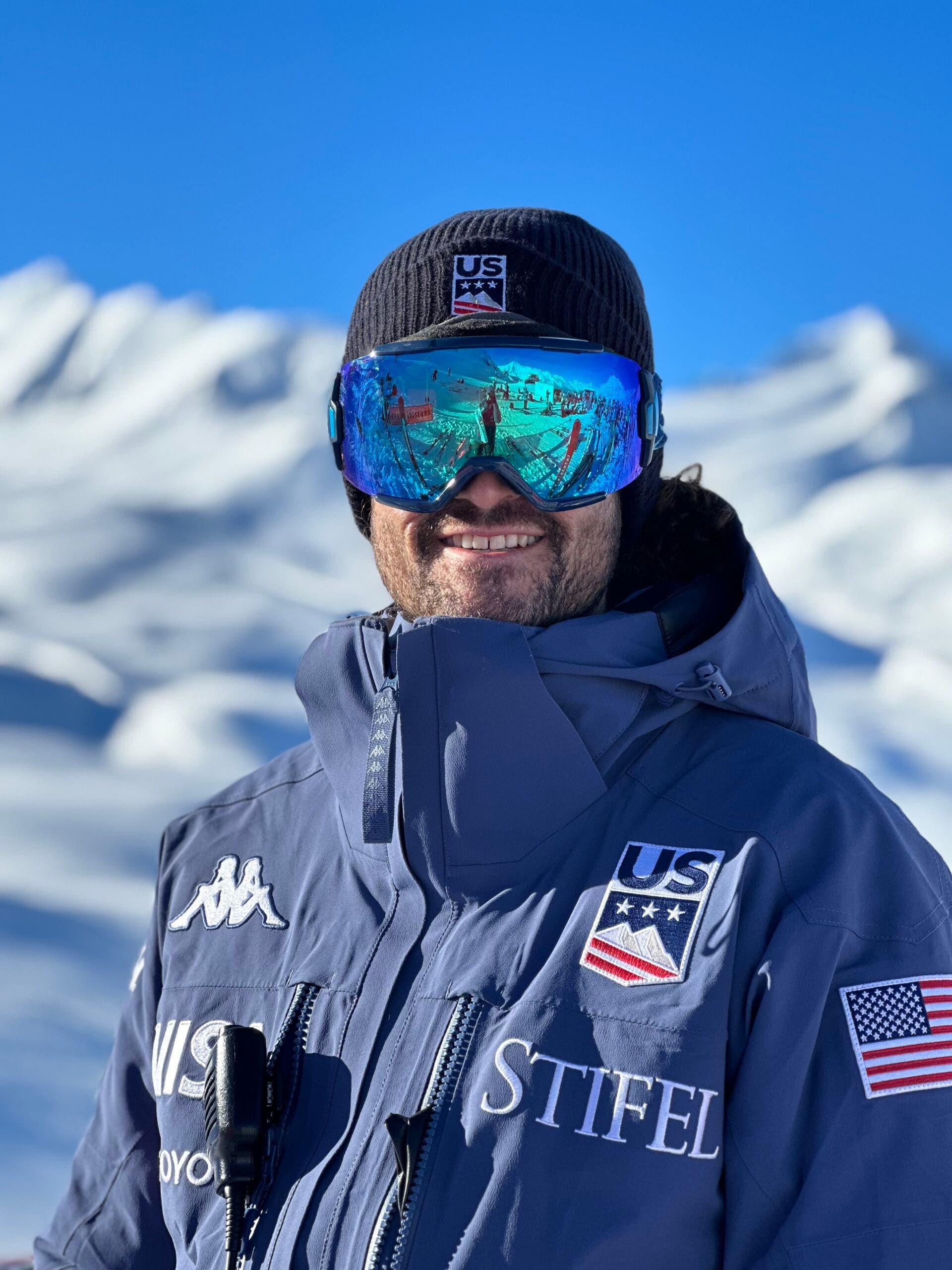
The U.S. Ski Team’s rigorous approach to fitness serves as a blueprint for Lichtman’s recommendations to recreational skiers. However, he acknowledges that even at the highest levels, there is a tendency to overlook certain muscle groups that are vital for joint stabilization.
The Preventative Prescription: Beyond the Wall Sit
For decades, the "wall sit" has been the gold standard for pre-season ski conditioning. While Dr. Lichtman agrees that quadriceps and hamstring strength are essential, he argues that they are insufficient on their own. To truly protect the ACL, a skier must focus on the "lateral chain" and core stability.
The gluteus medius, a muscle responsible for hip abduction and internal/external rotation, is instrumental in maintaining proper knee alignment. When the gluteus medius is weak, the knee is more likely to collapse inward into a valgus position—the "danger zone" for an ACL tear. Lichtman advocates for exercises that emphasize lateral stability and "anti-rotation" core strength. Obliques and deep abdominal muscles allow a skier to remain balanced over their skis even when the terrain becomes unpredictable.
Fatigue management is another pillar of Lichtman’s preventative strategy. Statistical data suggests a spike in ACL injuries during the month of December, as skiers return to the slopes without adequate "ski legs," and again late in the afternoon when muscle glycogen is depleted. "Get off the hill before an injury happens," Lichtman advises, emphasizing that "fatigue awareness" is a critical skill that skiers must develop to stay out of the operating room.
The Role of Equipment and Future Research
The conversation around ACL prevention inevitably turns to equipment, specifically bindings. A common misconception among recreational skiers is that their bindings will always release in the event of a fall. However, as Dr. Lichtman points out, most ACL tears occur before the binding ever releases because the forces involved are rotational and occur in a timeframe shorter than the mechanical release threshold of the binding.
While brands like Look have developed multidirectional release systems designed to mitigate these forces, Lichtman believes the industry has room for innovation. He suggests that future research should focus on developing "smart" bindings with high sensitivity to internal rotation. Until such technology becomes mainstream, he stresses the importance of having DIN settings (the industry-standard scale for binding release force) professionally adjusted based on accurate height, weight, and skill level. "We’re not all Breezy Johnson skiing 80 mph," he notes, warning against the "macho" tendency to crank up binding tension unnecessarily.
Broader Implications for the Ski Industry
The high rate of ACL injuries in skiing carries significant economic and social implications. With the cost of ACL reconstruction and subsequent rehabilitation often ranging from $20,000 to $50,000, and recovery times spanning six to twelve months, a single injury can have a devastating impact on an individual’s quality of life and financial stability.
For the ski industry, injury rates affect everything from insurance premiums for resorts to the long-term participation rates of aging skiers. Dr. Lichtman’s call for more validated, ski-specific prevention programs is a challenge to the orthopedic and athletic training communities to catch up with the standards set by field sports.
As Dr. Lichtman prepares for his upcoming trip to Lillehammer, Norway, with the U.S. Women’s Ski Team, his dual role as a surgeon and a prevention advocate remains his primary focus. By combining clinical data with on-slope experience, he is helping to redefine what it means to be "ready" for the ski season. The goal is no longer just about having the strength to finish a run, but having the neuromuscular control to survive the 60 milliseconds that could otherwise end a season—or a career.

