
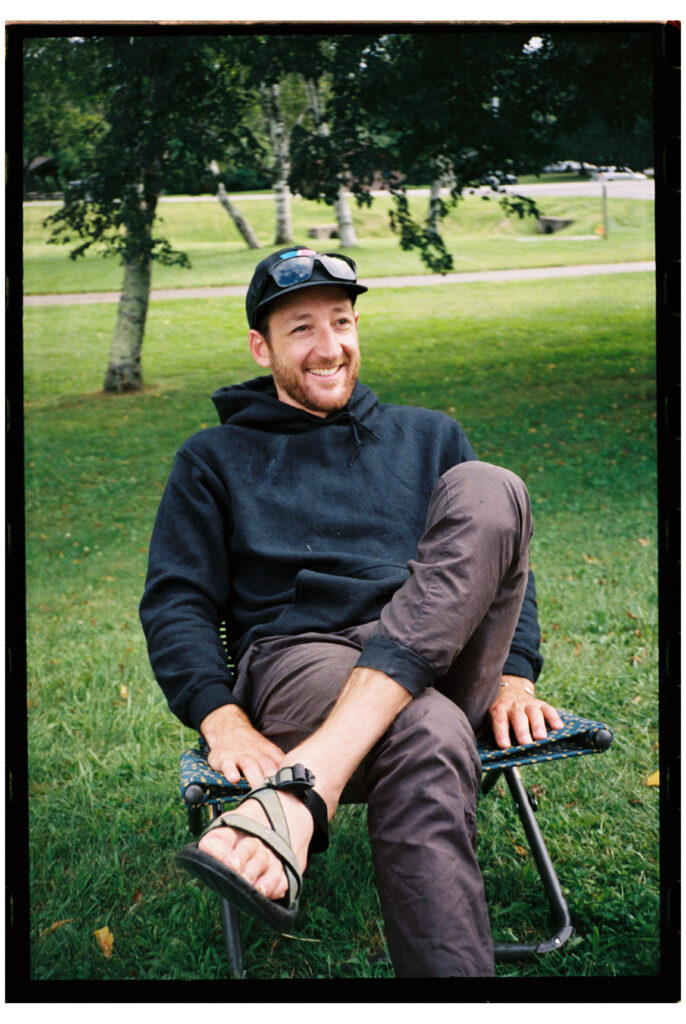
Rusty Rustigian’s journey back to the Northwest Avalanche Center (NWAC) is more than a homecoming; it represents a pivotal moment for the organization’s technological evolution and its commitment to enhancing avalanche safety across the nation. After an initial tenure that saw him contribute to NWAC’s foundational rebrand, Rustigian has returned to lead critical initiatives, most notably the development of a unified, collaborative website and the advancement of the Avy mobile application. His strategic vision and hands-on experience are poised to reshape how avalanche information is disseminated and utilized, aiming to create a more efficient and robust safety net for backcountry enthusiasts.
A Cyclical Path Back to Avalanche Safety Leadership
Rustigian’s connection with NWAC began in 2010, a period marked by challenging economic conditions that made employment scarce. He found an initial opportunity through volunteering with NWAC, which then comprised a lean team of just two nonprofit staff members. This early engagement proved instrumental, leading to the creation of a dedicated position for him within the organization. After five years of dedicated service, Rustigian relocated to Bozeman, Montana, where he diversified his experience across both nonprofit and technology sectors. This nine-year interlude provided him with invaluable skills and a broader perspective on organizational development and digital innovation.
His return to NWAC was catalyzed by a strategic initiative to overhaul its digital infrastructure. While assisting NWAC with a new website project, Rustigian recognized the potential for a more integrated approach to avalanche forecasting and information sharing. This realization spurred his decision to re-engage with the organization, bringing with him a wealth of experience gained in his years away.
The Role of a Product Manager in a Collaborative Ecosystem
In his current role as Product Manager at NWAC, Rustigian is at the forefront of two significant technological endeavors: the management of the Avy mobile app and the development of a new, collaborative website that will unite avalanche centers nationwide. This ambitious project is described by Rustigian as akin to "building a condo complex for avalanche centers rather than building and maintaining our own single-family homes." This analogy highlights the shift towards a shared infrastructure, where individual centers can contribute to and benefit from a unified platform, thereby reducing redundancy and increasing efficiency.
Rustigian’s daily responsibilities involve intricate coordination among various stakeholders, including NWAC staff, design teams, and development partners. A significant portion of his time is dedicated to strategic decision-making, particularly in prioritizing features within the constraints of the organization’s budget. This requires a delicate balance between ambitious innovation and practical implementation, ensuring that NWAC can deliver maximum impact with its available resources. The development of this collaborative platform is expected to streamline forecasting products and consolidate content that is currently duplicated across different regional centers.

A Legacy of Rebranding and Renewed Momentum
Reflecting on his contributions, Rustigian expresses particular pride in the collaborative momentum driving NWAC’s current tech initiatives. However, he also looks back fondly on his initial involvement with the organization, specifically the comprehensive rebrand undertaken around 2011. This rebranding effort was more than just a cosmetic change; it was coupled with extensive outreach initiatives that successfully repositioned NWAC as a more accessible and engaging organization. This period marked a significant shift, transforming NWAC into an entity that actively fostered a sense of community and encouraged greater participation from the public. The success of this early initiative laid a crucial groundwork for future growth and innovation.
Favorite Haunts and Essential Wisdom for the Backcountry
When asked about his preferred locations within NWAC’s operational zones, Rustigian points to the Snoqualmie Pass area, citing its "hidden gems" as a particular draw. This suggests a deep familiarity with the terrain and an appreciation for its less-obvious, yet rewarding, aspects.
His most profound message to every backcountry user centers on the critical importance of understanding and respecting avalanche hazards. He recalls advice from Scott Schell, a seasoned figure in avalanche safety, given over a decade ago: "Persistent Weak Layers are truly so unpredictable and as uncertainty increases, your terrain choice should become equally conservative." This piece of wisdom has deeply influenced Rustigian’s approach, guiding him to prioritize safety and avoid the temptation to "outsmart the problem" when conditions are uncertain. This philosophy underscores the core tenets of avalanche safety: humility in the face of nature and a conservative approach to risk management.
The Future of Avalanche Safety: A Tech-Driven Horizon
Rustigian’s excitement for the future of NWAC and avalanche safety is palpable, largely driven by the ongoing technological advancements. He sees immense potential in streamlining not only forecasting products but also the vast amount of content that is currently replicated across different avalanche centers. The vision behind this collaborative effort, coupled with the spirit of cooperation among centers, is what truly energizes him. He believes the resulting products will offer substantial benefits to both the end-users who rely on this information and the dedicated staff who work behind the scenes to provide it.
Memorable Snow Days: Community and Connection
Beyond the technical aspects, Rustigian emphasizes the growing importance of the human element in his backcountry experiences. He describes a particularly memorable period this past February, characterized by a series of visitors. During this time, he had the opportunity to share some of his favorite locations amidst "world-class conditions." These experiences, he notes, were as much about the people, the place, and the community as they were about the act of "sliding on snow." The act of sharing his passion for the region and witnessing his visitors’ appreciation for why he lives there felt "pretty special," underscoring the profound connection between the environment, shared experiences, and personal fulfillment.
Broader Implications for Avalanche Safety Infrastructure
The strategic return of Rusty Rustigian and his leadership in technological development signal a significant evolution for NWAC and, by extension, the broader avalanche safety community in the United States. The initiative to create a unified, collaborative website is a monumental undertaking that addresses long-standing challenges of information fragmentation and resource duplication among regional avalanche centers.
Supporting Data and Context:
Historically, each avalanche center has operated with its own independent digital infrastructure. While this has allowed for localized expertise and tailored forecasting, it has also led to inefficiencies. Users often need to consult multiple websites to gather information for broader regional travel. Furthermore, the development and maintenance of these individual platforms represent a significant expenditure of resources for each center, many of which operate on limited budgets.
The National Avalanche Center (NAC) has been a key proponent of increased collaboration and standardization. Initiatives like the proposed unified website aim to leverage the collective expertise and data of all centers, creating a more comprehensive and accessible resource. This project aligns with recommendations from various avalanche safety research bodies that advocate for improved data sharing and technological integration to enhance forecasting accuracy and public outreach.
Chronology of the Initiative:
While the exact start date of the unified website project is not detailed, Rustigian’s return in the last few years, following his nine-year tenure in Bozeman, suggests that this initiative has gained significant traction recently. His initial involvement with NWAC in 2010 and his subsequent return indicate a cyclical engagement with the organization, allowing him to build upon past experiences and contribute to its ongoing development. The current phase of intense coordination and decision-making within his Product Manager role points to an active development and implementation stage.
Analysis of Implications:
The successful implementation of a collaborative platform could have several profound implications:
- Enhanced User Experience: Backcountry users would benefit from a single, comprehensive portal for avalanche forecasts, advisories, and related information across the country. This would simplify planning and decision-making, especially for those traveling between different regions.
- Increased Efficiency for Avalanche Centers: By sharing a common technological infrastructure, avalanche centers can reduce individual development and maintenance costs. This allows them to reallocate resources towards core forecasting activities, research, and public education.
- Improved Data Integration and Analysis: A unified platform could facilitate the collection and analysis of broader datasets, potentially leading to more sophisticated forecasting models and a deeper understanding of avalanche phenomena across diverse geographic areas.
- Standardization of Best Practices: The collaborative development process can lead to the standardization of data formats, reporting protocols, and user interface design, further enhancing consistency and usability across all participating centers.
- Strengthened National Avalanche Safety Network: This initiative has the potential to create a more cohesive and robust national network for avalanche safety, fostering greater collaboration and knowledge sharing among professionals.
Potential Challenges and Future Outlook:
Despite the significant benefits, such a large-scale collaborative project is not without its challenges. Ensuring seamless integration of diverse data streams, managing competing priorities among different centers, and securing sustained funding will be crucial for long-term success. However, with experienced leadership like Rusty Rustigian at the helm, NWAC is well-positioned to navigate these complexities. The ongoing work on the Avy app further complements this vision by providing a mobile-first approach to accessing critical avalanche information, making safety more accessible than ever. The future of avalanche safety in the United States appears to be increasingly shaped by technological innovation and a spirit of collective action, with NWAC playing a leading role in this transformative era.

